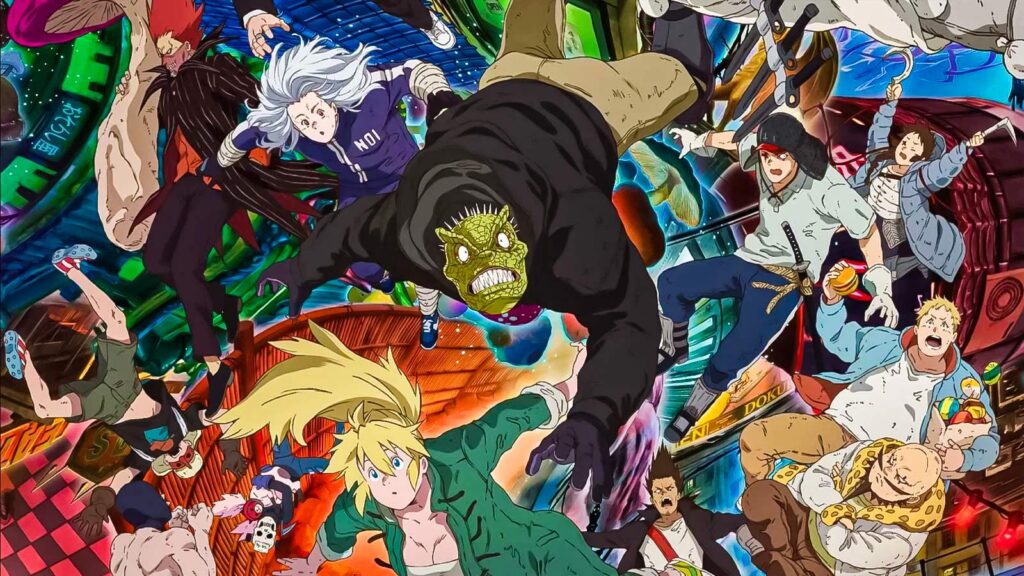
MAPPA took the weird and gross, yet oddly wholesome world written by Q Hayashida and made the anime Dorohedoro. The anime itself turned out to be simply amazing, and the artwork and the world Hayashida created were insanely detailed. Honestly, if you’ve only watched the anime, you already got a great show.
Yet, just like almost every adaptation, the studio had to make some choices. Some chapters got removed from the story, some scenes were softened, and the whole thing moves a lot differently on paper. It is important to note that none of these changes actually ruin the story itself, but they do change how it feels to experience it. Let’s dive into all the changes that the anime made from the manga.
The Pacing in the Dorohedoro Anime Is Much Faster
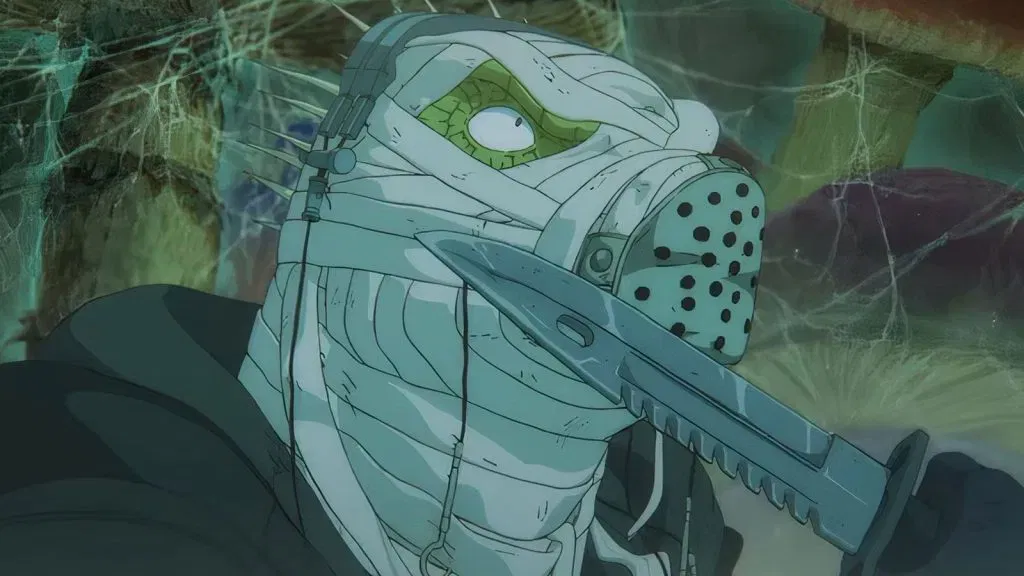
The very first change that is immediately noticeable in the anime is that it doesn’t mess around before getting into the plot details in each small arc. Hayashida lets scenes breathe and lets the readers immerse themselves in the art.
The jokes in the manga land slowly, and the world remains confusing for long enough to have a great sense of mystery. That is actually the part of the charm when it comes to manga.
The anime doesn’t really have that luxury. With only 12 episodes to cover a big chunk of the story, MAPPA tightened the story up. Scenes in the anime moved quicker and side moments that would’ve taken a full manga chapter got compressed into a couple of minutes. This is similar to MAPPA’s pacing changes in Jujutsu Kaisen as well.
On one hand, it worked well for keeping momentum, but on the other hand, it also means some of the slower, weirder moments that make the manga feel so lived-in don’t get the same room to sit.
The Fight Club Chapter Was Cut Completely From the Anime
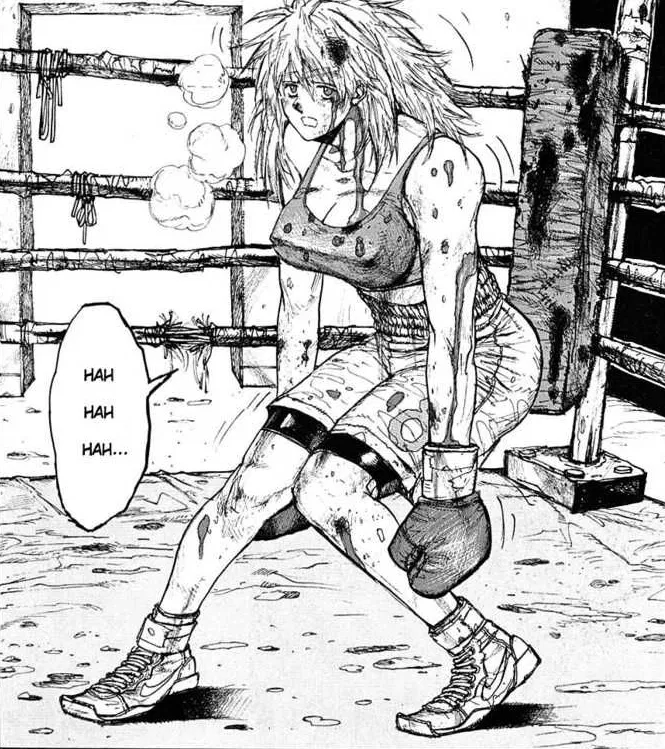
This is probably the biggest difference that some fans even complained about. In the manga, there was a whole chapter built around an underground fight club where Nikaido herself becomes a boxer. The specific chapter that was entirely left out was Chapter 11, titled “Competition of the So-Called Underworld”.
In this chapter, Nikaido is beaten badly in an underground boxing match and collapses from exhaustion, humiliated by an onlooker who taunts her with the reputation of her opponent, Red Brake. Meanwhile, Kaiman heads to Hungry Bug expecting to find Nikaido asleep, but he doesn’t see her anywhere. He goes into her apartment and searches the building, eventually finding the flyer for the tournament.
Mappa Softened the Gore, and Everyone Curses a Lot Less
-

Credit: MAPPA -

Credit: MAPPA -
Credit: MAPPA
-

Credit: MAPPA -
Credit: MAPPA -
Credit: MAPPA
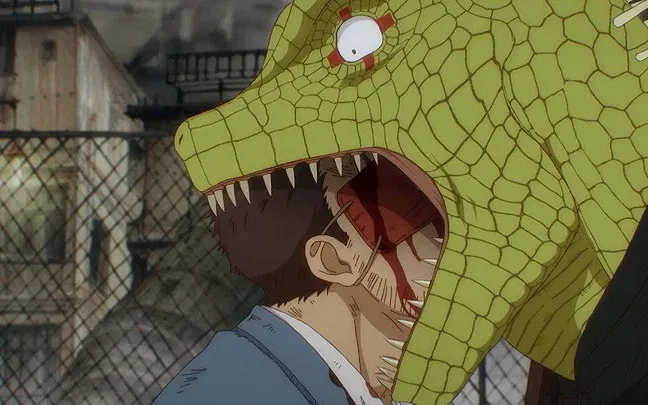
Dorohedoro, the manga, is nasty in the best way. Body horror, gore, and swearing—it has it all. It’s made like this on purpose, and that dark vibe is a big part of why the story feels so real despite being magic mushrooms and a character with a lizard head.
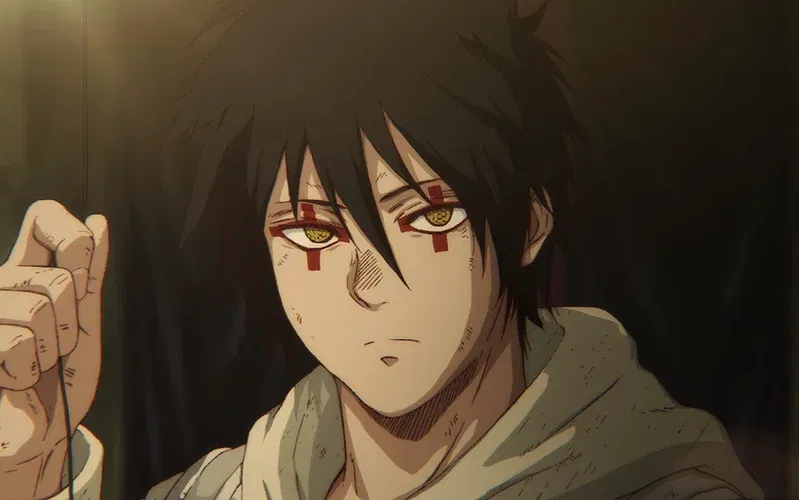
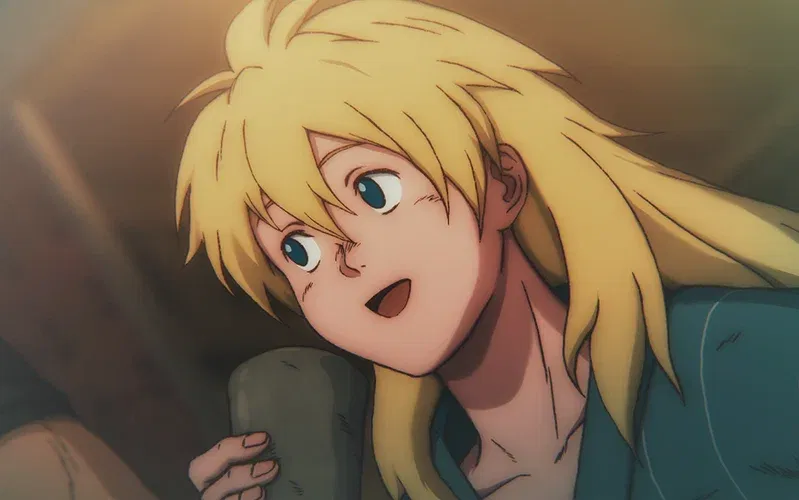
The anime keeps a lot of that vibe, but it’s noticeably toned down. Some moments that had a considerable amount of gore get cut or softened visually, and the dialogue swears a lot less than it does on the page. Characters who drop harsh language constantly in the manga sound a little more PG in the show.
This doesn’t make the anime bad; it’s still dark and violent by normal anime standards. But if you’re used to the manga’s rawer tone, the anime can feel like it’s holding back just a bit, especially during the messier fight scenes.
The Manga’s Color Work Doesn’t Translate the Same Way on Screen
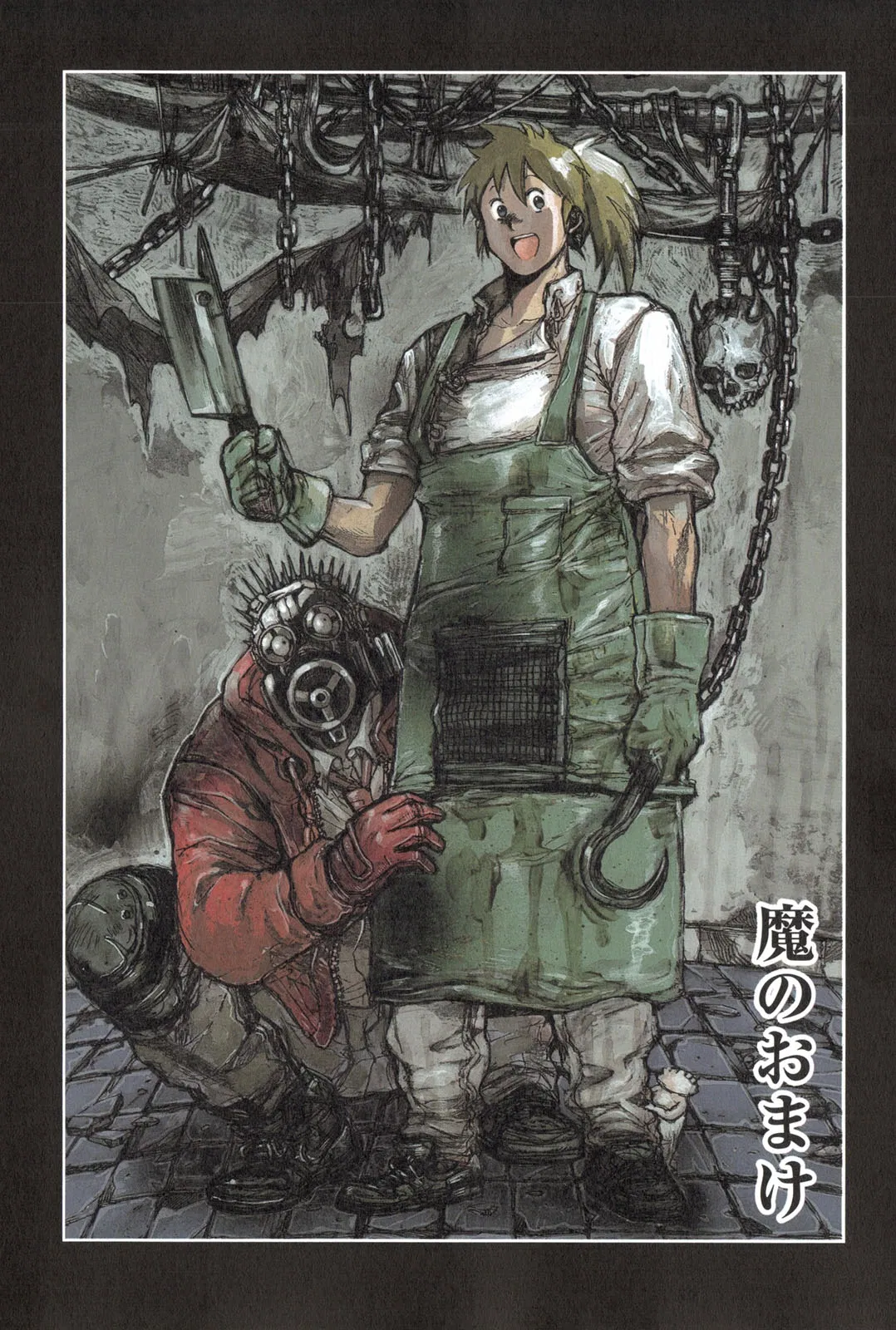
Hayashida’s manga uses color really specifically, mostly in select volumes and key scenes, and it adds a layer of grime and texture that makes everything feel dirtier and more unsettling in a good way. This is one thing not a lot of people complained about, as the colored art is almost always limited to the volume covers.
The anime obviously has to be in color the entire time, and it goes with a brighter, cleaner palette overall. It looks great and is easy on the eyes, but it kind of works against the story in certain scenes. Simply speaking, while the scenes and the story remain the same, it’s like the environment is changed in a way that makes everything feel much lighter in the anime. It’s like taking away the fog from the Silent Hill game environments.
| TITLE | Dorohedoro |
| MAL RATING (as of July 22, 2026) | 8.05 / 10 |
| STUDIO | MAPPA |
| RELEASE DATE | Jan 13, 2020 |
| STREAMING | Netflix |
What do you think the anime does better than the manga? Let us know in the comments.
Dorohedoro is streaming on Netflix.