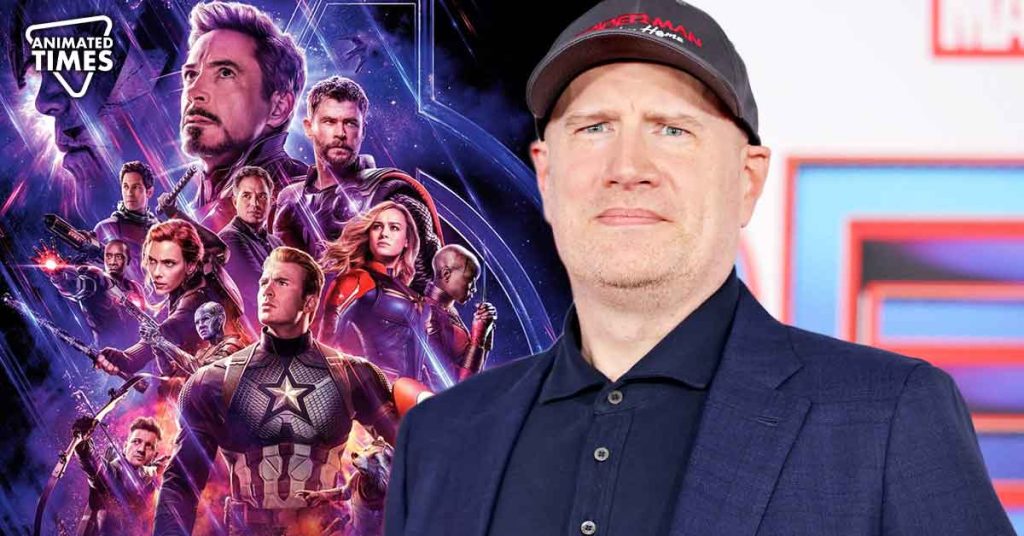
The Marvel Cinematic Universe rules as the most powerful franchise in visual comic history. Its remarkable introduction of a diverse array of superheroes has not only transformed the entertainment experience but has become an integral part of our lives. The monumental culmination of Avengers: Endgame is marked as an important moment in the franchise, followed by a massive entrance into the epic multiverse with a diverse character arc and complex storyline. Despite its complexity, the franchise struggled to capture its audience as effectively as the Infinity Saga. Apart from Disney’s invasion and pandemic, there were other challenges for the franchise. While still influential, the MCU is currently recalibrating its once-seamless narrative path.
MCU from its well-destined Infinity Saga to uncertain Multiverse
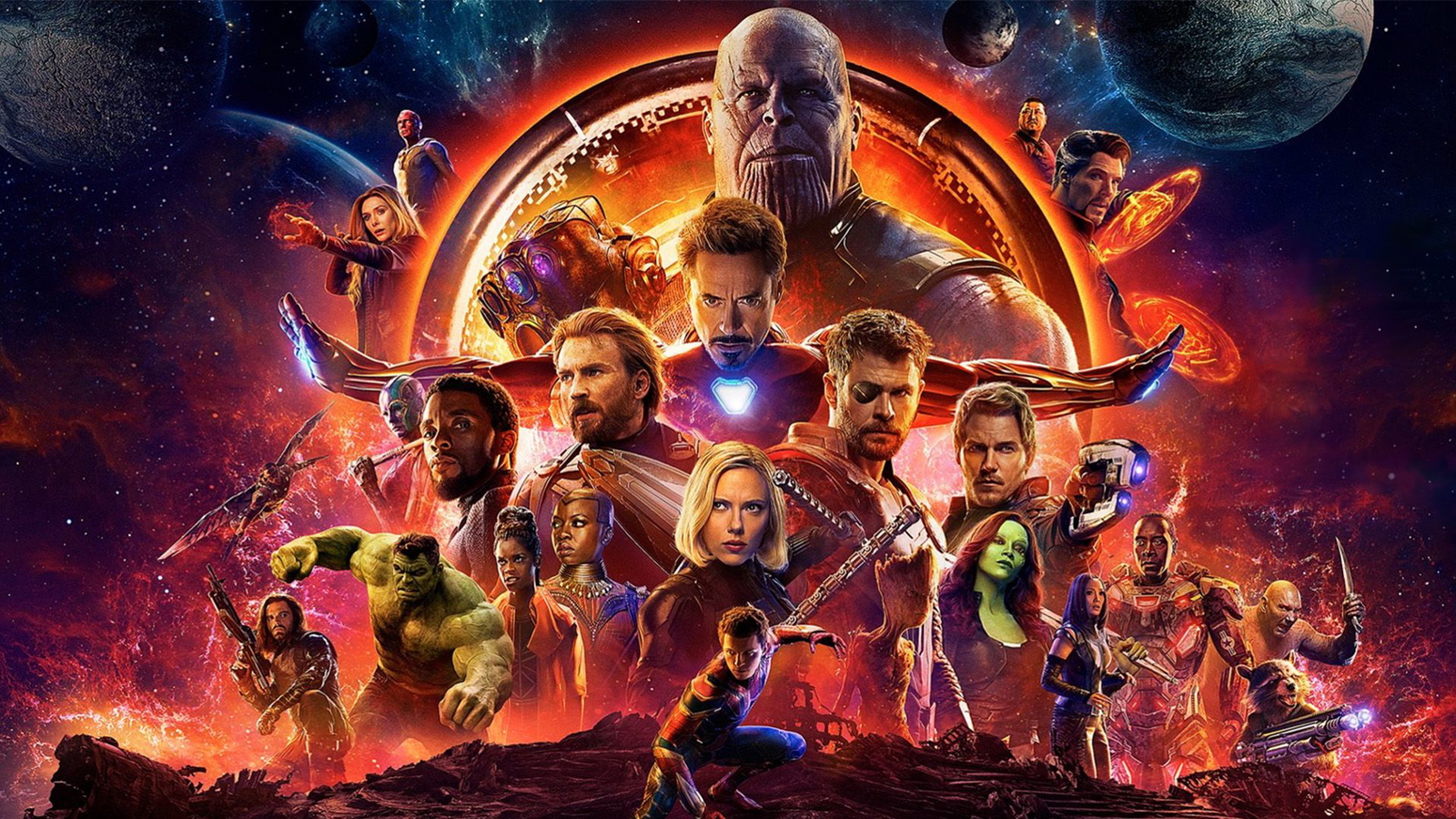
One of the most common complaints about the first post-Endgame Saga is that it lacks direction. When the franchise introduces its iconic superhero, Iron Man, through a controversial actor, Robert Downy Jr. the only big promise they made to the Avengers will show up in the franchise. Following the 2012 release of The Avengers, fans were unaware of their impending encounter with the formidable titan Thanos and his quest for the infinity stone. This transition signal heightened the dimension of the franchise. While the way to the Infinity Saga and Endgame was arduous, the franchise knew so well how to start and end, as they gave clear indications to the audience.
It’s no longer like 2008 anymore; the fraternity was quite good at changing stories and making adjustments. Even after the filming, it worked well during the Infinity Saga with 23 projects lasting from 2008 to 2019. The Multiverse Saga had a total of 10 projects within 3 years, pausing in a daunting situation. The Disney CEO decided to cut off some of the projects due to a lack of focus on content quality.
MCU faces setbacks: Disappointing receptions and underperformance
The universe’s recent installment, Secret Invasion flaws the system. The most anticipated show ultimately became a disaster, scoring the lowest on Rotten Tomatoes. Its weak script and plot, and an even more disappointing cast serve to the series’ tragedy. While the Dr. Strange Multiverse of Madness is filled with mind-bending visuals and huge action sequences, it didn’t live up to the hype it imposed.

According to a Hollywood reporter, the film had undergone reshoots in some parts, and the main actor, Benedict Cumberbatch, and his team had almost six weeks more to fix the movie. Articles mention that the movie is being described as “very Sam Raimi,” the director who gave us Evil Dead and Tobey Maguire’s Spider-Man. Doctor Strange, with over 200 reviews, has a 77% rating on Rotten Tomatoes, making it the sixth worst-reviewed movie in the MCU, alongside Thor.
Apart from being a Kickstarter to the MCU Phase 5, Ant-Man and the Wasp: Quantumania has ended its theatrical run with a box office haul of around $473 million worldwide. The film marked the second-worst drop for any superhero movie domestically. Similarly, after its release, the movie also went through some changes in the climax part.
Other MCU releases that differ in comparison to their precedents Black Panther: Wakanda Forever haul of around $850 million against Black Panther’s $1.3 billion total. Thor: Love and Thunder came out as the worst depiction of the thunder god. Shinagi stood out of the group due to its improved storytelling and more nuanced character portrayal. The Eternals is certified as the MCU’s first film to be “rotten” on Rotten Tomatoes
Multiverse complexity challenges Marvel’s coherence and connection
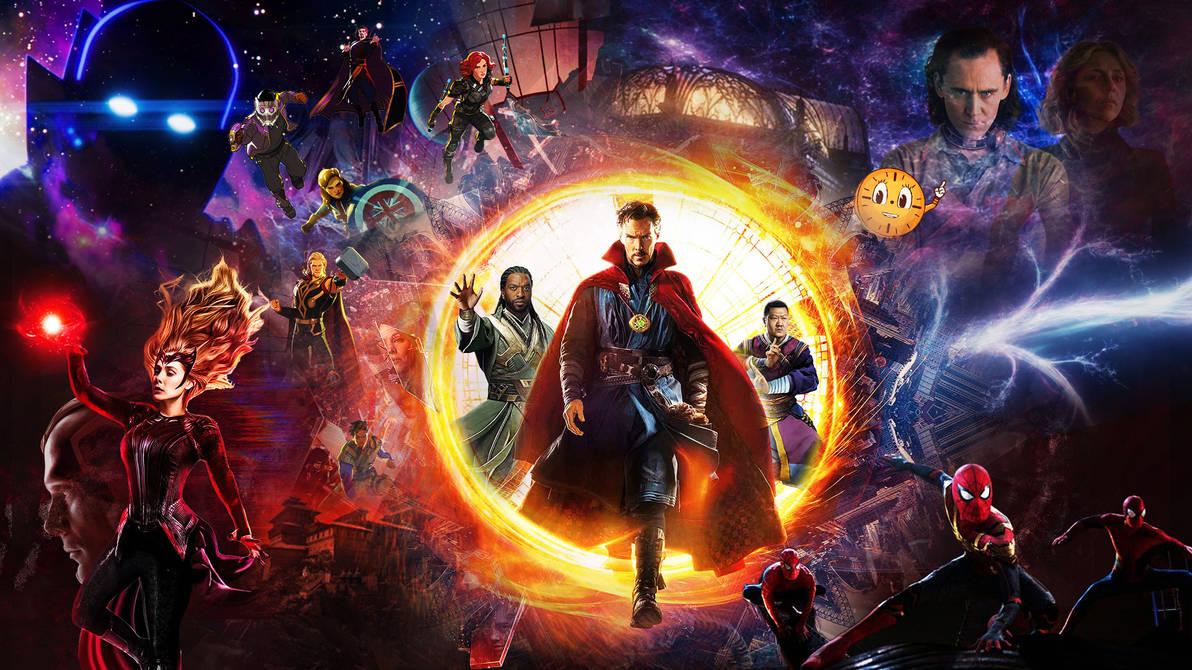
The multiverse concept took away the linear comprehensiveness of the franchise, making it pretty complex to connect and realize. A confusing plot isn’t easy for a typical moviegoer to understand. Besides its multifaceted storyline, the saga also lacked better visual narration, which was evident in its underwhelming visual effects.
Frequently asked questions
Why has the MCU’s Multiverse Saga struggled compared to the Infinity Saga?
The article argues the Infinity Saga worked because it built toward a clear payoff across 23 projects from 2008 to 2019, giving audiences a coherent through-line from Iron Man to Avengers: Endgame. By contrast, the Multiverse Saga released about 10 projects in roughly three years with less obvious direction, and its reliance on alternate timelines and multiple versions of characters made the overarching story harder for general viewers to follow and connect with emotionally.
Which post-Endgame MCU titles does the article cite as underperforming?
It names several. Secret Invasion is described as scoring the franchise’s lowest Rotten Tomatoes reception; Ant-Man and the Wasp: Quantumania ended its run at roughly $473 million worldwide; Black Panther: Wakanda Forever earned around $850 million versus the first Black Panther’s roughly $1.3 billion; Doctor Strange in the Multiverse of Madness sits at a 77% critics score (which the article calls one of its worst-reviewed films); and Eternals is cited as the first MCU film certified rotten. These figures reflect critical and commercial reception, which can vary slightly by source.
Does the article actually blame Kevin Feige personally for the MCU’s problems?
Despite the headline, the body never names Marvel Studios president Kevin Feige or analyzes his specific decisions. It frames the issues at a franchise level: overexpansion across films and Disney+ shows, inconsistent quality that reportedly led Disney to trim its slate, and a multiverse concept the writer found too complex to land emotionally. The sharper attribution to a single executive should be read as the headline’s framing rather than a claim the article substantiates.