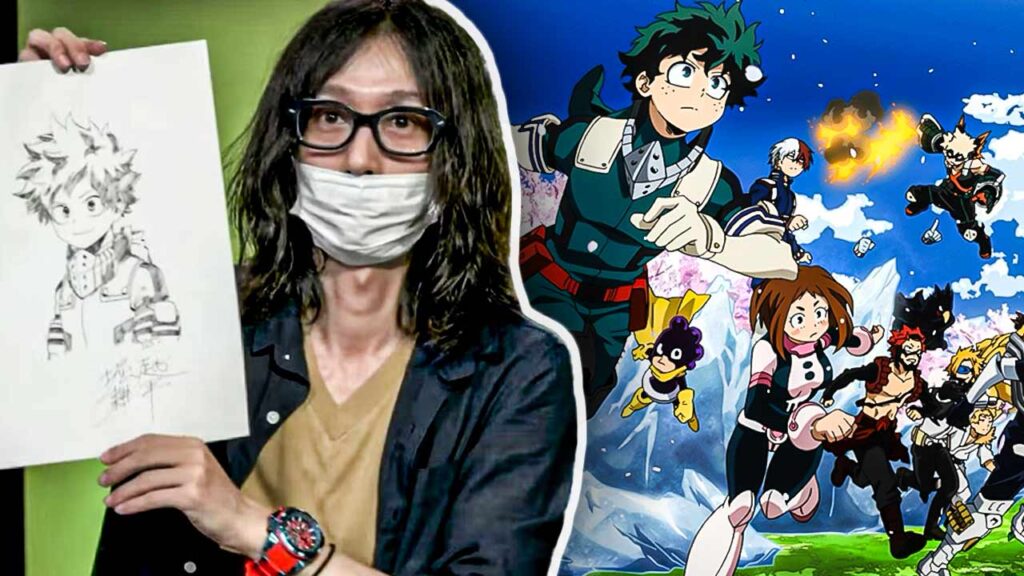
Thanks to My Hero Academia, Kohei Horikoshi has become a common name in the manga industry. The series has been running since 2014 and has become a mainstream hit in the following years. Prior to the success of My Hero Academia, Horikoshi faced some challenges on the path to success.
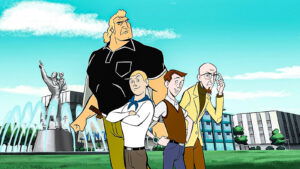
Right before the inception of My Hero Academia, Horikoshi had another, much less popular manga called Barrage. Barrage told the story of an aloof young man who jaunted as royalty to prevent an intergalactic war. Though it was filled with colorful designs and fun actions, Barrage‘s lackluster story failed to gain any foothold with any audience.
There were many reasons behind Barrage‘s early cancellation. While the series wasn’t bad, it is a stretch to call it a good one either. The characters were not well-written and were typically cliches. The villains were also not interesting and only served to drive the plot without any real tension.
All in all, Barrage wasn’t quite ready to set the world on fire, but thankfully, Horikoshi’s next series managed to accomplish that.
Kohei Horikoshi Was Depressed After His Second Series Was Axed
Kohei Horikoshi’s Barrage was canceled after only two volumes by Shueisha, which had a huge impact on him since he had a lot of things planned for the manga. The mangaka was pretty much depressed about it.
However, instead of quitting, he pushed himself to draw as he loved it more than anything else. So, with little energy left within him, he started working on a new manga, My Hero Academia. The mangaka added happy elements and events from his previous works into this new manga.
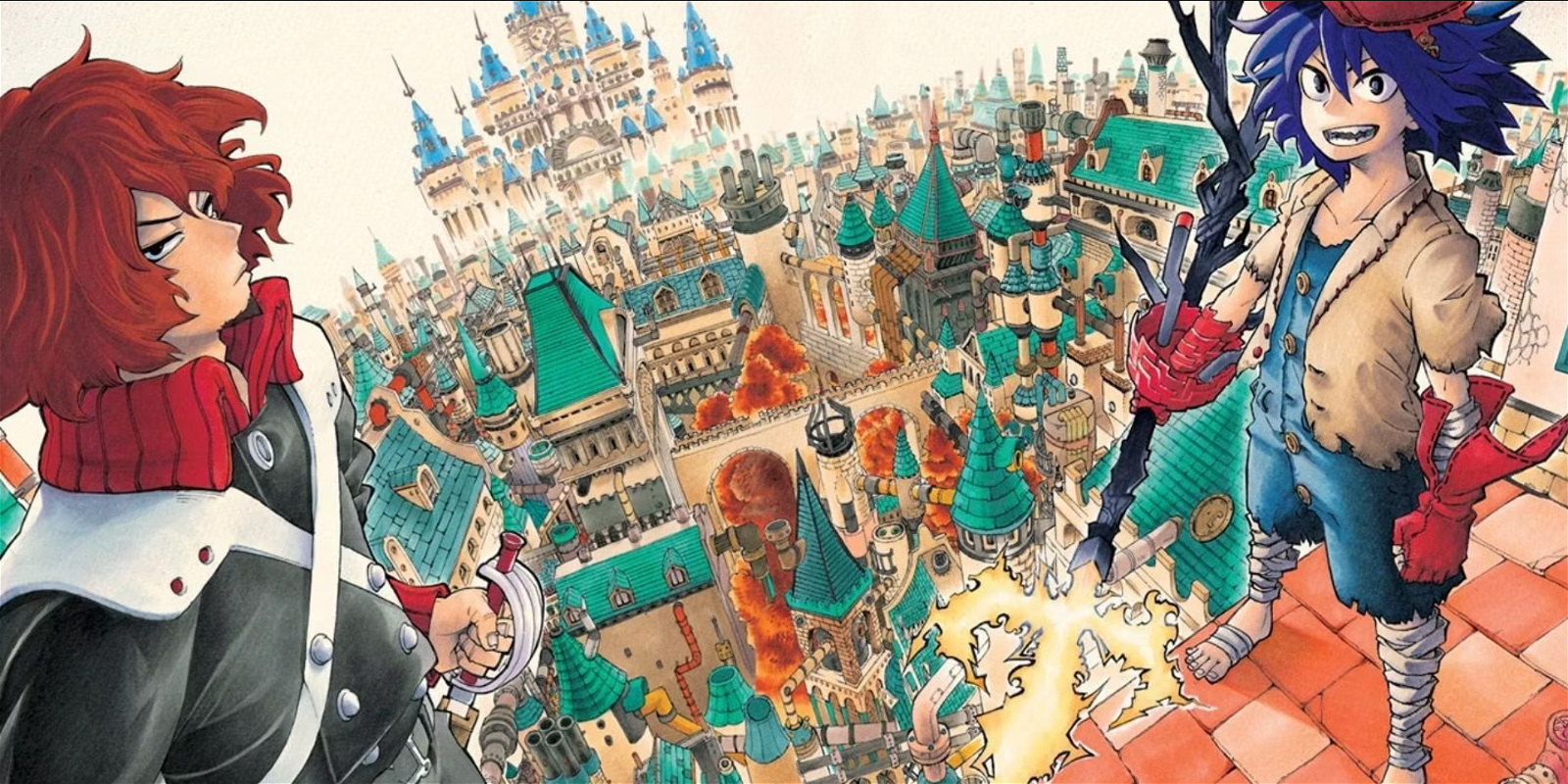
Horikoshi recalled that he was delighted to draw the one-shot My Hero, so he wanted to make that the foundation and create something new from it. He revealed this is how My Hero Academia came into being in an interview:
My second series was axed really quickly after such a short time of serialization, and I was pretty depressed about things. I didn’t have the energy left to create new things in the manga medium.
So, I decided to add happy things and happy events that I had drawn in my previous works into this new series. Before, I was really happy drawing the one shot My Hero, so I wanted to make that the foundation and create something new from it.
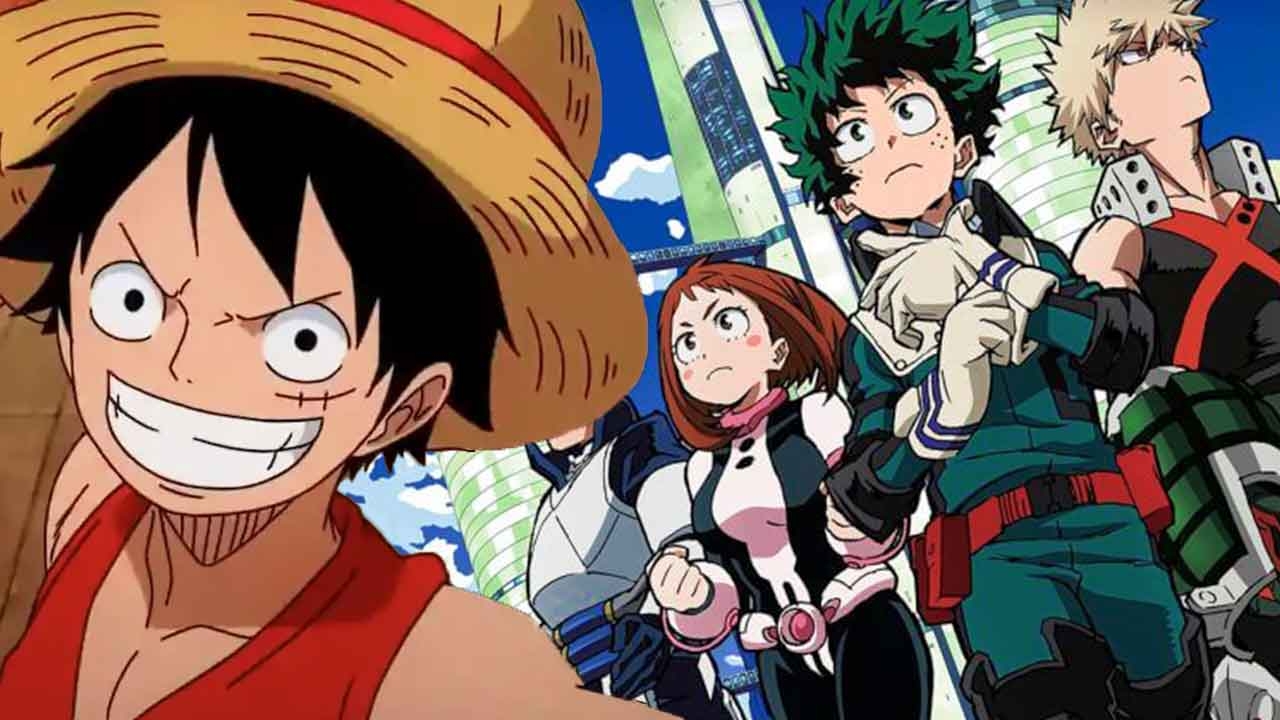
Despite being at his lowest, Horikoshi did not give up, and his resilience gave birth to a manga that would reign as one of the best mangas of his time.
Kohei Horikoshi Felt Reassured After Receiving Positive Reviews For My Hero Academia
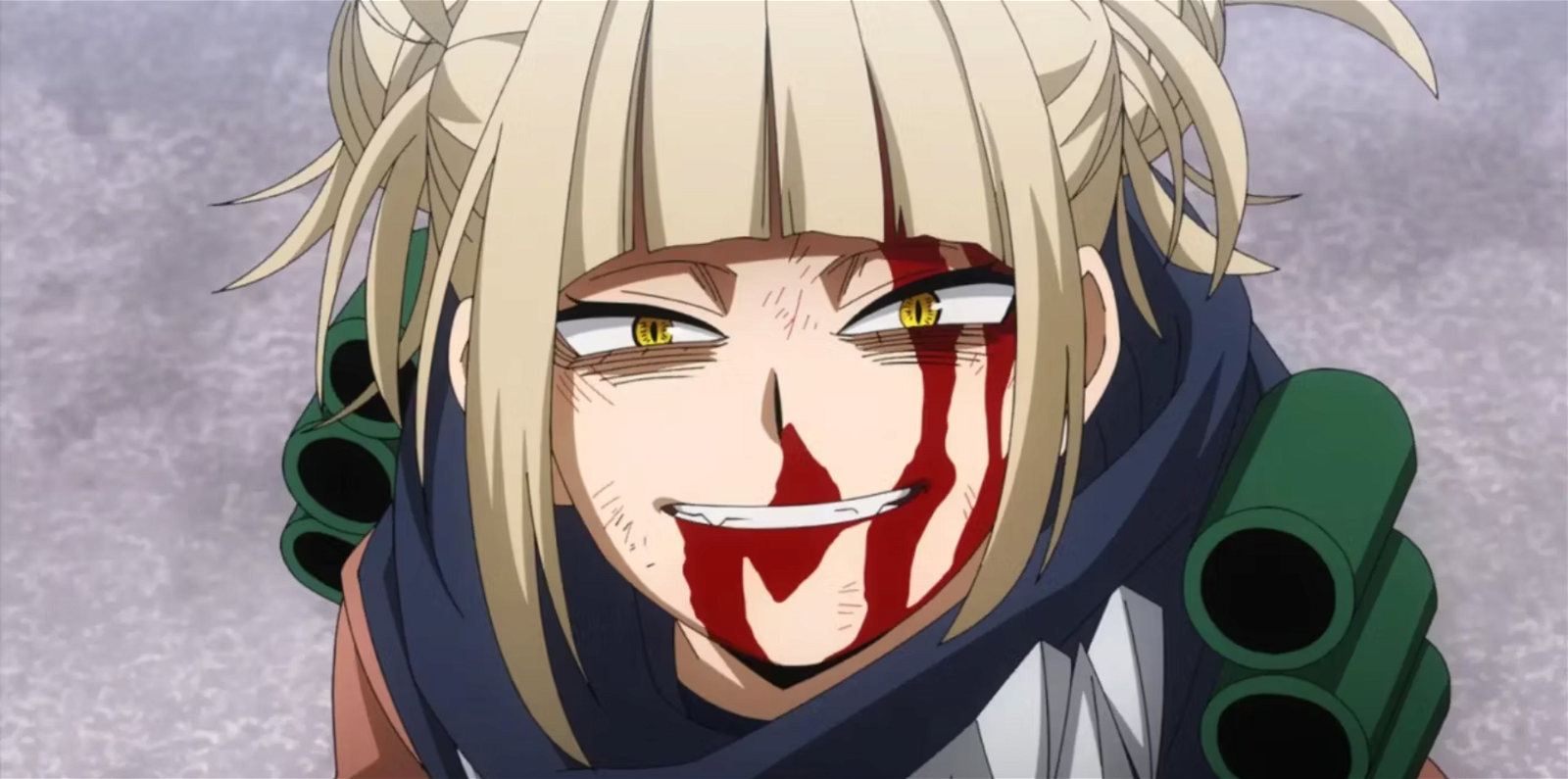
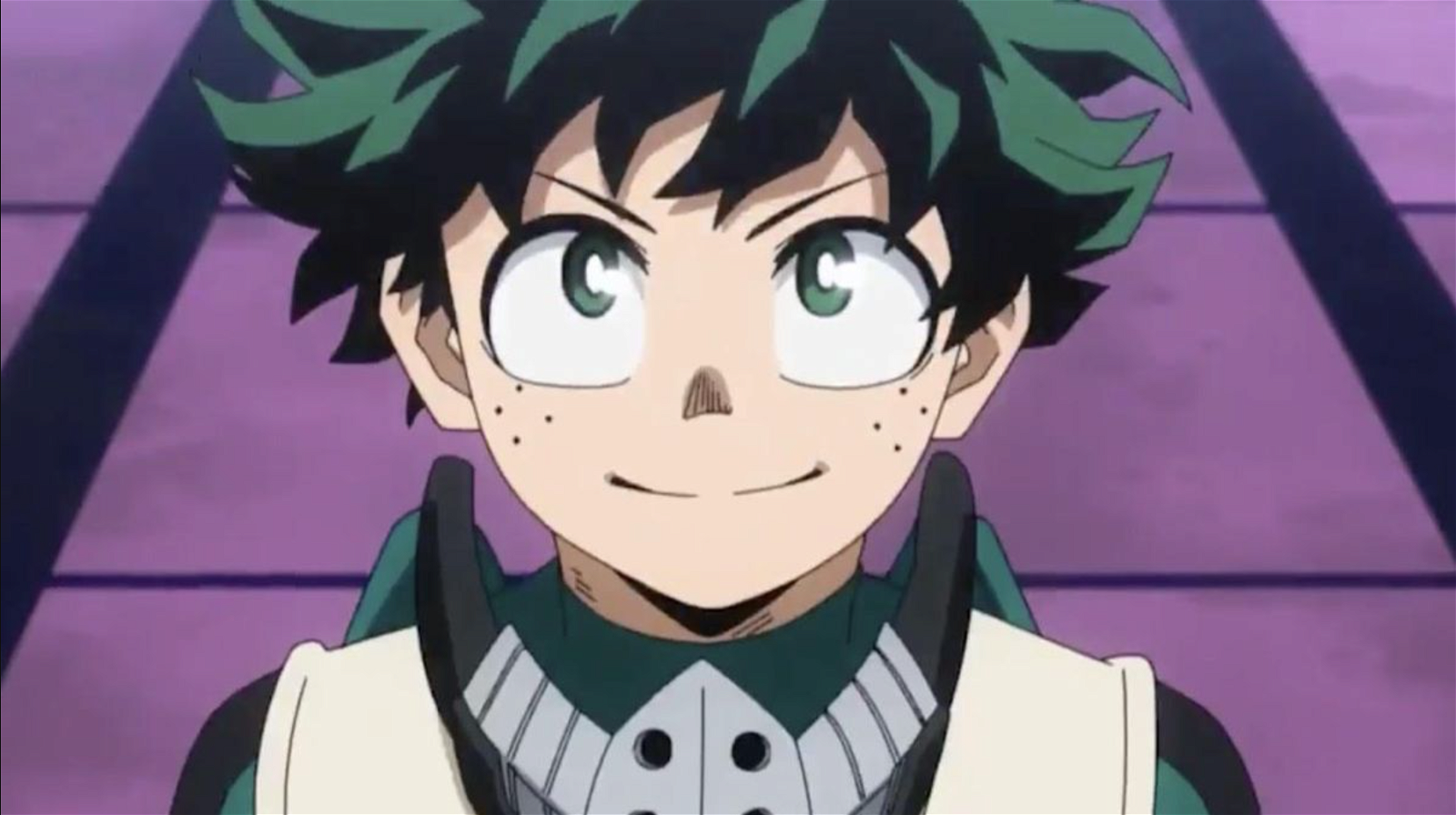
When Horikoshi was asked which parts of the story in My Hero Academia he personally enjoyed, the mangaka said that he enjoyed them all. He also added that he melded his feelings into the characters when drawing Deku and Bakugo’s battle training.
Horikoshi revealed that he needed to get a strong hold of the reader’s heart as that part was the climax of the arc. He added:
I got a lot of positive reviews for that part too, which gave me some reassurance. Again, this reassurance, this is probably one of the parts that made the most impression on me. A hero to me is somebody that helps and brings reassurance to others.
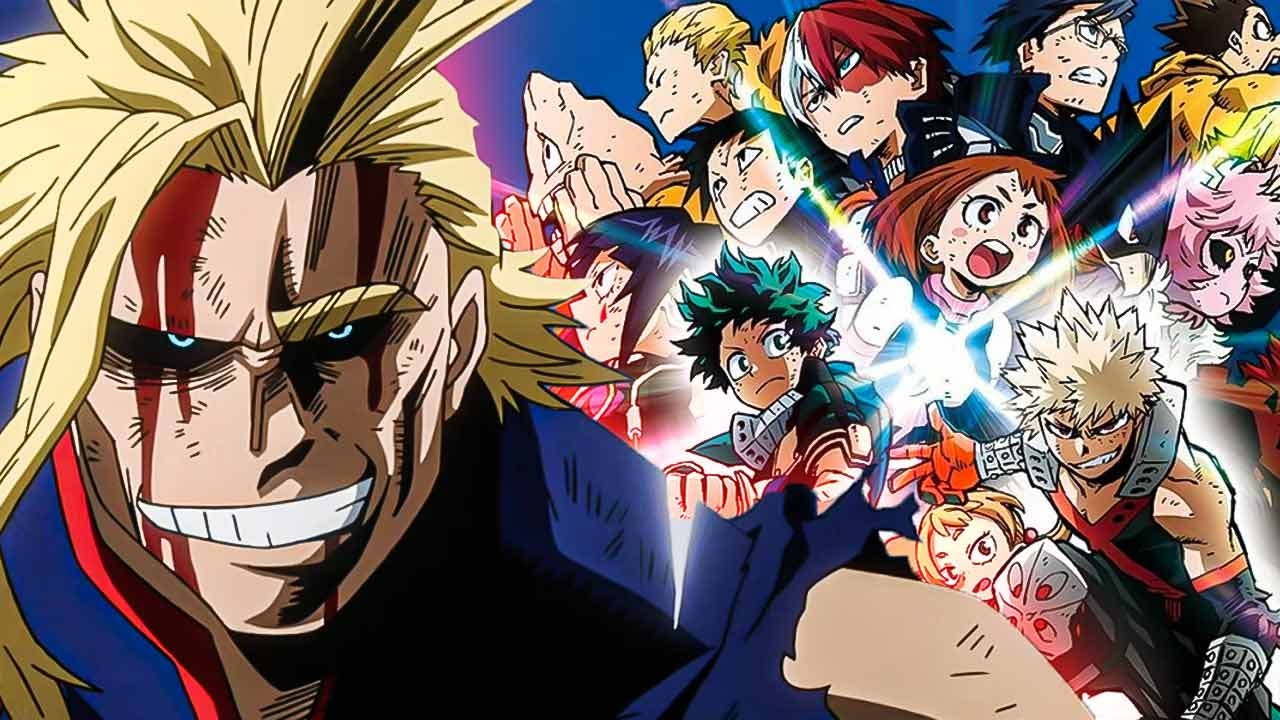
For someone whose previous work was canceled due to a lack of positive response, the gush of positive reviews for My Hero Academia must have been truly reassuring for the mangaka. And it could be that this is exactly what Horikoshi needed; a push to do better in his next work.
Frequently asked questions
What manga did Kohei Horikoshi make before My Hero Academia?
Right before My Hero Academia, Horikoshi created Barrage, a short sci-fi series about an aloof young man who poses as royalty to prevent an intergalactic war. It was canceled by Shueisha after only two volumes, and Horikoshi has said the failure left him depressed and drained.
How did Kohei Horikoshi come up with My Hero Academia?
In the interview cited by the article, Horikoshi said he built My Hero Academia on the foundation of an earlier one-shot called My Hero that he had loved drawing, folding in ‘happy things and happy events’ from his previous works. The serialization has been running in Weekly Shonen Jump since 2014.
Which My Hero Academia moment gave Horikoshi reassurance about his work?
Horikoshi said the positive reviews for Deku and Bakugo’s battle-training arc gave him reassurance, helping shape his view that a hero is someone who ‘helps and brings reassurance to others.’ The TV anime adaptation is produced by Studio Bones.