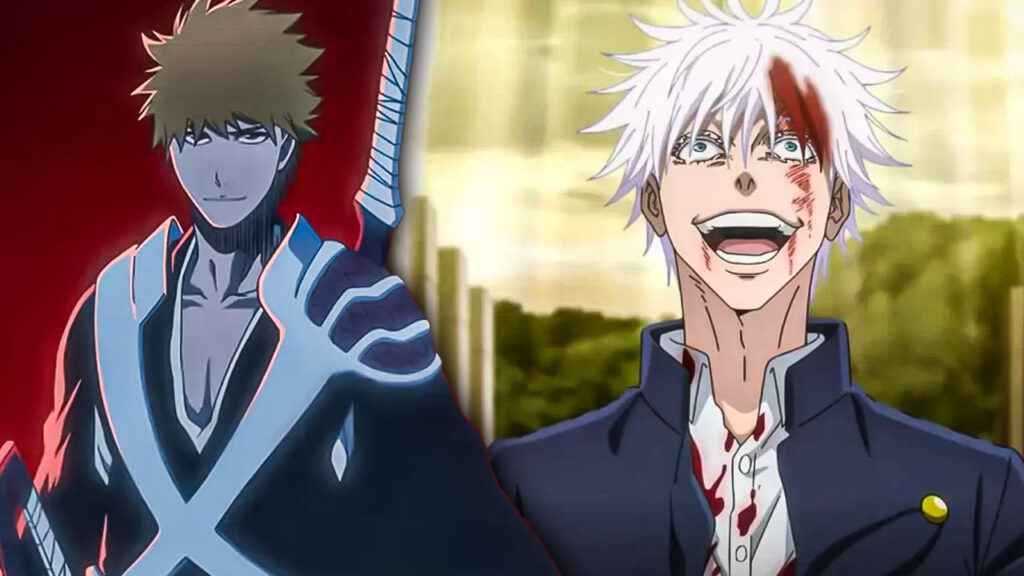
Tite Kubo’s Bleach has more similarities with Jujutsu Kaisen than just its popularity it seems. The protagonist of Bleach, Ichigo Kurosaki, might have more in common with the strongest jujutsu sorcerer, Gojo Satoru. As part of the 40th Anniversary of Weekly Shonen Jump in Japan and the 5th Anniversary of the U.S. edition of the magazine back in 2018, VIZ Media went all out to give Tite Kubo an unforgettable welcome.

This wasn’t a huge surprise, given that Tite Kubo is the creator of the renowned series, Bleach. As one of the big three mangas, Bleach is one of the incredibly popular and best-selling mangas in Japan, the U.S., and Europe. Thankfully, despite his busy schedule, Kubo was able to sit down for an interview where he talked about Bleach, the characters of the series, his creative process, and more.
Ichigo Kurosaki’s Greatest Strength Is Also His Weakness
In the interview session, Tite Kubo talked about how he came up with so many characters with different ranges of personalities. Kubo said that he did not intend for the characters to have certain personalities when he came up with them. He also said that sometimes he couldn’t think of a new character, while other times he came up with ten different characters.
Talking about the main character, Ichigo Kurosaki, the interviewer asked Kubo what he considered to be Ichigo’s greatest strengths and weaknesses. This is what Kubo had to say:
His strength is that he is always considerate and thoughtful. He always thinks about other people’s needs. That is a great strength, but it’s also his greatest weakness, because worrying about his friends puts him in danger too, sometimes.
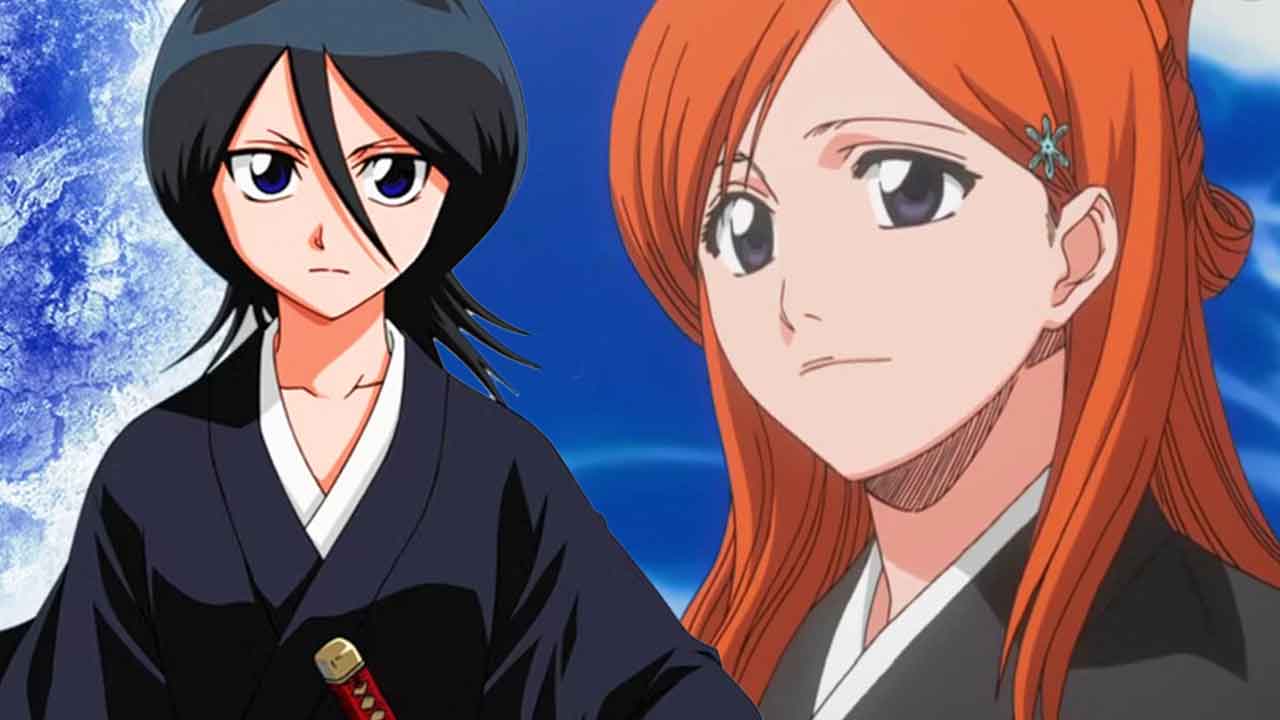
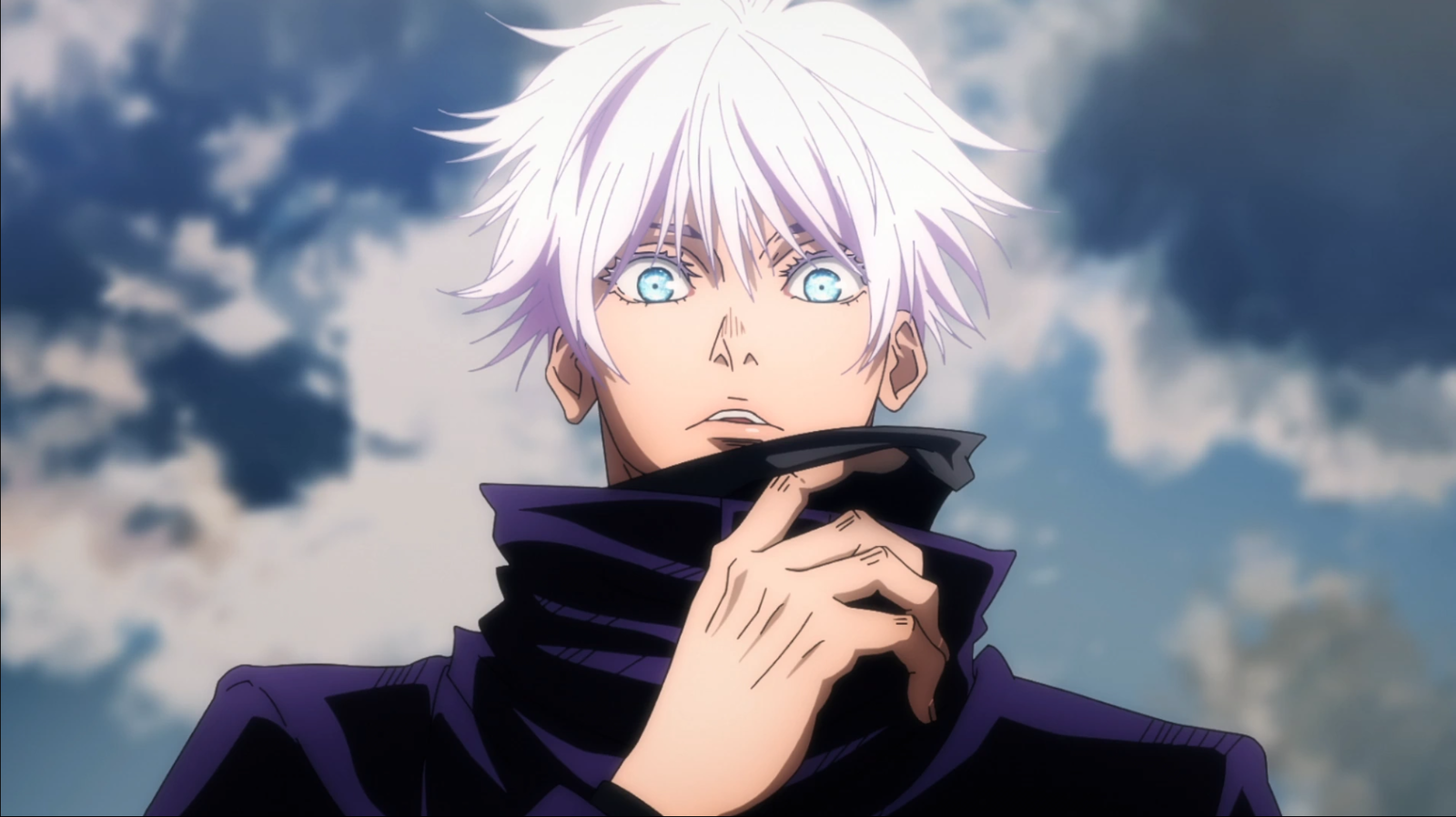
Ichigo’s personality is quite a paradox and considering what Kubo said about his character, it resembles Jujutsu Kaisen‘s Gojo Satoru. Although Gojo seems air-headed and arrogant most of the time, and someone who cares much about the people around him, it is the exact opposite. And it is because he cares too much about other people that he got killed.
Tite Kubo Talks About How He Came Up With The Idea Of Quincies
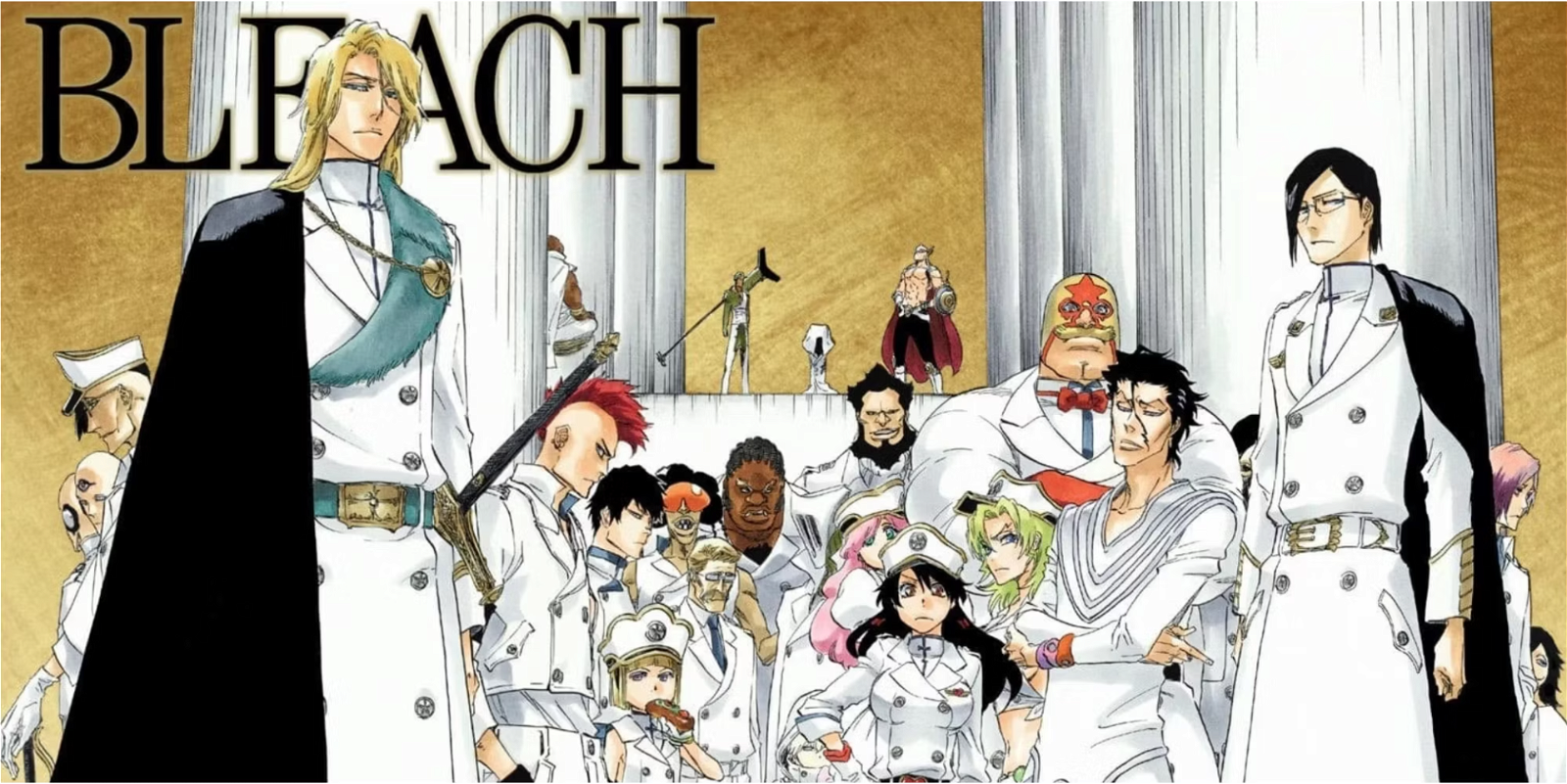
The interviewer then asked Tite Kubo about how he came up with the idea of Quincies. Kubo explained that he created Qunicies to be Ichigo’s rival characters, so he put Uryu in white clothing (compared to the black kimono worn by the Soul Reapers). He continued:
The Quincy cross has 5 points, kind of like the Japanese 5-pointed star. 5 points, quintet, Quincy! Quincies use arrows, so if you call them Qunicy archers, it sounds like a name, so I kind of liked that.
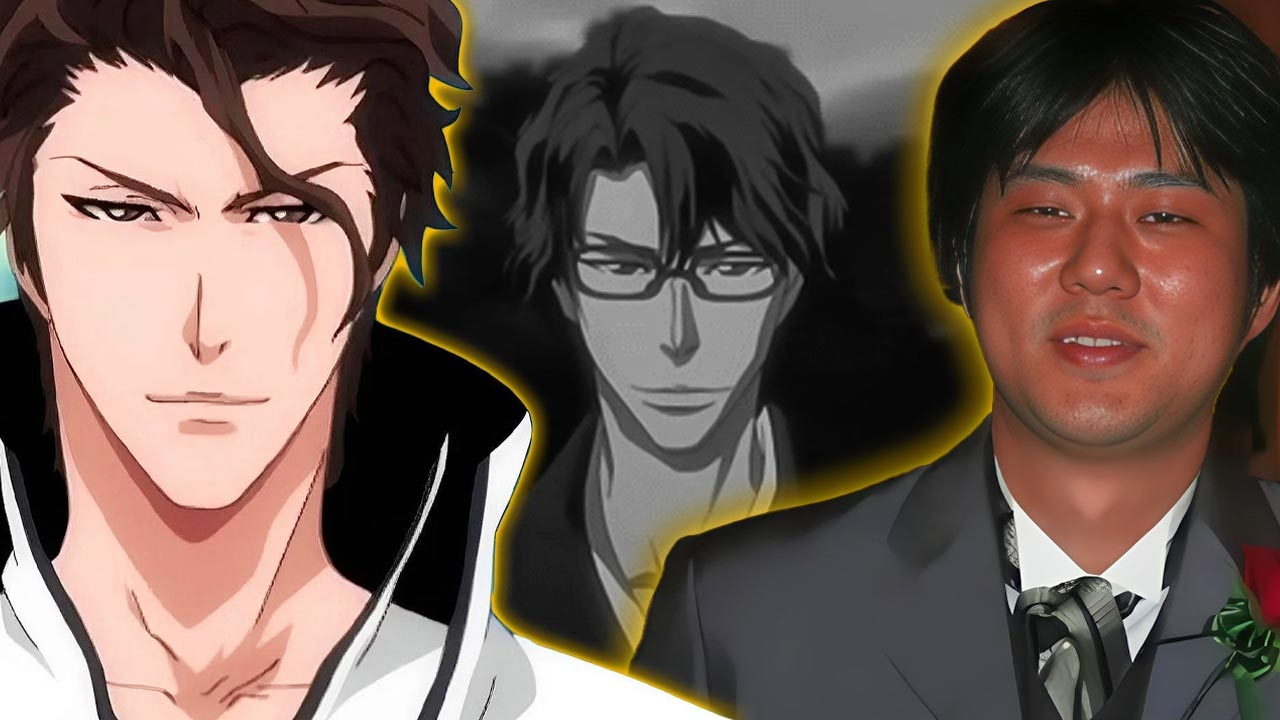
He also explained that Quincies use arrows, which are long-range weapons, making it difficult for Ichigo to fight them with his sword, which is made for short-range combat. Kubo mentioned that Yoruichi and Rangiku are his favorite female characters from Bleach because of their attitudes.
You can read Bleach manga on VIZ Media and watch the anime on Crunchyroll.
Gojo’s caring nature ultimately became his undoing — and Gege Akutami made it permanent: Gojo will never return to Jujutsu Kaisen, and Akutami used the most beautiful symbolic method to confirm that finality.
Frequently asked questions
What did Tite Kubo say is both Ichigo Kurosaki’s greatest strength and weakness?
In the interview, Bleach creator Tite Kubo says Ichigo’s strength is that he is always considerate and thoughtful, constantly thinking about other people. Kubo adds that this is also his greatest weakness, because worrying about his friends puts Ichigo in danger.
Why does the article compare Ichigo Kurosaki to Gojo Satoru?
The article frames both characters as sharing the same vulnerability: caring deeply about the people around them. It uses Gojo Satoru from Jujutsu Kaisen as a parallel, noting that beneath his arrogant front he cares intensely, and that this concern for others factors into his death, mirroring Kubo’s point that prioritizing others can become a liability. Bleach is animated by Studio Pierrot and Jujutsu Kaisen by MAPPA.
What else did Tite Kubo reveal about Bleach in the interview?
Kubo explained that the Quincies were designed as Ichigo’s rivals, dressed in white to contrast with the Soul Reapers’ black and armed with long-range arrows to challenge Ichigo’s short-range sword. He also named Yoruichi and Rangiku as his favorite female Bleach characters because of their distinctive attitudes.