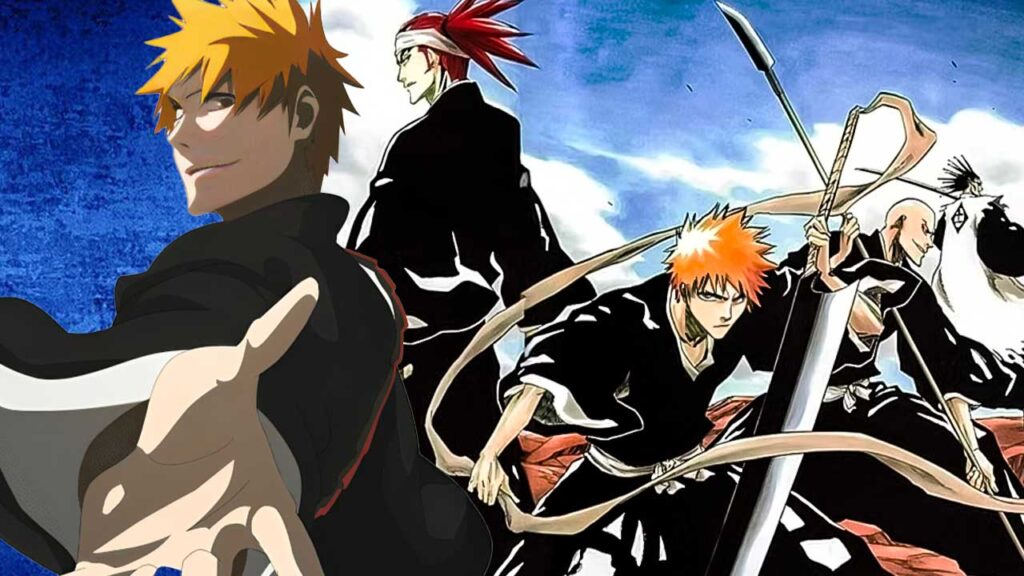
Owing to the sheer length of the series and its global popularity, Bleach is considered to be one of the ‘Big Three’ of Shonen Jump, alongside Naruto and One Piece. Bleach revolves around the story of Kurosaki Ichigo, a substitute Shinigami, who has been able to see ghosts ever since he was a child. The protagonist is surrounded by a horde of side characters, many of whom he must inevitably save due to the standard Shonen trope of “protecting one’s friends.”
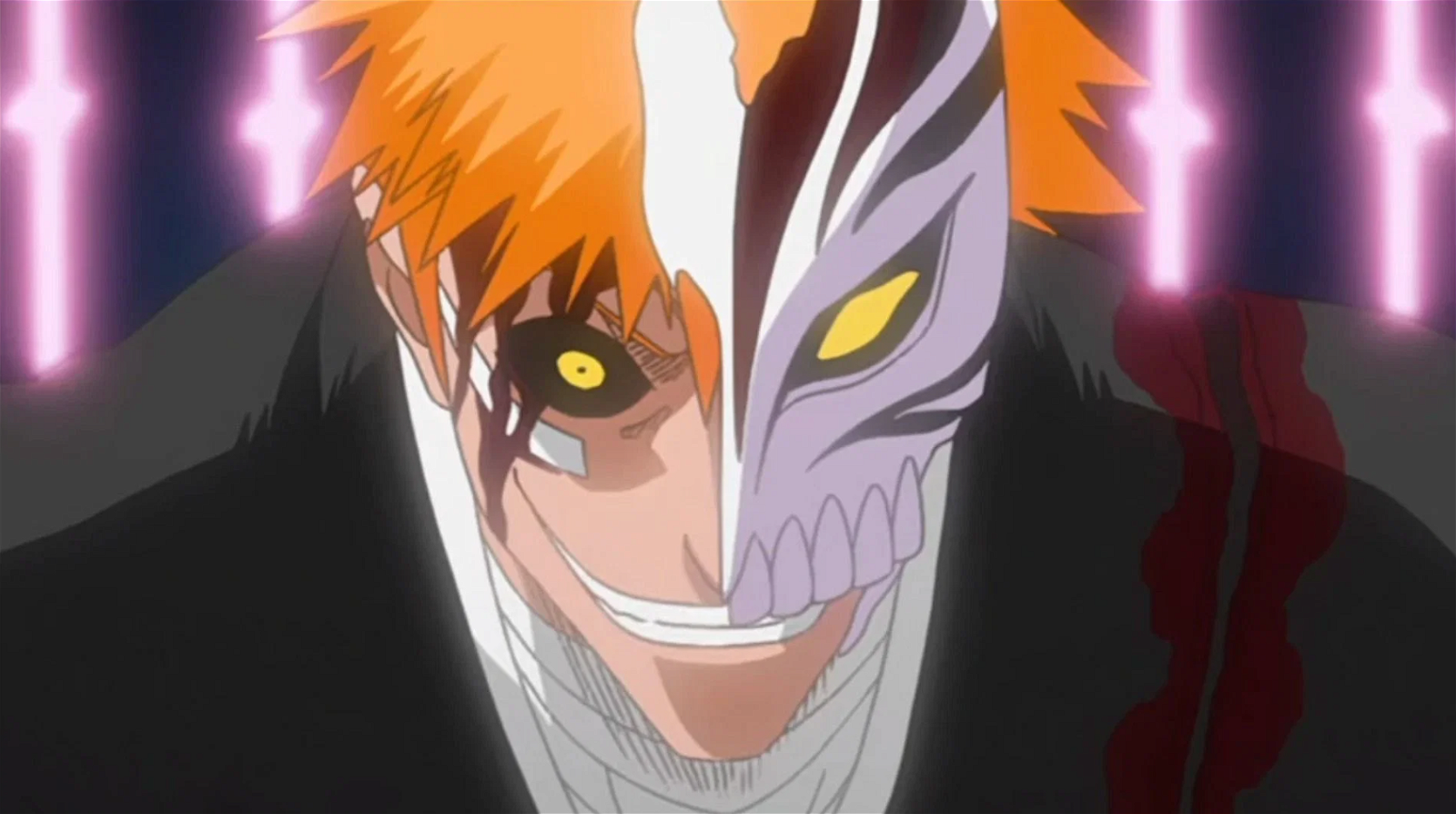
However, Bleach has its ups and downs, even though the overall package is great. However, despite its selling points, Bleach fans can see where the series falls short and are not afraid to confront it. Here are the three worst moments that Bleach fans have still not forgiven Tite Kubo for.
No. 3: Bleach Had The Same Story Arc Twice
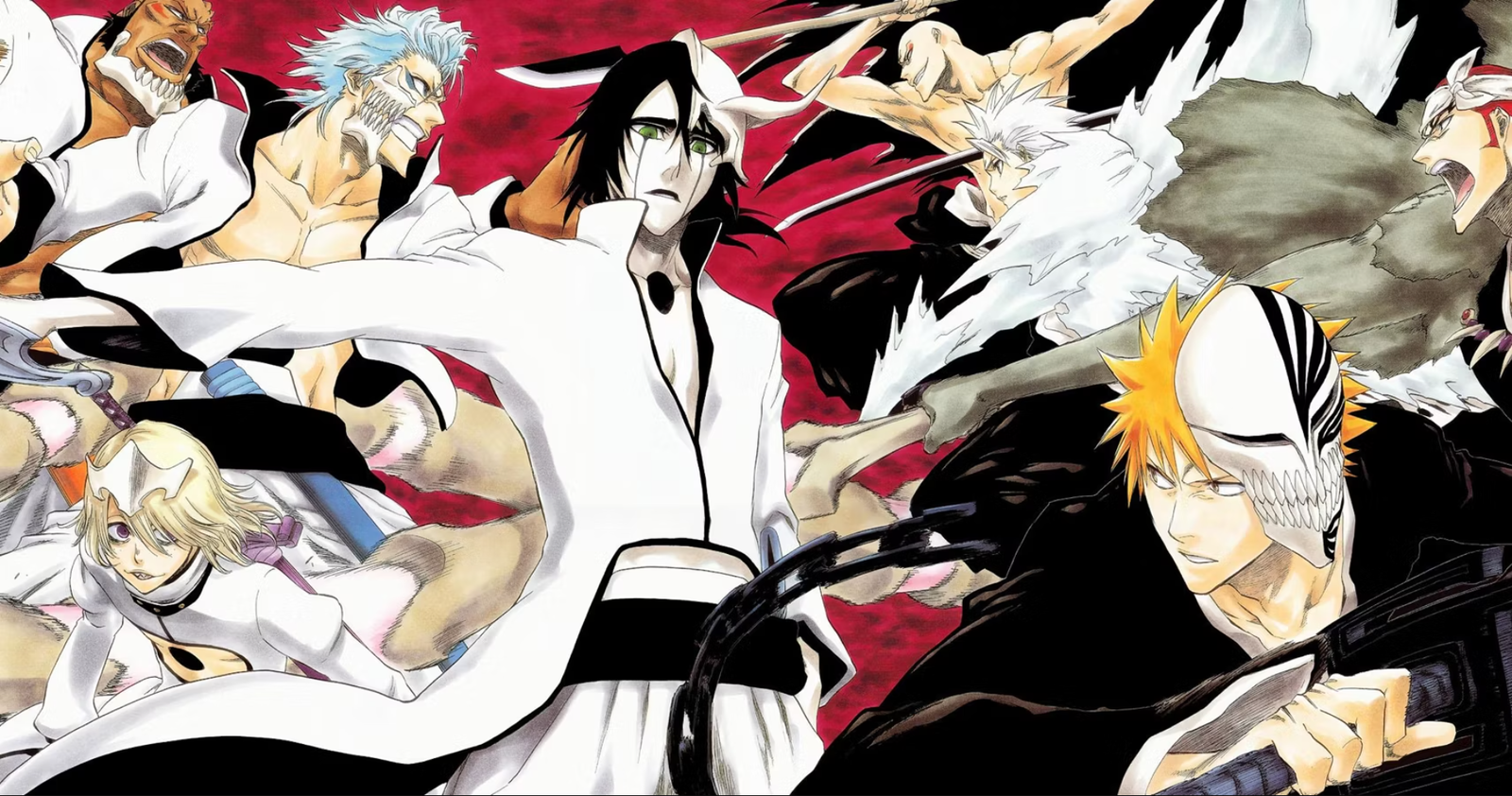
This strange plot device in the anime may not bother some Bleach fans, but it may bother others, and they may not enjoy having it brought up again. the Soul Society story arc seemed new and exciting as Ichigo and his friends attacked the Soul Society to release their trapped buddy Rukia Kuchiki, and then it happened all over again.
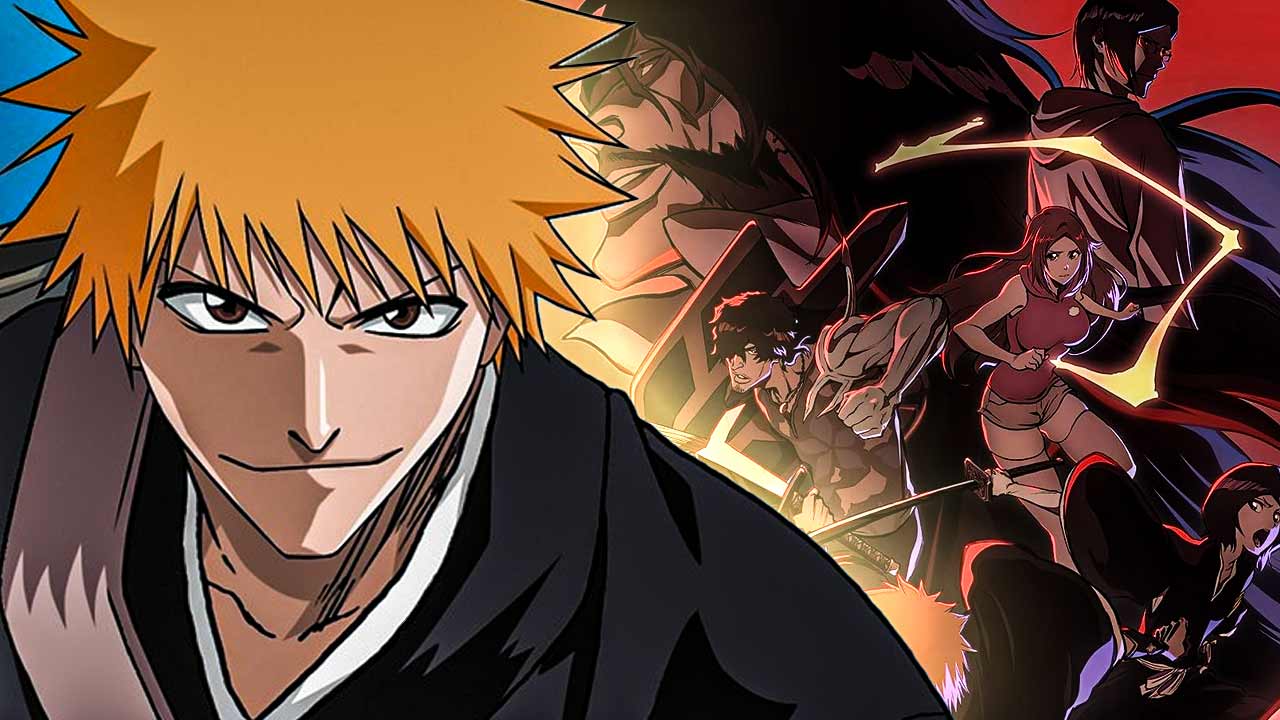
The Hueco Mundo story arc was essentially the same experience, with a few small modifications. Ichigo’s team had to battle an elite group of warriors, and there were elements of a “damsel in distress” plot. If nothing else, there’s hope that the next arc won’t go in that manner.
No. 2: Bleach Had a Terrible LGBT Representation
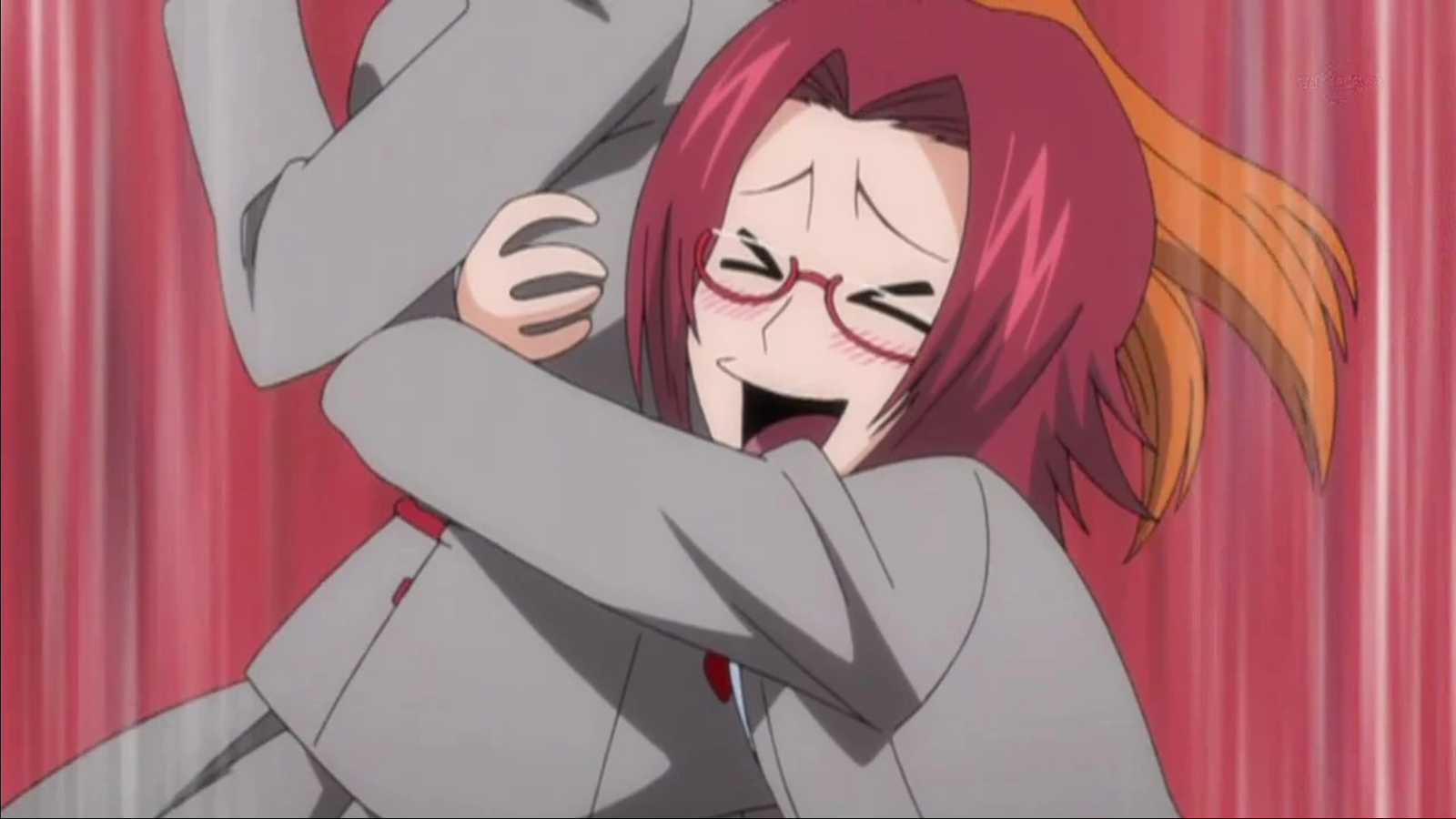
Rewatching Bleach in an era where the LGBT community is celebrated and a lot of tropes associated with the queer community are discarded can be somewhat of a cultural shock. One may be surprised to see instances of poor LGBT representation in Bleach, given that it comes from the 1990s.
Early on, the story included a homosexual girl named Chizuru Honsho, who embodied the “sexually predatory lesbian” stereotype. This was the last thing any anime, let alone a “big three” title, needed. Later on, though, Chizuru improved somewhat as a character, and her predatory side was greatly diminished.
No. 1: Chad And Orihime Often Got Sidelined

While it’s true that many shonen hero squads ultimately have the weakest member, Bleach nonetheless seemed intent on giving Orihime Inoue and Chad that distinction. Of course, Ichigo possesses immense power, but so does his Quincy companion Uryu Ishida, as well as Rukia and Renji.
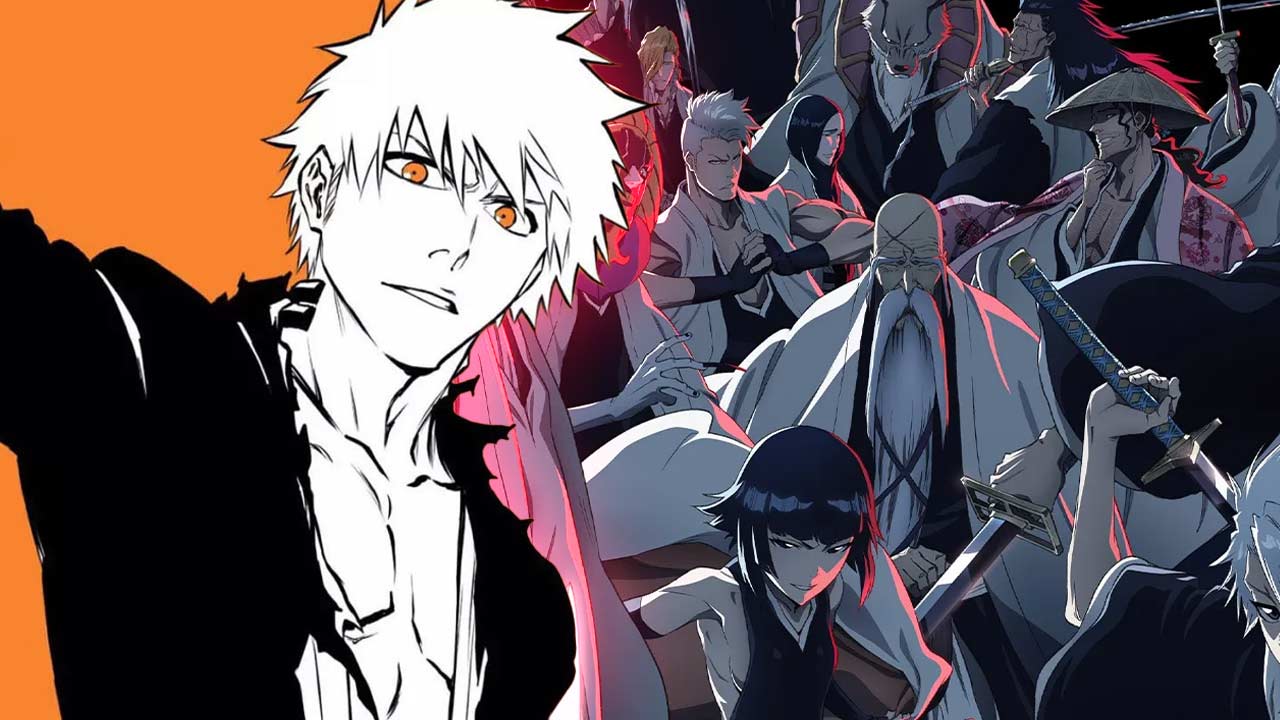
Next comes Orihime, who is frequently referred to as useless—akin to Sakura Haruno in Naruto—which is not a good sign. Despite his cool demeanor, Chad consistently loses fights that are even remotely significant, making him feel unimportant in subsequent storylines. Fans can only hope that this is altered by the next season of Bleach: Thousand-Year Blood War.
You can watch Bleach on Crunchyroll.
Frequently asked questions
What are the three Bleach moments fans criticize Tite Kubo for?
The article lists three recurring complaints. First, repetitive arc structure: the Soul Society and Hueco Mundo arcs follow nearly identical ‘rescue the captive’ setups in which Ichigo’s team battles an elite group of enemies. Second, the early portrayal of Chizuru Honsho, criticized for leaning on the ‘predatory lesbian’ stereotype before being softened later. Third, the sidelining of Orihime Inoue and Yasutora ‘Chad’ Sado, who are written as weaker than teammates like Uryu, Rukia, and Renji. These are framed as fan criticisms, not statements from Kubo.
Why do fans say Orihime and Chad feel sidelined in Bleach?
Both are repeatedly framed as less capable than the rest of Ichigo’s circle. Orihime is often called ‘useless’ by fans (the article compares her to Sakura in Naruto) because her support-and-healing role rarely lets her win fights outright, while Chad tends to lose his significant battles. As stronger allies like Uryu Ishida, Rukia Kuchiki, and Renji Abarai take the spotlight, the two can feel unimportant in later storylines. This reflects fan and reviewer opinion about the writing, not confirmed authorial intent.
Why is Chizuru Honsho cited as poor LGBT representation in Bleach?
The article points to Chizuru, a classmate of Orihime, as an example of the dated ‘sexually predatory lesbian’ stereotype used as comic relief in early Bleach, which it argues was inappropriate for a major shonen title. It notes she improved somewhat as a character later on, but the early depiction is the part fans single out. This is presented as media criticism of the writing rather than an official statement from Tite Kubo.