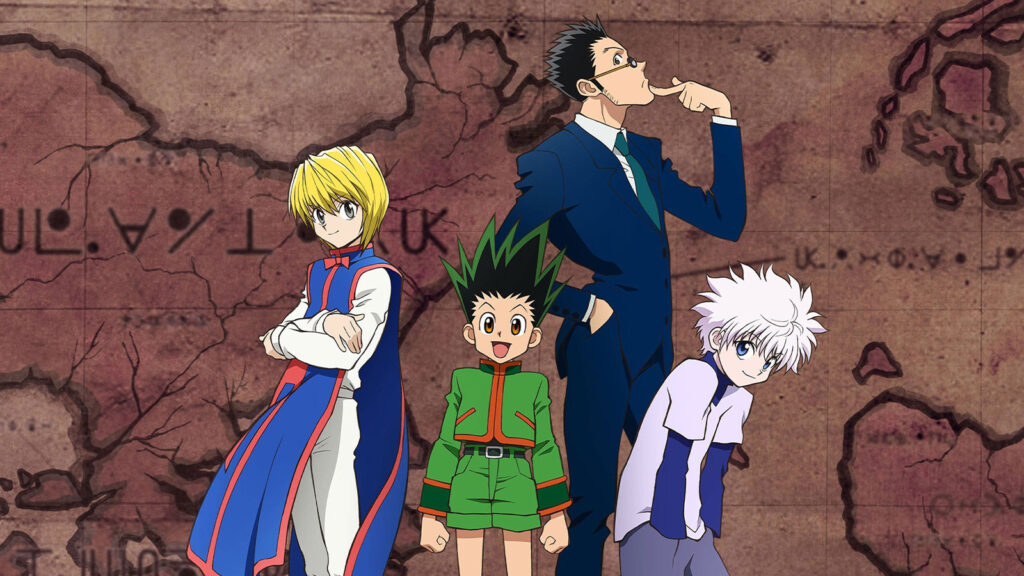
Hunter x Hunter is arguably one of the most recommended anime of all time, but the moment you try to actually start watching it, you run into a huge wall of confusion. The source of confusion is that, first of all, there isn’t a single anime. And then, both of the anime have totally different release structures.
If you Google the watch order for this anime, you will get multiple different answers because it has 2 anime, both separate from each other. So, let’s sort this out. Let’s dive into everything that you need to know about both anime series, including the watch order.
| TITLE | Hunter x Hunter |
| RELEASE DATE | Oct 2, 2011 |
| MAL RATING (as of July 11, 2026) | 9.03 / 10 |
| STUDIO | Madhouse |
| WHERE TO WATCH | Crunchyroll |
Why Does Hunter x Hunter Have Two Different Anime?
-
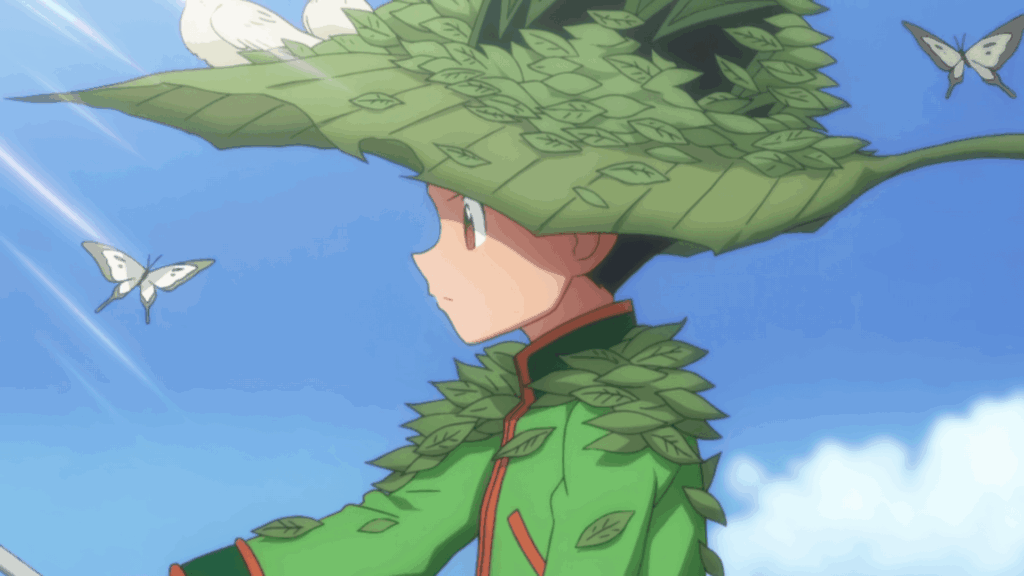
Credit: Madhouse -

Credit: Madhouse -
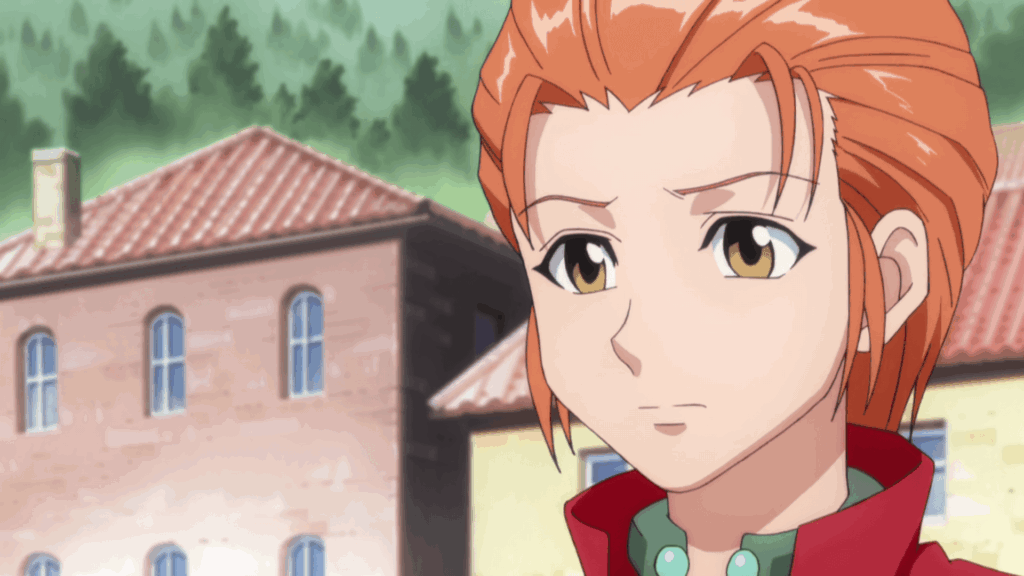
Credit: Madhouse
-
Credit: Madhouse -

Credit: Madhouse -
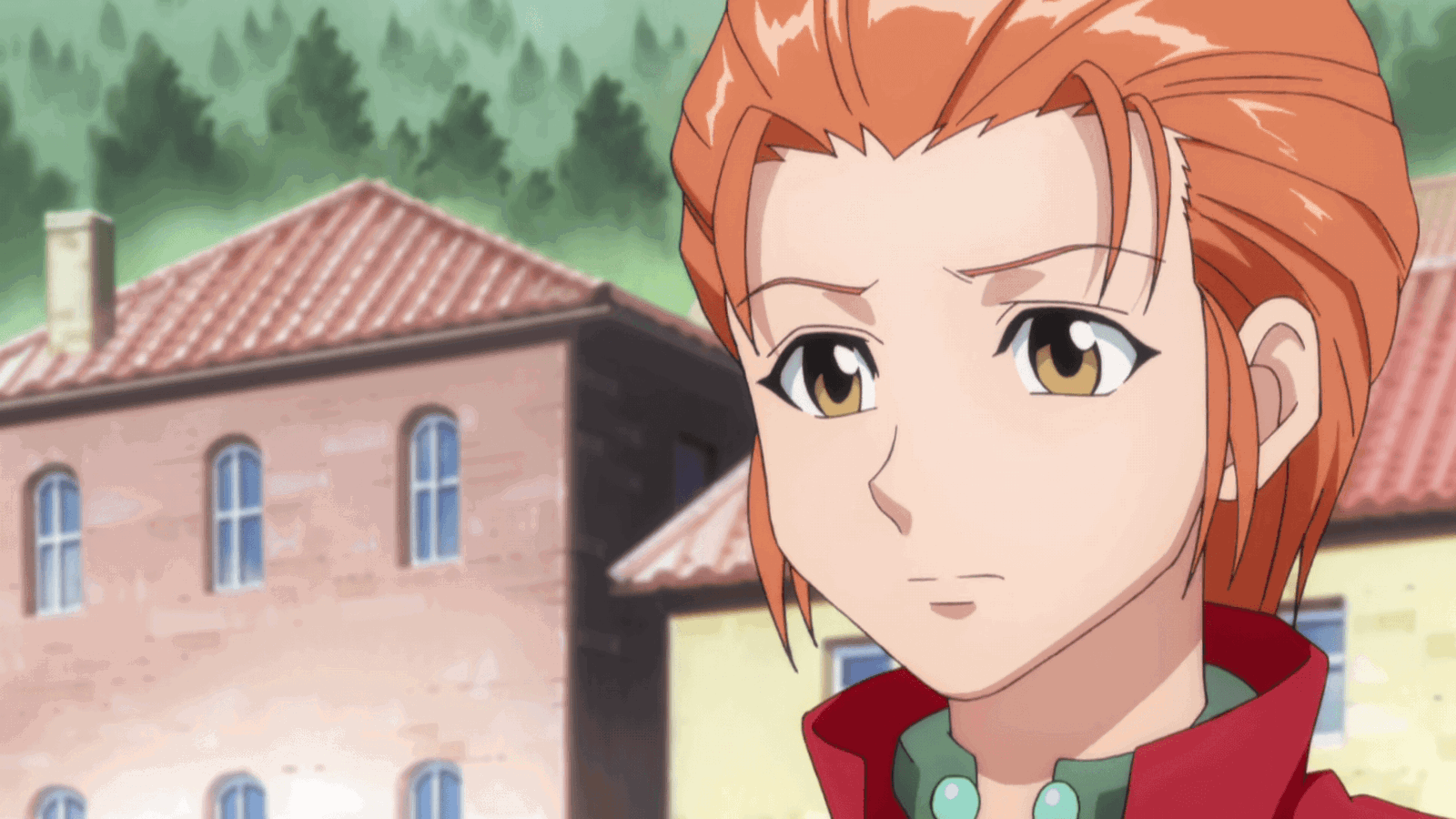
Credit: Madhouse
This is the part that is the most confusing. Hunter x Hunter first got its TV anime in 1999 with 62 total episodes. In this anime, the story from the Hunter Exam to Yorknew City is covered. However, since the manga hadn’t gone much further at the time, the last stretch of the anime is all covered in 36 separate OVA episodes covering the Greed Island arc.
Then, in 2011, Madhouse rebooted the whole thing from episode 1 and made a remake that simply cannot be ignored. This version got a much bigger budget, way better animation, and most importantly, it kept going for much longer. It covers everything the 1999 version did, then continues through the Chimera Ant arc and the Election arc.
What Is the Best Watch Order for Hunter x Hunter?
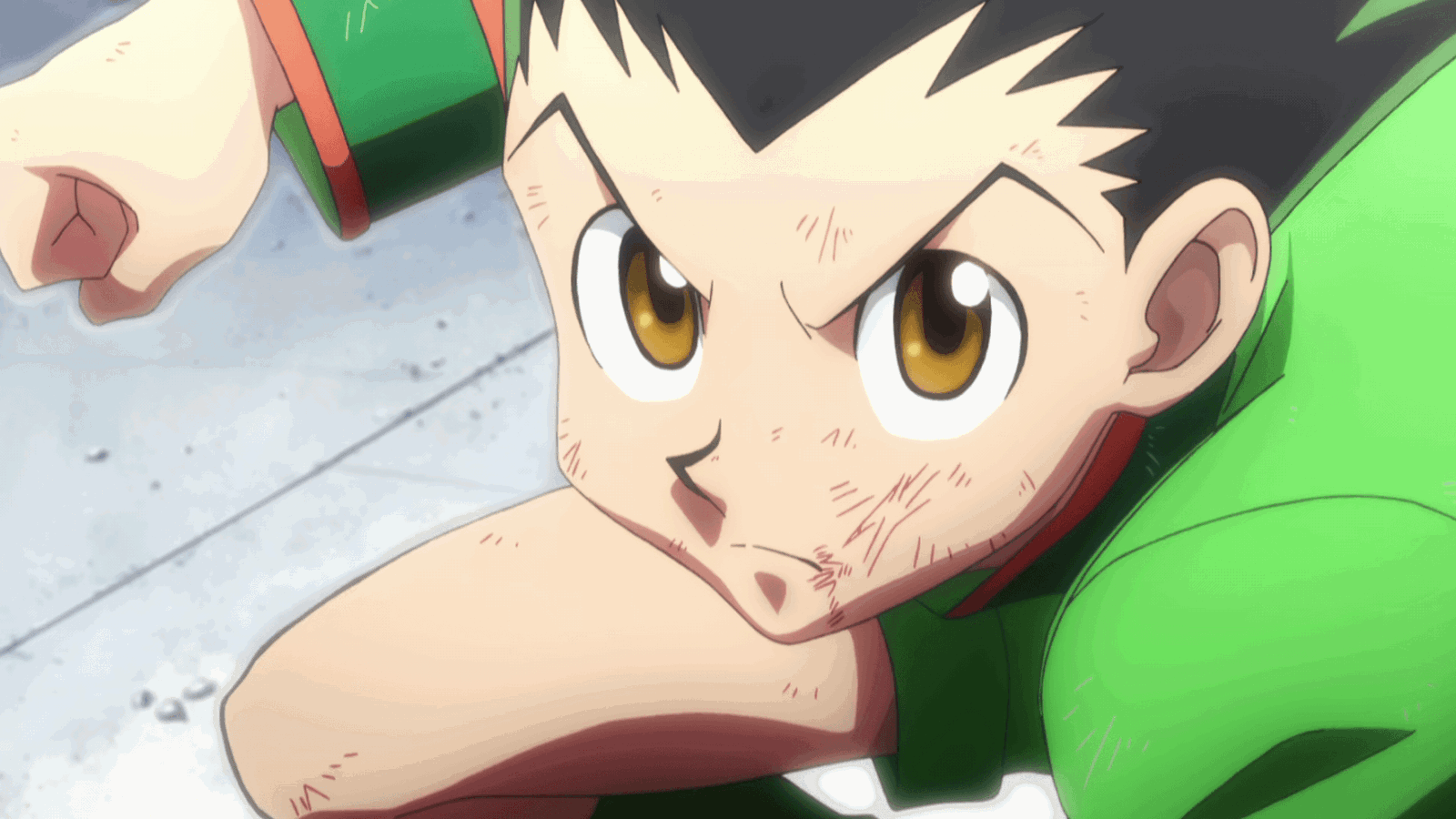
The answer to this question is quite simple: watch the 2011 version from start to finish. That’s it; that’s the whole recommendation for anyone starting fresh. Once you’re done with the entire storyline in the anime, you can then watch the two movies if you want a little extra.
For a standard viewing experience, the 1999 version of the anime is not required to watch at all. If you’re someone who wants to squeeze the movie into the show itself instead of watching it after, we’ve got you covered as well in the section below on where they fit into the timeline.
A Complete Arc-by-Arc Breakdown of Hunter x Hunter (2011)
Let’s take a look at every arc in order. Good for us, in HxH, we do not need to jump between arcs as the anime itself is very linear and doesn’t take many detours. We’ve broken things down by arc instead of just listing episode numbers, since knowing the actual story beats makes it way easier to track your progress and know roughly what’s coming next. Consider this your one-stop cheat sheet for the whole ride.
1. Hunter Exam Arc
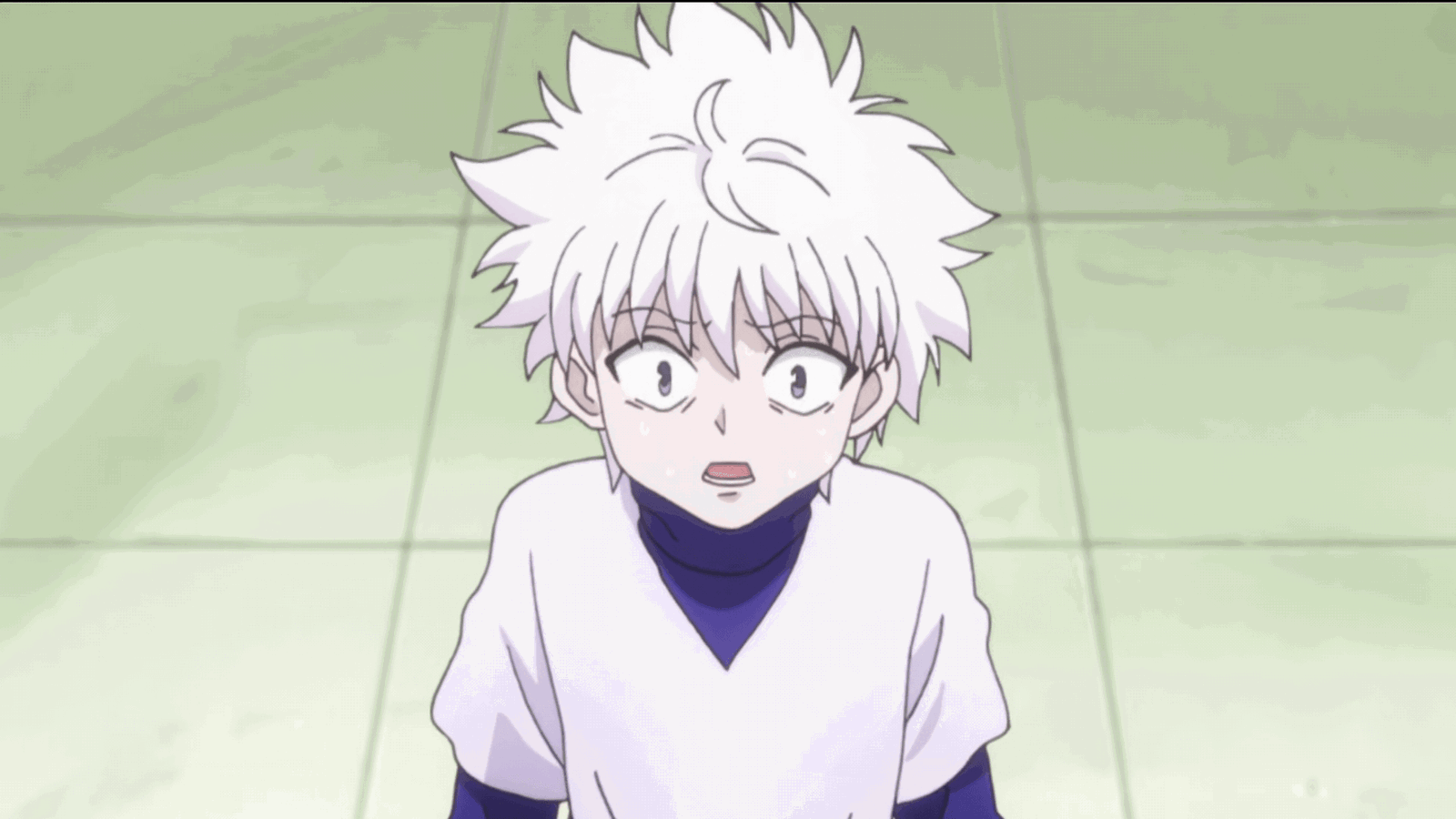
Episodes 1-20. This is where the entire story begins. Gon Freecss has a goal of becoming a Hunter so that he can track down his dad, who is missing. During the exam itself, he meets Killua, Kurapika, and Leorio and joins forces with them for various tests. The start of this anime here is considered quite slow as it doesn’t go deep into the world-building or even character backgrounds yet, but it manages to stay entertaining.
2. Zoldyck Family Arc
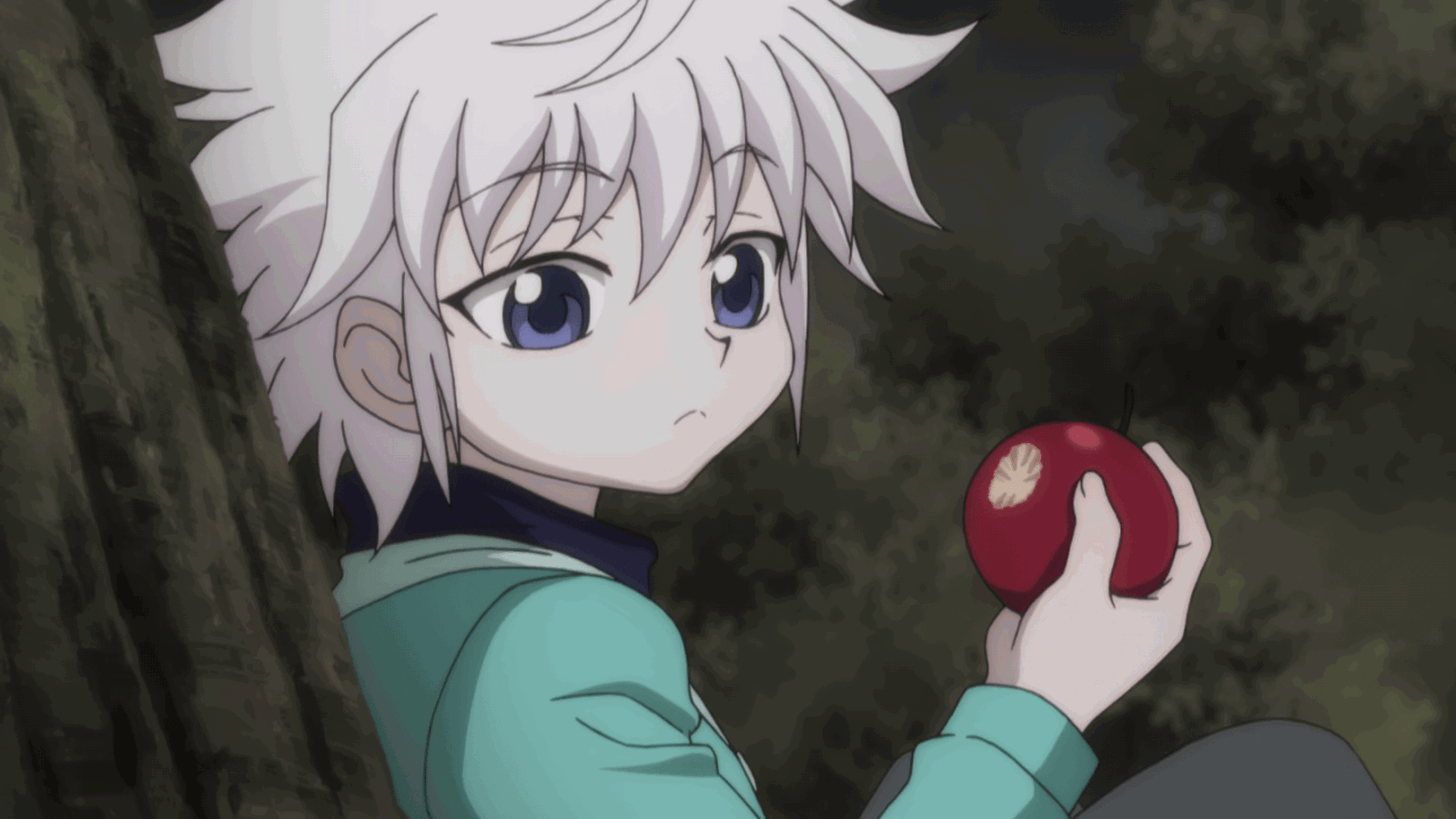
Episodes 21-26. This is a short but important arc. Gon heads to Killua’s home to try to get him to rejoin the group, and we get to see how weird and dark Killua’s family is despite his fun, uncaring nature. This arc is important because it gives enough background for Killua to understand his character later on in the anime.
3. Heavens Arena Arc
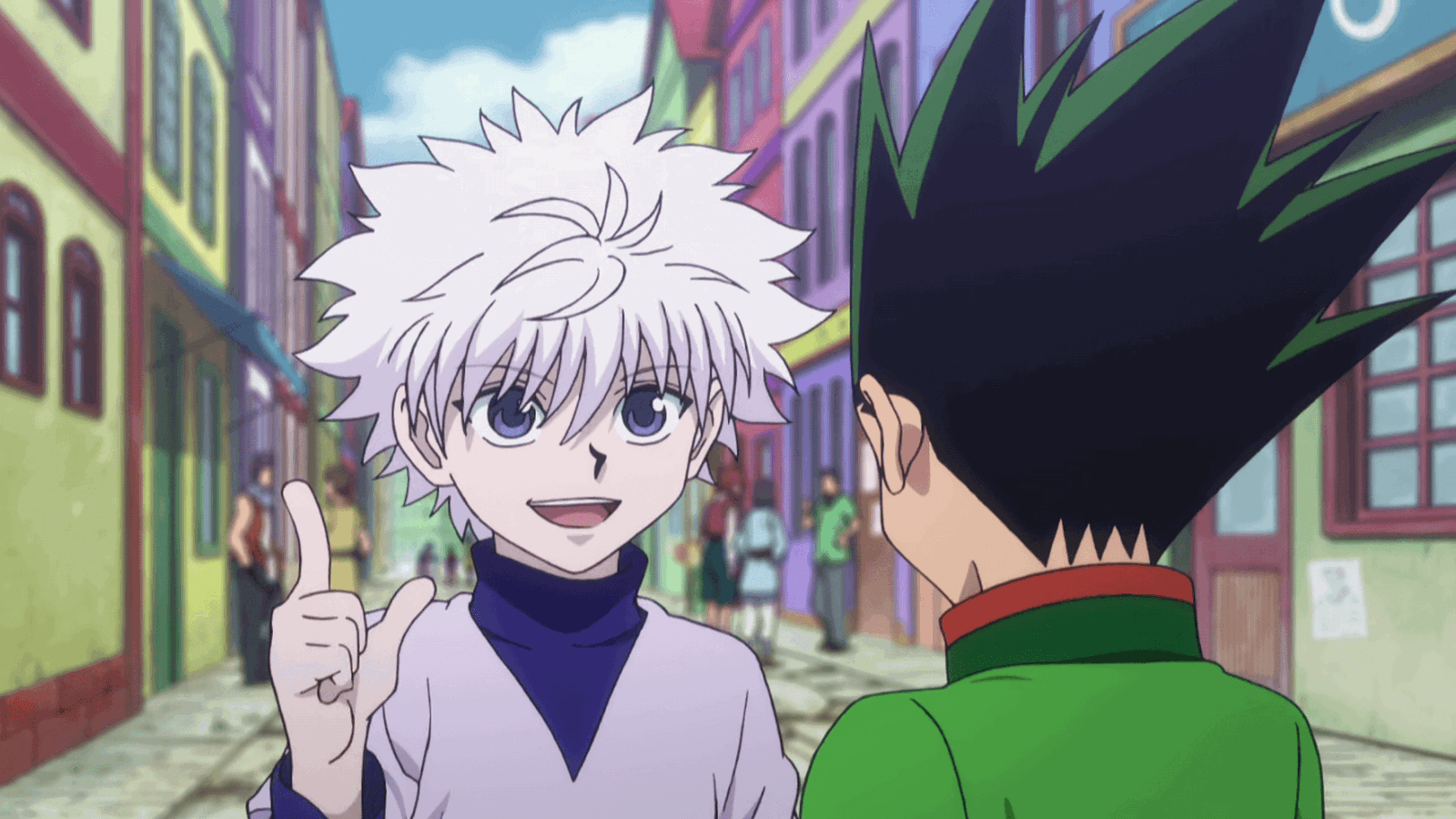
Episodes 27-36. Gon and Killua climb a giant tower to get stronger and earn some cash while they’re at it. This is the arc that finally starts building the amazing world of Hunter x Hunter as it introduces Nen, the primary power system in this anime. Make sure to pay attention in this arc because everything talked about here stays relevant till the end.
4. Yorknew City Arc
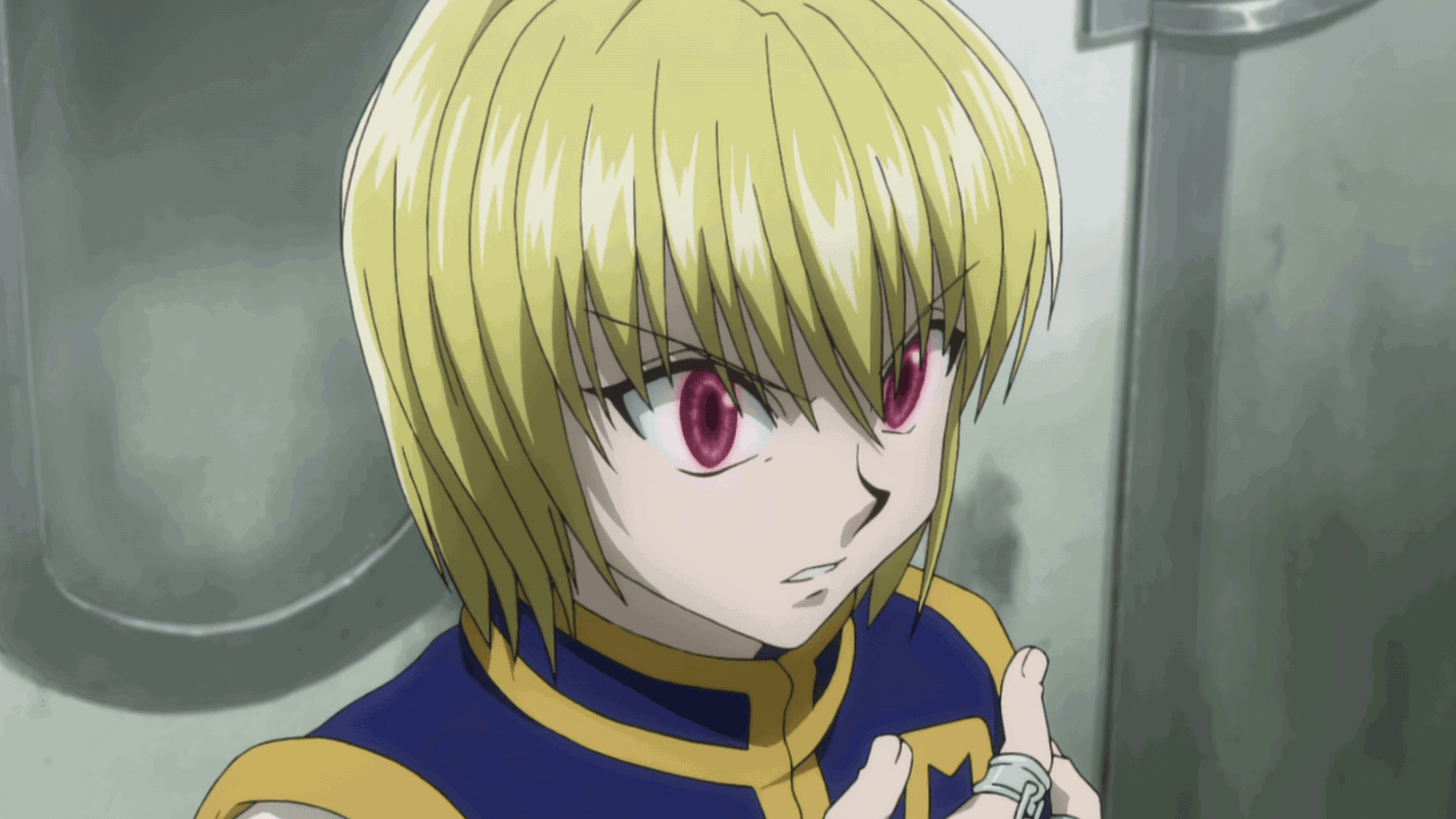
Episodes 37-58. Things get way more serious. Kurapika’s entire backstory and revenge plot against the Phantom Troupe kick into gear; there’s a black market auction, and the stakes go up fast. This is the point where the anime starts getting really good, as it also introduces a ton of antagonists.
5. Greed Island Arc
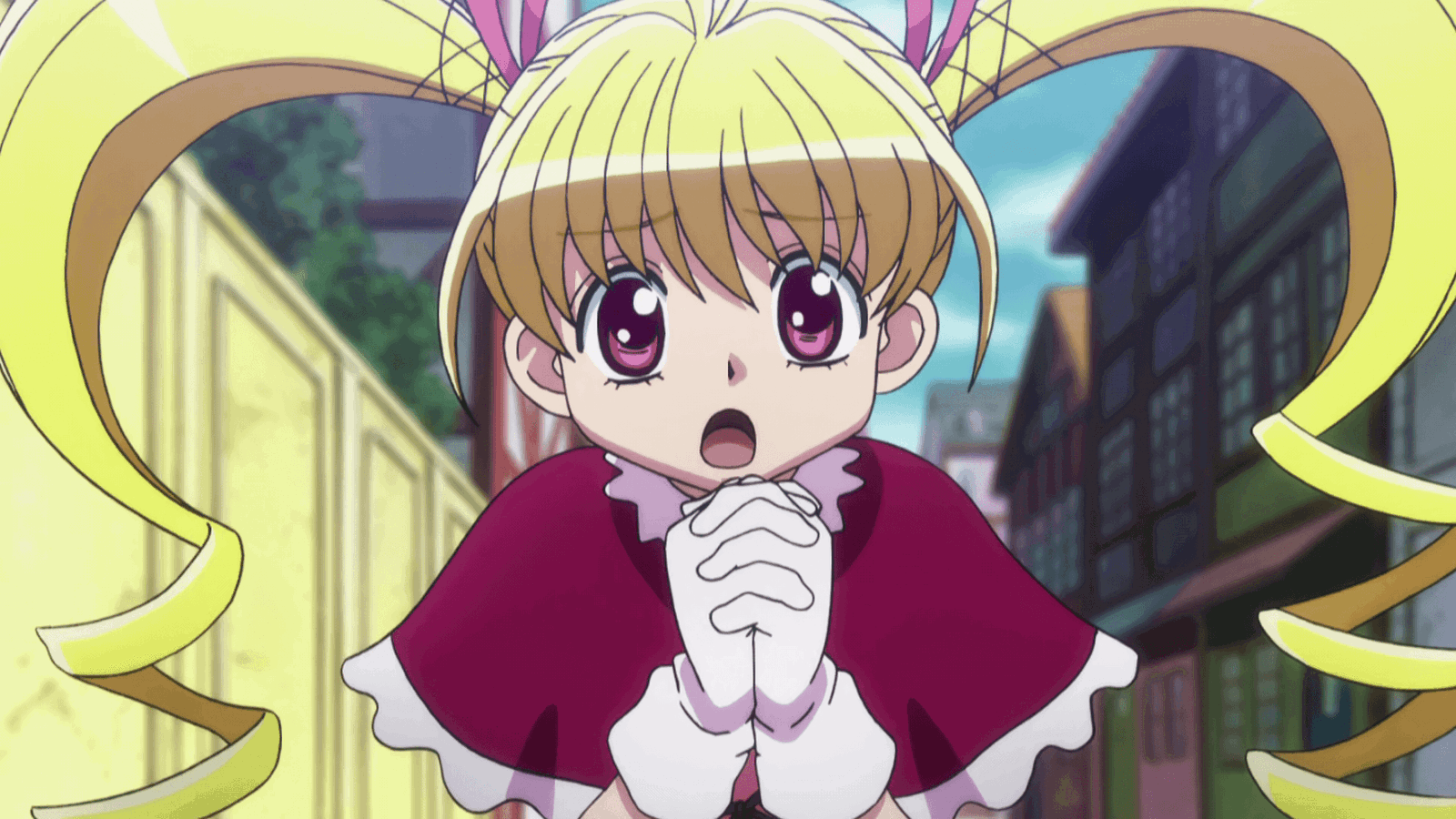
Episodes 59-75. Gon and Killua enter a literal video game to find Ging, Gon’s dad. It sounds goofy when summarized, but it’s packed with clever Nen battles and builds up both characters’ powers a ton before the next arc hits like a truck.
6. Chimera Ant Arc
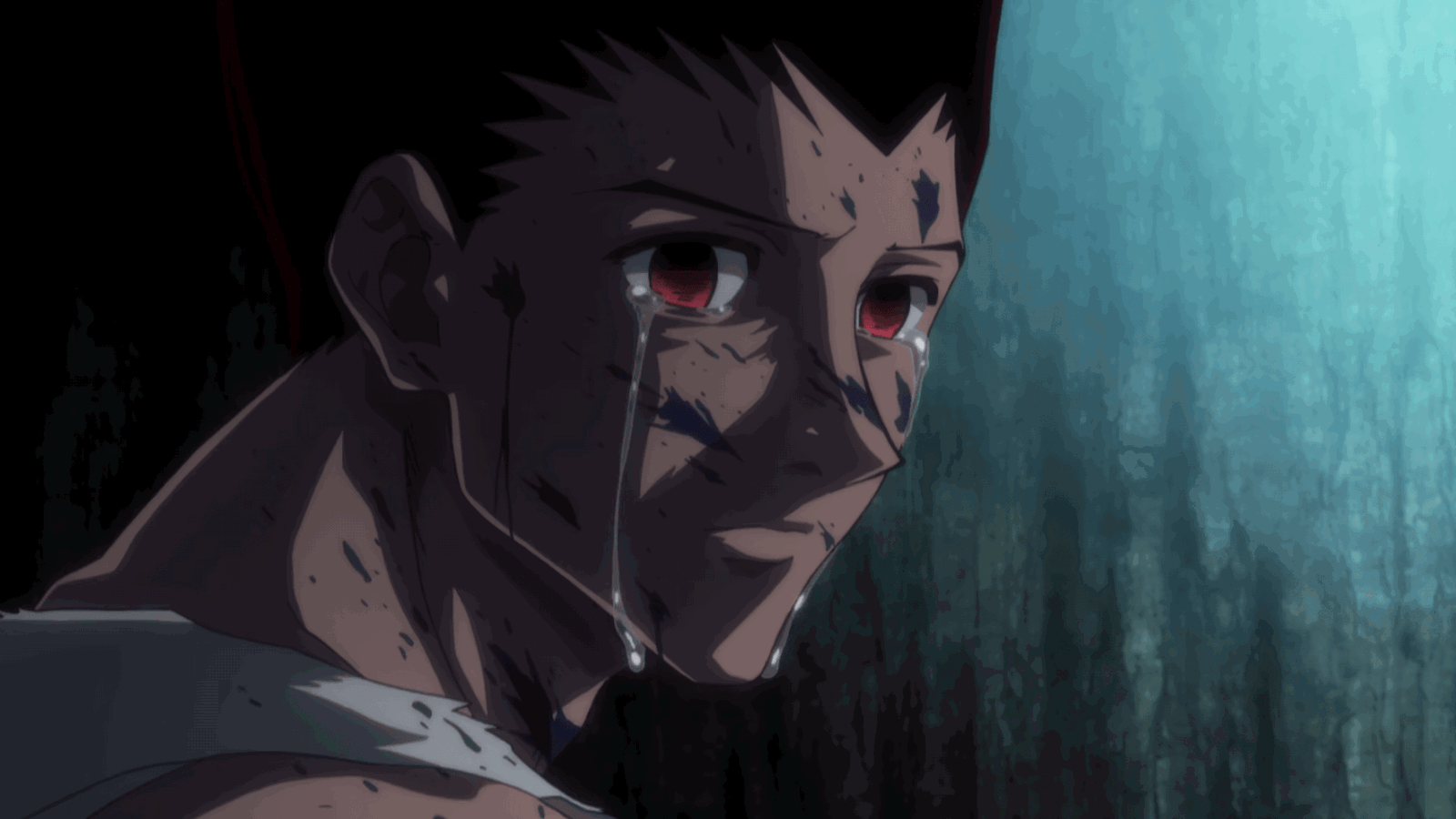
Episodes 76-136. This is the arc people mean when they say Hunter x Hunter is one of the best anime ever made. Monsters that eat humans and gain their abilities start an uprising, and the show turns into something much darker and heavier than what came before. Widely considered the peak of the entire anime, it is still used as a template for many modern anime arcs.
7. 13th Hunter Chairman Election Arc
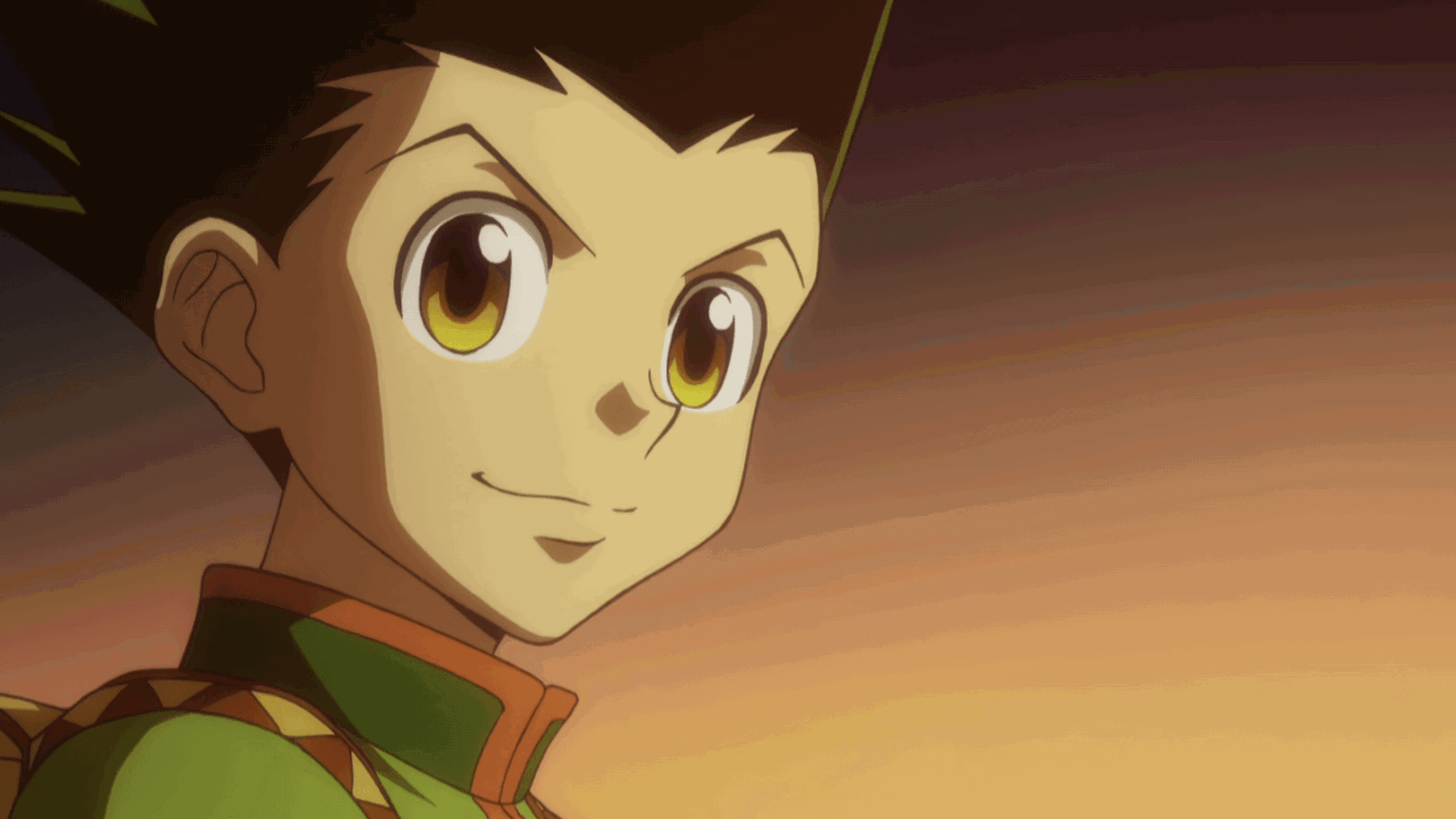
Episodes 137-148. The finale. After everything that happened with the Chimera Ants, the Hunter Association needs a new leader, and this arc is more political and slower-paced, working as a quieter comedown after the intensity before it.
Where Do the Hunter x Hunter Movies Fit in the Timeline?
For this anime, there are two movies that are tied to the remake. However, none of them are canon. Togashi didn’t write them, so nothing that happens in these movies affects what happens in the mainline anime.
Phantom Rouge (2013) is technically set right after the Yorknew City arc, so around episode 58. It focuses on Kurapika and brings back the Phantom Troupe. Fair warning, though: it has a few plot hiccups when placed there, since Gon and Killua’s whereabouts don’t perfectly line up with what happens right after in the show. That is also because the movie isn’t canon to begin with.
The Last Mission (2013) is set after the Greed Island arc, though it works better if you wait until after the Chimera Ant arc, since it leans on you already understanding where the characters are at by that point.
While you can squeeze these movies between the episodes, it is recommended that you watch them after you finish the entire anime due to the inconsistencies mentioned above.
Should You Bother Watching the 1999 Hunter x Hunter Anime?
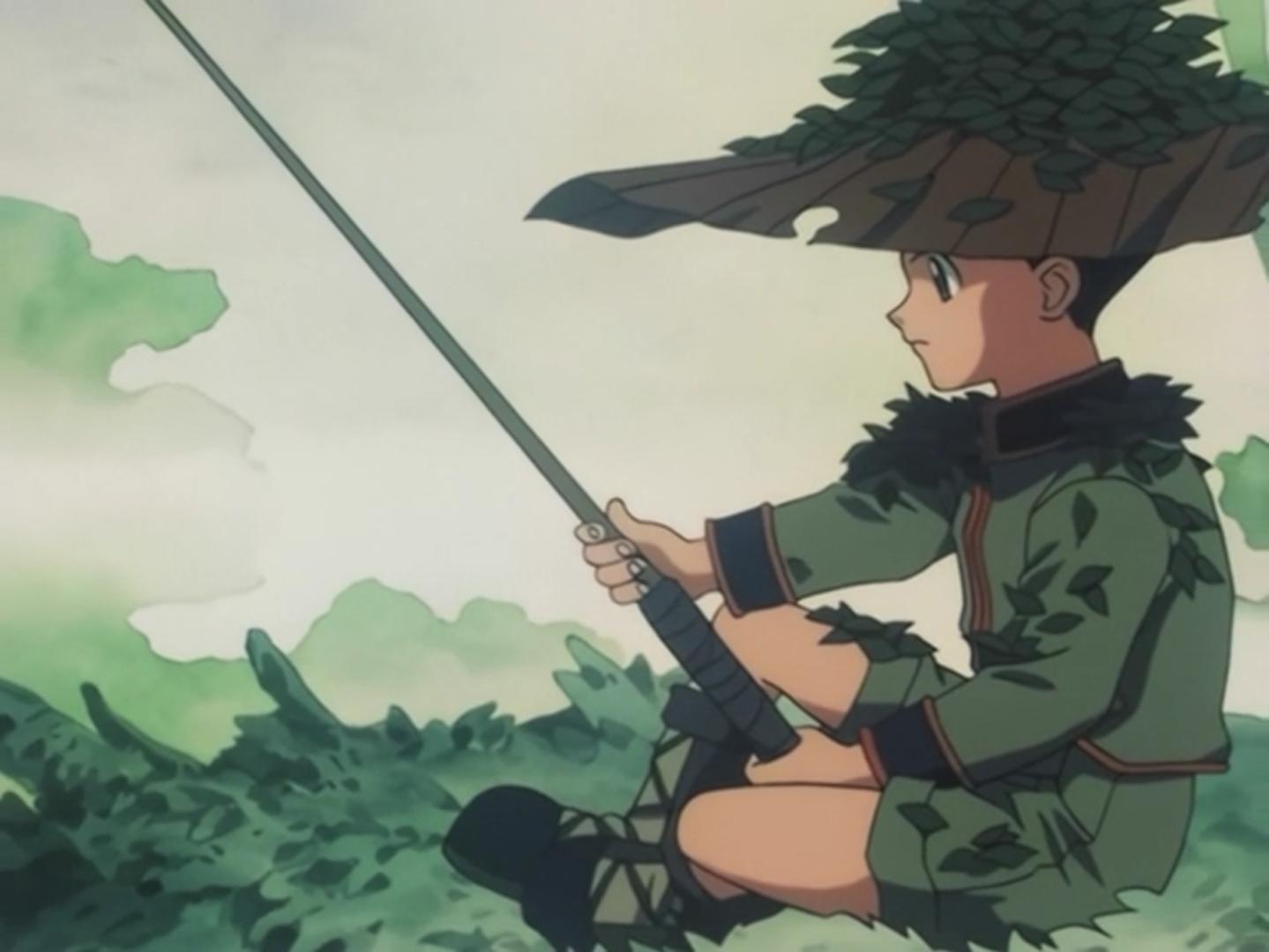
Short answer: not really, unless you’re curious. The 2011 version tells the same story better, with cleaner animation and none of the anime-original ending the 1999 version had to make up on the spot.
The only real reasons to check out the 1999 version are nostalgia, wanting to see how the source material was originally adapted, or just being a completionist about the franchise. It won’t give you anything the 2011 version doesn’t already cover, and it stops well before the story’s best arcs even begin.
If you’re a first-timer, don’t stress about this one. Just watch 2011 and move on with your life.
Fillers and Recaps: What Can You Actually Skip?
Here’s the good news: there are practically no fillers in the entire anime, unless you consider the movies. The 2011 anime is one of the most filler-light long-running shonen anime out there. Unlike shows such as Naruto or Dragon Ball, there’s no big anime-original arc you need a guide to dodge.
A handful of episodes lean into brief recaps before major arc transitions, but nothing substantial enough to justify skipping. You can watch all 148 episodes straight through without worrying about wasted time. The 1999 version has more original content, mostly bunched up in its final stretch since it ran out of manga to adapt, but since you’re skipping that version anyway, it’s a non-issue.
Where to Watch the Complete Hunter x Hunter Franchise
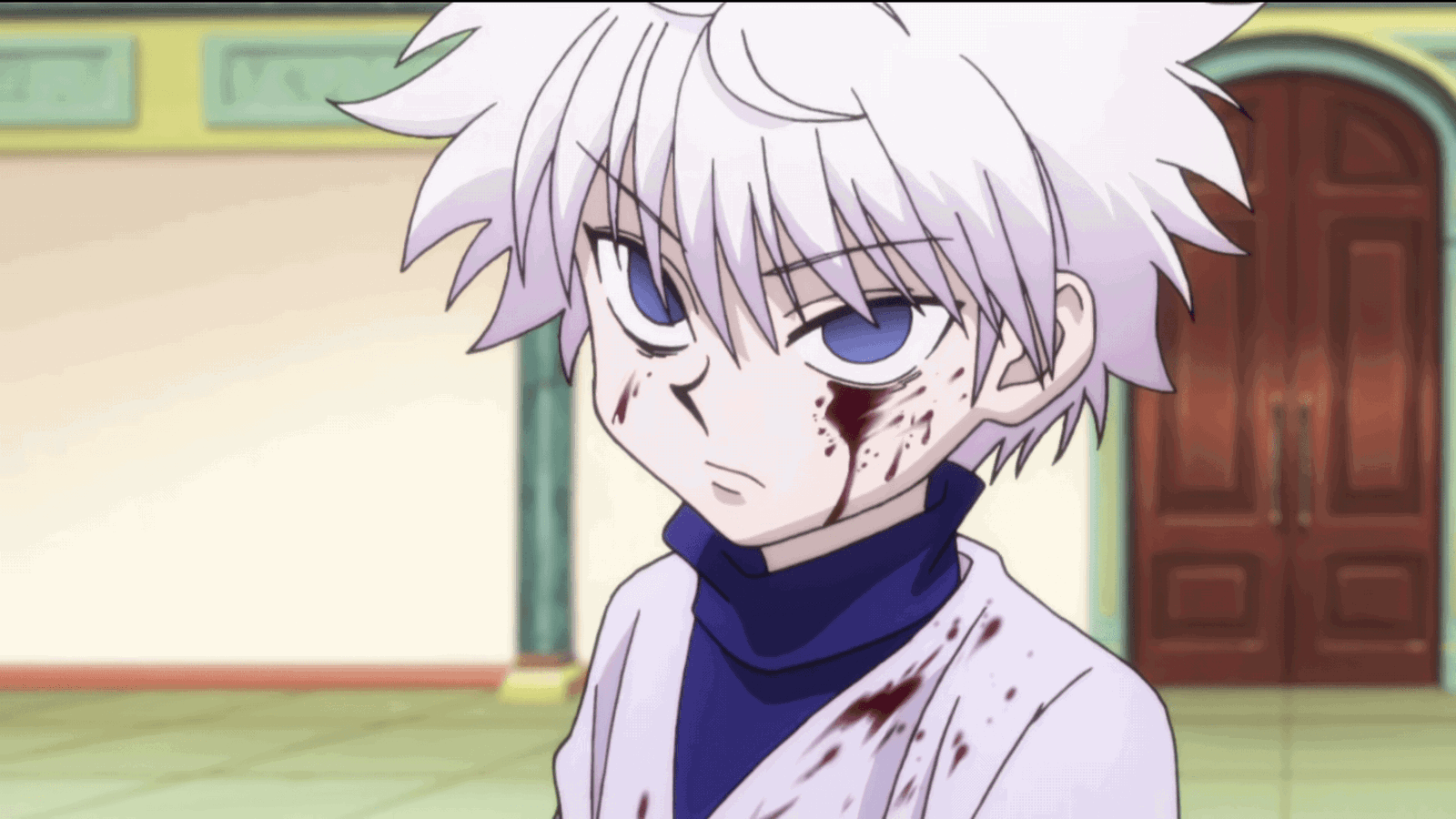
Crunchyroll is your one-stop streaming platform here since it carries the entire franchise, movies included. Netflix also has the 2011 series if you’d rather use a subscription you may already have. That’s really all there is to it. Watch 2011 from episode 1 to 148, save the movies for the end, and skip the 1999 version unless you’re chasing nostalgia.
| TITLE | STREAMING |
| Hunter x Hunter (1999) | Crunchyroll |
| Hunter x Hunter (2011) | Crunchyroll, Netflix |
| Phantom Rouge | Crunchyroll |
| The Last Mission | Crunchyroll |
Are you going to watch the 1999 version, or are you going to stick to the remake? Let us know your choice in the comments.
Hunter x Hunter is currently streaming on Crunchyroll.