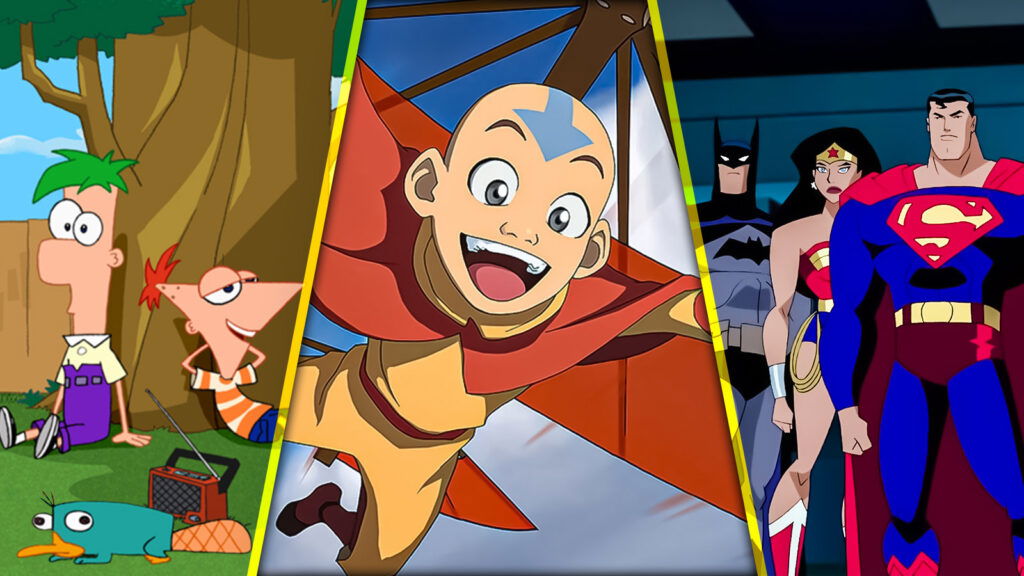
The 2000s were the Golden Era and gave some of the best animated shows, with networks like Nickelodeon, Cartoon Network, and more broadcasting some of their most creative series. From sci-fi to fantasy to espionage, networks truly experimented with the format and gave a generation a memorable childhood, while also exploring some truly mature themes.
The following list ranks some of the best animated shows of the era. Each show is ranked based on narrative ambition and serialized stories instead of episodic, writing quality, cultural impact, and longevity. We will only be taking shows that were released between 2000 and 2009. Here are the best animated shows of the 2000s era, ranked.
10. Foster’s Home for Imaginary Friends Puts Concept and Themes Above a Full-Fledged Story
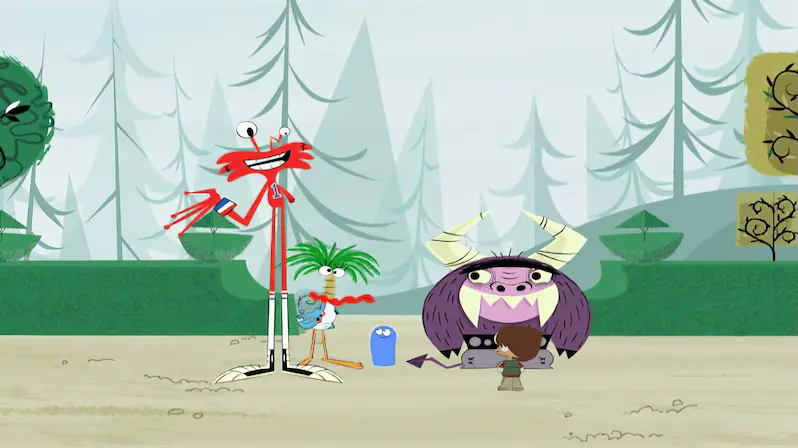
Craig McCracken created two bangers for Cartoon Network: The Powerpuff Girls and Foster’s Home for Imaginary Friends. The latter sees Mac, a boy told he must ‘adopt’ or abandon his imaginary friend Bloo, leading Bloo to move into Foster’s, a mansion-turned-shelter for imaginary friends run by the eccentric Madame Foster.
For six seasons, the show explored Bloo’s adventures with other residents of the Foster home. It balanced sweet and melancholic stories about growing up and letting go, making it a foundational series for children going through similar things. It ranks last because despite its beautiful design and premise, it has an episodic structure and has less rewatchability.
Where to Watch (U.S.A) – Tubi
9. Ben 10 is a Pop Culture Staple but Narratively Too Episodic
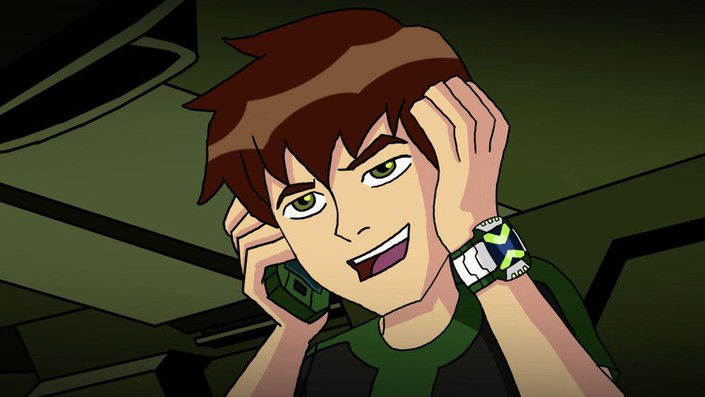
Created by the writing collective Man of Action for Cartoon Network Studios, this series follows ten-year-old Ben Tennyson, who discovers the Omnitrix, a mysterious alien wristwatch device that lets him transform into ten different alien heroes, while on a summer road trip with his cousin Gwen and grandfather Max.
What began as a fairly simple monster-of-the-week formula grew into a genuine merchandising and ratings juggernaut, earning an Emmy for Outstanding Individual Achievement in Animation. It ranks ninth because its simpler kid-adventure format and lighter emotional stakes keep it below the more narratively ambitious shows on this list.
Where to Watch (U.S.A) – YouTube TV
8. The Boondocks Should Have Achieved a Classic Status by Now
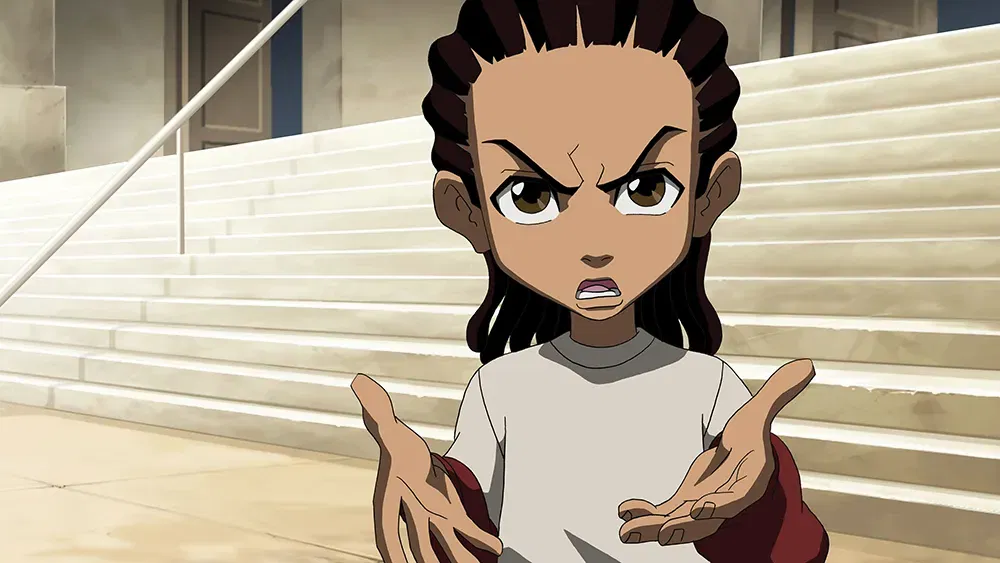
Aaron McGruder’s anime-inspired coming-of-age story is set in Chicago, where brothers Huey and Riley move to the city’s affluent Woodcrest area and face culture shock. The series explored questions of race, culture, and politics in a suburban setting, also sparking controversy. However, it is largely regarded as a great representation of the Black community in animation.
Where to Watch (U.S.A) – HBO Max
7. Teen Titans Was a Surprise Hit Among Fans
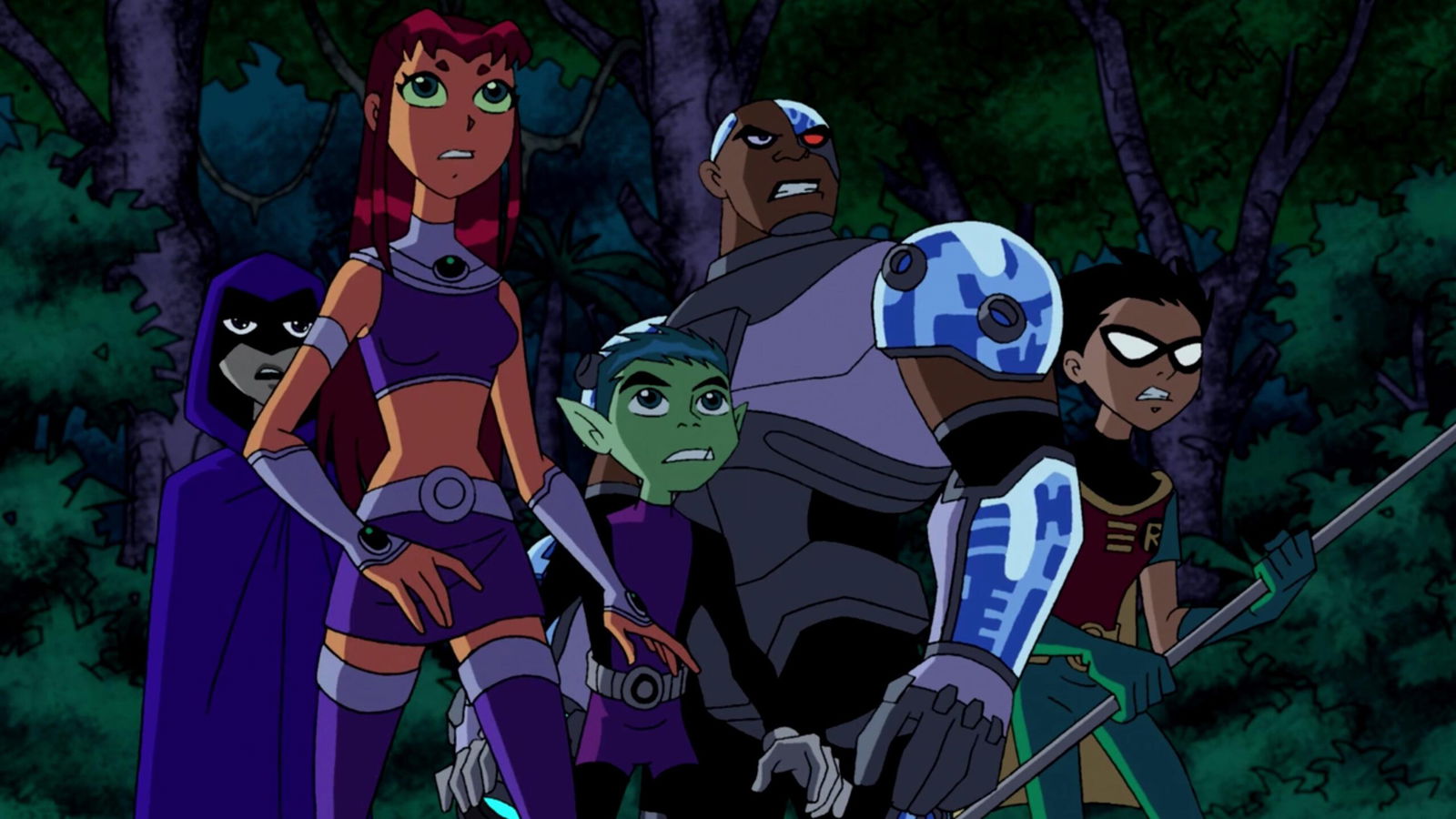
This Warner Bros. Animation series follows Robin, Starfire, Raven, Beast Boy, and Cyborg, a young superhero team based loosely on Marv Wolfman and George Pérez’s comics, defending Jump City while navigating typical teenage anxieties. Its anime-inflected visual style was unusual for a DC property at the time.
Its four seasons balanced comedic, standalone episodes with genuinely dark serialized arcs. It ranks seventh because, while beloved and tonally daring for its target demographic, its comedic filler episodes and younger-skewing humor keep it a notch below the more consistently mature entries on this list.
Where to Watch (U.S.A) – Amazon Prime Video
6. Justice League Unlimited Was DC’s Most Ambitious Lineup At The Time
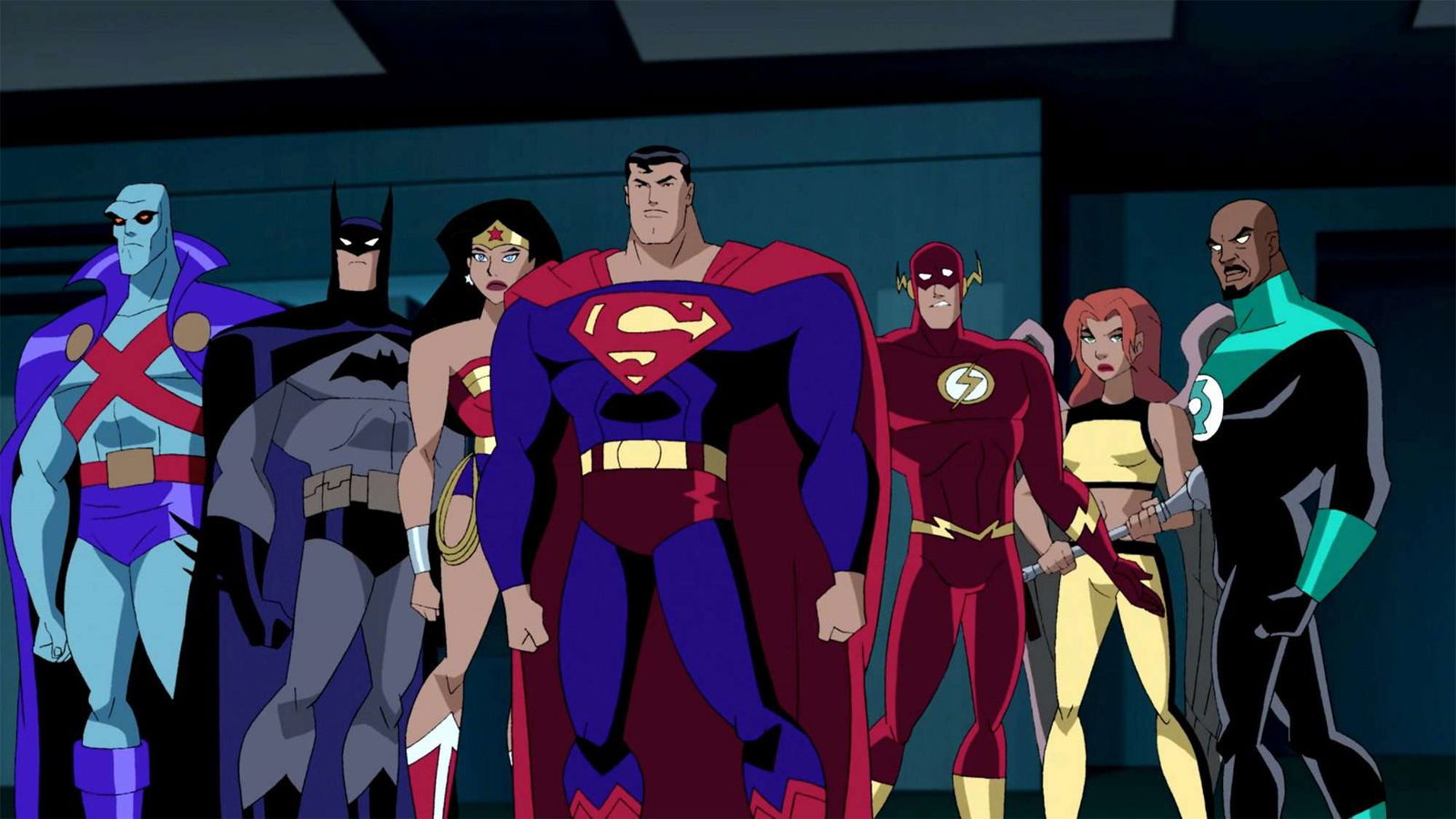
The direct sequel to Bruce Timm and Paul Dini’s Justice League, Unlimited brought in an expanded roster of DC heroes and villains, raising the ambition for the franchise at the time. Not only were classic heroes like Superman, Batman, and Wonder Woman at the center, but others like Hawkgirl and Booster Gold also had moments to shine.
It ranks sixth because its greatest achievement was closing out a nearly fifteen-year-old universe rather than building something new, which slightly caps its standalone originality relative to the shows above it.
Where to Watch (U.S.A) – HBO Max
5. Kim Possible Was New for the Disney Channel with Its Serialized Story
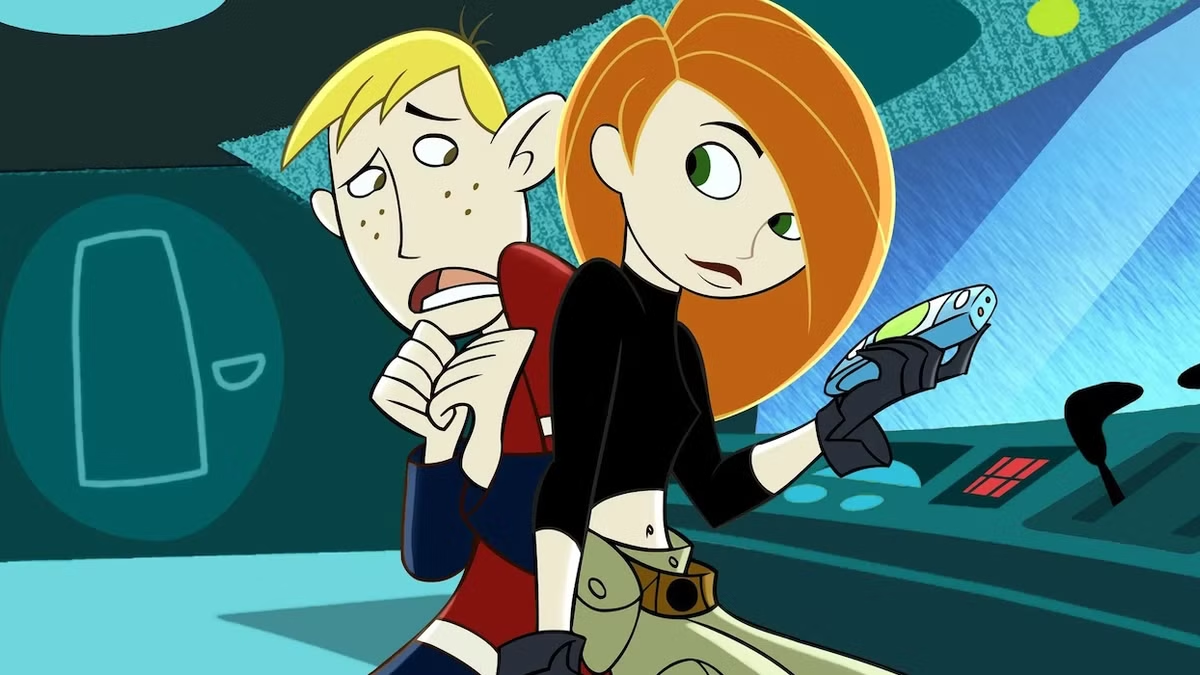
The Disney Channel series Kim Possible follows Kim, a high school cheerleader who moonlights as a globe-trotting secret agent without bothering to hide her identity, alongside her hapless best friend and eventual boyfriend Ron Stoppable, his pet naked mole rat Rufus, and tech-support genius Wade.
A rarity for the Disney batch of shows, Kim Possible blended a serialized story with gadget-based adventures in espionage. Ron and Kim’s slow-burn romance is the highlight of the series. It ranks fifth because of its consistent tone, quotable catchphrases, and willingness to let its characters actually grow up.
Where to Watch (U.S.A) – Disney+
4. The Fairly OddParents‘s Fantastical Setting Was a Play on Fairy Tale Tropes
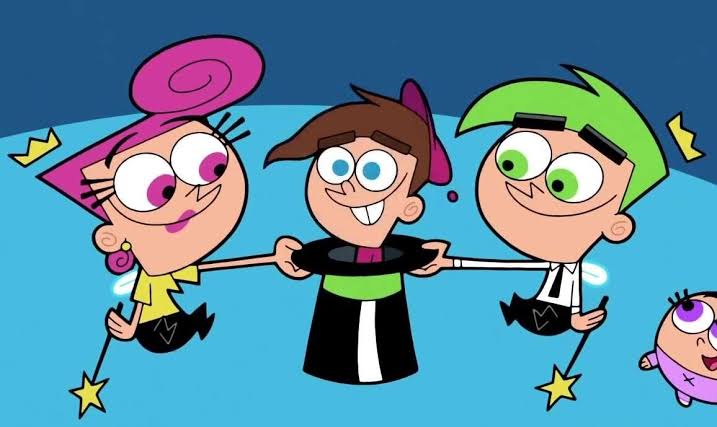
This series follows ten-year-old Timmy Turner, a chronically mistreated kid assigned two fairy godparents, the goofy Cosmo and sharp-witted Wanda, who grant his wishes and almost always teach him a hard lesson when those wishes backfire spectacularly.
Its fast, pun-heavy, wish-gone-wrong structure became one of the most imitated formats in kids’ animation. It ranks fourth because of how tightly it balanced genuine heart about childhood powerlessness with anarchic, endlessly inventive comedy.
Where to Watch (U.S.A) – Paramount+
3. Phineas and Ferb Was Whacky, Creative, and Heavily Musical
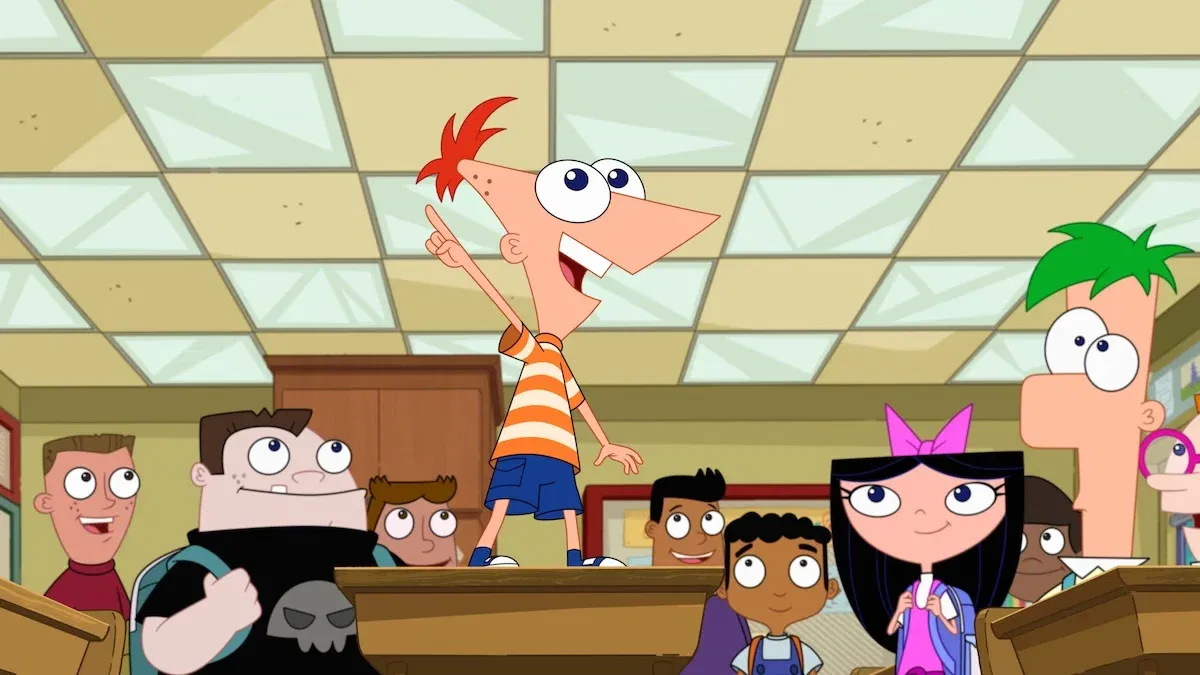
Phineas and Ferb made Summer feel endless, with the two brothers coming up with many ways to spend the 104 days of vacation. It is a wildly simple yet hilarious premise, with two step-brothers coming up with creative and wild ways to spend their holidays, while their pet platypus moonlights as a spy.
It ranks third because it is the rare show that started fresh in the 2000s and immediately achieved near-universal critical and audience acclaim, combining genuinely clever plotting with a musical-comedy sensibility that has aged remarkably well.
Where to Watch (U.S.A) – Disney+
2. Samurai Jack Blended Serialized Storytelling with Breathtaking Visuals
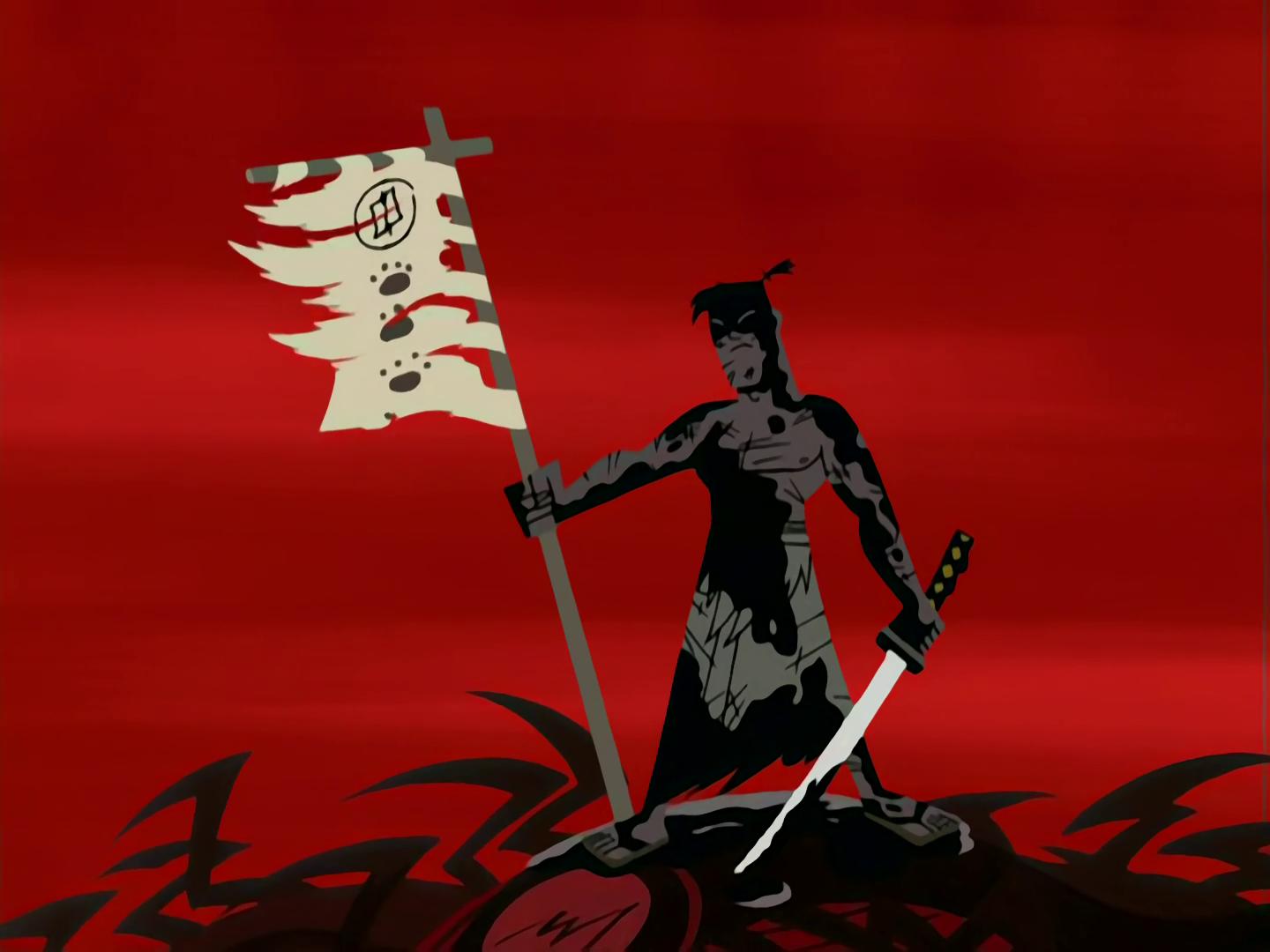
Genndy Tartakovsky’s action-adventure series follows an unnamed Samurai, thrown years into the future after a demonic Aku captures his kingdom. As Jack races back to his time, fighting loads of obstacles sent by Aku to stop him. It is an incredibly dramatic premise, and the visuals are some of the most inventive of the decade.
Four seasons aired between 2001 and 2004, while a revival aired in 2017. It ranks second because its artistic ambition and visual storytelling were arguably unmatched in American television animation of the decade, losing the top spot only for leaving its central story unresolved when the original run ended.
Where to Watch (U.S.A) – Adult Swim
1. Avatar: The Last Airbender Remains the Most Culturally Impactful and Relevant Series
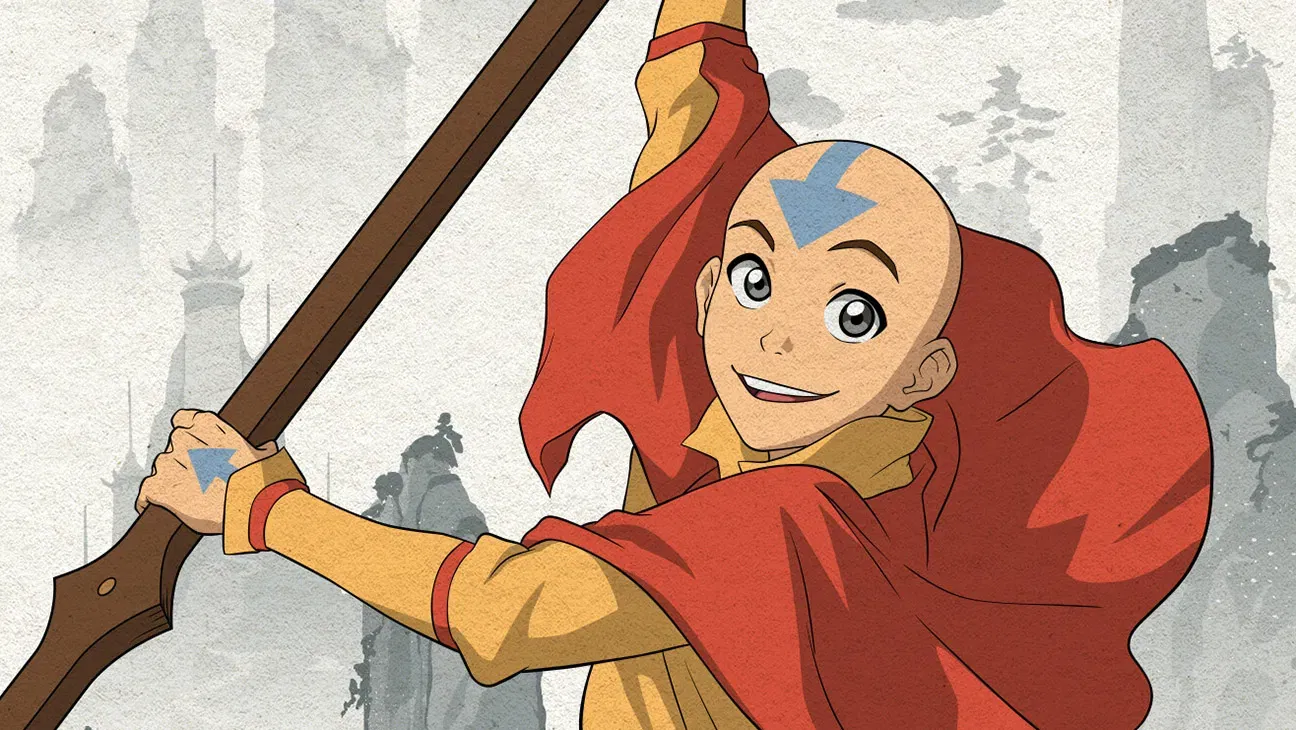
The cultural impact Avatar: The Last Airbender has is unmatched by any show on the list. The anime-influenced series follows Aang, the last airbender and an Avatar who is brought back to life after being frozen for 100 years, and has to stop the Fire Nation’s brutal crusade against the rest of the world.
Mixing fantasy with adventure, Avatar made a generation of children identify with element-bending, while also giving strong commentary on war and its effects on the world, even during peacetime. The show ranks first because of its serialized story, narrative ambition, incredible visuals, and its cultural impact, which sees its live-action adaptation and spinoff series being released even today.
Where to Watch (U.S.A) – Netflix
| Rank | 2000s Animated Show | Rotten Tomatoes – Tomatometer | Popcornmeter (as of August 4, 2026) |
| 1 | Avatar: The Last Airbender | 100% | 98% |
| 2 | Samurai Jack | 93% | 95% |
| 3 | Phineas and Ferb | 100% | 90% |
| 4 | The Fairly OddParents | 78% |
| 5 | Kim Possible | 83% |
| 6 | Justice League Unlimited | – |
| 7 | Teen Titans | 92% | 92% |
| 8 | The Boondocks | 48% | 81% |
| 9 | Ben 10 | 92% |
| 10 | Foster’s Home for Imaginary Friends | 96% |
Which 2000s-era animated show is your favorite? Comment below.