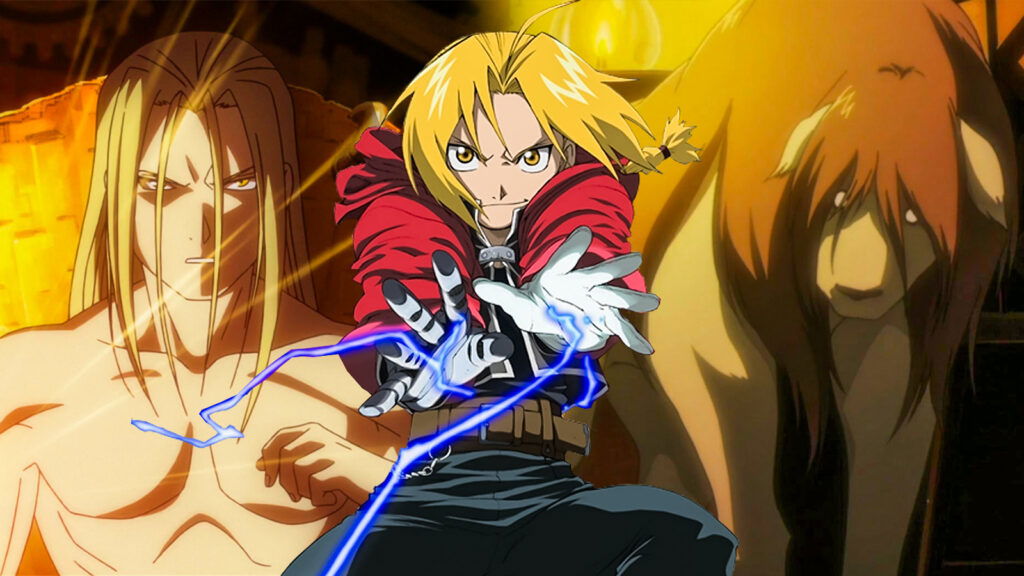
Fullmetal Alchemist: Brotherhood is one of those unique anime that nailed everything at once: the story was amazing, every main character was given enough time to grow, and the world-building full of alchemy and a 1900s feel was simply amazing. However, while it all may look amazingly simple on the surface, it had a surprising amount of depth in its power system.
It turns out that alchemy wasn’t as simple as drawing a circle and the law of equivalent exchange would apply. There were always exceptions and additions that you may have seen but didn’t pay enough attention to. Let’s explore every single form of alchemy and rank them on the basis of destructive power.
| TITLE | Fullmetal Alchemist: Brotherhood |
| MAL RATING (as of July 28, 2026) | 9.11 / 10 |
| STUDIO | Bones |
| RELEASE DATE | Apr 5, 2009 to Jul 4, 2010 |
| STREAMING | Crunchyroll |
7. Human Transmutation Is Dangerous for the User Itself

This is one of the first separate forms of alchemy, also the most forbidden, that we saw in the anime, as this is what Edward and Alphonse Elric attempted in their house. When their mother died, leaving them alone, they were devastated. Due to their young age, they didn’t know any better either, and they attempted to gather all the elements that were required to create a human body and drew the transmutation circle that would theoretically bring their mother back.
However, what they actually created through that method was anything but a normal human being, and it also made Edward lose his limbs and Alphonse lose his entire body. That is the reason this form ranks at the bottom, as the only destruction it brought was upon the users themselves.
6. Alkahestry Is Designed Around Medicine

Alkahestry is the alchemy style from Xing. It is built around healing and balance, which is the complete opposite of how most other characters use alchemy in the anime. It’s great for treating wounds, powering automail, or reading energy flow in the body.
In a straight-up fight, it can be used defensively or to patch up allies, but it was never meant to hurt people directly. Compared to everything else on this list, it just doesn’t have the same offensive ceiling, but since it doesn’t harm the user itself, it ranks above Human Transmutation.
5. Chimera Transmutation Can Create Dangerous Creatures
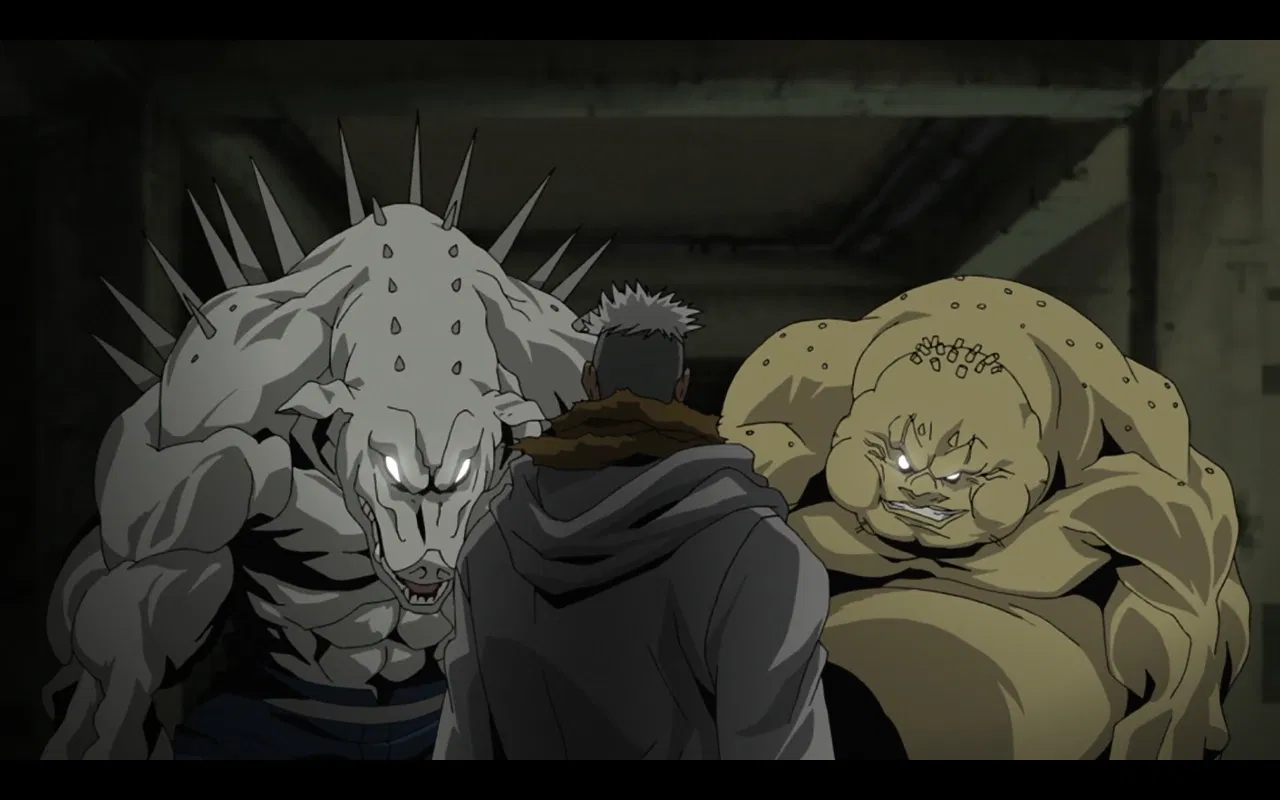
Chimera Transmutation is where things start getting scarier and more dangerous, since it can literally create a weapon instead of just being one. Fusing animals (or worse, humans and animals) into a single creature gives you something that can be pointed at an enemy and let loose.
The catch is that the danger comes from the creature itself, not from the alchemist’s hands in the moment, which makes it rank slightly lower than others.
4. Amestrian Alchemy – The Most Basic Alchemy in Fullmetal Alchemist
-

Credit: Bones -

Credit: Bones -

Credit: Bones


-

Credit: Bones -
Credit: Bones -
Credit: Bones
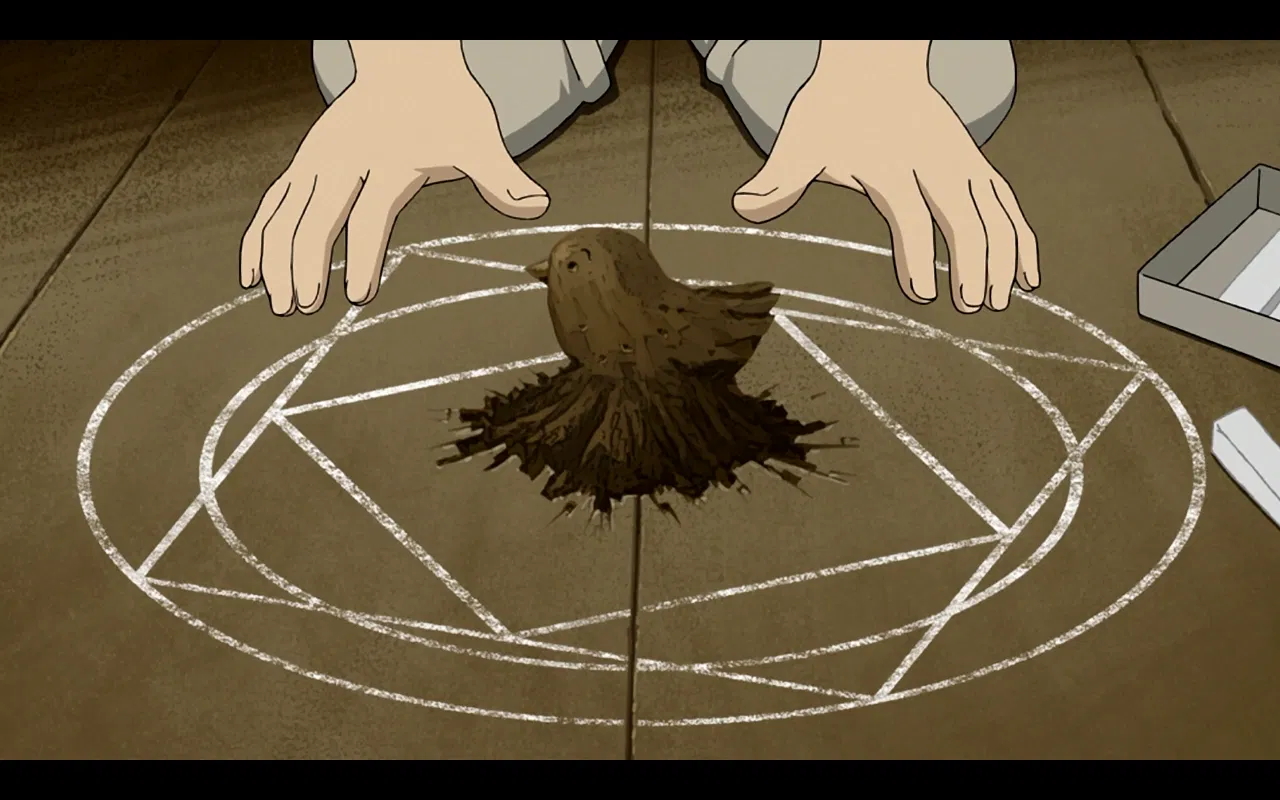

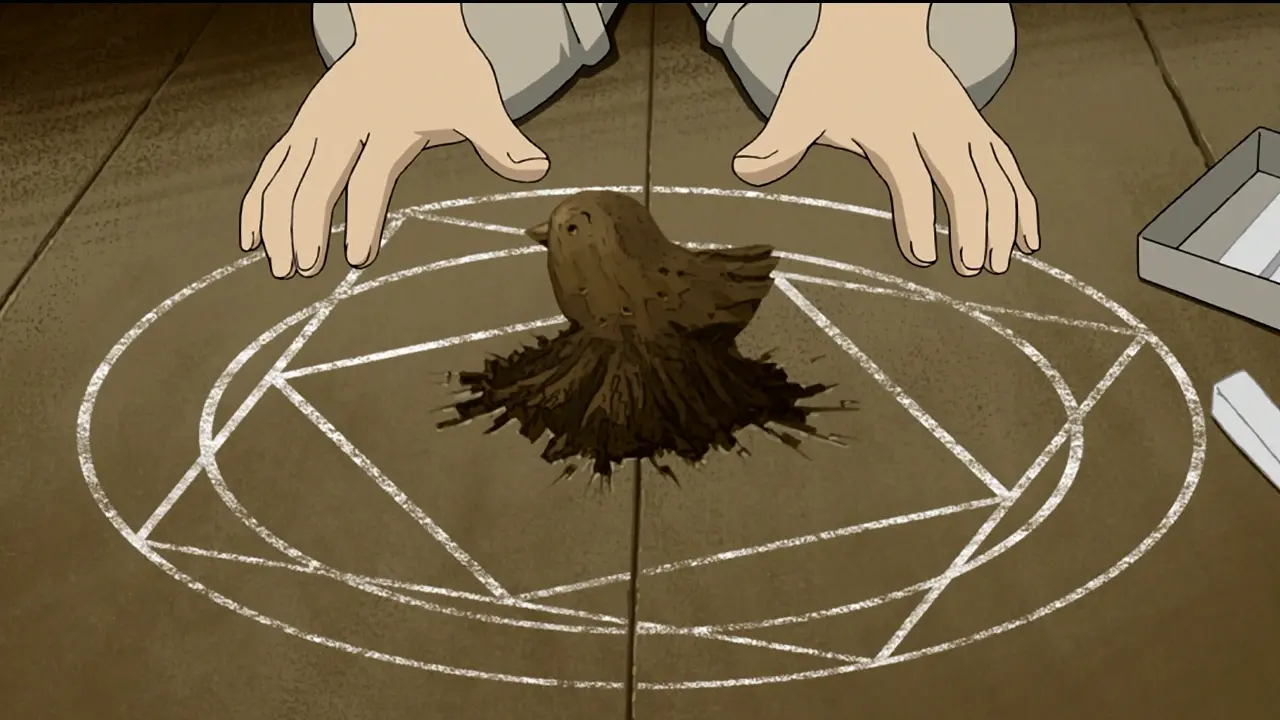
This is the standard system almost every State Alchemist uses, and in the right hands it gets seriously destructive. For example, Mustang can torch an entire street with his flames using Flame Alchemy, a part of the standard Alchemy practice in that nation. The true destructive power, surprisingly, also comes from the feat that we saw Mustang performing, when he had one of the most satisfying revenge moments by lighting Envy on fire again and again.
However, there are some basic constraints that make it not rank higher. For example, the law of equivalent exchange still applies, and there is a need for precise transmutation circles.
3. Circle-Less Alchemy Used by Edward Elric

This is where we start losing some limitations. Once you can transmute without a circle, you basically remove the biggest weakness: setup time. This is exactly what Edward does, as he can use alchemy by just clapping his hands, something that looks like magic to other people’s eyes.
Edward can transmute without a physical circle because he saw the Gate of Truth during his failed human transmutation. Be it manipulating the ground or water, as long as he can touch it, he can use it. In actual combat, where speed is everything, Edward often comes out on top because he is not spamming the same predrawn circles again and again, making this form of alchemy rank higher than most.
2. Philosopher’s Stone-Fueled Alchemy Bypasses Equivalent Exchange

This is where we get rid of the second rule of equivalent exchange. A Philosopher’s Stone lets you skip equivalent exchange completely, meaning no cost, no limits on matter, and near-instant regeneration for the user.
In combat, that means someone like Kimblee can throw out massive compressed explosions over and over without ever running dry, while other stone users can shrug off damage that would kill a normal alchemist instantly. The only cap on how destructive this gets is how many souls are packed into the stone, which is a scary thing to think about.
1. Father’s Gate-Derived Alchemy Could Reshape a Country
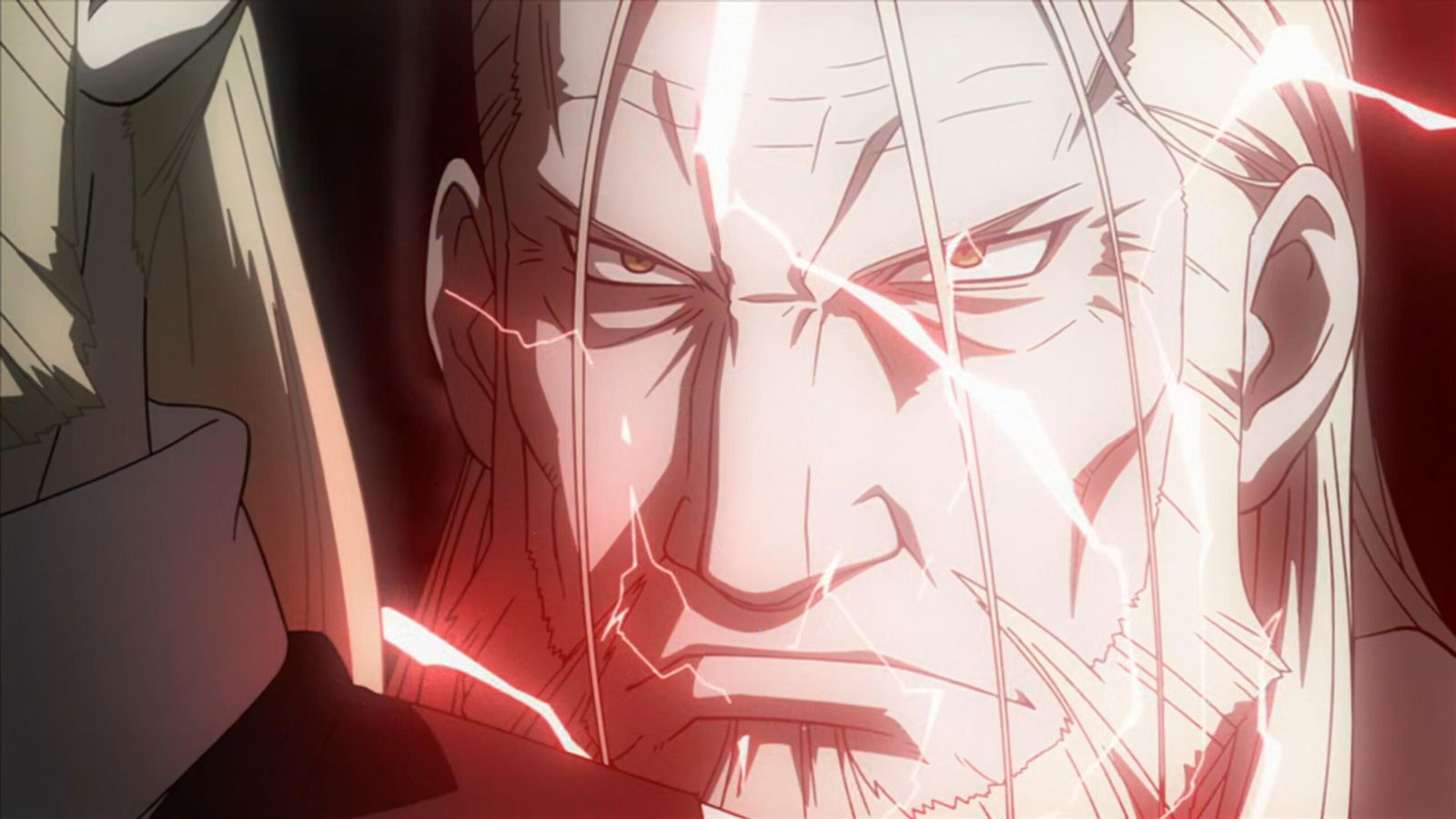
Nothing else in the series comes close to this. Father’s power comes from literally holding a piece of Truth itself. In combat, this lets him fight without any restraints. Every other form on this list eventually hits a wall, whether that’s needed matter, physical stamina, or a limited number of souls. Father’s alchemy doesn’t really have one.
He could instantly generate miniature suns, construct massive barriers, reshape vast terrain, and weaponize energy blasts. He possessed telekinetic control over objects and could manipulate weather phenomena. That’s exactly why it takes the number one spot.
| RANK | ALCHEMY |
| 7 | Human Transmutation |
| 6 | Alkahestry |
| 5 | Chimera Transmutation |
| 4 | Amestrian Alchemy |
| 3 | Circle-Less Alchemy |
| 2 | Philosopher’s Stone-Fueled Alchemy |
| 1 | Father’s Gate-Derived Alchemy |
Which of these would you like to have in real life? Let us know in the comments.
Fullmetal Alchemist: Brotherhood is streaming on Crunchyroll.