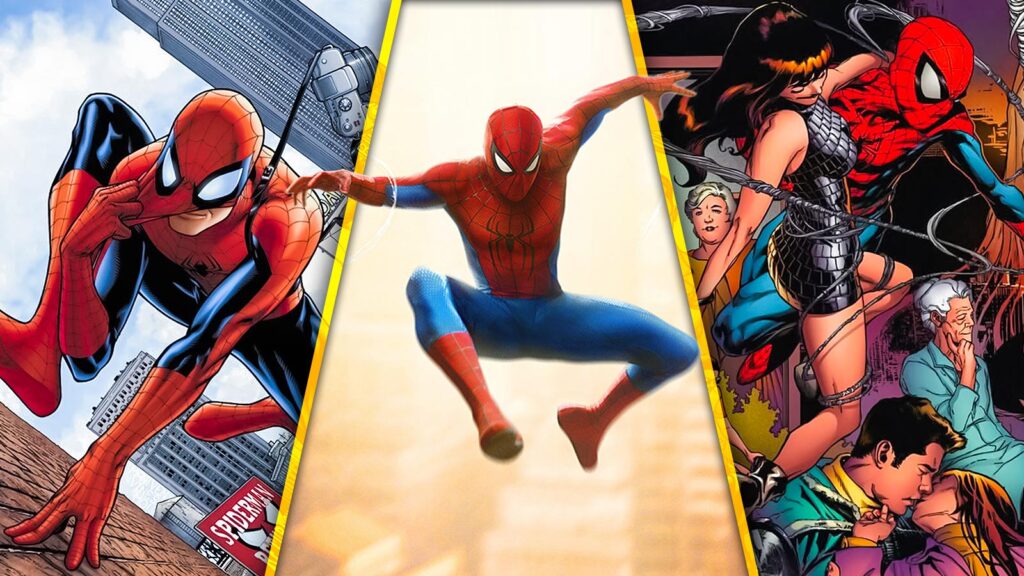
Tom Holland is the first live-action Spider-Man actor to get a fourth movie, with Brand New Day releasing next week. The MCU film is set to explore his life post the events of No Way Home, where the whole world forgot who Peter Parker was, including his most dear friends. He also lost Aunt May in the film.
Its title borrows directly from a landmark 2008 comic arc. The trailers of the film have hinted at a darker and more transformative arc for Peter, having lost almost everything and still choosing heroism after his most traumatic event. Here are seven graphic novels that illuminate the identity loss, isolation, and evolution themes Brand New Day is built on.
1. Spider-Man: One More Day
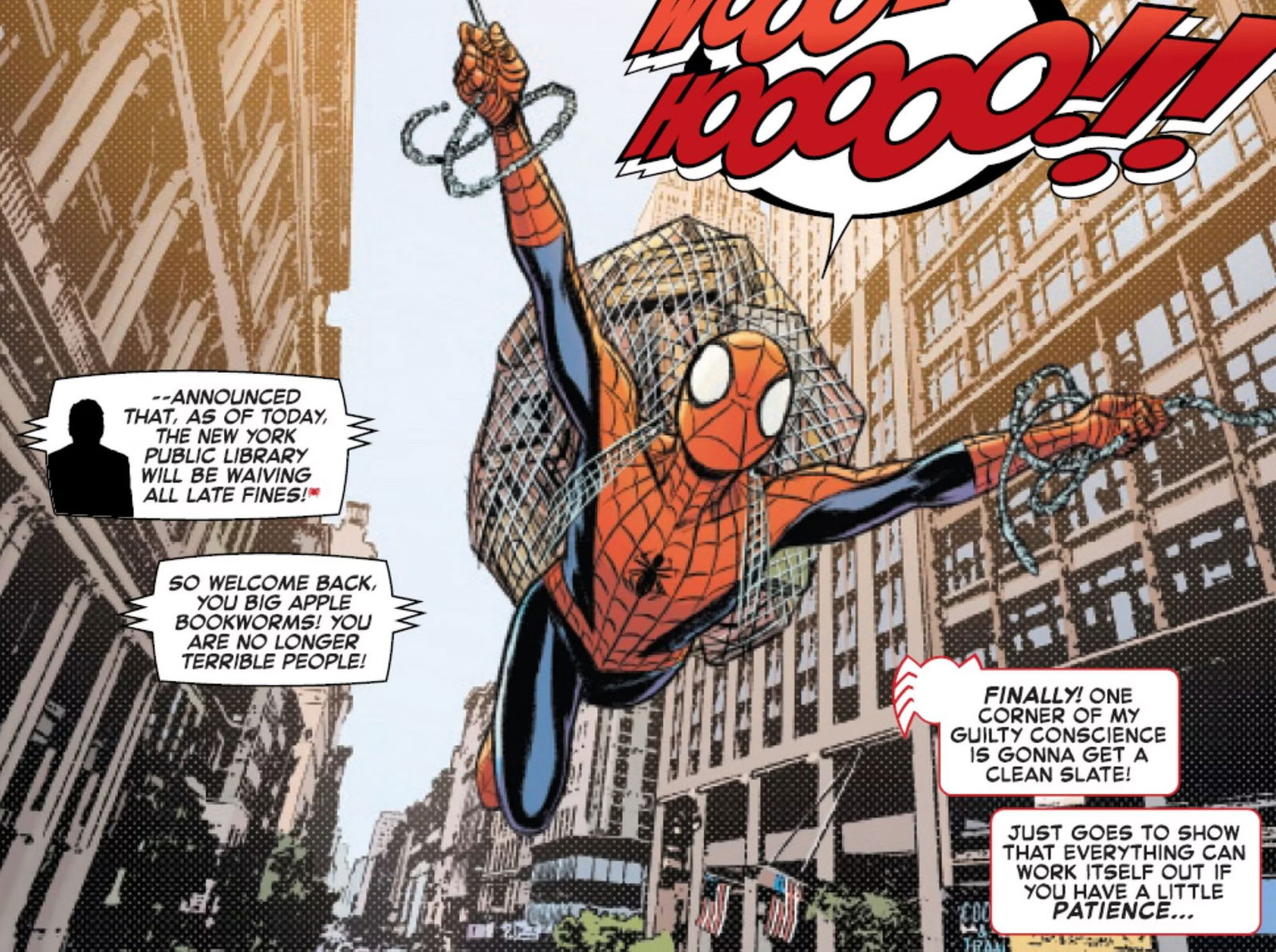
One of the most controversial Spider-Man stories, One More Day follows Peter’s life after the events of the 2007 Civil War storyline. After Aunt May is shot by a goon under Kingpin, Peter makes a deal with Mephisto to save her life, giving up his marriage to Mary Jane Watson. This reversed the arc of the two soulmates and their marriage, making it null again.
The storyline was controversial, with many fans criticizing the negation of the marriage. Parts of its storyline were also adapted by No Way Home. The deal doesn’t just undo the marriage. It wipes Peter’s public unmasking from everyone’s memory, leaving him a secret-identity hero again. It sets up everything Brand New Day explores next.
2. Amazing Spider-Man: Brand New Day, Vol. 1
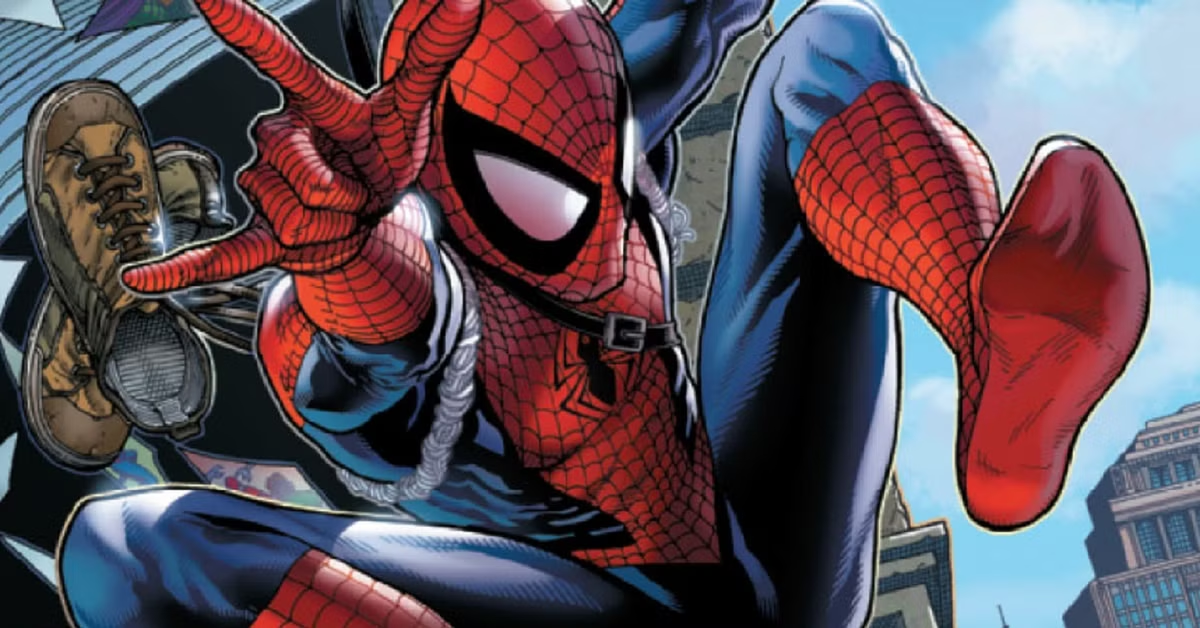
Collecting Amazing Spider-Man #546–551 by Dan Slott, Steve Wacker, Marc Guggenheim, and Bob Gale, this is the actual comic arc that lends the movie its title. With his identity secret restored and his marriage gone, Peter starts over: new job prospects, new apartment troubles, and new supporting characters like Harry Osborn’s return and Jackpot’s debut.
Freed from years of continuity but burdened by loneliness, Peter throws himself into being Spider-Man full-time. Brand New Day’s premise of a Peter forgotten by the world and consumed by his double life directly echoes this ‘everyman starting from scratch’ reinvention.
3. Amazing Spider-Man: New Ways to Die
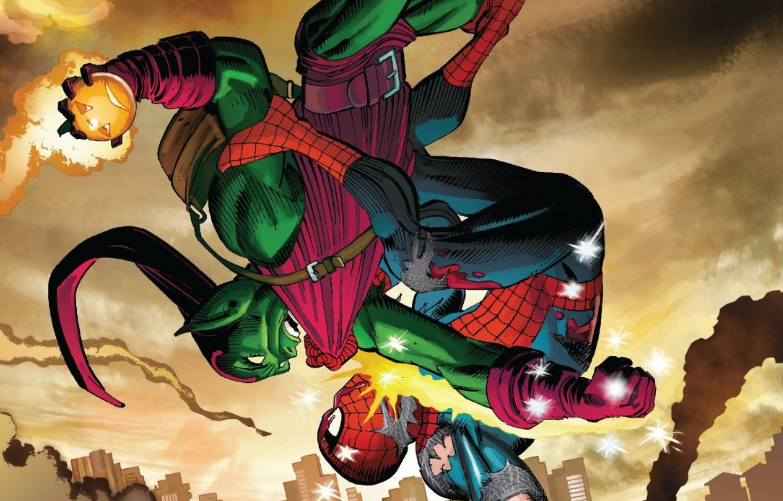
The iconic story by Dan Slott continues Brand New Day’s arc, putting Spider-Man against the Thunderbolts, formed by Norman Osborn. It sees the Thunderbolts tracking a hiding Peter, who has been accused of a series of murders. In parallel, Eddie Brock is cured of cancer at a FEAST shelter and combines with the Venom symbiote to become Anti-Venom.
The story’s focus on Peter facing a powerful, unpredictable force while operating without public support mirrors the movie’s ‘villain no one can even see,’ and its portrayal of Osborn’s lingering menace anticipates the film’s shadowy antagonist setup.
4. Spider-Man: Kraven’s Last Hunt
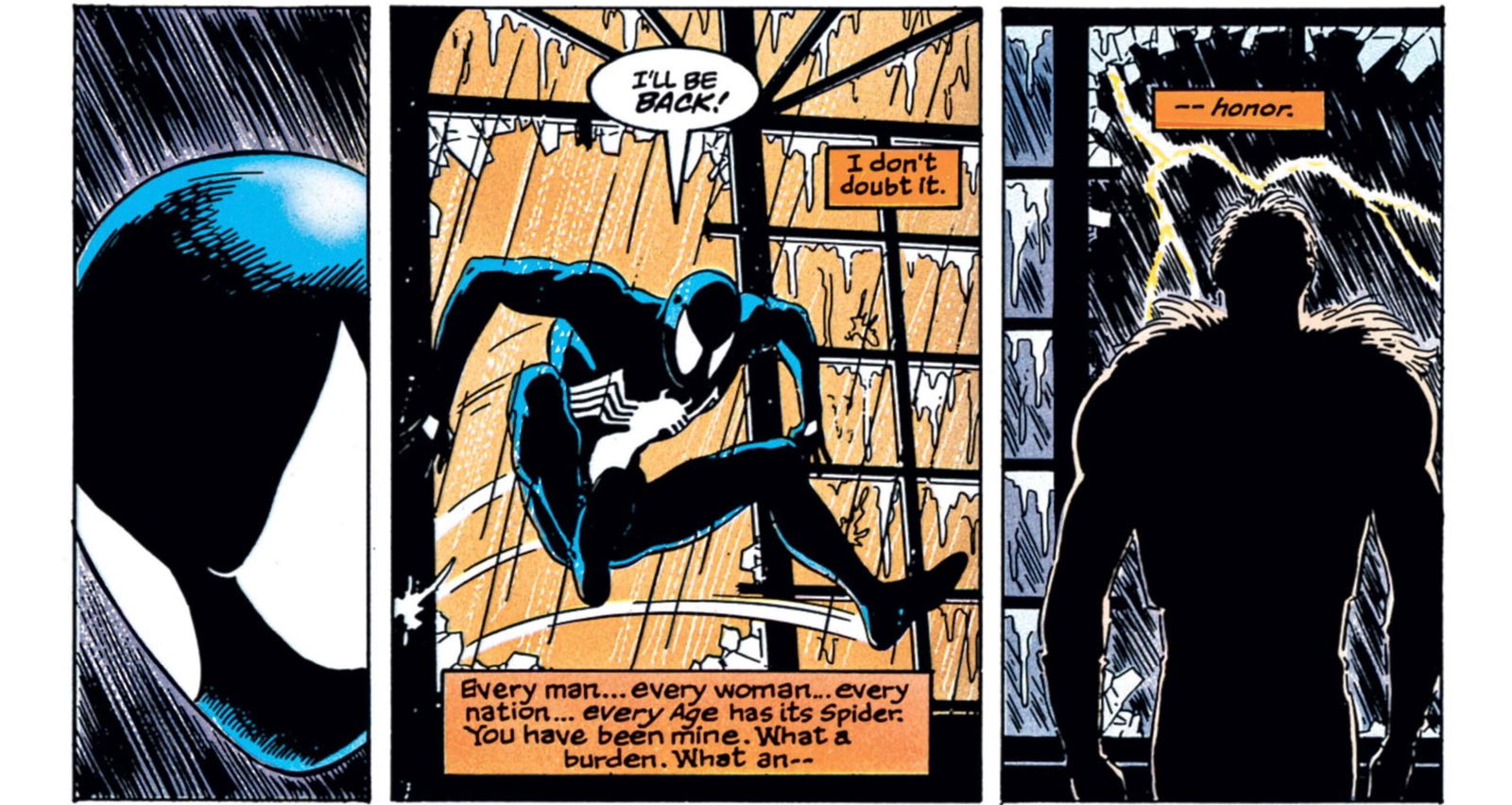
Widely regarded as one of the greatest Spider-Man stories ever told, this 1987 arc by J.M. DeMatteis and Mike Zeck follows the obsessive hunter Kraven as he shoots Spider-Man, buries him alive, and assumes his identity to prove his own superiority.
Peter claws his way back from apparent death, forced to confront his own limits and mortality before reclaiming his mantle. The story’s meditation on physical and psychological transformation under extreme pressure parallels the film’s depiction of Peter’s body and mind changing in ways he can’t fully control.
5. Amazing Spider-Man: The Other – Evolve or Die
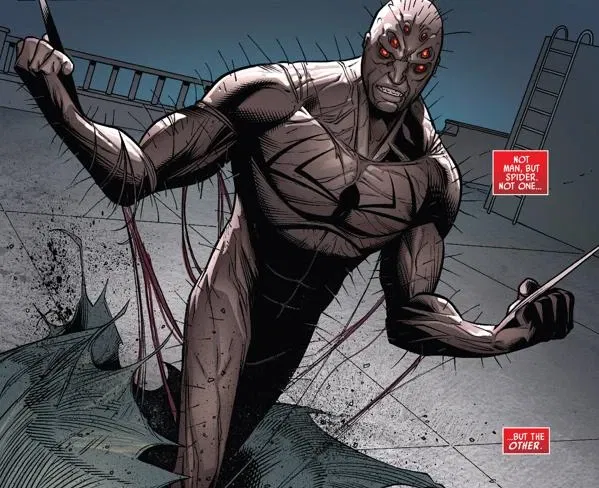
The Other storyline sees Peter undergo his most radical transformation, not just in emotional terms, but also physically. He seems to lose his powers, almost dies, and is finally reborn with organic web shooters and enhanced abilities. The comic sees his bodily evolution and how it can both be a threat and a boon.
Brand New Day goes in the body-horror direction a bit, and we also see several physical changes happening to Tom Holland’s Peter (at least that is what the trailers hint). The Other explores this genre in the best way possible.
6. Spider-Man: Blue
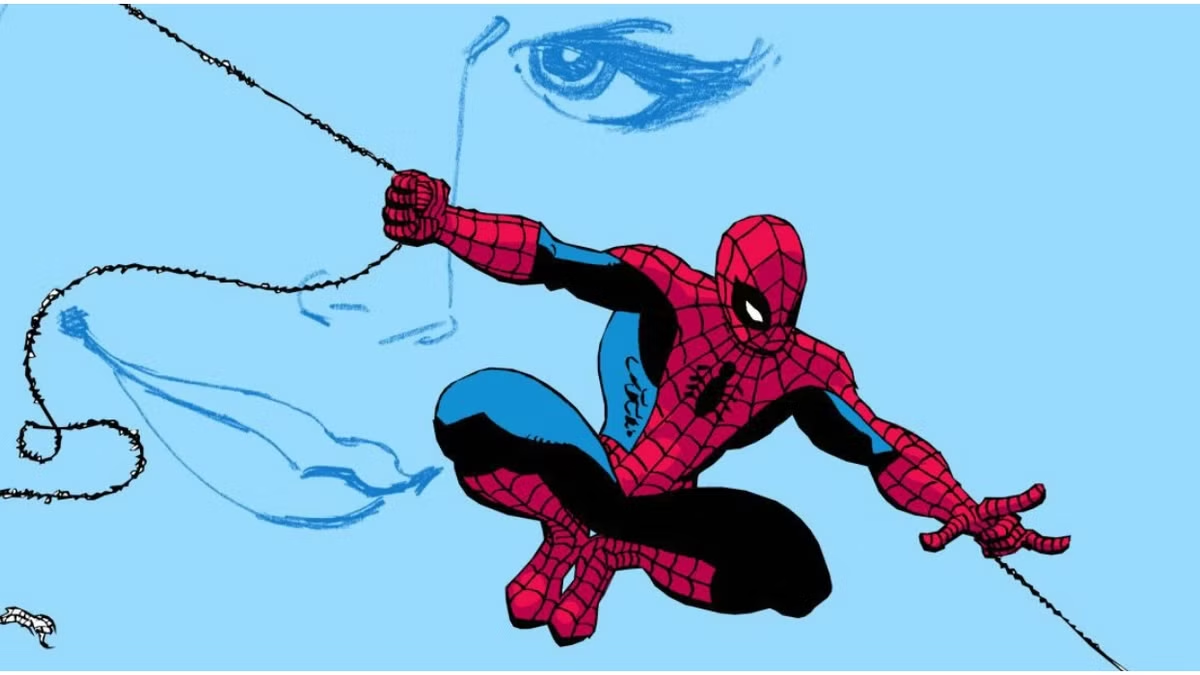
The limited series of comics by Jeph Loeb explores Spider-Man’s grief towards losing Gwen Stacy. Structured in epistolary form, like a recording for a loved one, Blue explores Peter’s grief and his eventual acceptance of the double life he leads and all the sacrifices it has made him make. It is less of an action-affair and more of a character study.
It establishes a lot of the themes of isolation and the double-edged sword that superheroism is, which Brand New Day also promises to tackle.
7. Amazing Spider-Man: Back in Black
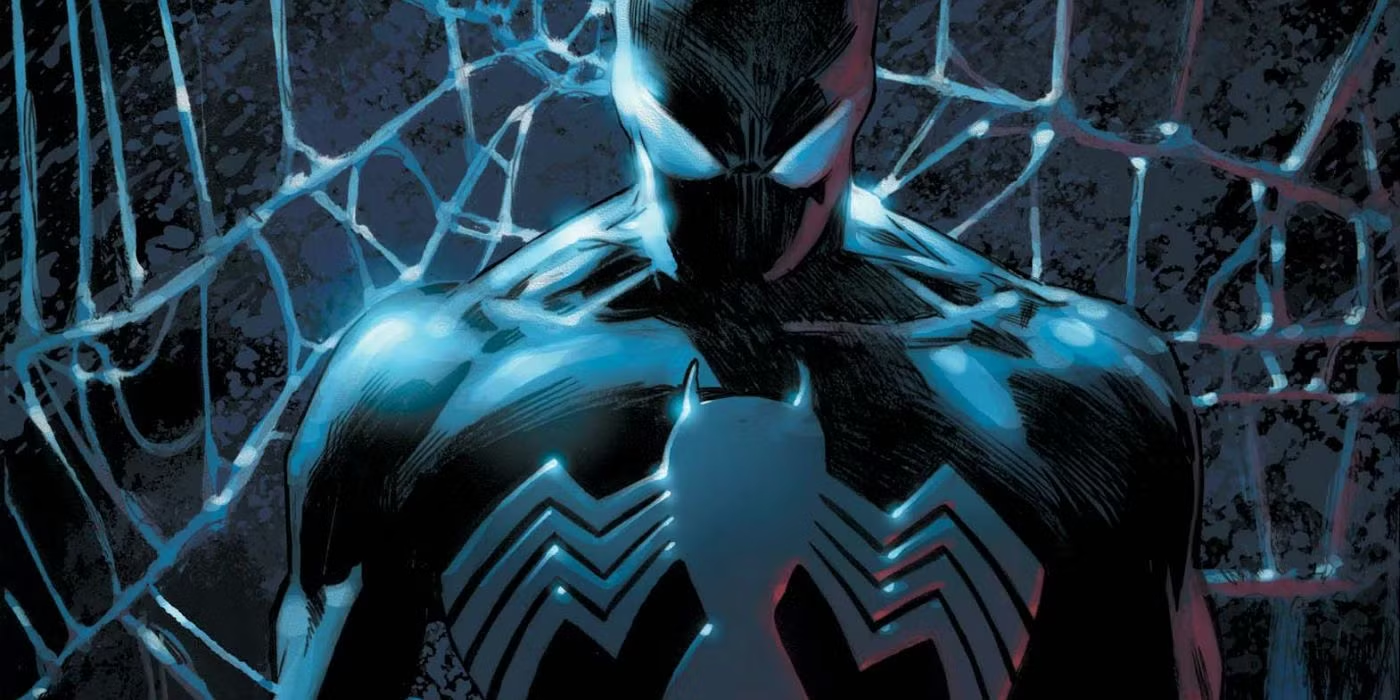
Written by J. Michael Straczynski with art by Ron Garney, this arc follows Peter’s fury after Aunt May is shot during the Civil War fallout from his public unmasking. Trading his classic suit for a black costume, Peter becomes ruthless, hunting down the Kingpin with an intensity that borders on losing himself.
This darker, unmoored version of Peter, who is pushed past his limits and isolated from his usual support system, foreshadows the harder edge the marketing for Brand New Day suggests Holland’s Spider-Man is heading toward.
| Spider-Man Graphic Novel Name | Writer |
| Spider-Man: One More Day | J. Michael Straczynski, Joe Quesada |
| Amazing Spider-Man: Brand New Day, Vol 1 | Dan Slott |
| Amazing Spider-Man: New Ways to Die | Dan Slott |
| Spider-Man: Kraven’s Last Hunt | J.M. DeMatteis |
| Amazing Spider-Man: The Other | Peter David, Reginald Hudlin, J. Michael Straczynski |
| Spider-Man: Blue | Jeph Loeb |
| Amazing Spider-Man: Back in Black | J. Michael Straczynski |
Which Spider-Man graphic novel do you think is essential reading before the movie? Comment below.
Spider-Man: Brand New Day is set to release on July 31, 2026.