Casting can either make or break a film. The actors selected for certain roles become the main ways through which the audience can set an emotional connection with the characters and eventually, the story. There have been many examples where certain characters defined the careers of actors, and one film that proves this truth is The Last Samurai.
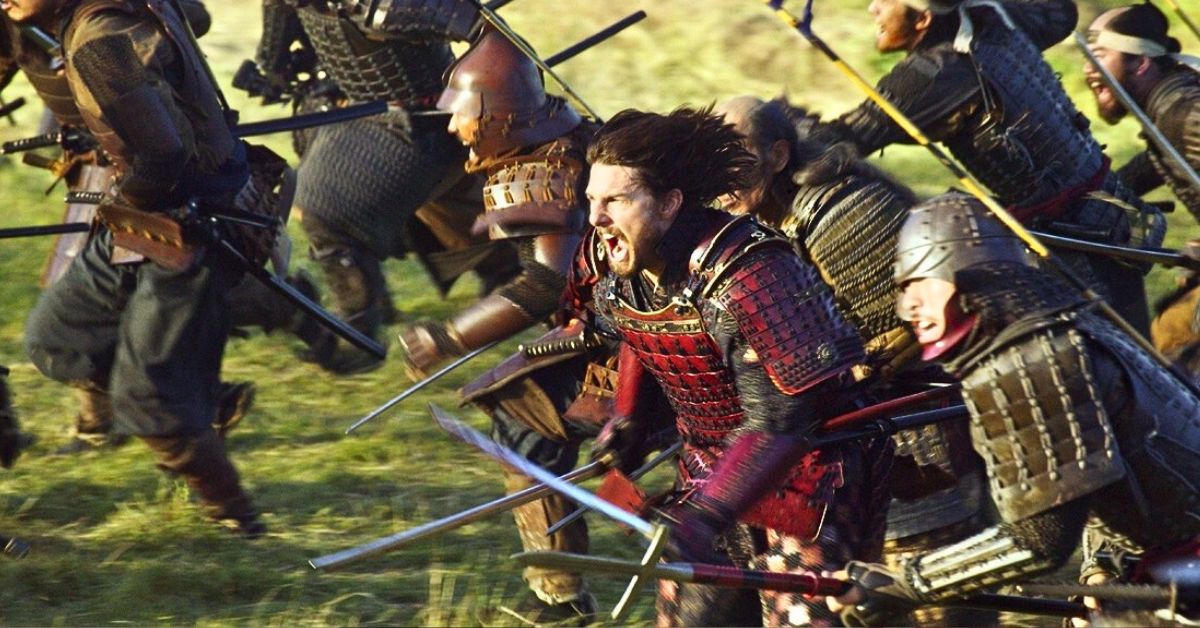
The Last Samurai was released in 2003, starring Tom Cruise as the lead, and directed by Edward Zwick. The film was praised for its authenticity in portraying the Samurai culture, thanks to its writers and actors. However, in the movie business, the studio is not always happy with the choice of actors, and this was also the case for The Last Samurai.
Hiroyuki Sanada Was Not Cast Opposite Tom Cruise in The Last Samurai
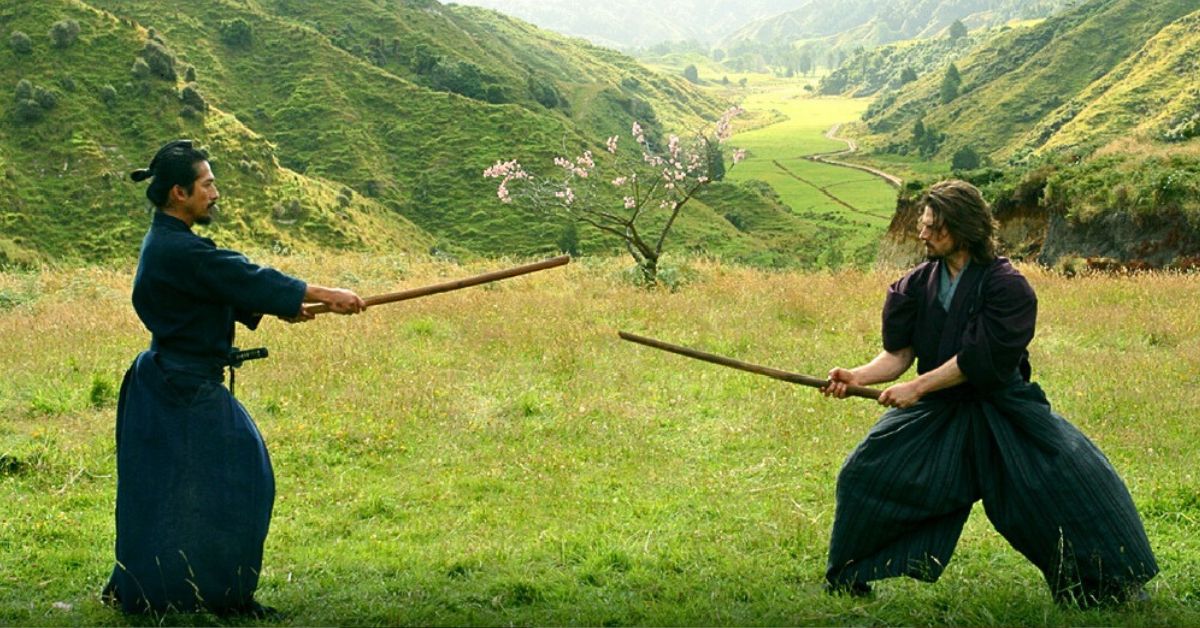
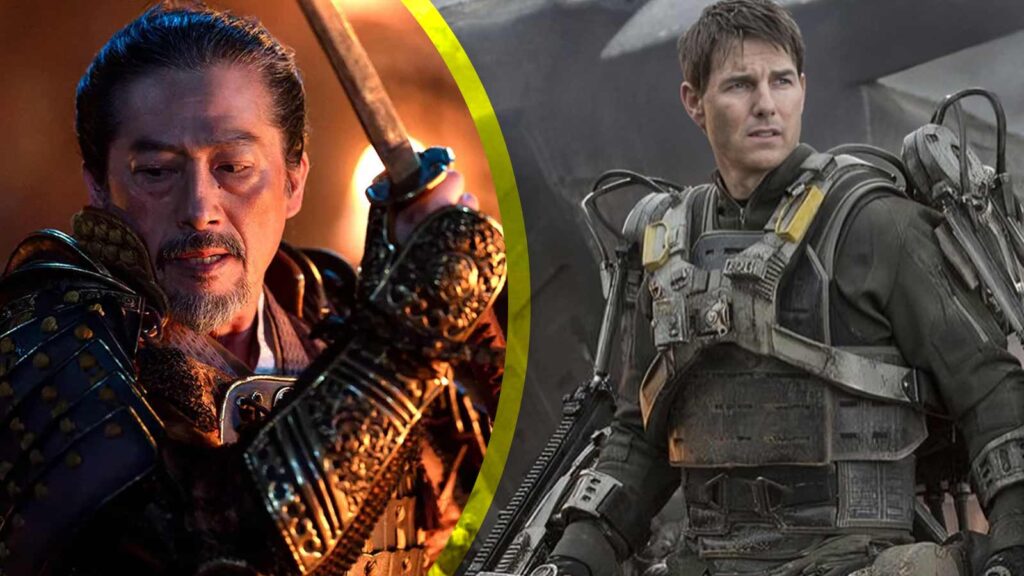
Hiroyuki Sanada started acting at a young age in Japan and trained in martial arts, which later helped him land some action-packed roles. His first came into the limelight through The Twilight Samurai and later went on to star in big-budget films like Rush Hour 3, The Wolverine, Mortal Combat, and John Wick 4.
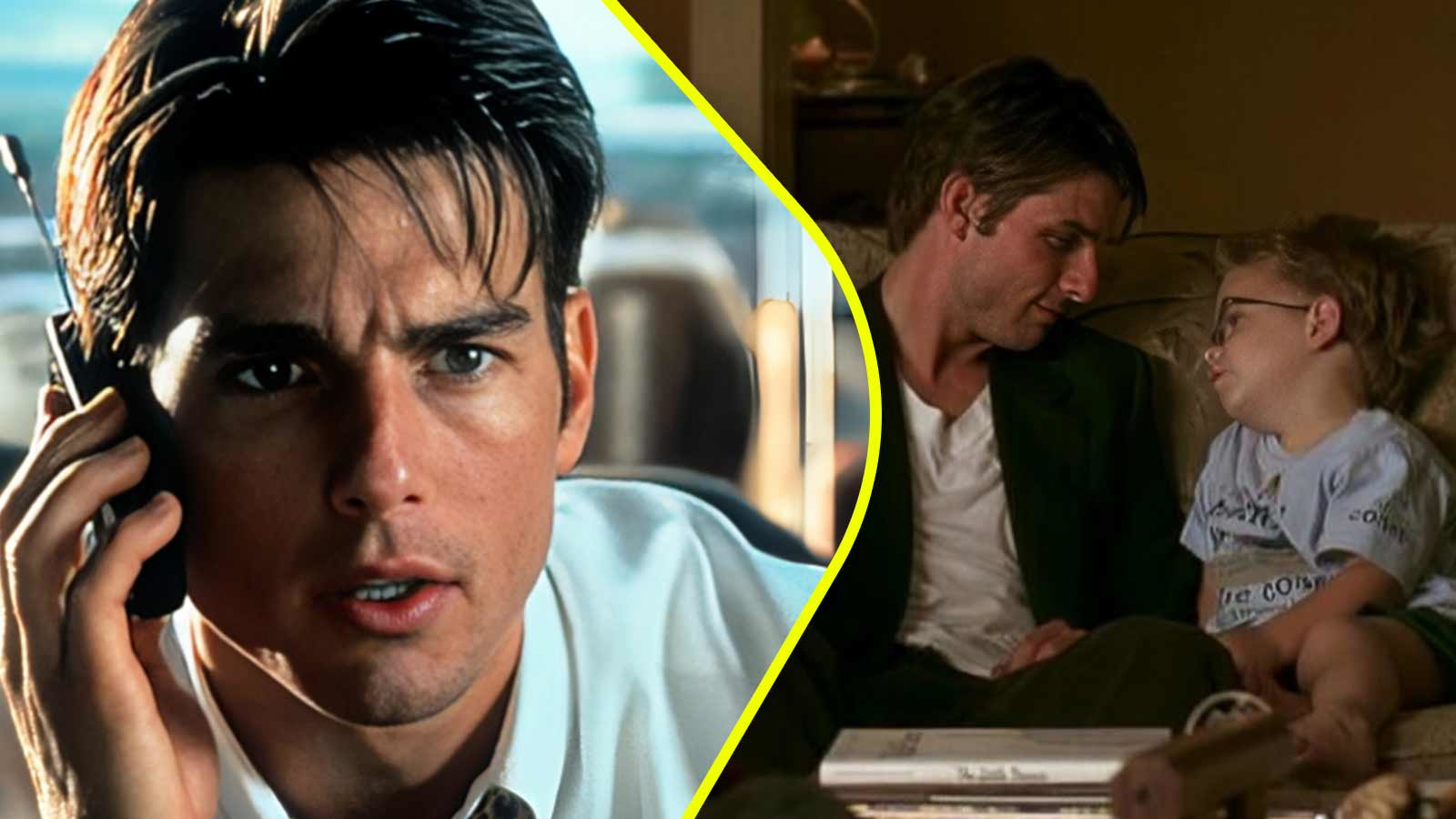
The Last Samurai was the movie that popularized Sanada internationally. The plot of the film was in the 19th century following an American military officer, Nathan Algren, played by Tom Cruise, who becomes part of the samurai lifestyle he was supposed to destroy.
Sanada was cast as Ujio, who was a loyal Samurai. At first, he doubted Algren but he eventually trained him on how to become one of the Samurai class. But even after having such a talent, it was Ken Watanabe who got to act the lead opposite Cruise.
It was not easy to cast Watanabe, but Edward Zwick had envisioned that the character of Katsumoto was an important person to Algren as the leader of the Samurai rebellion. In his memoir Hits, Flops, and Other Illusions: My Fortysomething Years in Hollywood, Zwick mentions the casting process (via Vulture).
Like many institutions in Japan, casting was often hierarchical. To play a part like Katsumoto, starring opposite Tom Cruise, it was assumed that Hiroyuki Sanada — often referred to as the “Tom Cruise of Japan” — would be cast in the role.
Japanese representatives from Warner Bros. believed Sanada’s star power would make him perfect alongside Cruise. However, Zwick was adamant about casting Watanabe. He further wrote,
Upon meeting Ken Watanabe, I was so taken with his unusual blend of strength, humor, and emotional availability that I decided to cast him.
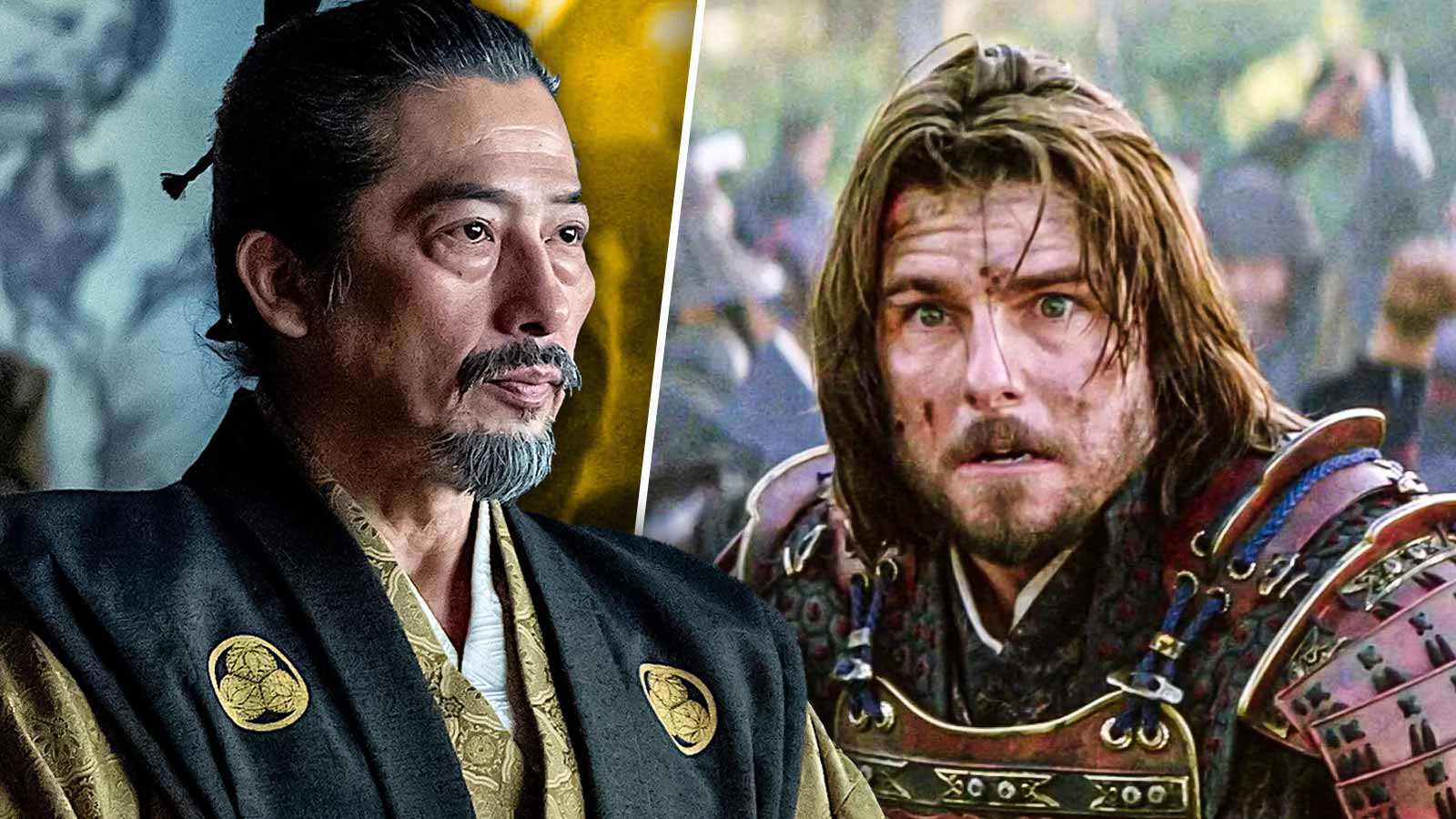
Later, when the movie was released, it seemed like the actors were born to play the characters they were assigned. Although Zwick’s decision was not liked by the higher-ups, there were no such differences between the actors.
Hiroyuki Sanada Helped Ken Watanabe in His Role
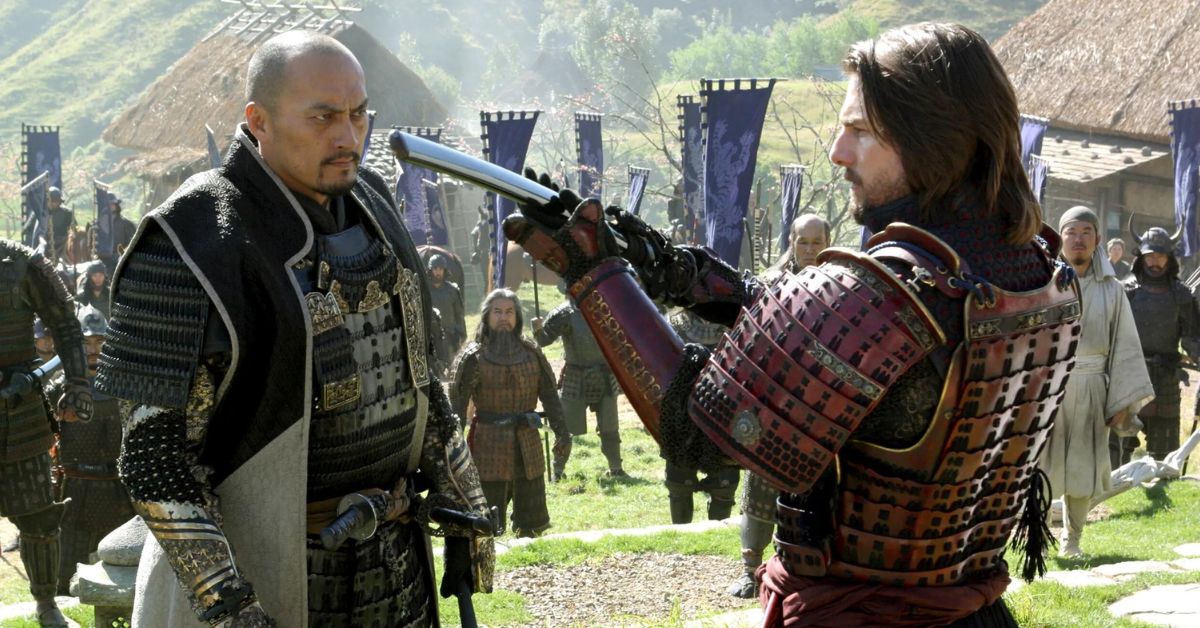
Watanabe’s career was not at its peak during that time. According to Zwick’s memoir, he was in debt due to poor management and was ready to take any role for money. This became a major concern for the studio.
The Japanese representatives of Warner Bros. even complained to the executives about Zwick’s casting decision, saying “this was a terrible faux pas.” Sanada came to the rescue in this situation. He not only accepted the role of Ujio but also supported Watanabe in his role. Zwick mentions in his memoir,
In our early rehearsals, Ken seemed somewhat tentative, but Sanada’s deference never failed to endow his presence with the necessary aplomb. Day by day as his self-confidence grew, so did Ken’s performance.
By the time we were ready to shoot, he had grown into the role, owning not just his size as the character but as a leading man going mano a mano with the biggest movie star in the world.
Zwick believes it was a “strong statement in support of Ken and the movie” from Sanada’s side. Watanabe ultimately delivered to expectations and earned nominations for the Oscars, Golden Globe Awards, and many other awards.
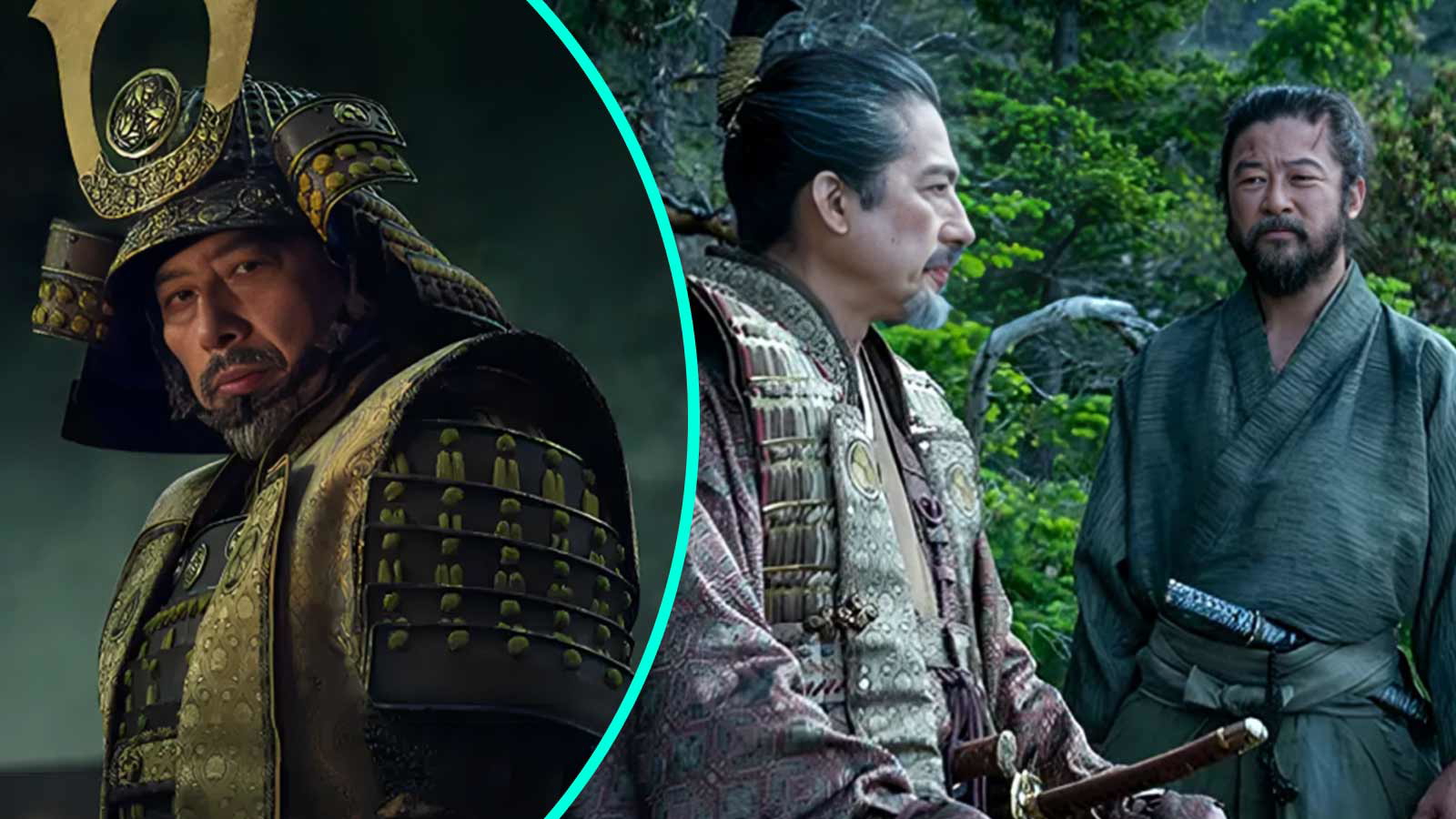
If Sanada had insisted on Katsumoto’s role, the film would have turned out differently. But he kept the collaborative effort on top, which ultimately didn’t disappoint anyone.
The Last Samurai is available to stream on Netflix.
Frequently asked questions
Why was Hiroyuki Sanada not cast as the lead samurai opposite Tom Cruise?
Japanese representatives from Warner Bros. believed Hiroyuki Sanada, often called the “Tom Cruise of Japan,” should be cast as the lead samurai opposite Cruise. According to the article, director Edward Zwick instead chose Ken Watanabe for Katsumoto, writing that he was so taken with Watanabe’s blend of strength, humor, and emotional availability that he decided to cast him over the studio’s preference. Sanada was cast as Ujio, a master swordsman loyal to Katsumoto.
How did Hiroyuki Sanada help save The Last Samurai?
According to Edward Zwick’s memoir as reported in the article, Sanada accepted the supporting role of Ujio and deferred to Ken Watanabe during early rehearsals, helping build Watanabe’s confidence after Warner Bros.’ Japanese representatives complained the casting was “a terrible faux pas.” Zwick wrote that Sanada’s deference never failed to endow Watanabe’s presence with the necessary aplomb, so day by day his performance grew until he owned the role of Katsumoto.
When was The Last Samurai released and where can I watch it?
The article states The Last Samurai was released in 2003, directed by Edward Zwick and starring Tom Cruise as American cavalry captain Nathan Algren, and it praises the film’s portrayal of samurai culture. Ken Watanabe’s performance as Katsumoto earned Academy Award and Golden Globe nominations, among others. The article says the film streams on Netflix; as of 2026, however, it is no longer on Netflix in the US and is available there to rent or buy via Apple TV, Prime Video, YouTube, and Google Play.