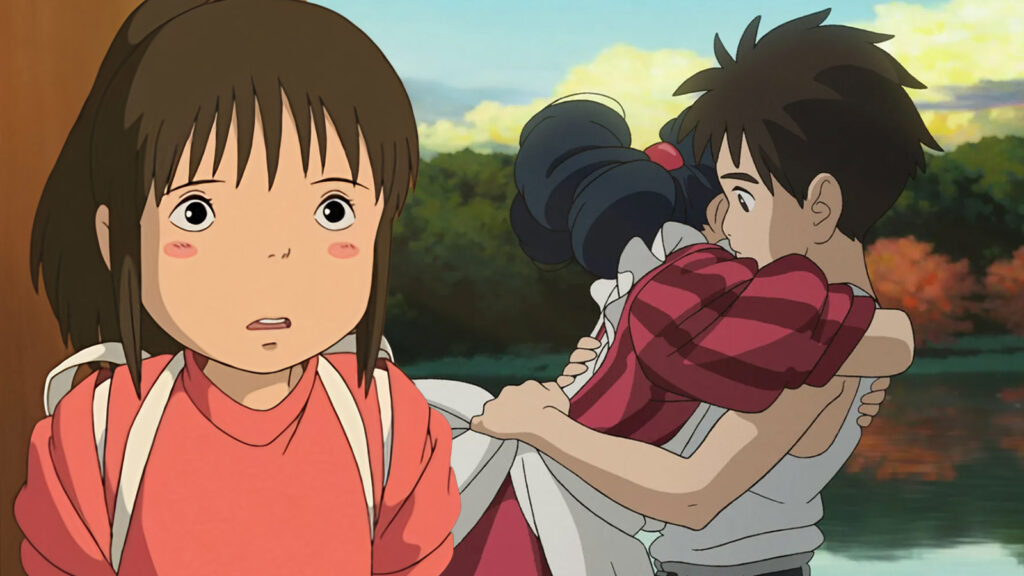
Ghibli films have always excellently enchanted audiences with their spectacular sceneries, layered characters, and meaningful lessons. No other studio has been able to do this as well as the studio, which prefers to craft self-contained stories.
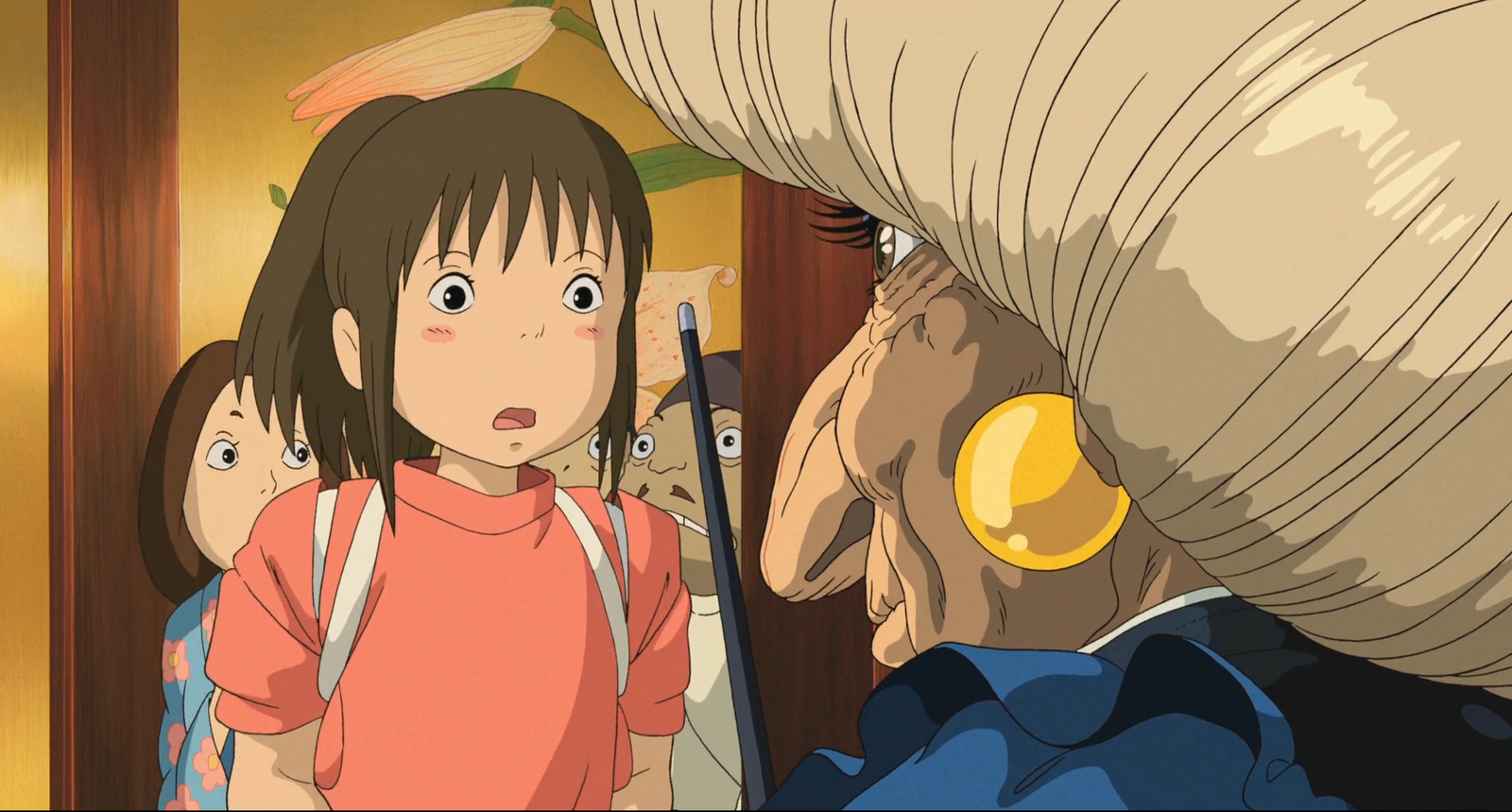
None of Miyazaki’s stories overstay their welcome in the form of sequels, and this choice to craft self-contained narratives with definite endings is crucial because it teaches us an important lesson.
Going full circle: It always ends
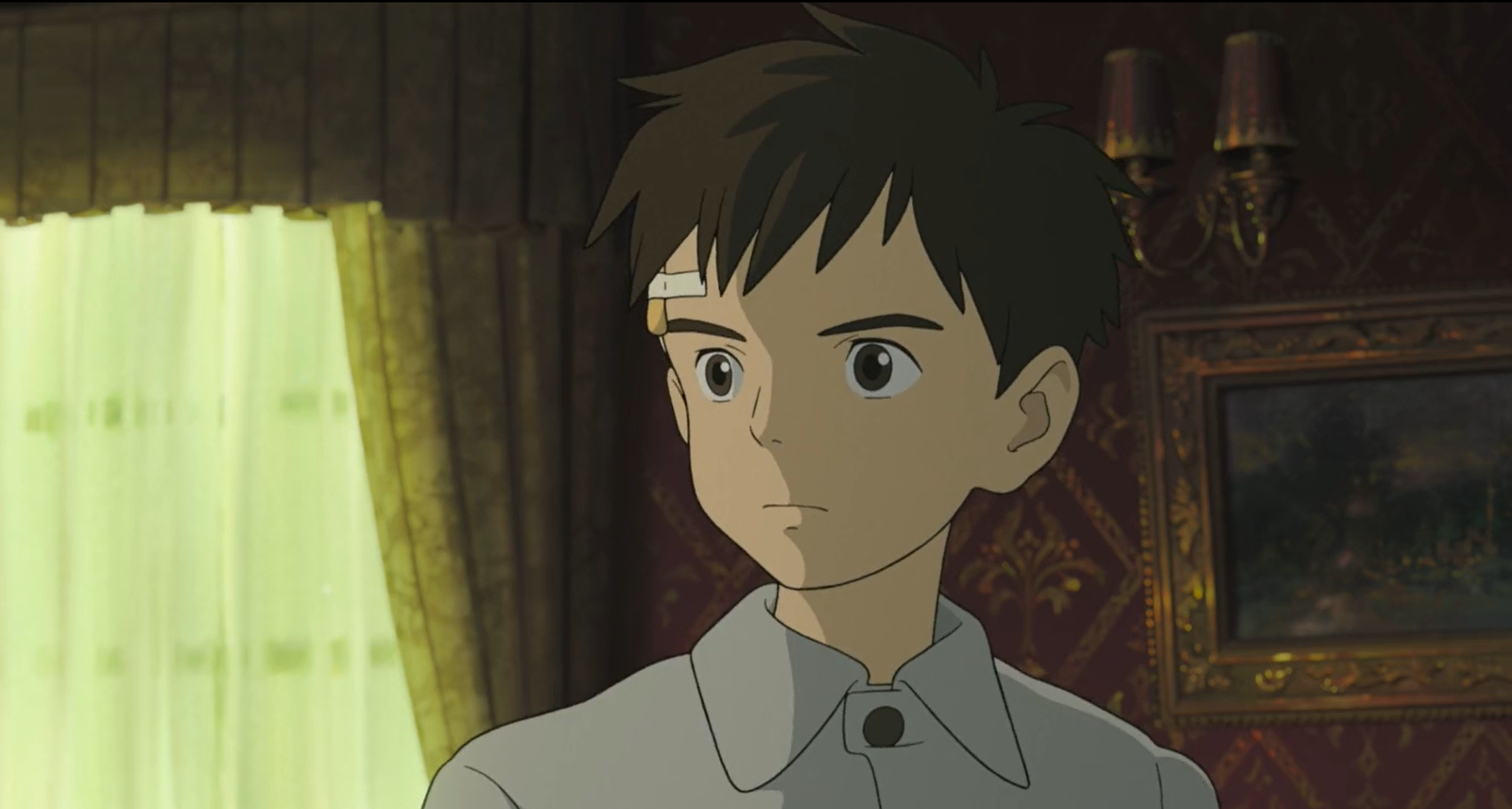
Whether it be Spirited Away or the relatively recent The Boy and the Heron, a Miyazaki film always mirrors the natural cycle of life. The protagonist embarks on a transformative journey, entering worlds and realms that are unknown to them.
They encounter several unknown beings, learn essential lessons, and grow as people. And when they reach the end of their path, they conclude their adventure and return home.
The protagonists always complete their journeys, and while they look back at them and carry the lessons they learned from them throughout their lives, they never try to return to the magical worlds. This trait of every Miyazaki story ensures that every story is unique, complete, and resonant.
The essence of life is that it goes on. No matter how many magical adventures you may have, you must return home at the end of the day.
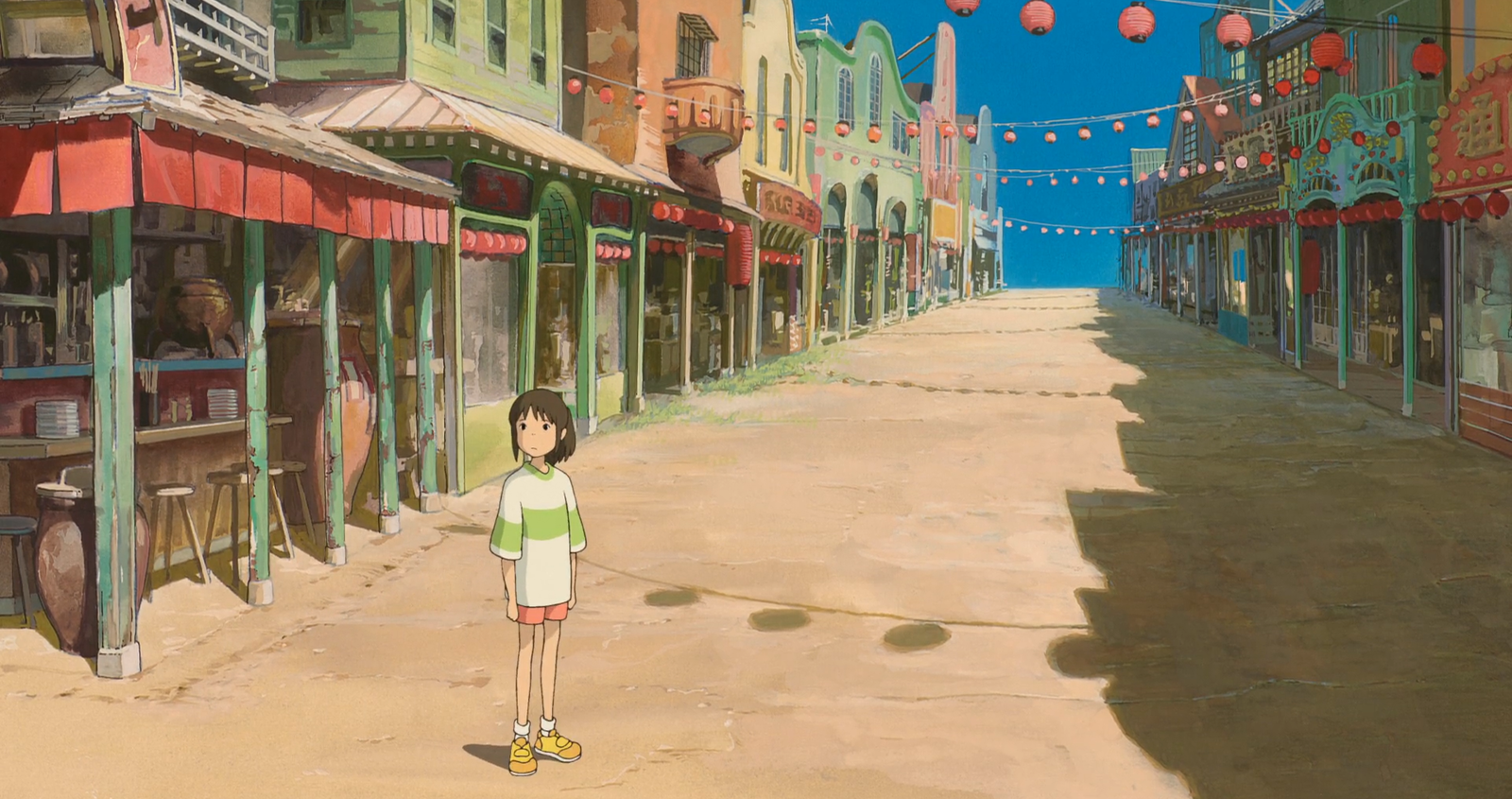
This is why every Ghibli story protagonist feels alive. Being aware that their adventure cannot be relived, they enjoy it to the fullest. What is this, if not the perfect representation of life? An adventure that cannot be relived, but comes full circle nonetheless.
Ghibli’s emphasis on letting go
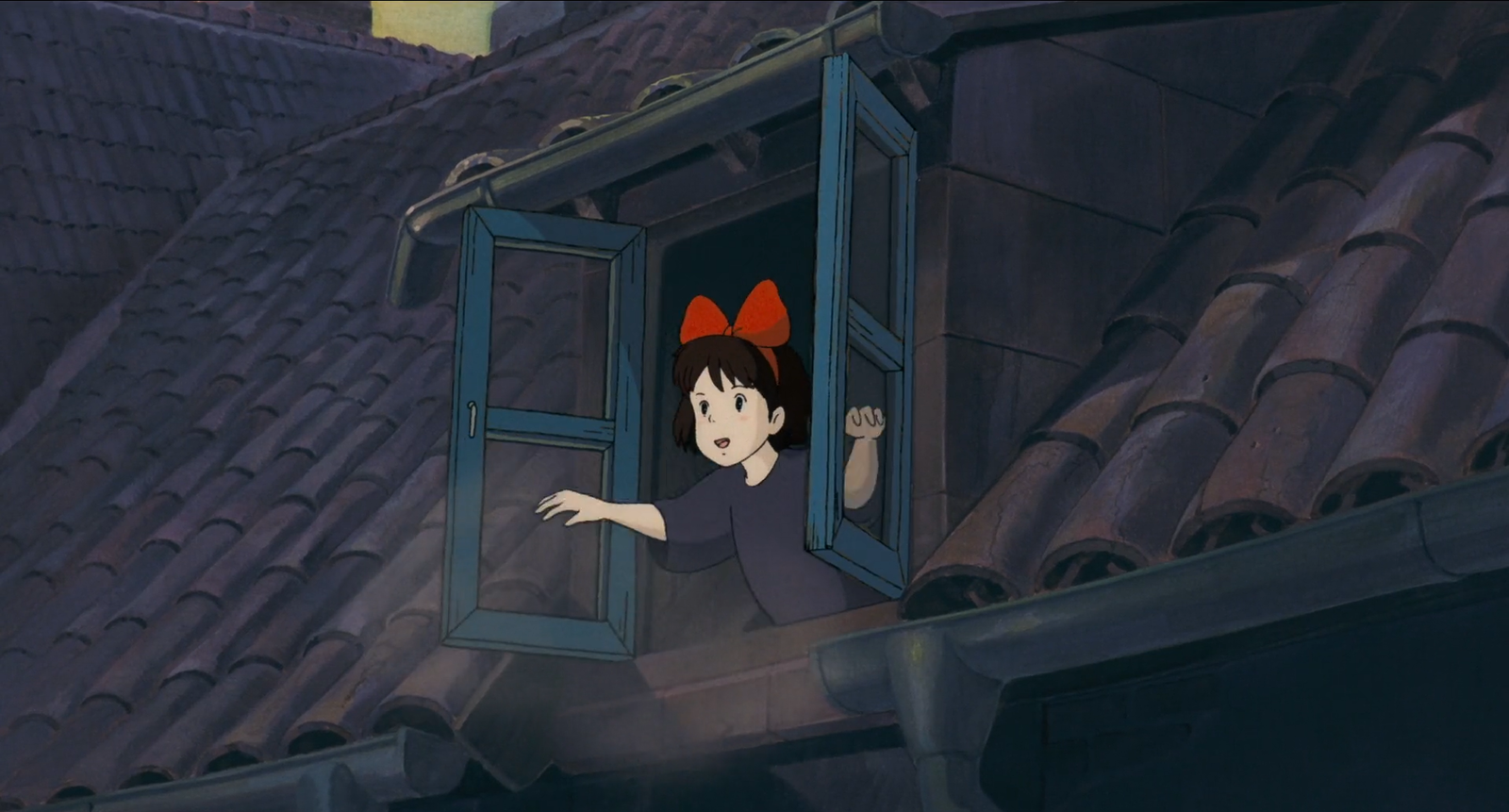
Ghibli’s stories do not get sequels, even when requested because they embrace the ideas of temporariness and letting things go. There is beauty in embracing a narrative in the grandest way possible and allowing it to disappear into the back of our minds like a dream.
The dream might have been enchanting, but if one refuses to let go of it, they will be unable to wake up. The bittersweet feeling left by Ghibli’s stories during their farewell is what makes them so unique.
Comment
byu/Extra-Progress-3272 from discussion
inghibli
The stories teach us that every moment must be treasured and experienced to the fullest because they do not return once they are gone. Even when it seems like you may be able to enjoy it for a little longer, it is wise to see that once the moment is gone, it’s gone.
Just like Chihiro with her magical hair-tie, while one may be able to preserve certain aspects of the journey with them, reliving it is impossible.
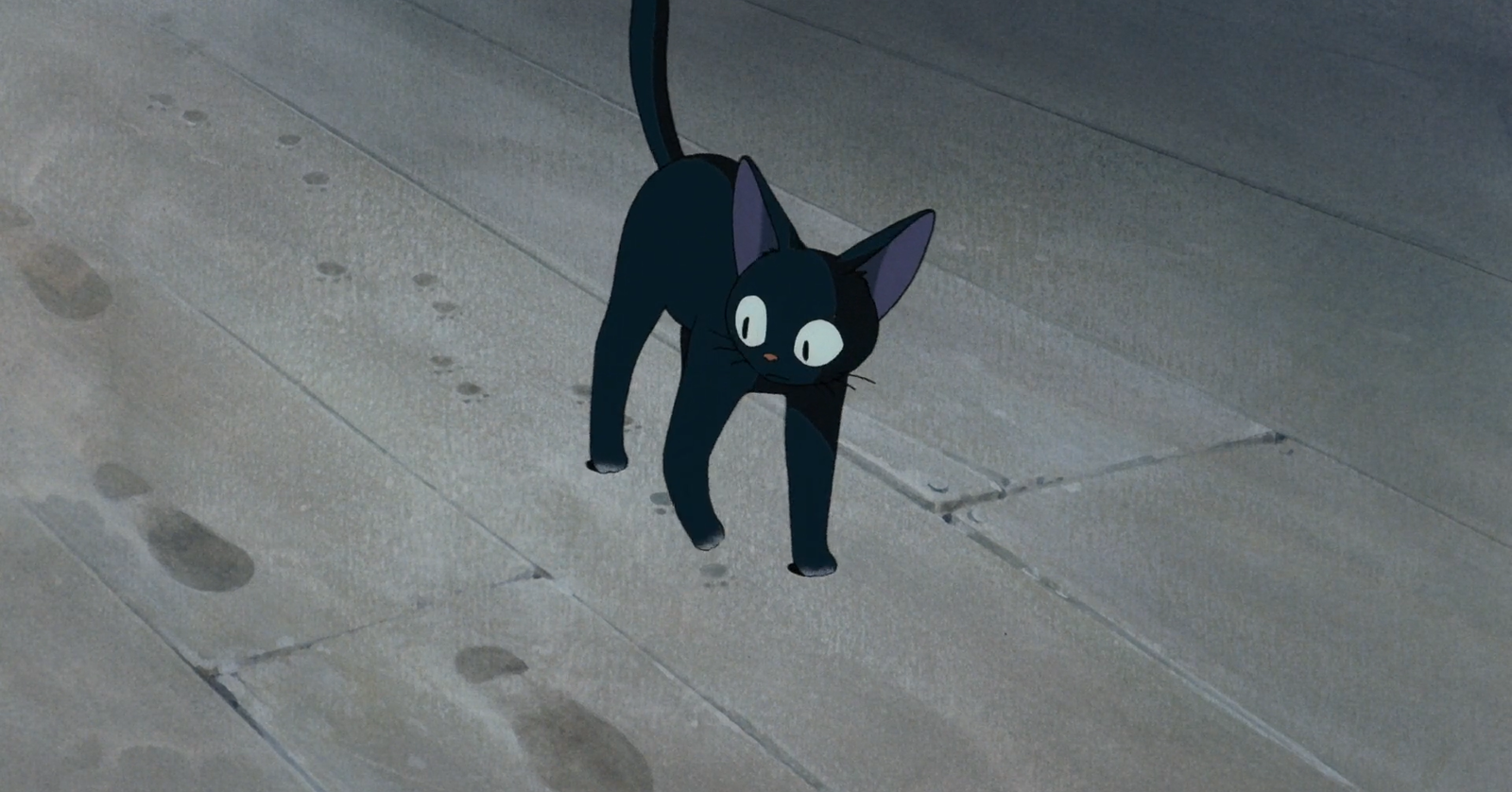
This philosophy is at the center of every Ghibli story. By choosing to not extend his stories into unnecessary sequels, Miyazaki ensures that each film remains a unique, unrepeatable masterpiece. The reason why these adventures feel so special is because they end.
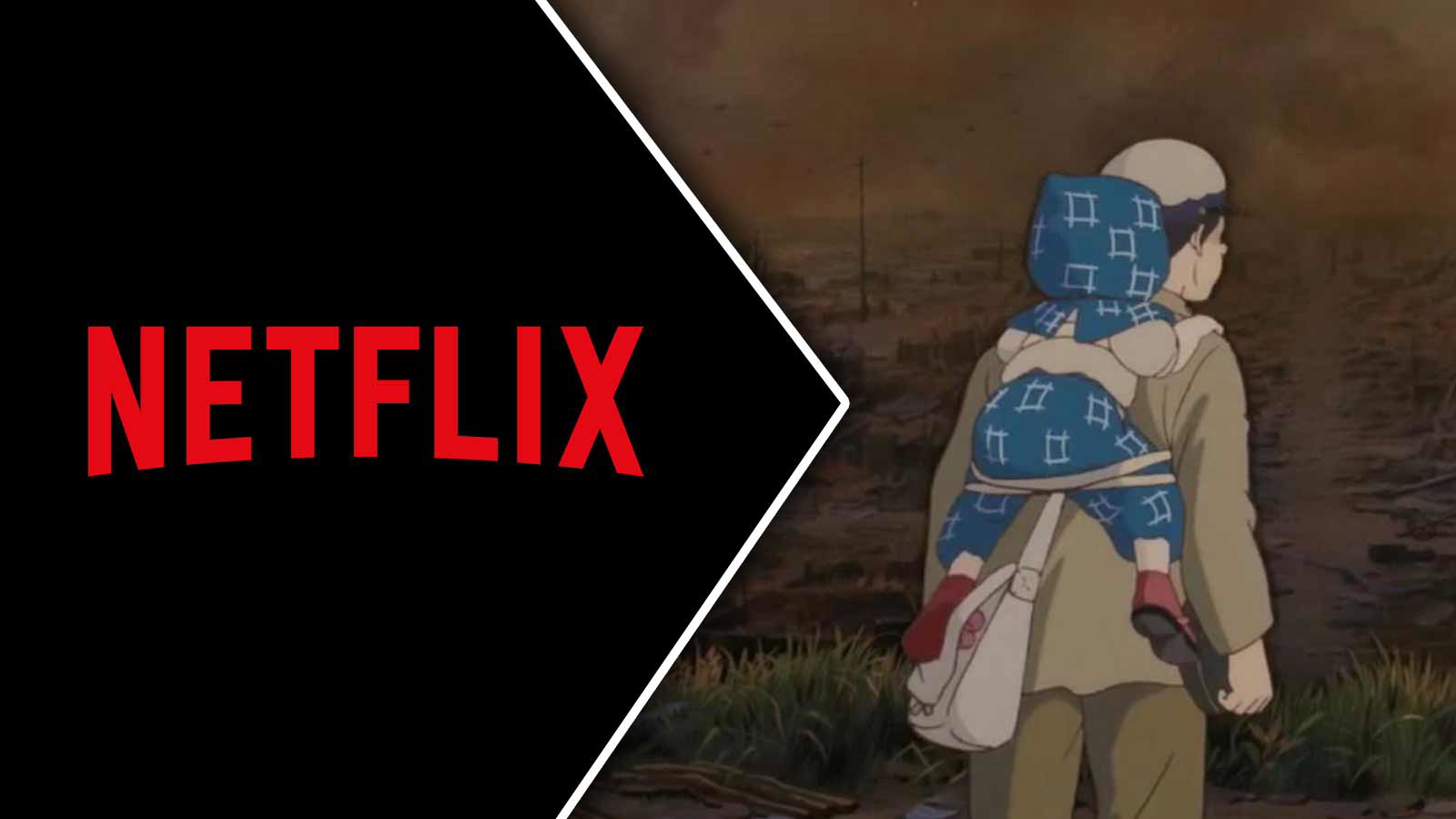
We believe that Miyazaki’s decision to avoid sequels in his work is a deliberate choice. By allowing the films to begin and end naturally, like life itself, Ghibli captures and reflects the very essence of what it means to be alive.
The purpose is to cherish every moment and the lesson is to never long for a quest that has been fulfilled. This is the true beauty of Miyazaki, which lets him craft such journeys.
Frequently asked questions
Why does the article say Hayao Miyazaki avoids making sequels to his Studio Ghibli films?
It frames it as a deliberate artistic choice: Miyazaki crafts self-contained stories with definite endings so each film mirrors the natural cycle of life. Like life itself, a story begins, unfolds, and ends, which keeps every film a unique, unrepeatable work rather than something stretched into unnecessary sequels.
Which Studio Ghibli films does the article reference to make its point?
It points to Spirited Away and the more recent The Boy and the Heron as examples of Miyazaki’s pattern, where a protagonist enters an unknown world, learns lessons, grows, and then returns home. It also recalls Chihiro and her magical hair-tie from Spirited Away to show that you can keep a memento of a journey but can never relive it, and references Kiki’s Delivery Service in passing.
What is the ‘important lesson’ the article says Ghibli’s no-sequel approach teaches?
It frames it as a lesson about temporariness and letting go: every moment must be treasured because it does not return once it is gone, and one should never long for a quest already fulfilled. By letting stories end naturally, the films capture the bittersweet beauty of an adventure that comes full circle but cannot be relived.