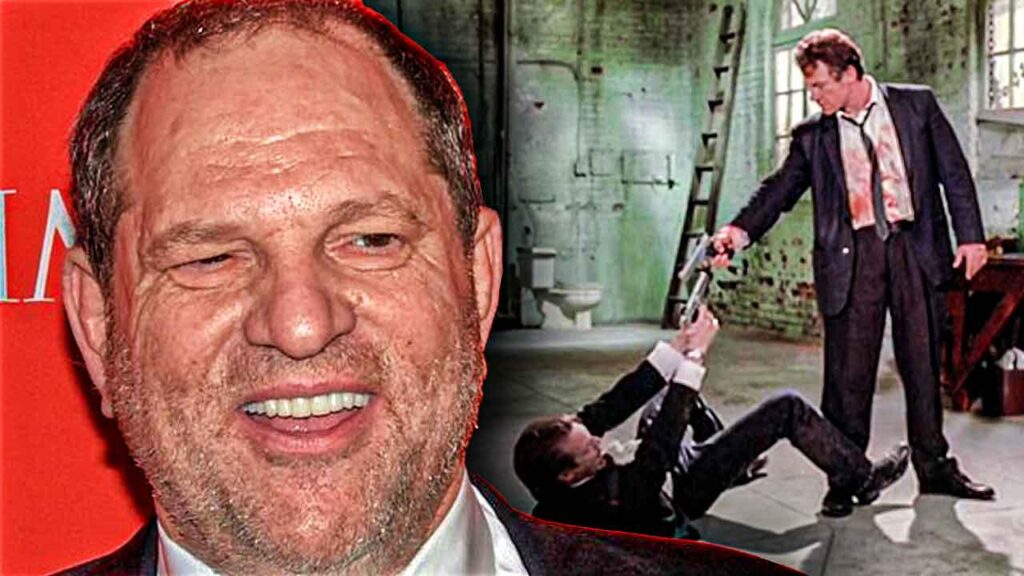
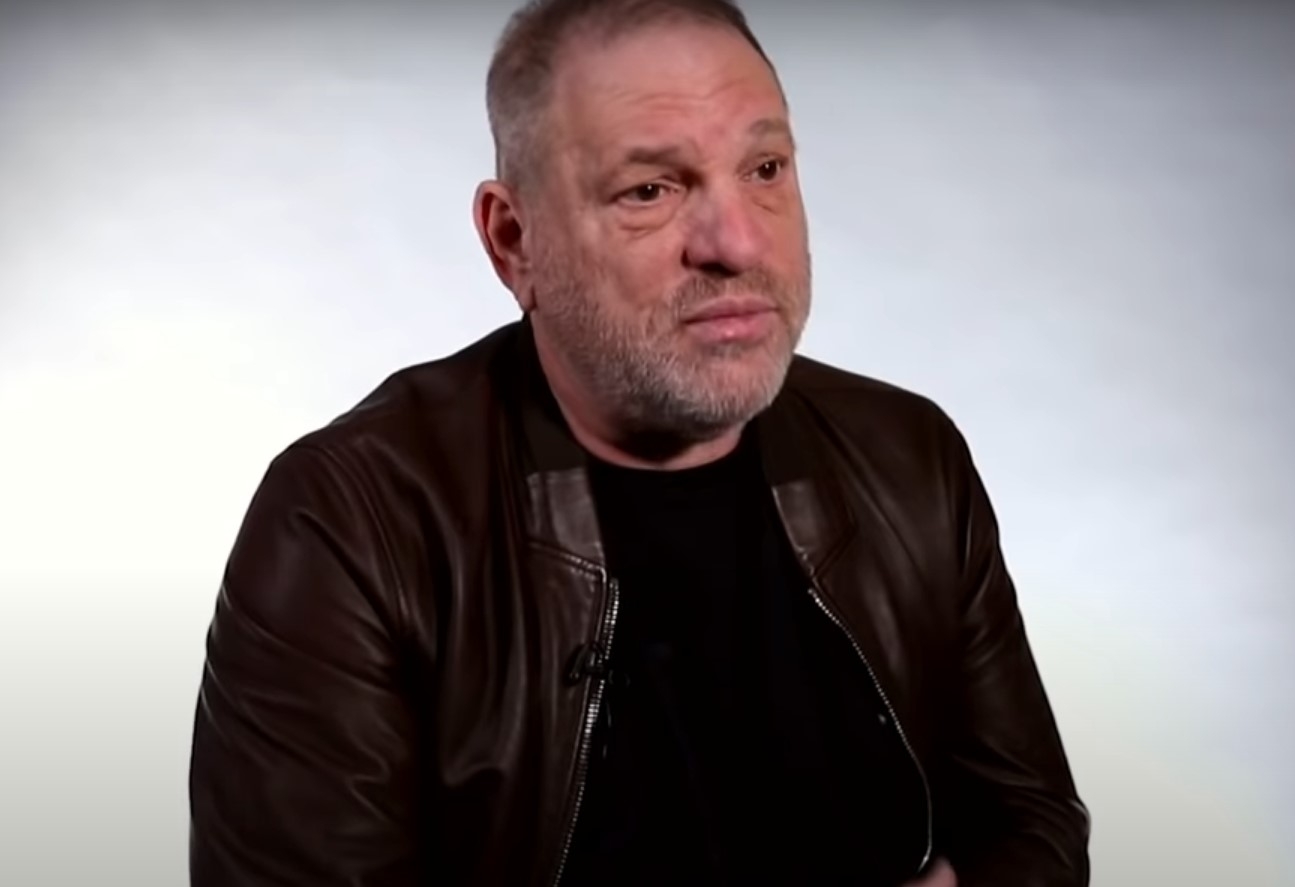
1992’s Reservoir Dogs had a scene that was not so convenient to watch, especially for female viewers. Harvey Weinstein wasn’t very impressed with that one scene in the movie and battled with Quentin Tarantino against presenting it. He was worried about the scene’s violence and tried a lot to cut that out of the movie.
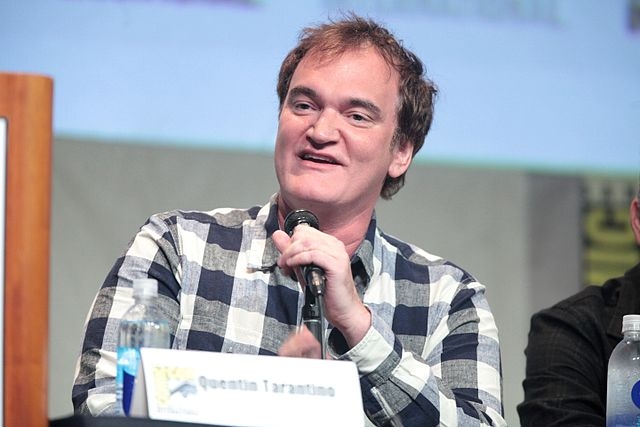
Quentin Tarantino is a household name in the Hollywood entertainment industry. He has made some of the best movies in his filmmaking career spanning more than three decades and is widely known for using elements that directors often tend to avoid. One of the prominent examples is his 1992 blockbuster movie, Reservoir Dogs.
Harvey Weinstein Wanted a Scene to be Cut Out of Reservoir Dogs
In 1992, Quentin Tarantino presented the theaters with a blockbuster film named Reservoir Dogs. Even after 30 years of its release, the film is still one of the critics’ favorites. The movie was showered with love from the audience too. This is evident in its Rotten Tomatoes score.
However, one of the most famous scenes of the movie was a debatable topic. The scene where Mr. Blonde tortures a police officer brutally did not sit right with Harvey Weinstein. So, he reasoned with Tarantino about why the torture scene wasn’t a good thing to be in the movie. According to the director (via The Joe Rogan Experience), Weinstein said:
“Look, Quentin, this is a movie that anybody can watch. But with that torture scene, you’re gonna alienate women; they’re not gonna wanna see this. So you’re literally putting your own movie in a little box.”
According to Weinstein, women would not be very interested in the kind of violence that the scene holds and that would ultimately result in a cut in the audience count. However, without that scene, Weinstein was pretty sure that the audience would love the movie and appreciate it a lot.
Quentin Tarantino Defended the Torture Scene
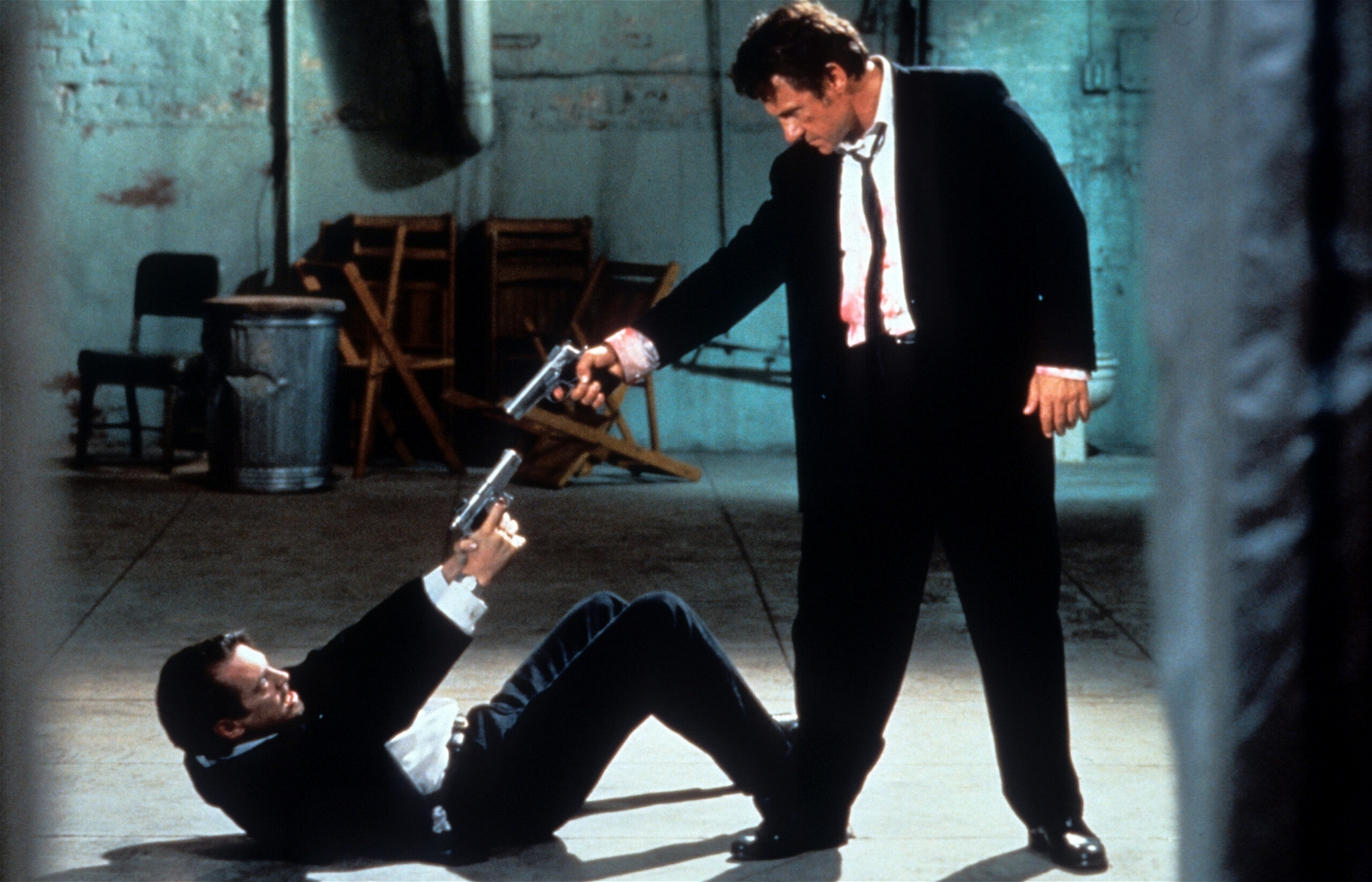
Although Harvey Weinstein wasn’t a fan of the torture scene of Reservoir Dogs, Tarantino still went ahead with it. Tarantino didn’t compromise with the scene and fortunately, the scene that was earlier rejected by Weinstein went on to become the best scene of the movie.
In the interview with Joe Rogan, Tarantino also explained how rejecting to fulfill Weinstein’s wishes shaped him as a director. He said:
“And [in rejecting Weinstein’s wishes], that’s kind of actually where I became me, because Harvey was used to winning these type of arguments.”
The director defended the torture scene from Weinstein’s urges to cut it out by saying that the movie had already been played at festivals. So, the scene getting cut would be noticed and its absence would be questioned.
Critics have heavily appreciated the kind of storytelling that the movie comes forward with. Interestingly, the movie was the Pulp Fiction director’s directorial debut so it is quite surprising that he made a masterpiece in the first attempt itself.
Reservoir Dogs is available for buying on YouTube and Apple TV.
Frequently asked questions
What scene in Reservoir Dogs caused a dispute between Weinstein and Tarantino?
Harvey Weinstein objected to the torture sequence involving Mr. Blonde attacking a police officer, worried its graphic violence would alienate female viewers. He reportedly told Tarantino the scene would stop women from wanting to see the movie. Despite Weinstein’s repeated attempts to have it removed, Tarantino refused to compromise, and the sequence stayed in the final cut of the 1992 film.
How did Tarantino respond to pressure to cut the scene?
Tarantino stood firm and kept the scene despite Weinstein’s objections. He later told Joe Rogan that rejecting Weinstein’s wishes was where he found his own creative identity, since Weinstein was used to winning these arguments. Tarantino also noted the film had already screened at festivals with the scene included, so cutting it afterward would have raised obvious questions.
How was Reservoir Dogs received by critics and audiences?
Reservoir Dogs remains beloved by critics more than thirty years after its 1992 release and performed well with audiences at the time. It is especially notable as Tarantino’s directorial debut, making the film’s lasting acclaim more remarkable. The torture scene that Weinstein wanted removed ultimately became one of the movie’s most acclaimed and discussed moments.