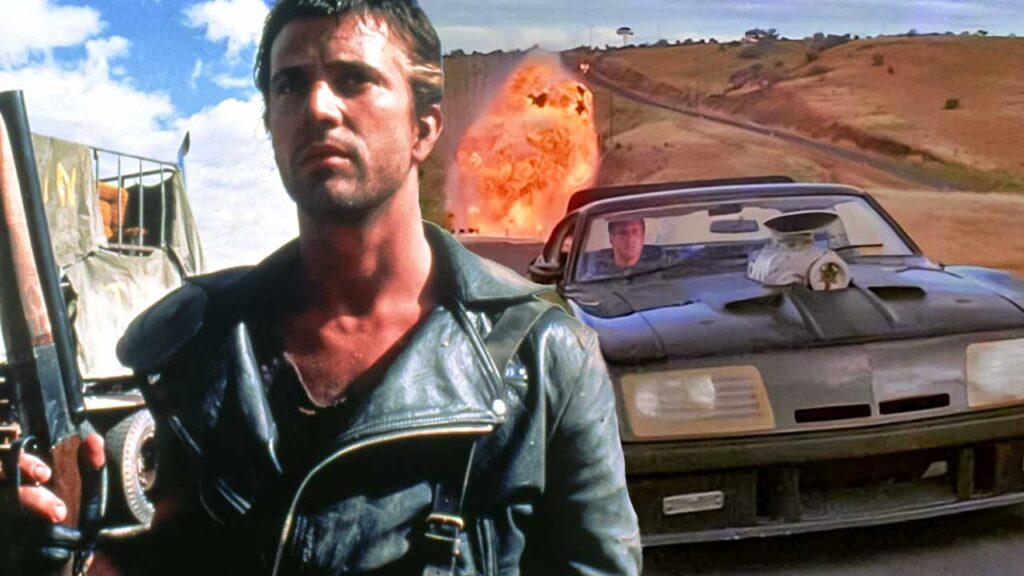
For Australian movie lovers, it might be hard to imagine a time with barely any Aussie films on the big screen. But that’s exactly what it was like in the 1950s and 1960s. Back then, while other countries were churning out hit movies, Australia’s film industry was struggling to find its footing. There were barely any movies being made, and even fewer that people remember today.
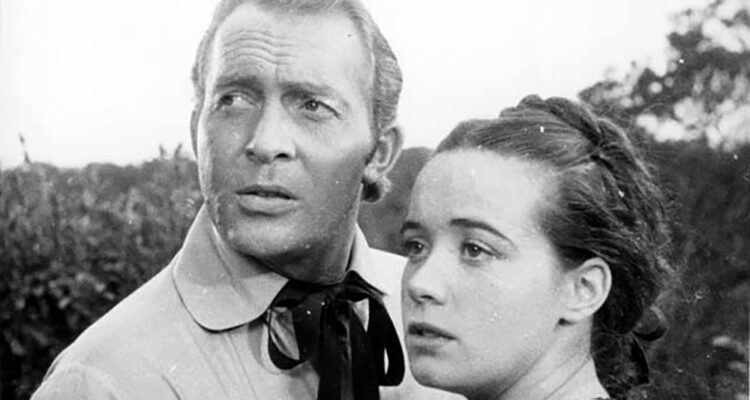
Then, things changed for the better in the late 1960s. The government, led by Prime Ministers John Gorton and Gough Whitlam, saw the potential of Australian cinema. They decided to give it a much-needed shot.
To turn things around, the government put money towards a film school (Australian Film, Television and Radio School) founded in 1972. They also invested more cash in Aussie filmmakers. The result? A boom in creativity between 1970 and 1985. This period, known as the Australian New Wave, saw a wave of fresh and daring films by a new generation of directors.
British Government’s Role in Mad Max‘s Launch
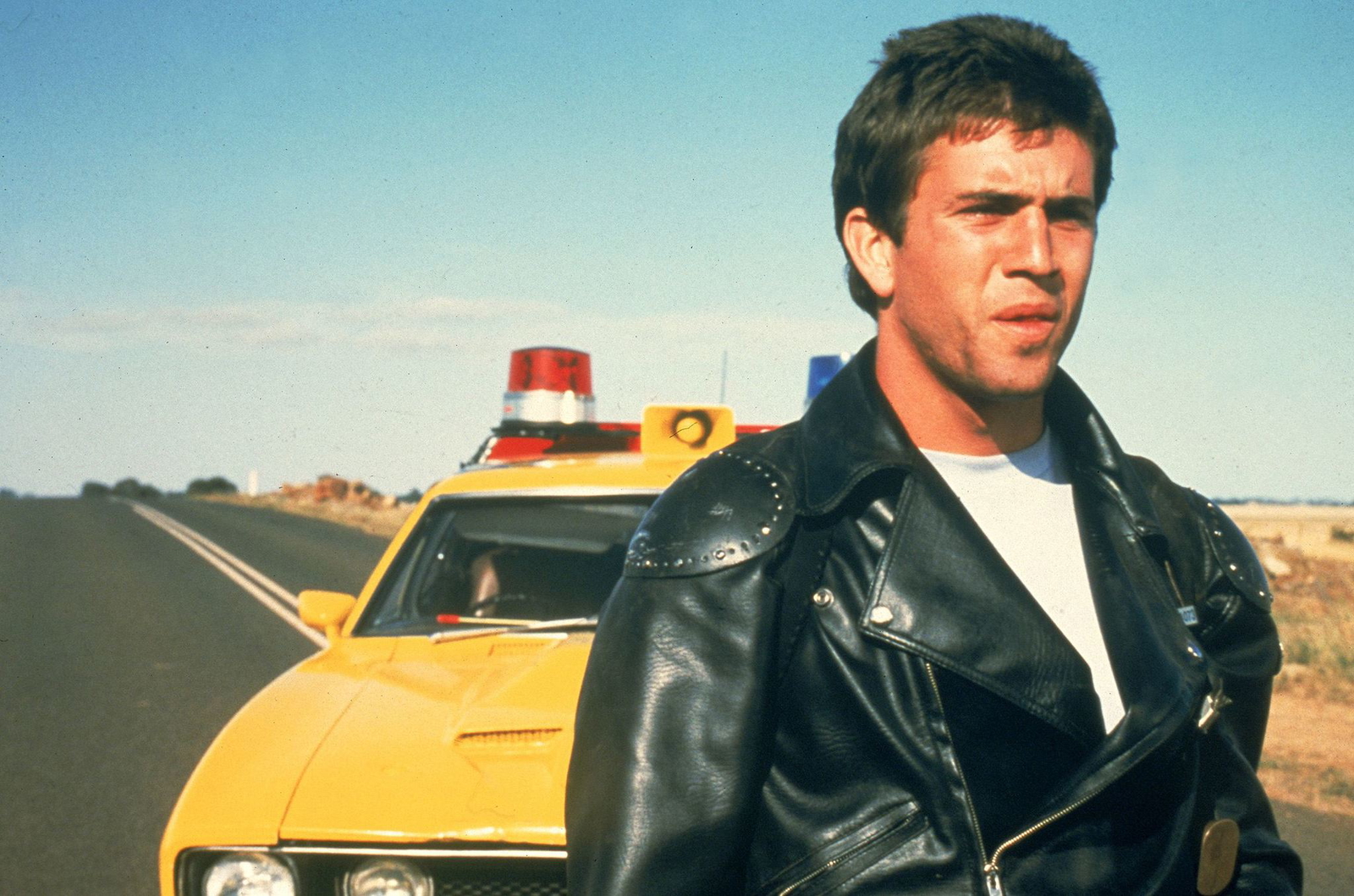
Aussie movies hit the big time in the 70s and 80s! In this era, called the Australian New Wave, filmmakers weren’t afraid to break the rules and tell unique stories. One of the biggest hits was Mad Max, an action flick set in a world after a big disaster.

Aussie New Wave Transformed Global Cinema with Diversity
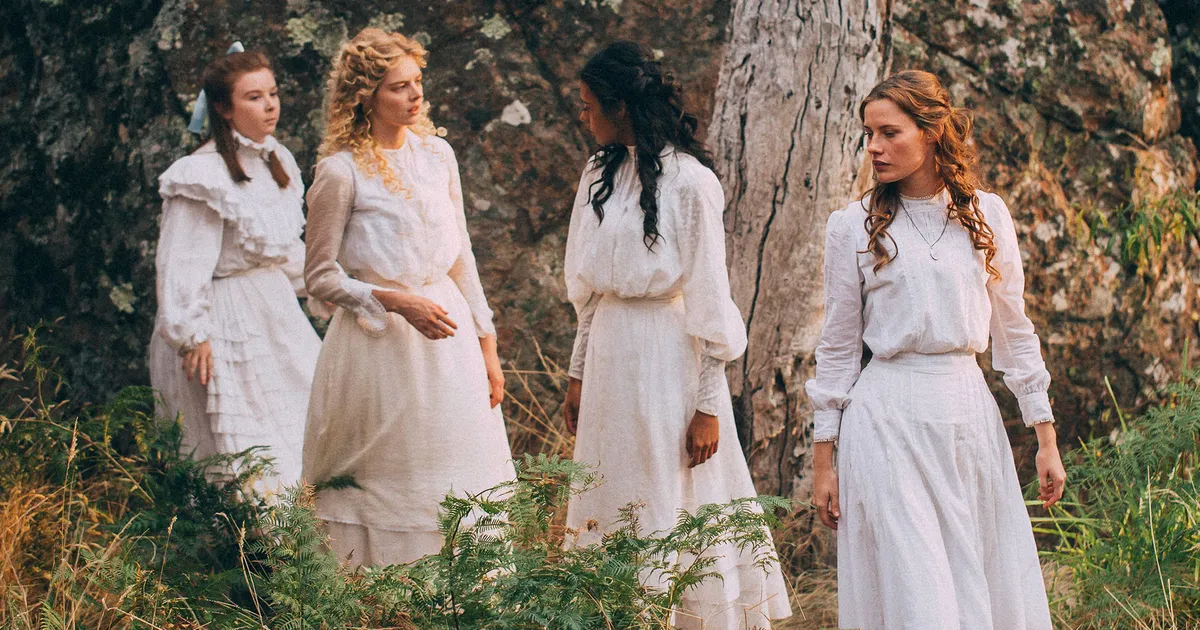
Australia’s film scene wasn’t all explosions and car chases. Sure, Mad Max was a huge hit, but there was a lot more to this movement. It gave a great mix of films, from chick flicks like Puberty Blues to brain teasers like Picnic at Hanging Rock.
This movement launched several Australian stars, like Paul Hogan and Nicole Kidman, and hotshot directors like George Miller and Peter Weir, who later made it big in Hollywood. The impact of the New Wave is still strong today. For instance, the success of Mad Max: Fury Road shows that these Aussie stories can still captivate audiences worldwide.

Watch Mad Max on Prime Video!
Frequently asked questions
Did the government fund the original Mad Max movie?
No, not directly. Mad Max was independently financed by George Miller and producer Byron Kennedy, who reportedly avoided applying to Australian government film bodies at the time. However, the film emerged during the Australian New Wave, a period from the 1970s to mid-1980s when government investment in film schools and local production helped fuel a broader boom in Australian cinema.
How much money did Mad Max make at the box office?
Mad Max earned more than $99 million at the worldwide box office against a very small production budget, which for years made it one of the most profitable films ever made relative to its cost. The film’s success helped introduce Australian genre filmmaking to a global audience and launched Mel Gibson’s career as a leading man.
What was the Australian New Wave?
The Australian New Wave refers to a period of roughly 1970 to 1985 when a new generation of filmmakers produced a wave of distinctive Australian films, aided by government support for institutions like the Australian Film, Television and Radio School, founded in 1972. The movement launched the careers of directors like George Miller and Peter Weir, along with stars such as Nicole Kidman and Paul Hogan.