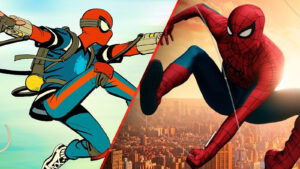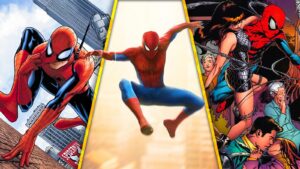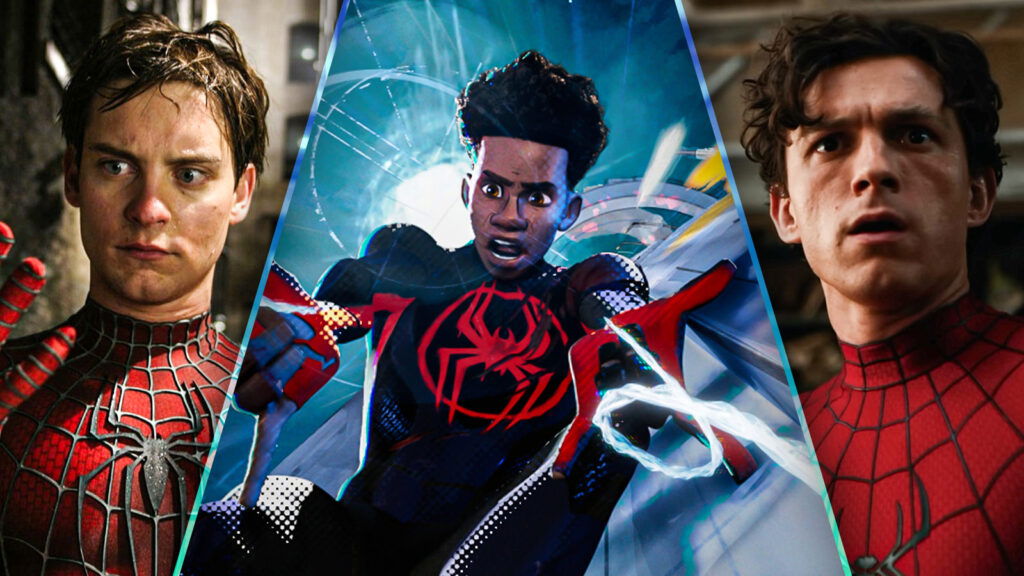
Spider-Man has gone through four separate film universes, three in live-action and one in animation. The fourth movie in Tom Holland’s MCU will be out this week, making him the first live-action actor to get a fourth film. For over 24 years, the web-slinger has dominated the screens. We will see how all the movies hold up.
This ranking weighs four factors equally: how well each film captures Peter Parker’s core theme of responsibility, the quality of its villain, technical and creative craft (writing, action, visual style), and lasting cultural impact.
Spider-Man: Brand New Day’s placement is based on early reactions rather than a full critical or audience consensus, and may shift as more reviews come in.
11. Spider-Man 3
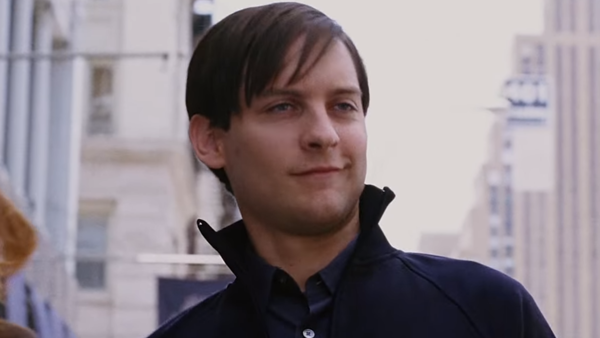
Sam Raimi’s Spider-Man trilogy is the OG version of Spider-Man with Tobey Maguire. However, after making one of the best sequels of all time, Spider-Man 3 did not live up to the expectations of fans. One of the biggest issues that fans had with the movie was that there were too many villains. Sandman, Venom, and the Green Goblin- it was just a crowd.
The infamous emo-dance sequence has become a meme for good reason; it’s a tonal disaster. Three villains get a fraction of the development any one of them deserved. There are strong individual scenes, particularly Peter and Harry’s friendship unraveling, but the film never finds a coherent shape.
10. The Amazing Spider-Man
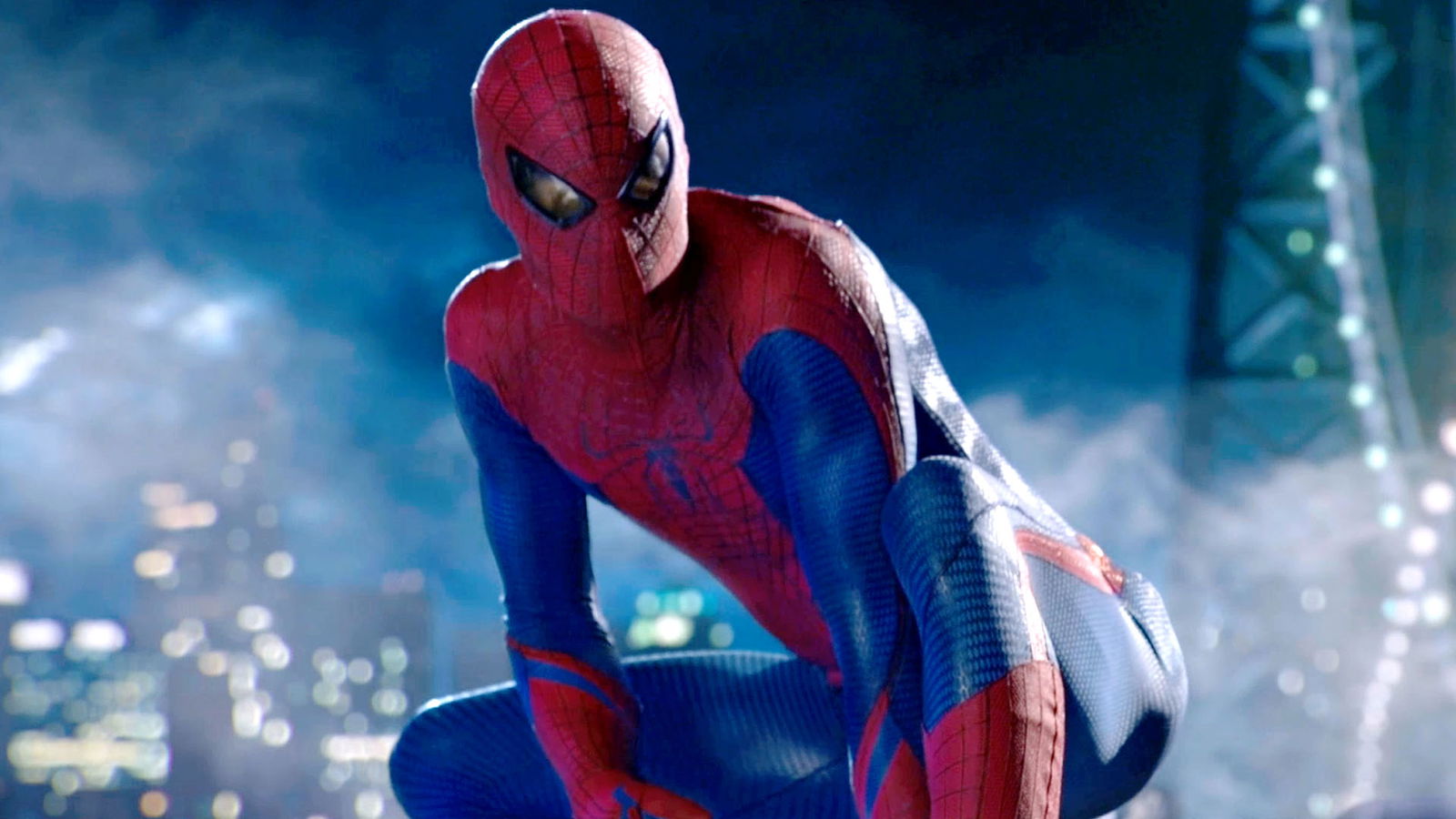
Just five years after Spider-Man 3 and Sam Raimi’s trilogy came to an end, Sony rebooted the franchise with The Amazing Spider-Man. While Andrew Garfield is now appreciated for his performance as Peter, the movie itself at the time was not that beloved. Garfield and Emma Stone’s chemistry is great, but the reboot never quite reaches the quality of the original.
But the Lizard is a forgettable villain with muddled motivations, and the film retreads Uncle Ben’s death beat-for-beat without adding new insight. It’s competently made and reasonably entertaining, but it feels redundant rather than necessary.
9. The Amazing Spider-Man 2
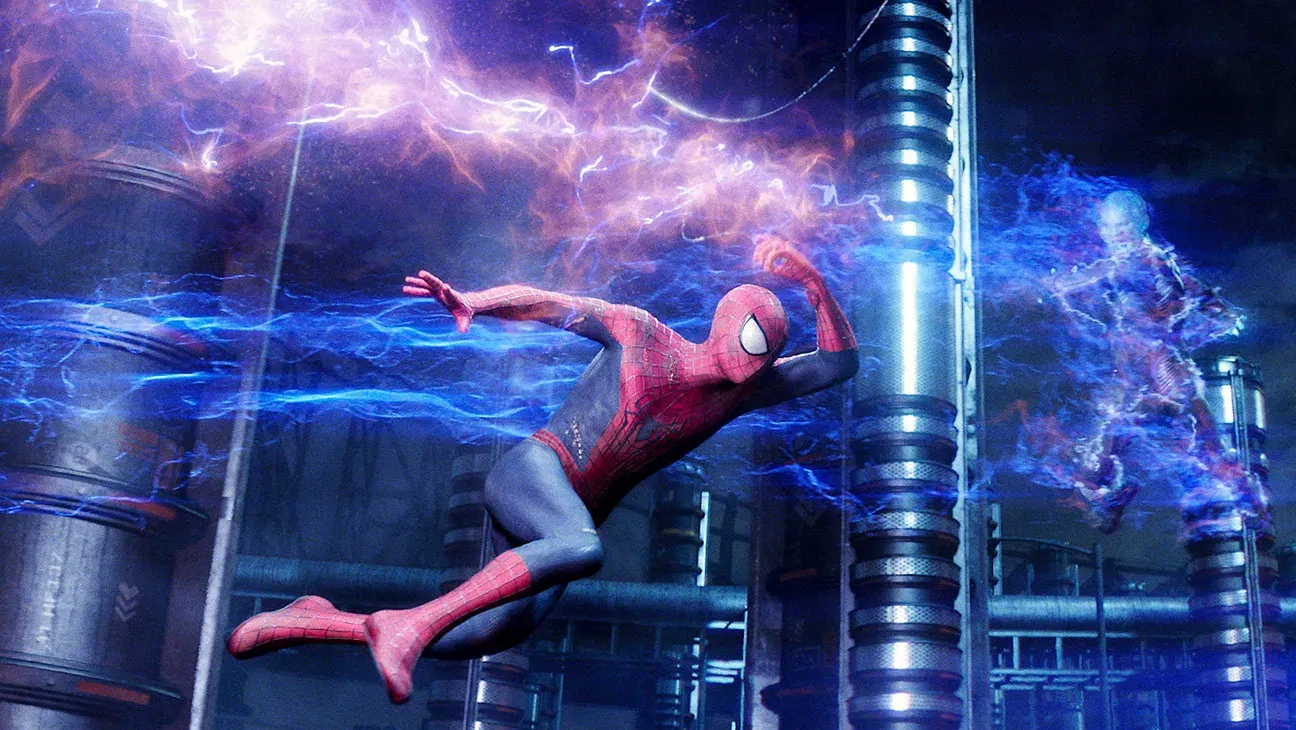
Andrew Garfield’s second outing collapses under the weight of setting up a shared universe instead of telling its own story. Jamie Foxx’s Electro is visually interesting but thematically thin, and the film juggles three villains without developing any of them properly.
Gwen Stacy’s death is genuinely well-executed, but it’s buried under studio-mandated spinoff teasers (the Sinister Six, Rhino) that go nowhere. The tonal whiplash between goofy romance and grim tragedy never resolves.
8. Spider-Man: Far From Home
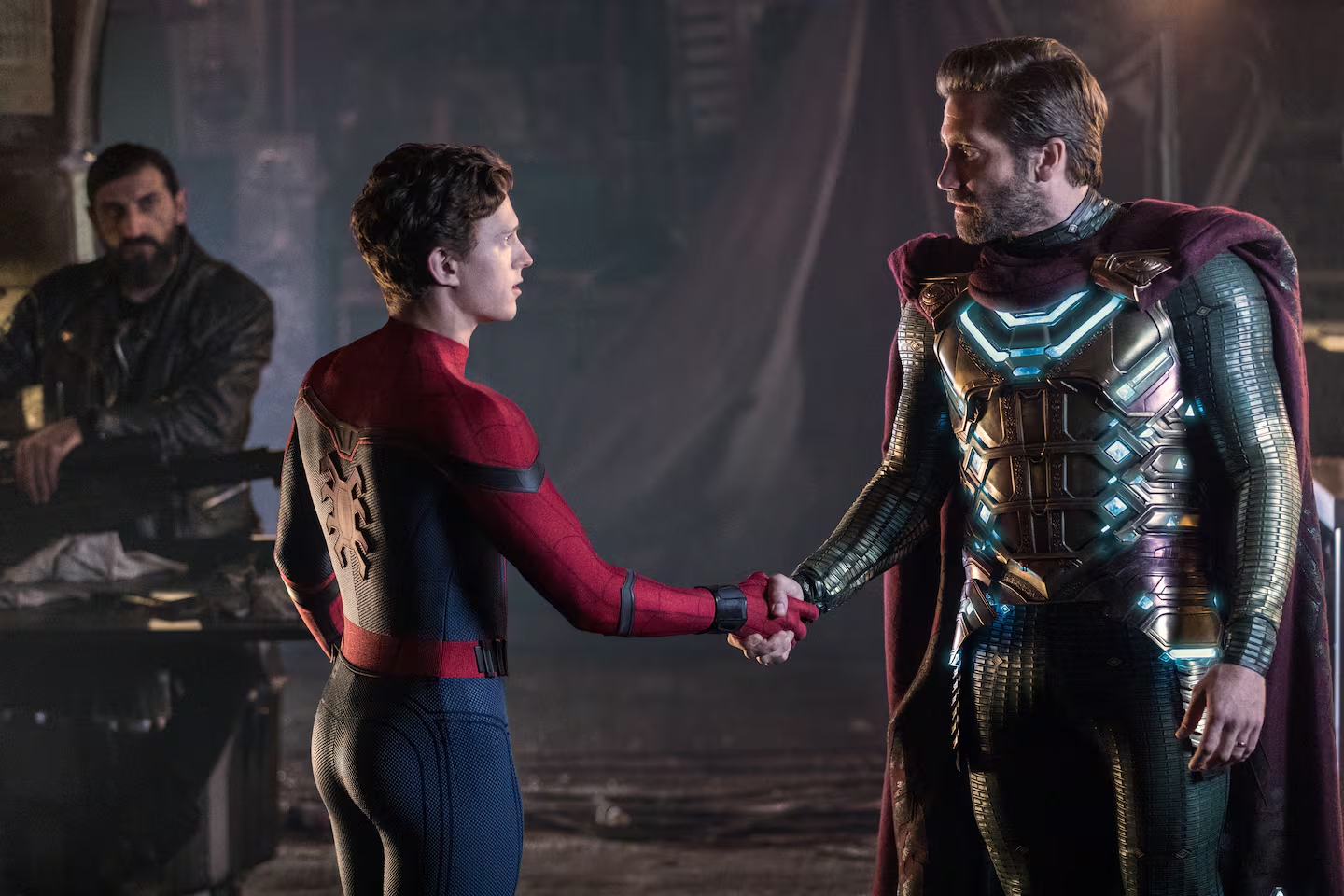
Tom Holland’s sophomore solo film was set after Endgame and saw how he dealt with the trauma of Tony Stark’s death. He lost a mentor figure in his life, and Quentin Beck almost became that, but his illusions changed everything.
Jake Gyllenhaal’s performance elevates what could have been a gimmicky villain into one of the MCU’s more memorable antagonists. Tom Holland continues to nail Peter’s specific blend of teenage anxiety and heroic instinct, and the European settings give it a fun travelogue energy. It loses points for leaning heavily on other MCU films for emotional stakes rather than standing fully on its own.
7. Spider-Man: Homecoming
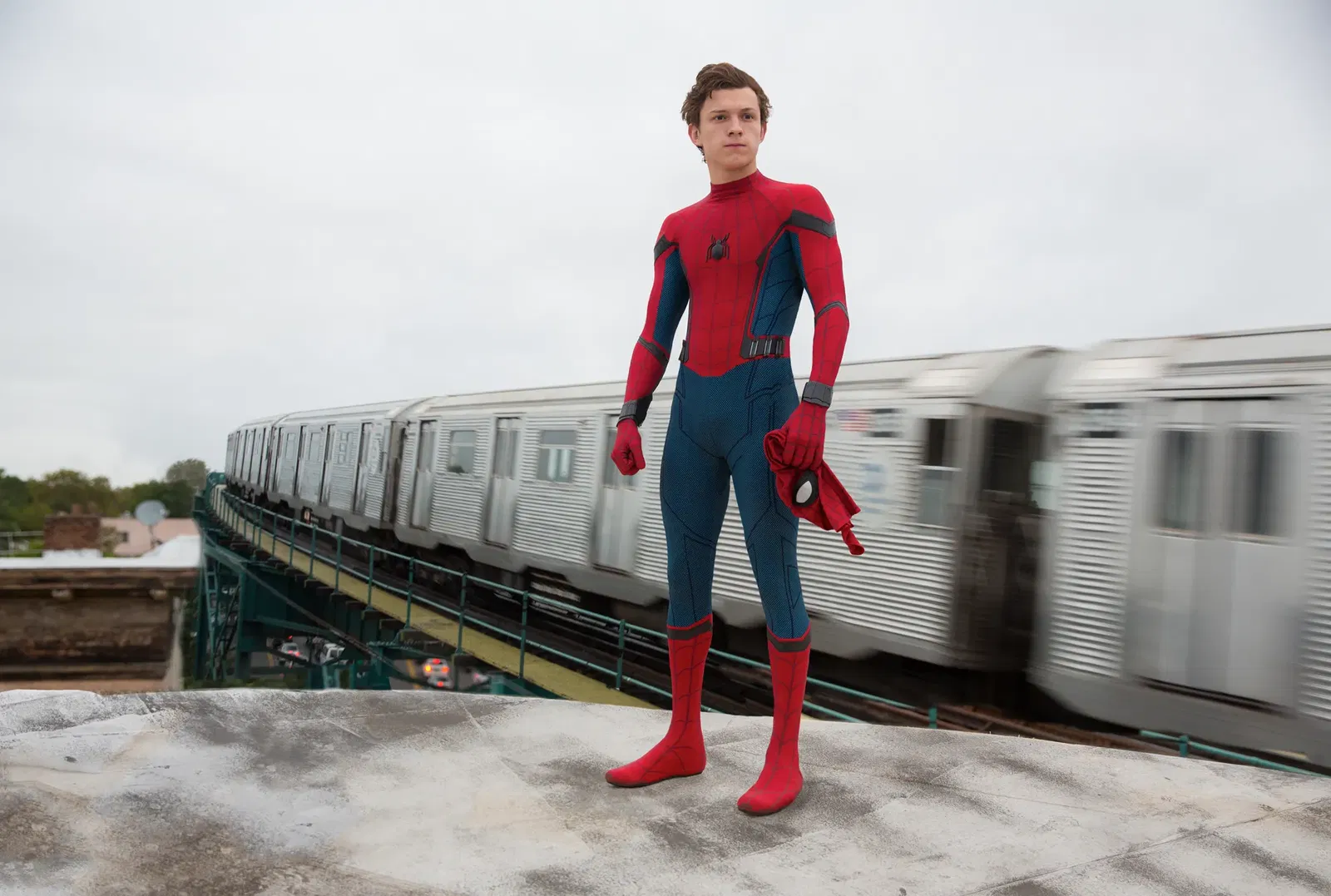
The MCU’s first Spider-Man solo film smartly shrinks the stakes to a high school level, letting Peter Parker feel like an actual teenager for the first time on screen. Michael Keaton’s Vulture is one of the MCU’s best villains, a working-class man with genuinely sympathetic grievances.
Tony Stark’s mentorship adds warmth without overshadowing Peter’s own growth. The film’s humor and grounded tone were a refreshing course correction after two mixed reboots. It ranks solidly in the upper half for reinventing the character’s tone successfully, even if it stops short of true greatness.
6. Spider-Man
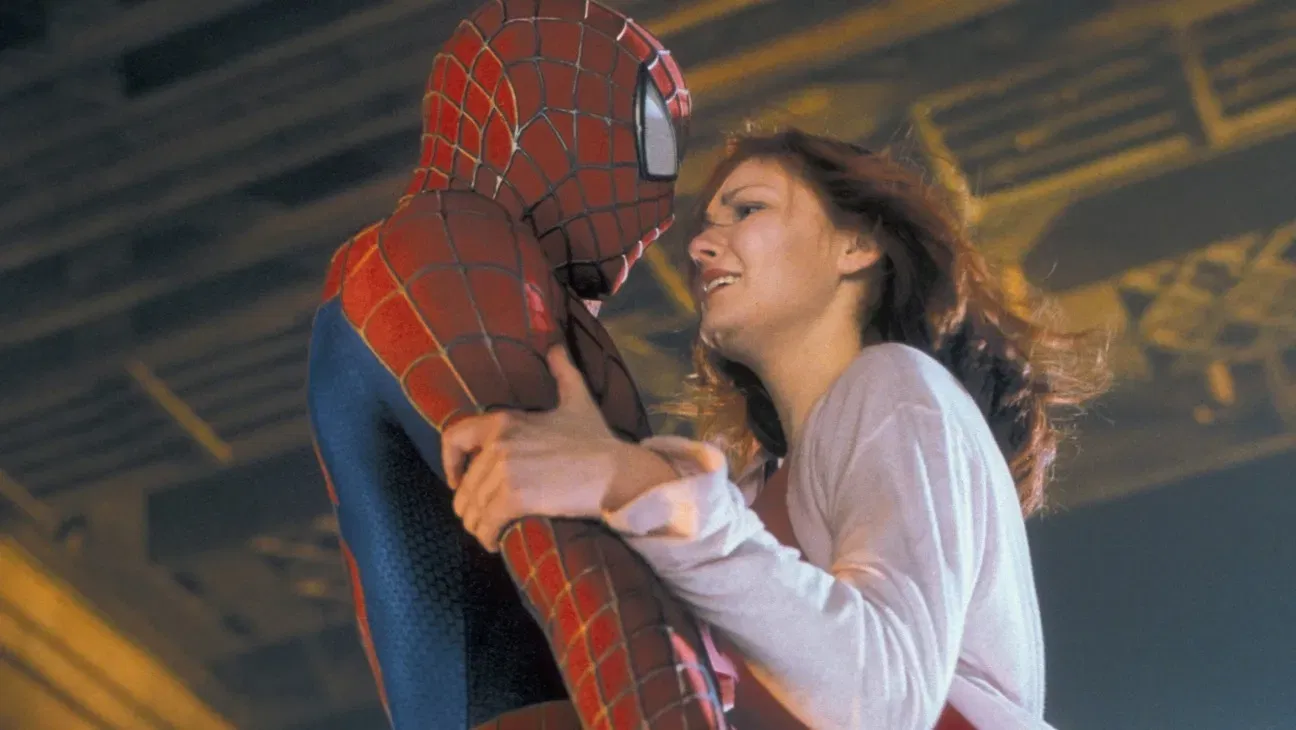
Sam Raimi’s original trilogy is one of the best superhero movies and is foundational to the genre. The origin story structure, Tobey Maguire’s performance, and the impressive swinging scenes made a whole generation fall in love with the character. Willem Dafoe’s Green Goblin remains a genuinely unsettling, well-motivated villain.
Some effects have aged poorly, and the pacing drags in the middle act, but the film’s sincerity about power and responsibility still lands. It ranks here not because it’s bad; it’s a classic, but because several later films refined its formula with better villains, tighter plotting, or more ambitious visual storytelling
5. Spider-Man: Brand New Day
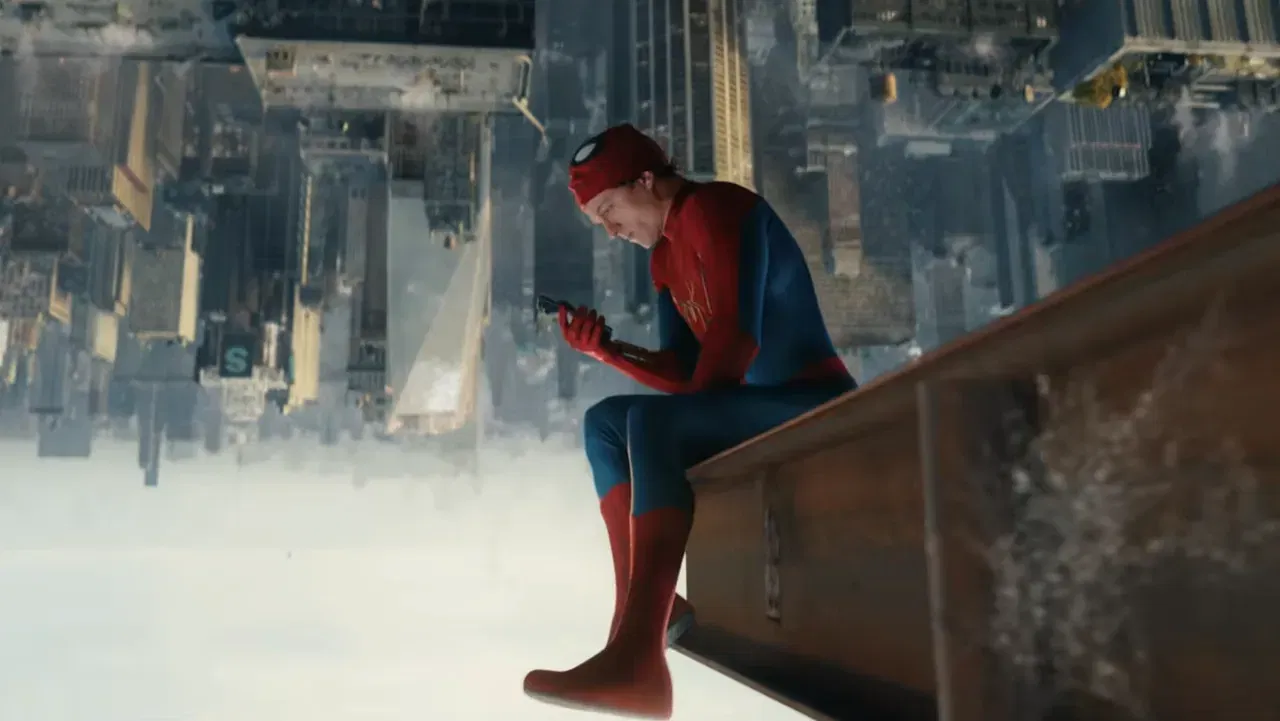
Spider-Man: Brand New Day is the newest addition to the franchise. Set in a world that has forgotten Peter Parker entirely, this installment pulls Holland’s Spider-Man away from multiverse spectacle and back toward a grounded, street-level story, with Jon Bernthal’s Punisher and Mark Ruffalo’s Hulk as allies against a villain who can’t be seen.
Early reactions single out Holland’s most mature performance yet and praise the film’s emotional weight and willingness to slow down after three multiverse-heavy predecessors.
4. Spider-Man: No Way Home
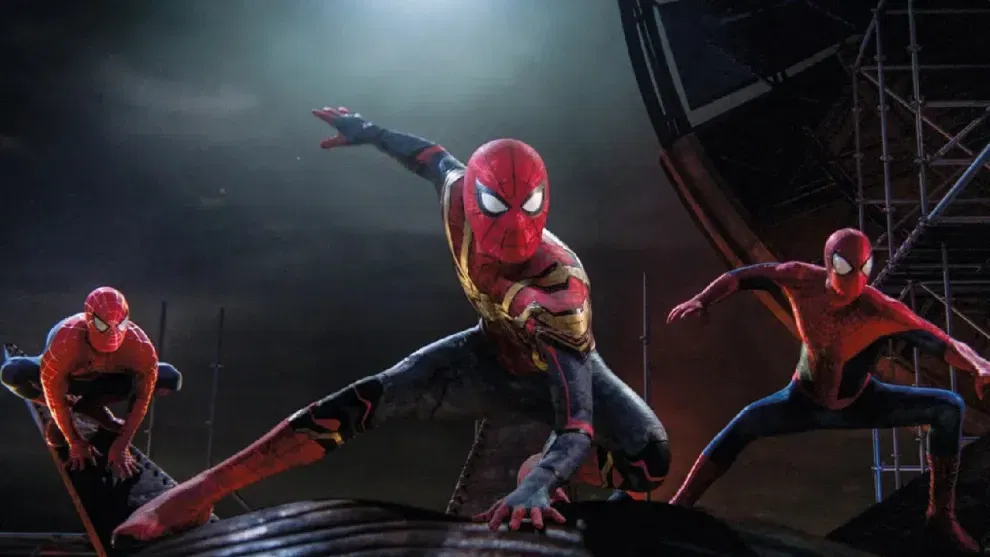
Three Spider-Men. That’s it. That’s the article. No Way Home saw all three live-action versions of the character come on screen at the same time. Andrew Garfield, Tobey Maguire, and Tom Holland, along with other prominent stars like Willem Dafoe, Jamie Foxx, Alfred Molina, and more, returned to their roles in the film.
It was a cinematic event that brought multiple generations together. The film treats it as a story about mercy and redemption, not just nostalgia. Willem Dafoe’s Green Goblin is terrifying again, nearly twenty years later. The ending, with Peter erased from everyone’s memory, is a bold, costly choice that respects the character’s mythology.
3. Spider-Man: Into the Spider-Verse
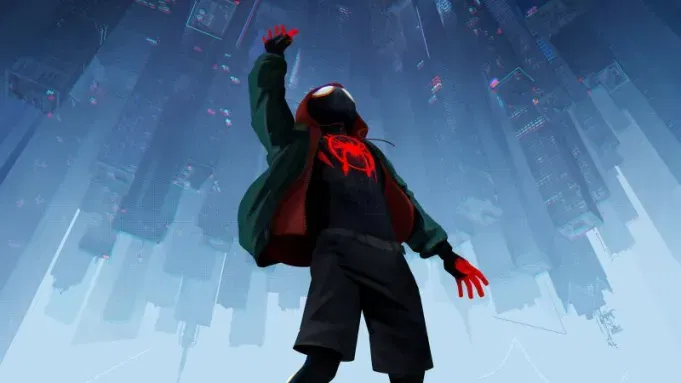
Phil Lord and Christopher Miller’s Spider-Verse movies are two of the best superhero movies and animated movies ever made. The amount of details and Easter Eggs planted is so wonderful and huge in number that stuff is still being discovered today. And it all started with Into the Spider-Verse.
The multiversal story has a bold, comic-book style of design and the energy of Miles Morales is infectious. It is inspiring when it needs to be (‘What’s up, danger’ is an iconic moment), and the action and visuals are on point.
2. Spider-Man 2
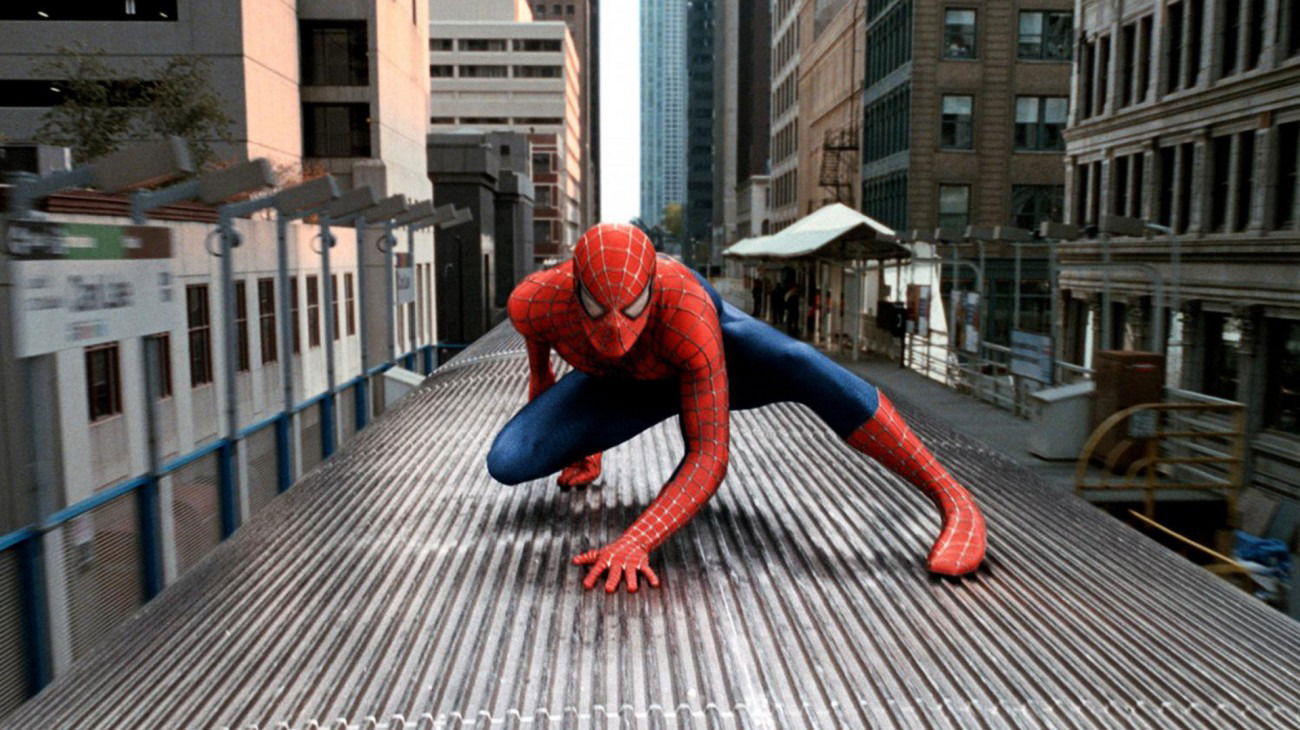
Widely considered the gold standard for years, Raimi’s sequel pairs a tragic, well-realized Doc Ock with Peter’s most compelling internal conflict: whether the cost of heroism is worth his own happiness.
The train sequence remains one of the best action set pieces in superhero cinema, and Alfred Molina brings real pathos to Otto Octavius. The film balances spectacle, romance, and theme better than almost any entry on this list.
1. Spider-Man: Across the Spider-Verse
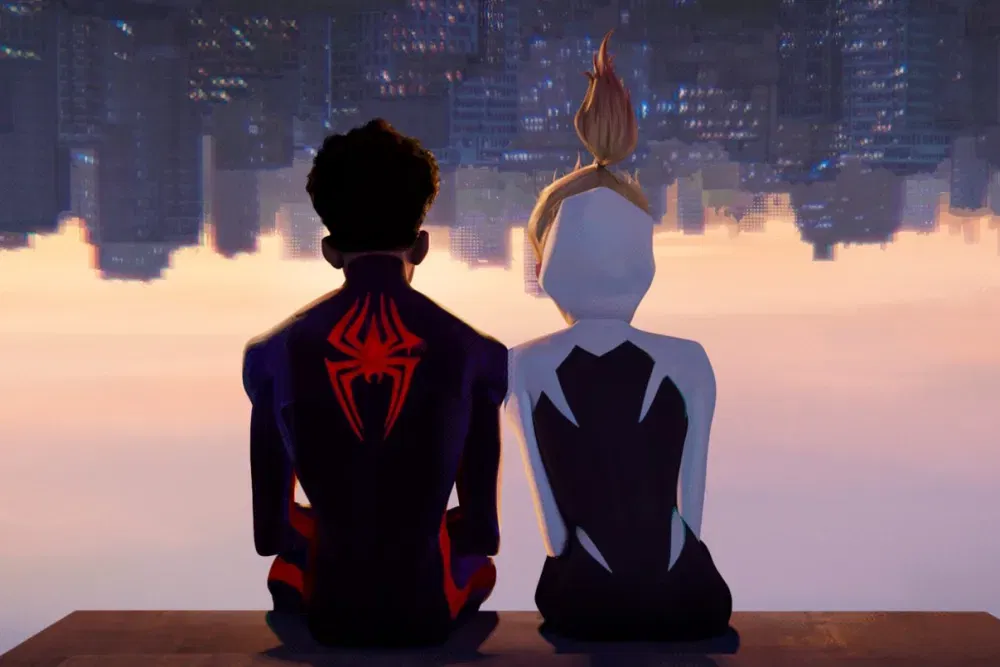
Spider-Man always gets sequels right. Across the Spider-Verse came four years after Into, and it was well worth the wait. The animation and visuals were insane, but the storyline centered on Gwen this time, and Miles’ coming-of-age is so well done. The music is again on point, blending Daniel Pemberton’s incredible soundtrack and Metro Boomin album.
The film deepens Miles Morales’s story into something about identity, fate, and the cost of deviating from expectations, while introducing Spider-Society as a fascinating multiversal bureaucracy. Its cliffhanger ending is divisive, but the sheer ambition and craft on display are unmatched.
| Rank | Movie Name | Rotten Tomatoes – Tomatometer | Popcornmeter (as of July 30 2026) |
| 1 | Spider-Man: Across the Spider-Verse | 95% | 95% |
| 2 | Spider-Man 2 | 93% | 82% |
| 3 | Spider-Man: Into the Spider-Verse | 97% | 93% |
| 4 | Spider-Man: No Way Home | 91% | 98% |
| 5 | Spider-Man: Brand New Day | 93% | 97% |
| 6 | Spider-Man | 90% | 67% |
| 7 | Spider-Man: Homecoming | 92% | 87% |
| 8 | Spider-Man: Far From Home | 91% | 95% |
| 9 | The Amazing Spider-Man 2 | 50% | 64% |
| 10 | The Amazing Spider-Man | 71% | 77% |
| 11 | Spider-Man 3 | 62% | 51% |
Which is your favorite Spider-Man movie? Comment below.