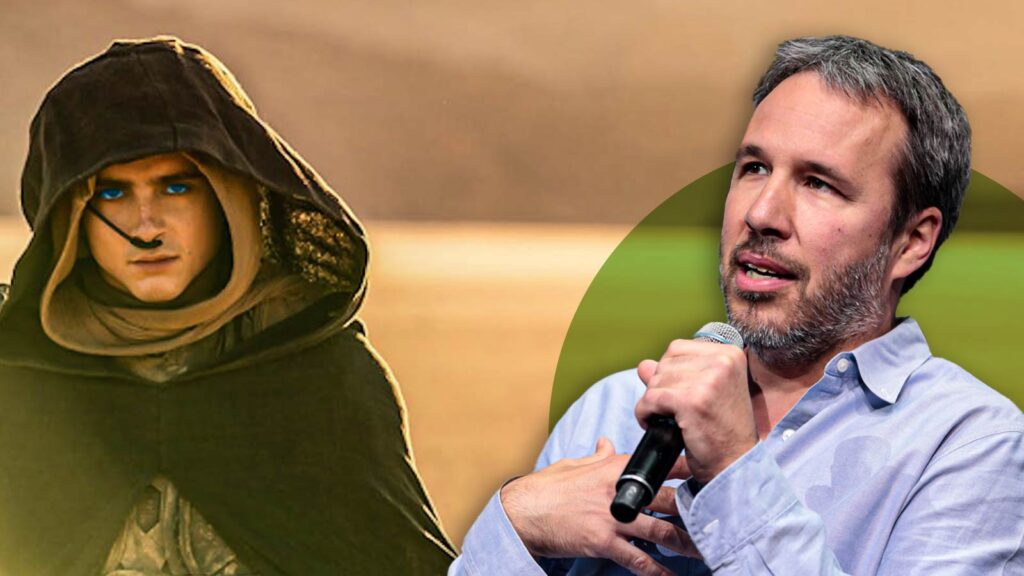
Denis Villeneuve is all set to start working on the next installment of the Dune film series. As much as fans would like to go back to Arrakis for as long as they can, the filmmaker does not feel the same way and is planning to limit the series to only three films. Although this might sound like a bummer to fans, Villeneuve’s decision is right.
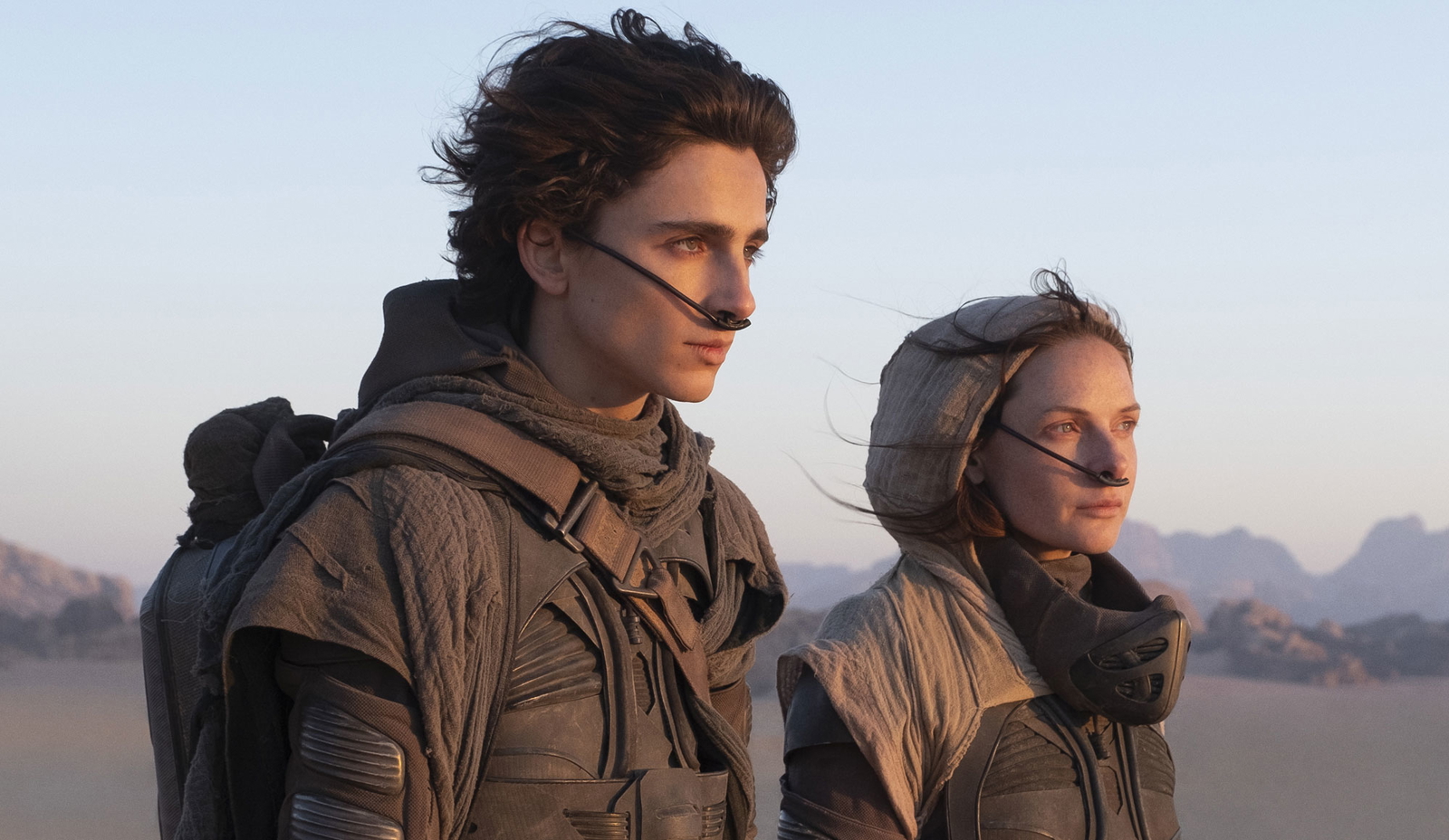
For people who are unfamiliar with the novels by Frank Herbert, it might sound very bizarre that Villeneuve wants to stop making any more Dune films after the third one considering how successful it has been. However, that perspective will change upon learning how bizarre the storyline of God Emperor of Dune is.
Dune: Messiah will most probably be Denis Villeneuve’s last film in this series
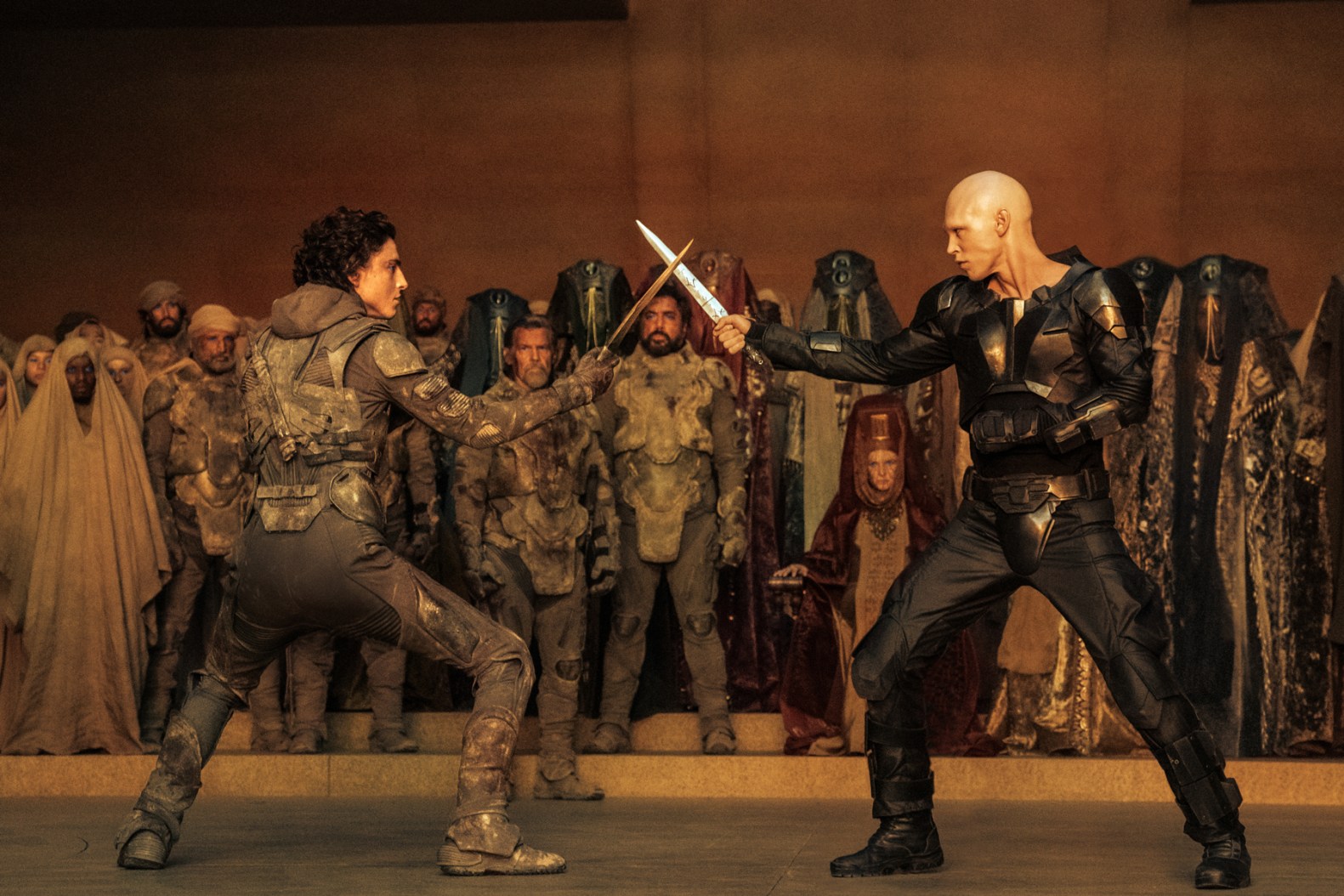
The Dune film franchise was kickstarted in 2021 and turned out to be a blockbuster which earned great critical appreciation for Denis Villeneuve’s masterful adaptation of Frank Herbert’s first novel of the same name. Timothée Chalamet, Zendaya, Rebecca Ferguson, and Oscar Isaac’s performances were also praised.

Then came Dune: Part Two in which Chalamet, Zendaya, and Ferguson were joined by numerous new characters portrayed by Florence Pugh, Austin Butler, Christopher Walken, and Javier Bardem. This was one of the rare cases when the sequel turned out to be even better and more successful than the first film.
Considering how rewarding this film series has been commercially as well as critically, neither the studio nor the director should think of quitting it. However, Villeneuve has made it abundantly clear that the chances of him returning after Dune: Messiah are very low. In a recent interview with The Wrap, he reiterated it when asked if this would be his last time returning to Arrakis.
Yes. After that, it would become unhealthy.
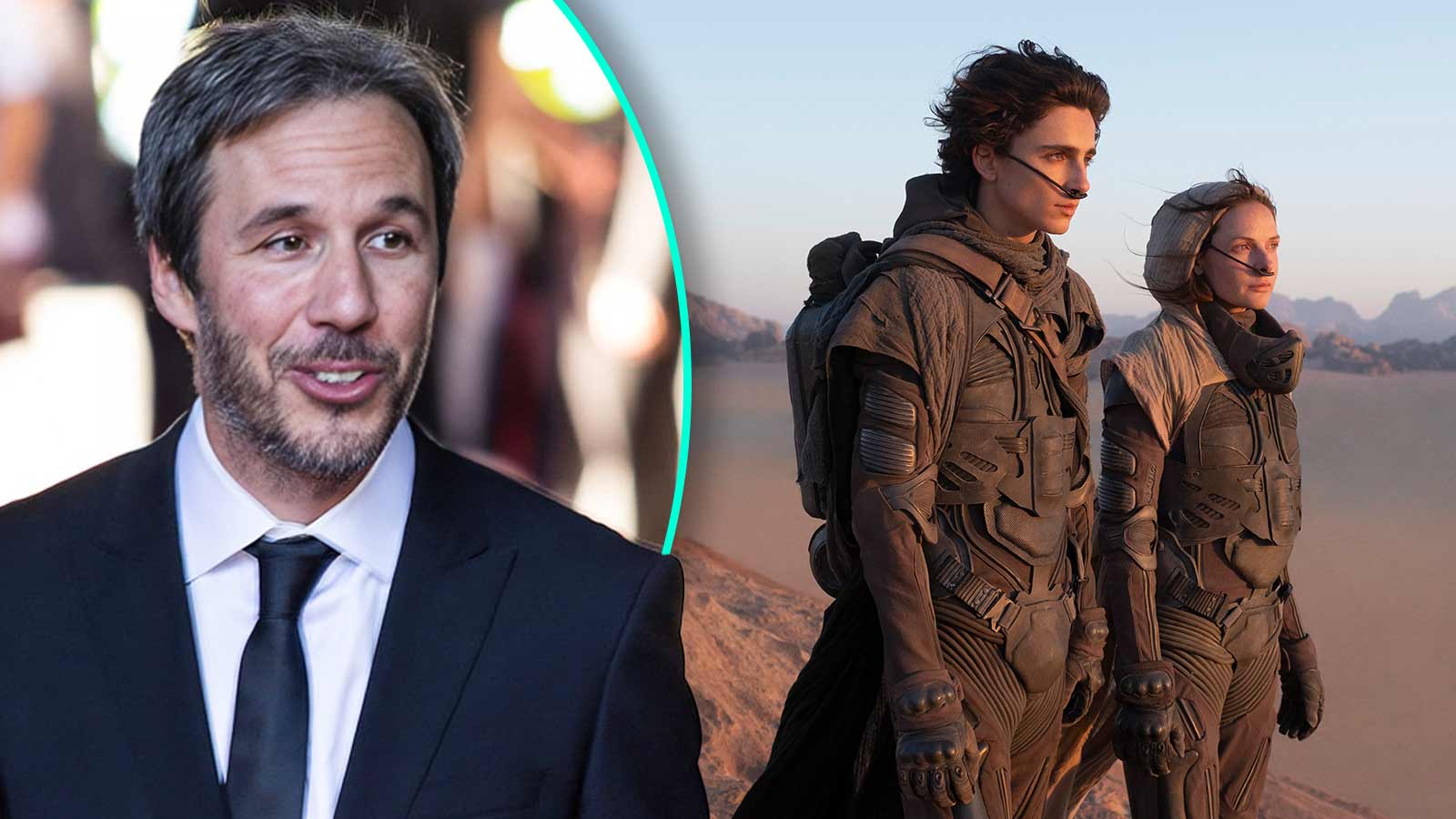
This is not the first time the Blade Runner 2049 director has said that this will be his last Dune film. In fact, he said this in 2023 in an interview with Empire magazine and then, again ahead of the theatrical release of Dune: Part Two as well during a conversation with Time magazine.
Denis Villeneuve’s decision of not going beyond Dune: Messiah is right considering how bizarre God Emperor of Dune is
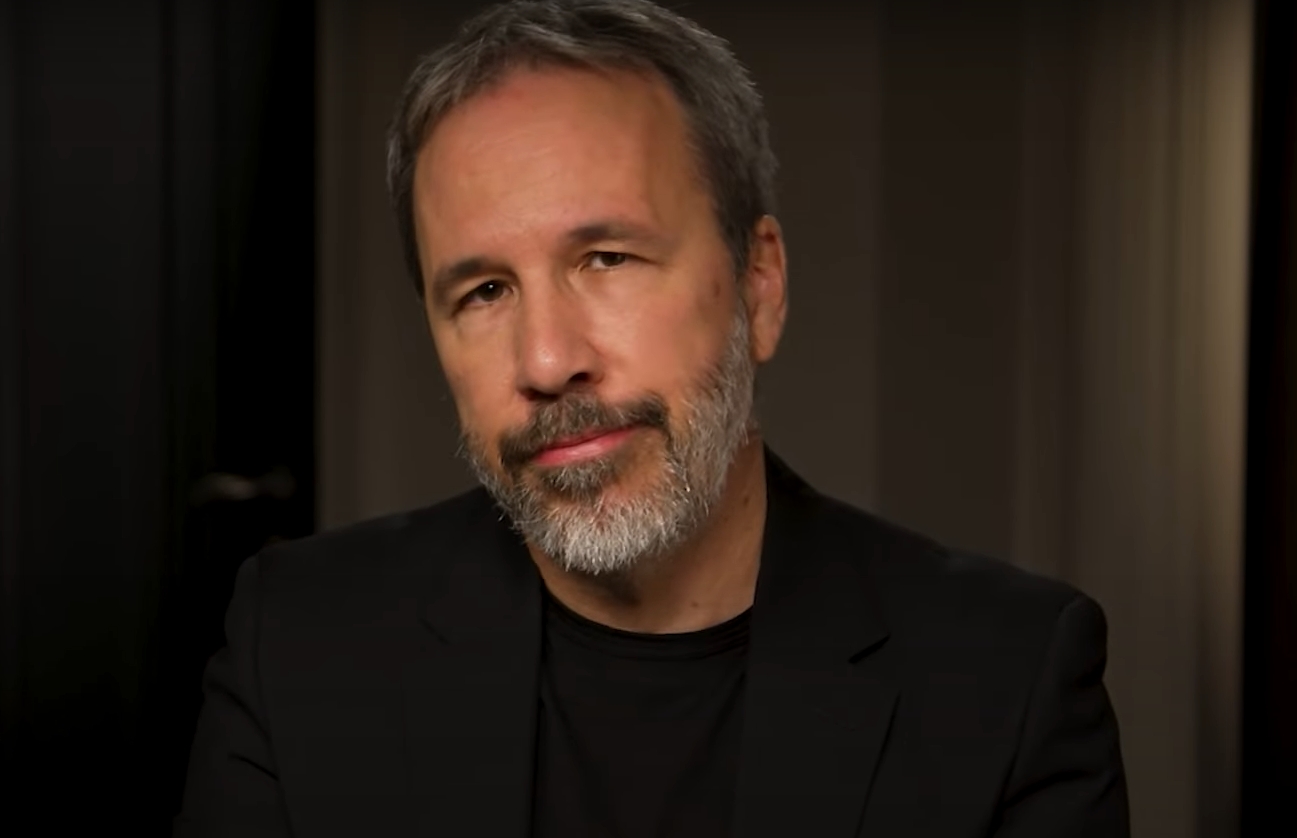
Dune: Messiah is followed by four more books, Children of Dune, God Emperor of Dune, Heretics of Dune, and Chapterhouse: Dune. Now, Villeneuve is an experienced filmmaker of the sci-fi genre and is well aware of what it takes to make a successful film. So, the question that arises here is what is stopping him from making any more films when there is enough material to adapt from?
The easy answer would be that he wants to get out of Arrakis and not spend the rest of his life making movies about sandworms, which is an entirely plausible argument. However, that is not all. The most important factor that has to be kept in mind is that the movies have to stay true to the source material and that material gets very complex from the third book onwards. As Villeneuve told Empire magazine, “After that the books become more… esoteric.”
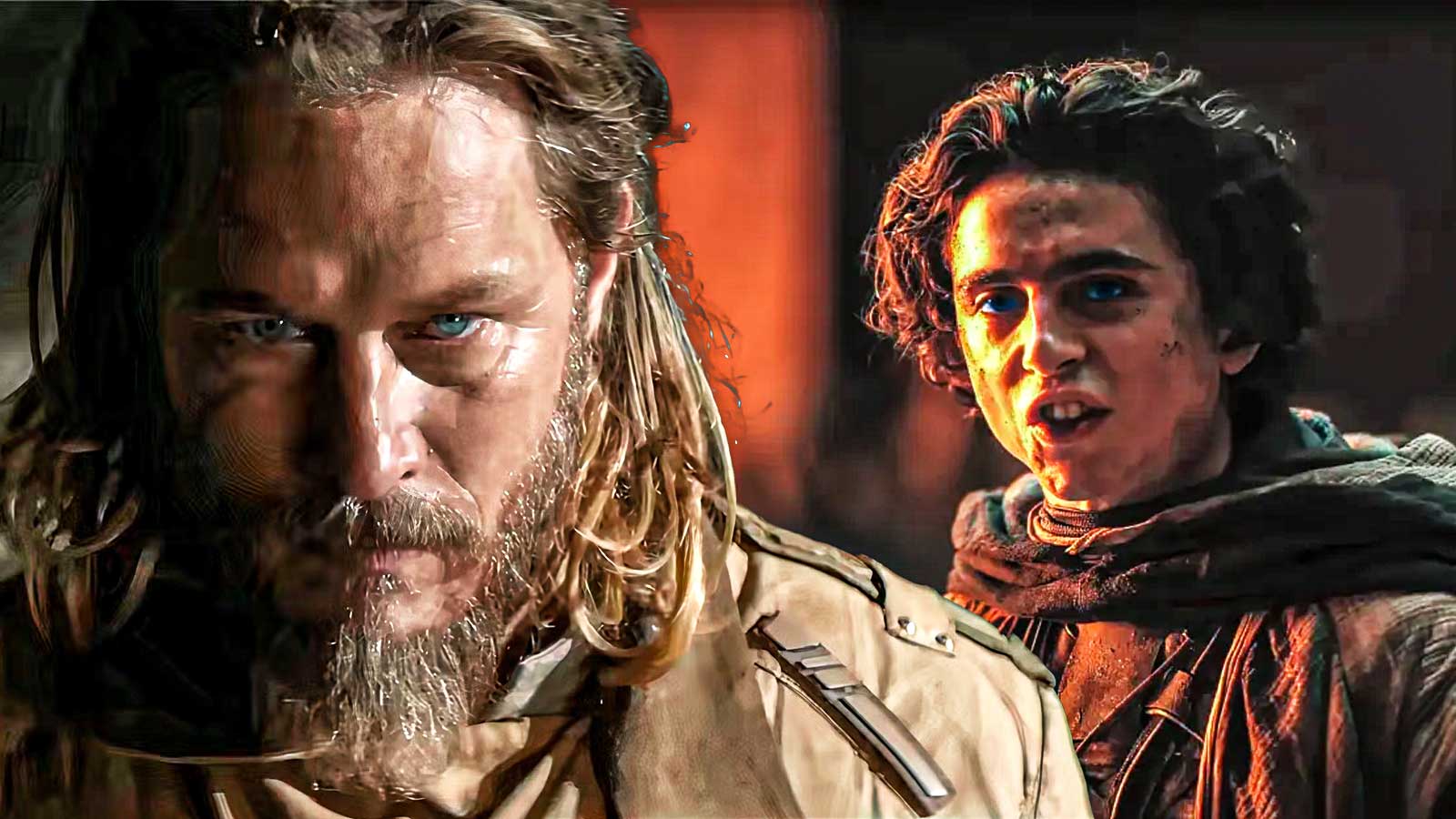
Those who are familiar with the books know that this is an understatement considering that the protagonist of the fourth book God Emperor of Dune, the titular God Emperor Leto II is a worm god. So, basically, Leto II, son of Paul Atreides and Chani has transformed into a sandworm-human hybrid.
It is exactly as complex as it sounds and perhaps even more because it would be almost impossible to show a human as a worm god in a film. Not to mention that it also gives Game of Thrones vibes in terms of breeding, maybe even worse than that.
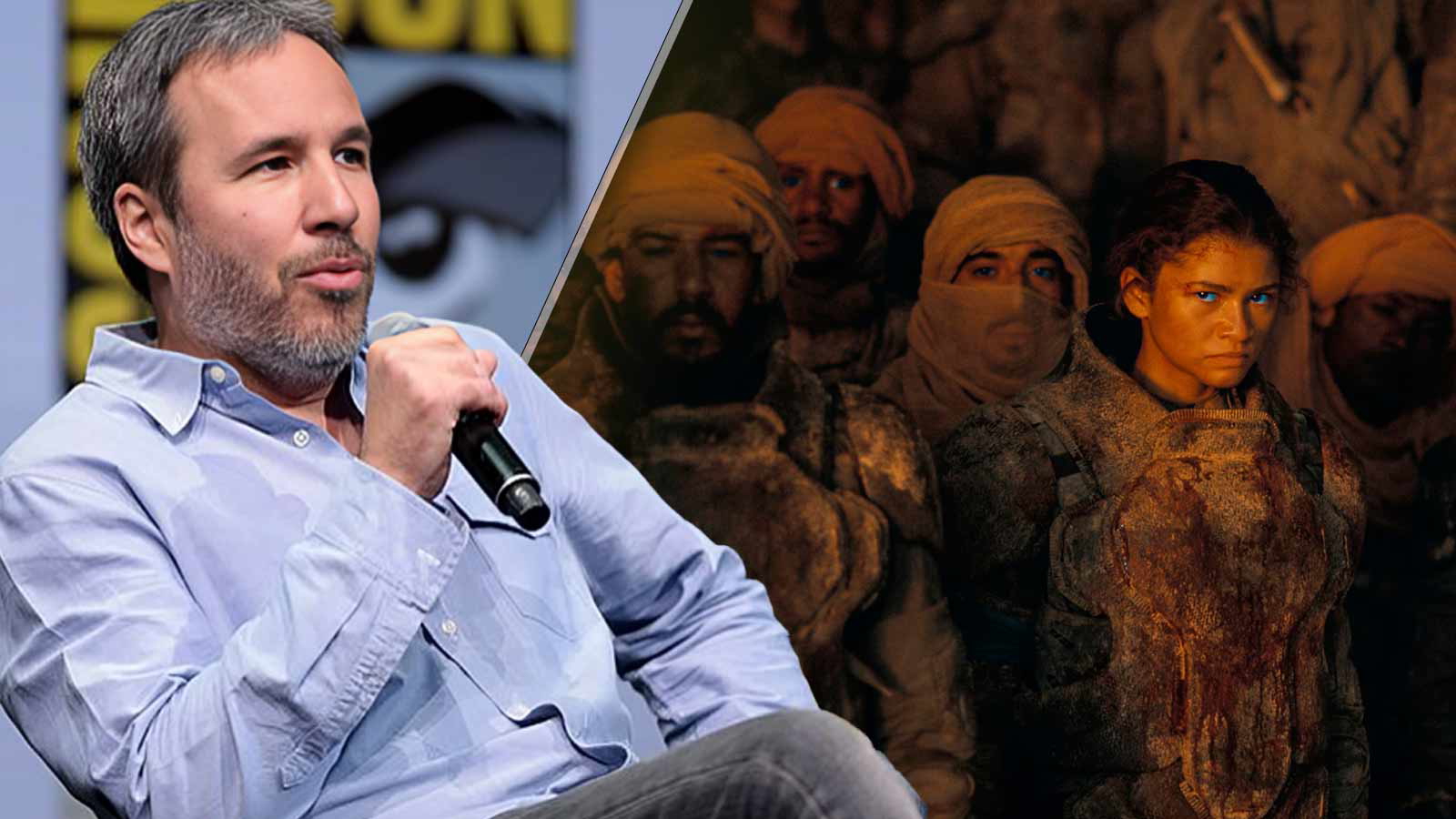
Even the third book, Children of Dune is not the most suitable for making a film adaptation considering the dark themes it explores with respect to children. Not to mention that the world would have to be convinced that Chalamet’s Paul is no longer the protagonist and yet the movie is worth watching.
This leaves two options: making movies that would leave the general public scratching their heads because the story is too bizarre or veering away from the source material that would make the fans of the novels mad. So, maybe Dune is better off as a trilogy for the big screen. The most important part of staying in the game is knowing when to stop and Villeneuve certainly knows how and when to do that.
Frequently asked questions
Why is Denis Villeneuve planning to end his Dune films after Dune: Messiah?
Villeneuve has said he intends to limit the saga to three films, telling interviewers that going further would, in his words, become “unhealthy.” He has also noted that the source material grows “more… esoteric” after the second novel. The article argues this is a wise call because the later books are far harder to adapt faithfully to the screen.
Which Frank Herbert novels come after Dune: Messiah, and why are they considered hard to film?
Dune: Messiah is followed by Children of Dune, God Emperor of Dune, Heretics of Dune, and Chapterhouse: Dune. The article argues these become increasingly difficult to adapt. Most strikingly, in God Emperor of Dune the central figure, Leto II (the son of Paul Atreides and Chani), has merged with sandworms into a human-sandworm hybrid over thousands of years, which the article says would be nearly impossible to portray convincingly on screen.
Who stars in Villeneuve’s Dune films?
Dune (2021) starred Timothee Chalamet, Zendaya, Rebecca Ferguson, Oscar Isaac, and Javier Bardem, among others. Dune: Part Two brought much of that cast back and introduced new actors including Florence Pugh, Austin Butler, and Christopher Walken. The article notes both films were strong critical and commercial successes, with the sequel widely seen as even better received than the first.