JoJo’s Bizarre Adventure is one of those anime that everyone tells you to watch, but nobody actually explains how to start it. In fact, there is always a lot of debate internally about what part you should start with, which makes it even more confusing. On top of that, there is even a timeline reset, further contributing to the confusion.
However, this is good news. Once you know how the anime is actually structured, this is one of the easiest shows to watch in order. There’s basically no jumping around or worrying about fillers. Even the timeline reset issue will start making sense. Let’s break down everything you need to know.
| TITLE | JoJo’s Bizarre Adventure |
| ORIGINAL CREATOR | Hirohiko Araki |
| STUDIO | David Production |
| MAL RATINGS (as of July 17, 2026) | Part 1 & 2: 7.87 / 10 Part 3: 8.11 / 10 Part 4: 8.51 / 10 Part 5: 8.58 / 10 Part 6: 8.05 / 10 Part 7: 9.10 / 10 |
| WHERE TO WATCH | Netflix, Crunchyroll |
Why Does JoJo’s Bizarre Adventure Have So Many Different Seasons?
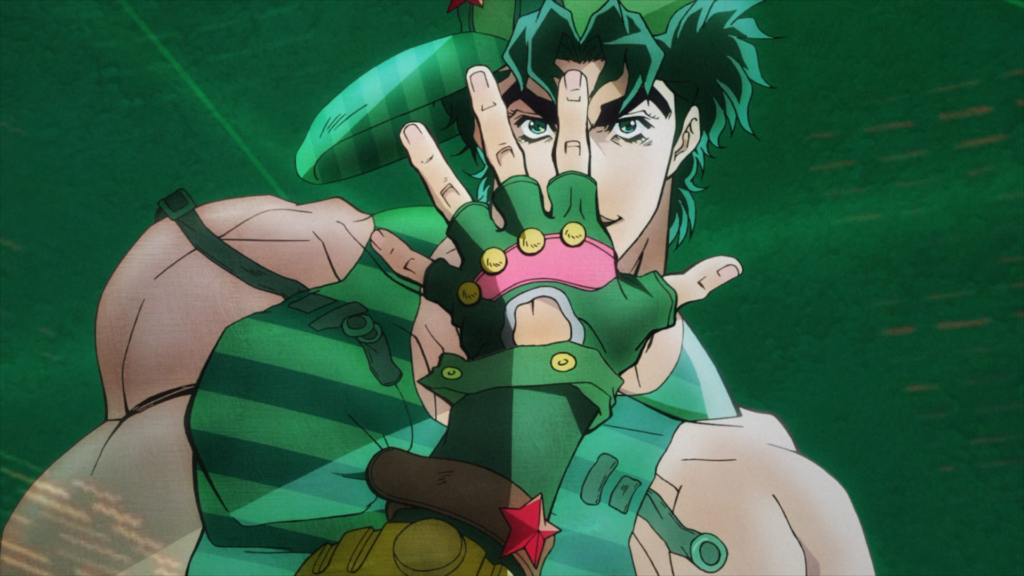
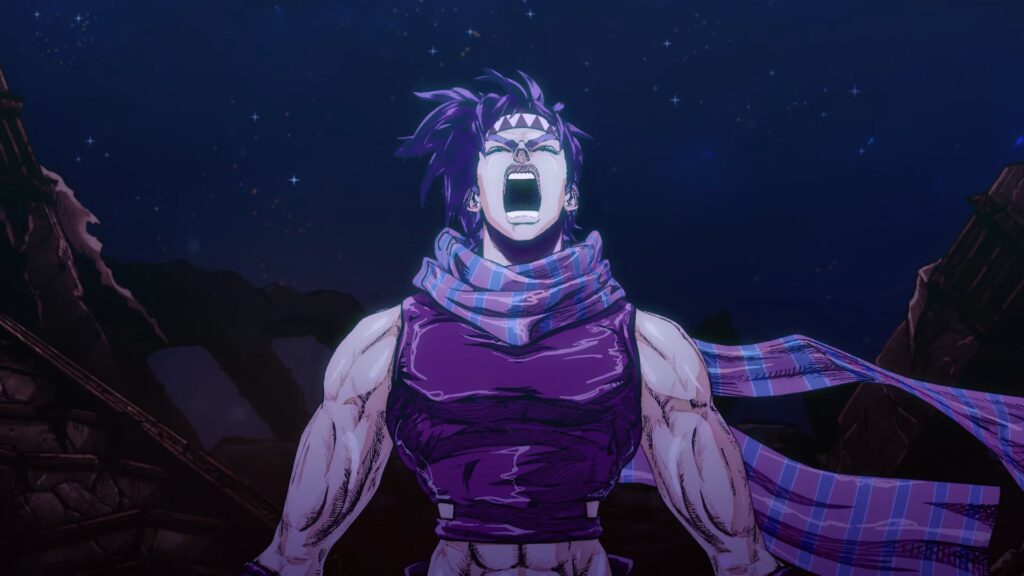
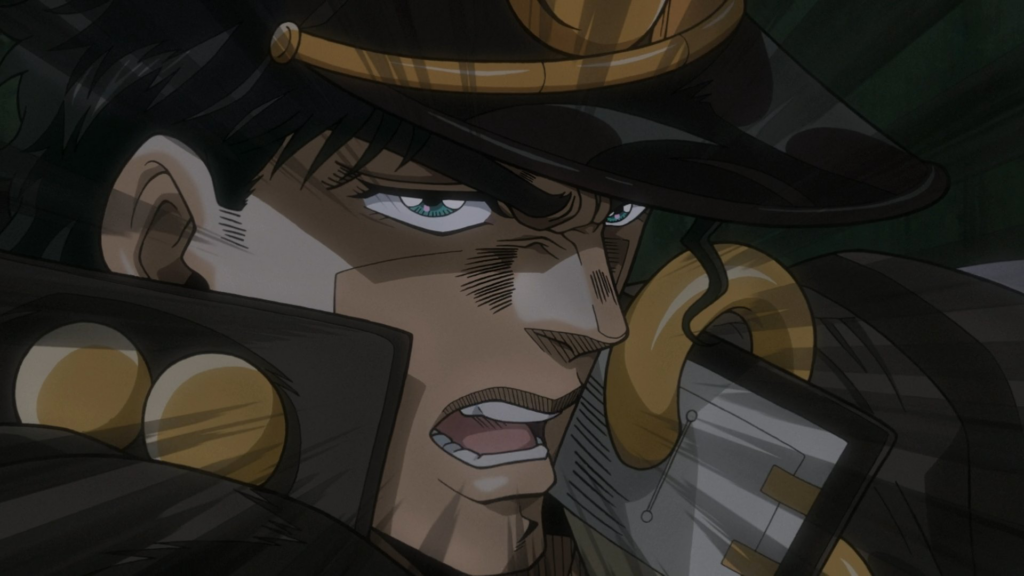
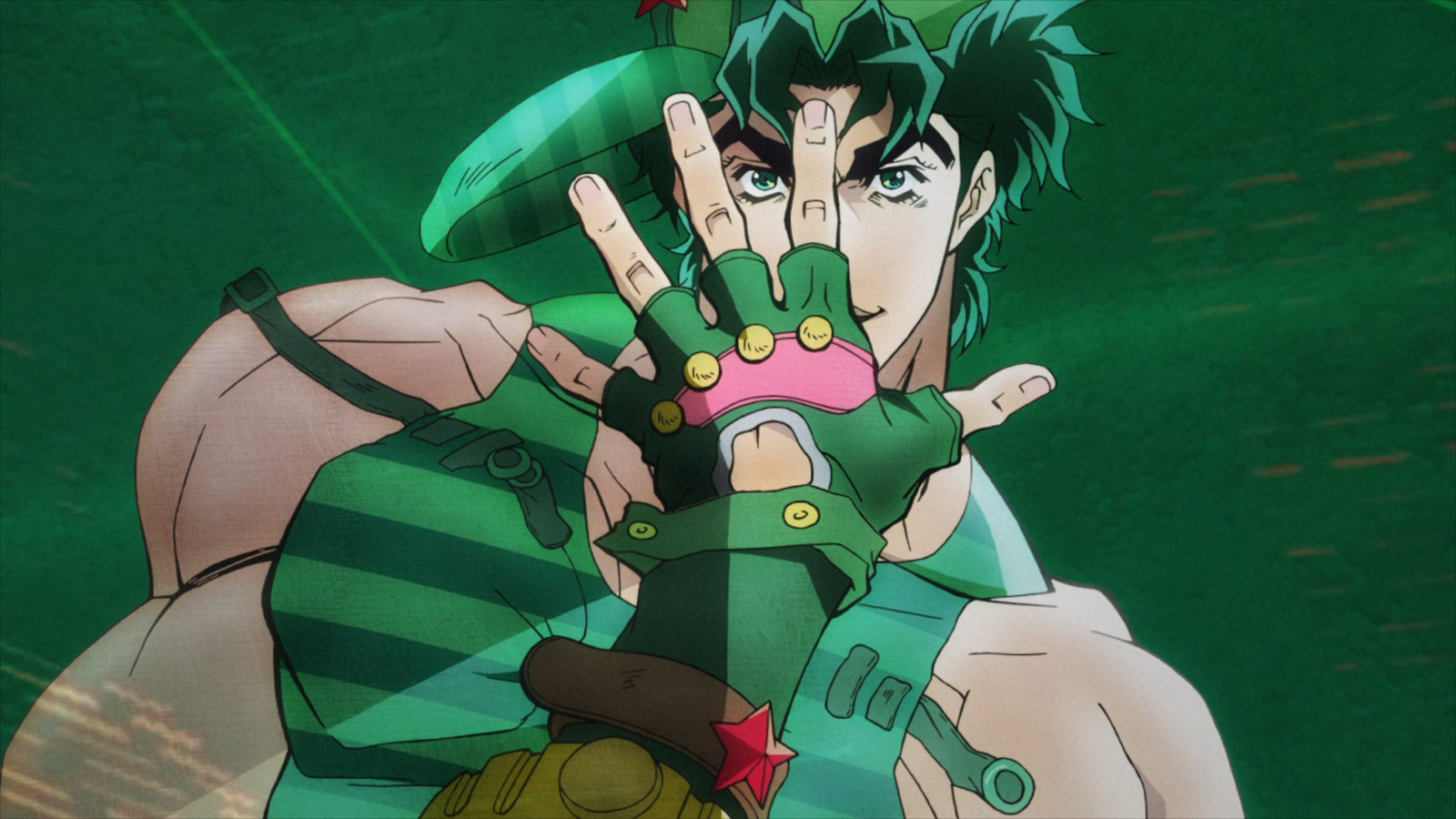
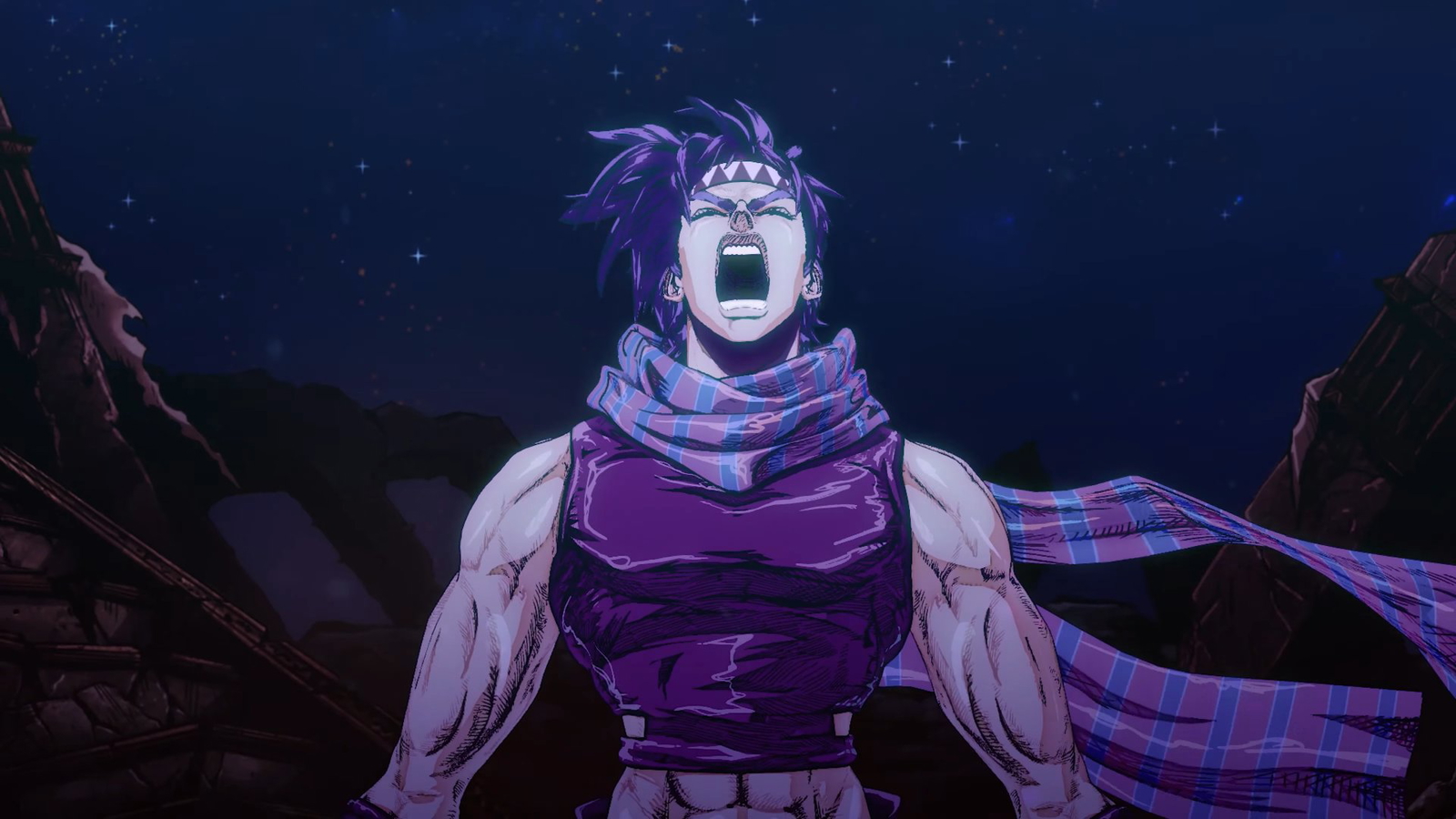
Unlike almost every long-running anime, JoJo doesn’t have the same cast throughout the anime. The manga, written by Hirohiko Araki, is divided into multiple “parts,” and each part has entirely different characters and a time skip, with few exceptions, such as Joseph, who appears in both Parts 2 and 3. However, not a single part shares the protagonists.
Each part has its own tone, its own villain, usually its own art style shift, since Hirohiko Araki kept changing his drawing style over the decades, and the power system changes as well. In short, Part 1 is where everything starts, Part 2 is where Hamon (the first power system of this world) is expanded more, and from Part 3 onwards, Araki switched to a new power system, which involves Stands.
Because of this, the anime is basically released as one giant season per part, each with its own subtitle, instead of just calling them “Season 1,” “Season 2,” and so on. That’s the main reason it looks confusing from the outside. Once you know the parts go in order, though, there’s nothing tricky about it.
What Is the Best Watch Order for JoJo’s Bizarre Adventure?
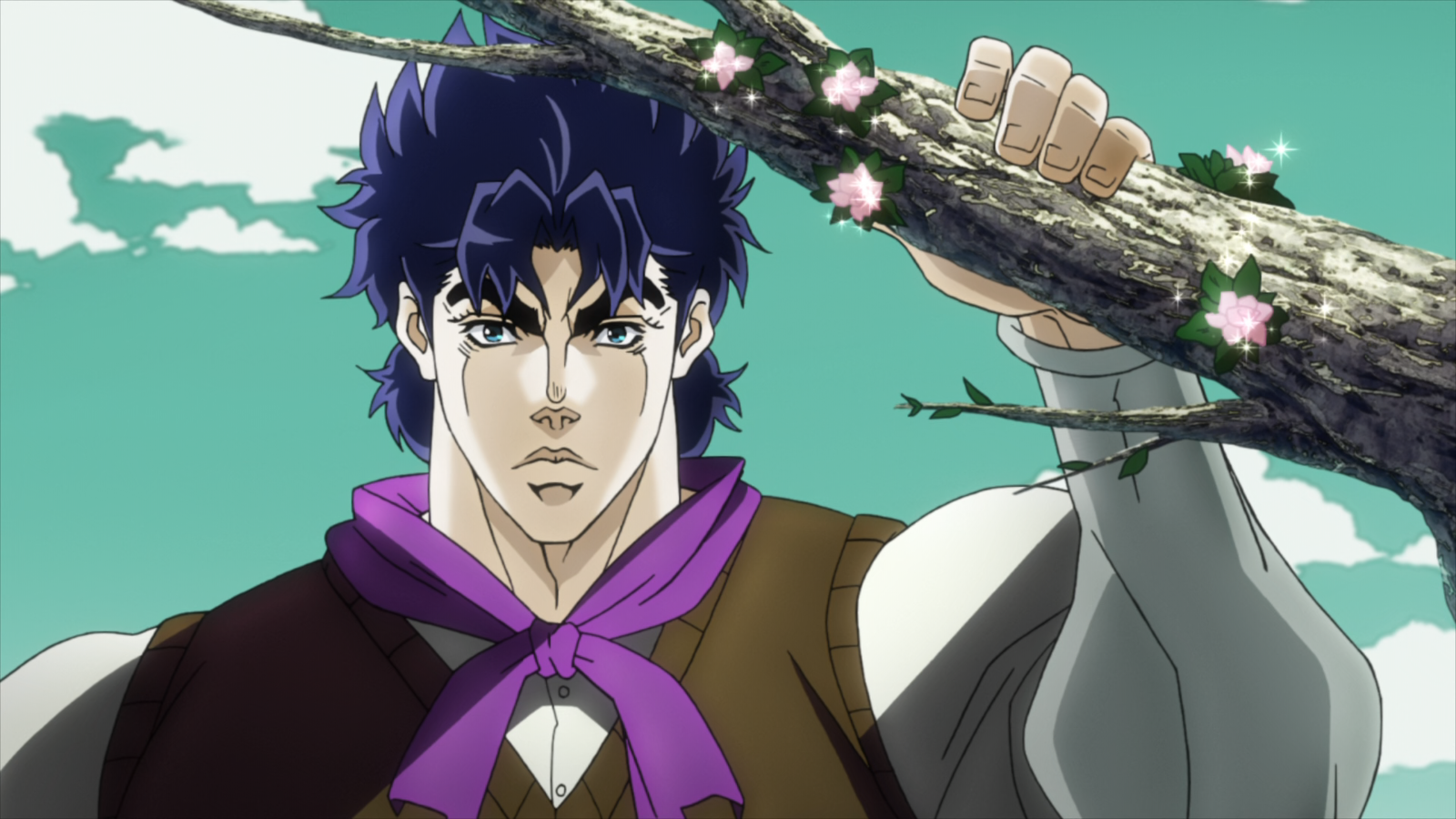
Honestly, the best answer is also the simplest one possible: watch the parts in the order they were released, start to finish. Unlike shows like Fate or even Naruto, there’s no debate here about “should I watch this side thing first?” for the main story. You watch Part 1, then Part 2, then Part 3, and so on, all the way through Part 6. Part 7 is airing right now, so you’ll just be watching it as new episodes come out instead of binging it all at once.
The only real decisions you have to make are about optional side content, which we’ll get into further down. For the main anime, it’s linear. That’s very rare for a franchise this big, so enjoy it while it lasts.
A Complete Part-by-Part Breakdown of the JoJo’s Bizarre Adventure Anime
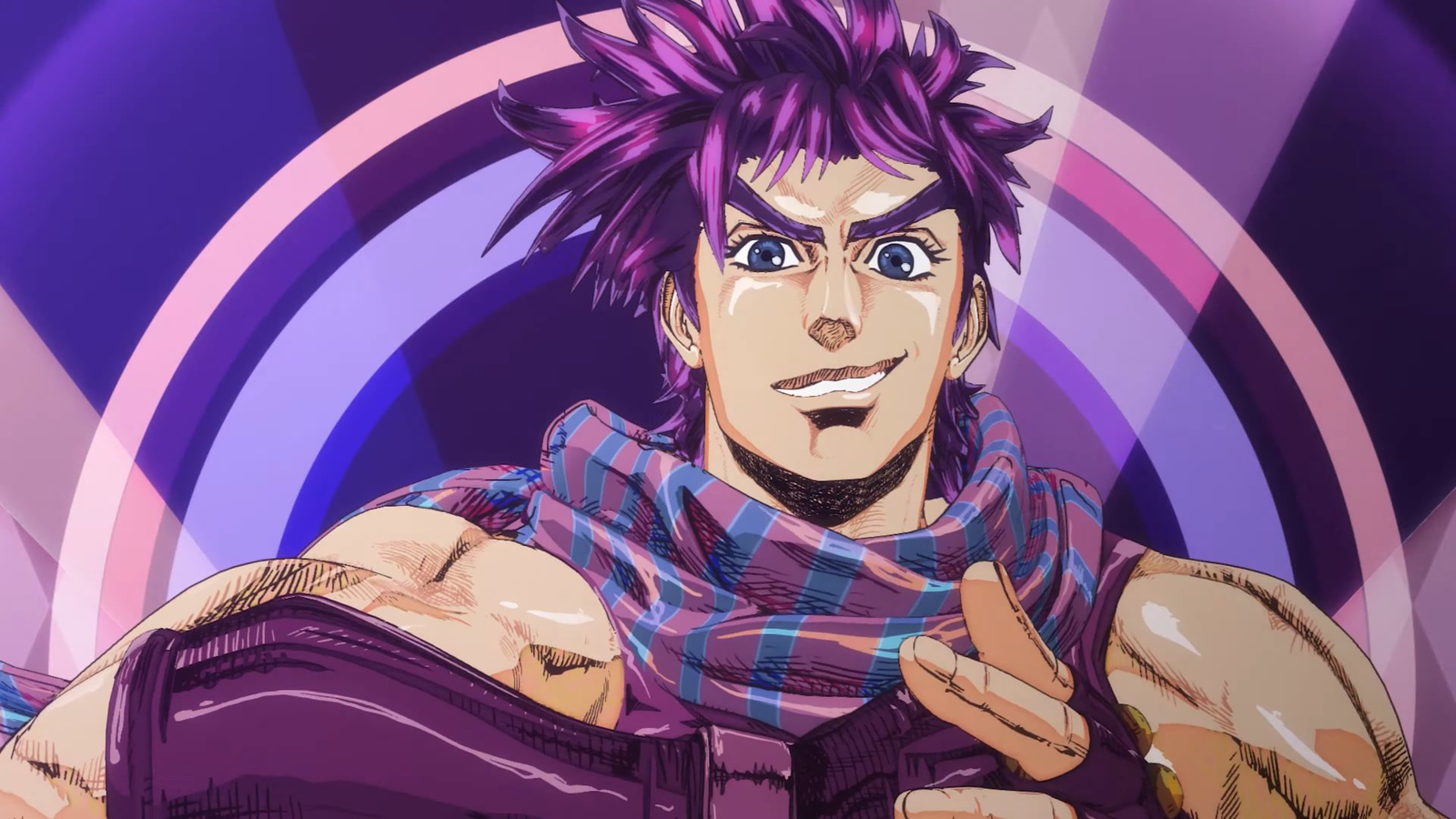
Now there is another issue: not all entries in the anime are named as “parts”, as they each have their own name and sometimes streaming sites omit those numbers, sticking to the titles of each part. That may confuse the viewer who is not familiar with what comes after what.
So, here’s every part of the anime, in the order you should watch them, along with what to actually expect from each one. In some cases, multiple parts are mixed in a single show, and in some cases, a single part is divided into seasons. Let’s dive in.
1. Phantom Blood & Battle Tendency (2012 – 2013)
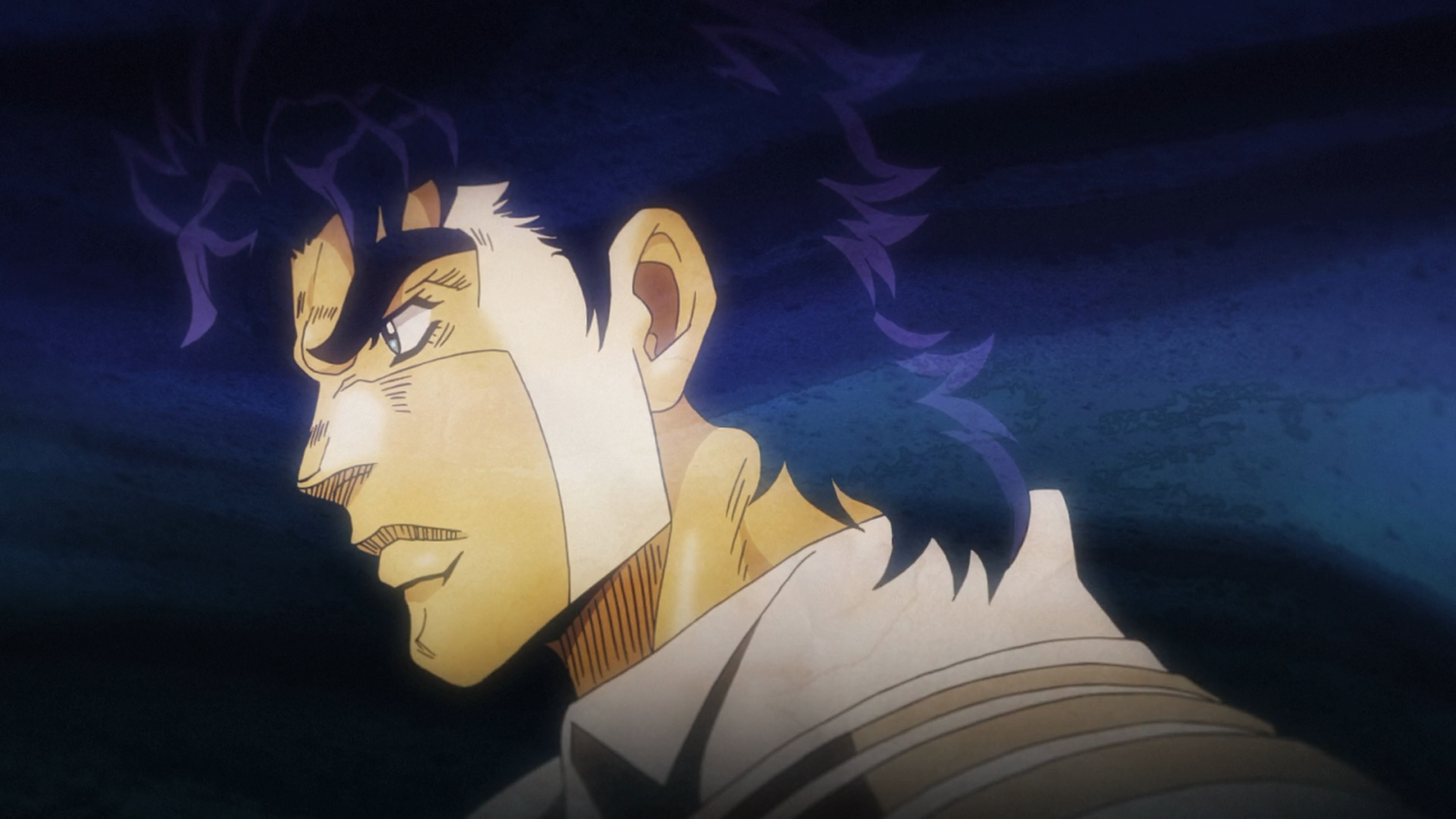
This is where the story starts, and it’s also the special case where two parts have been merged into a single anime. The first part, Phantom Blood, shows us the life of Jonathan Joestar, a fairly rich English kid whose life gets turned upside down when his father adopts a boy named Dio Brando, who turns out to be one of the most evil characters of all time. This is where the concept of Hamon is first introduced, along with the masks that grant vampire-like powers, and Dio is established as a proper antagonist.
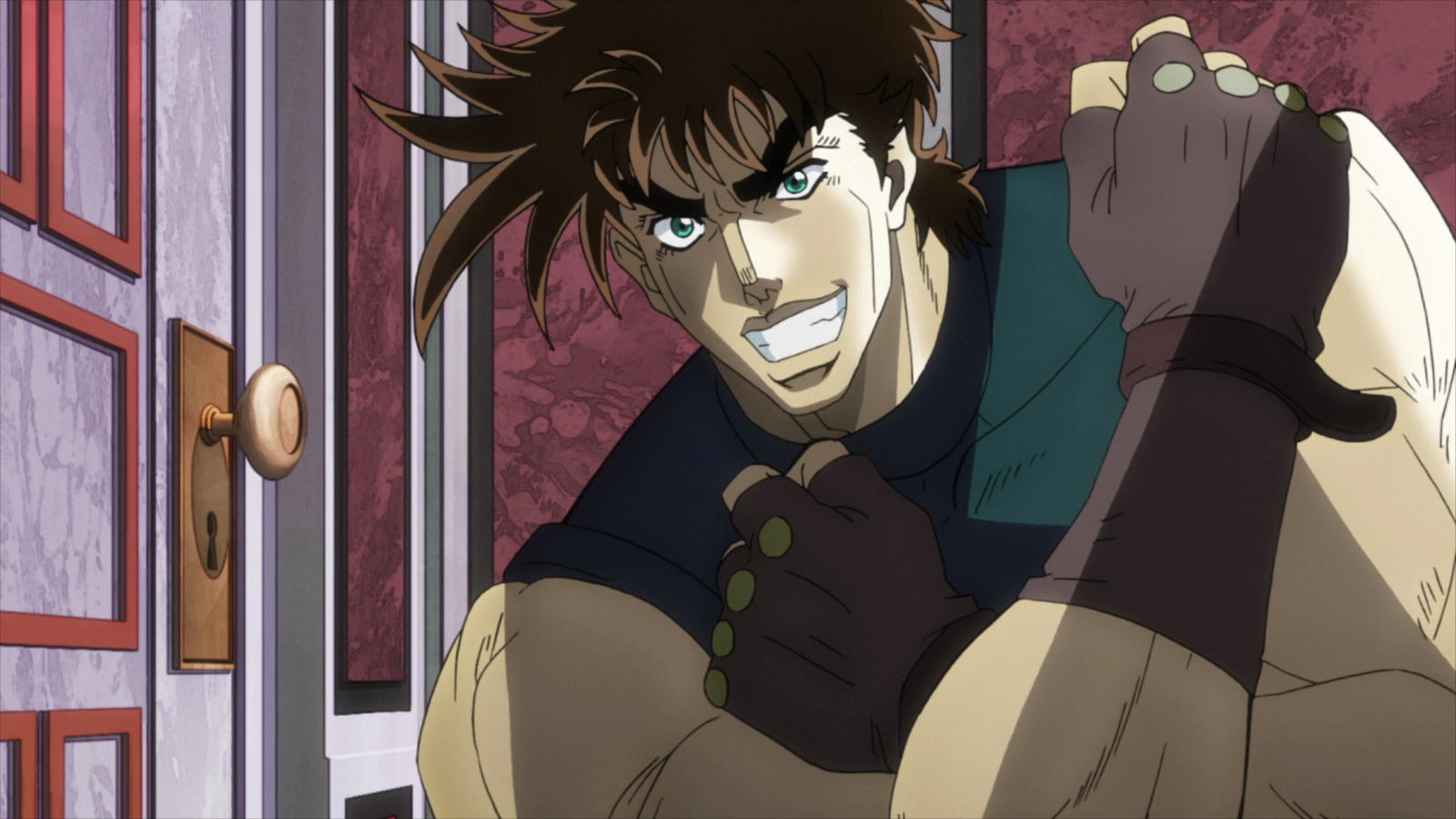
The second part is Battle Tendency, which jumps forward to Jonathan’s grandson Joseph Joestar, who’s very chaotic when compared to his grandfather. This is where ancient vampire-like beings are first introduced. Dio is absent during this part.
Note that it’s easy to get confused here. There are two parts, but both are adapted into a single season. Part one is from Episode 1 to Episode 9, which shows Jonathan’s story, and following that is Part 2 (Episodes 10-26), showing Joseph’s story.
2. Stardust Crusaders (2014 – 2015)
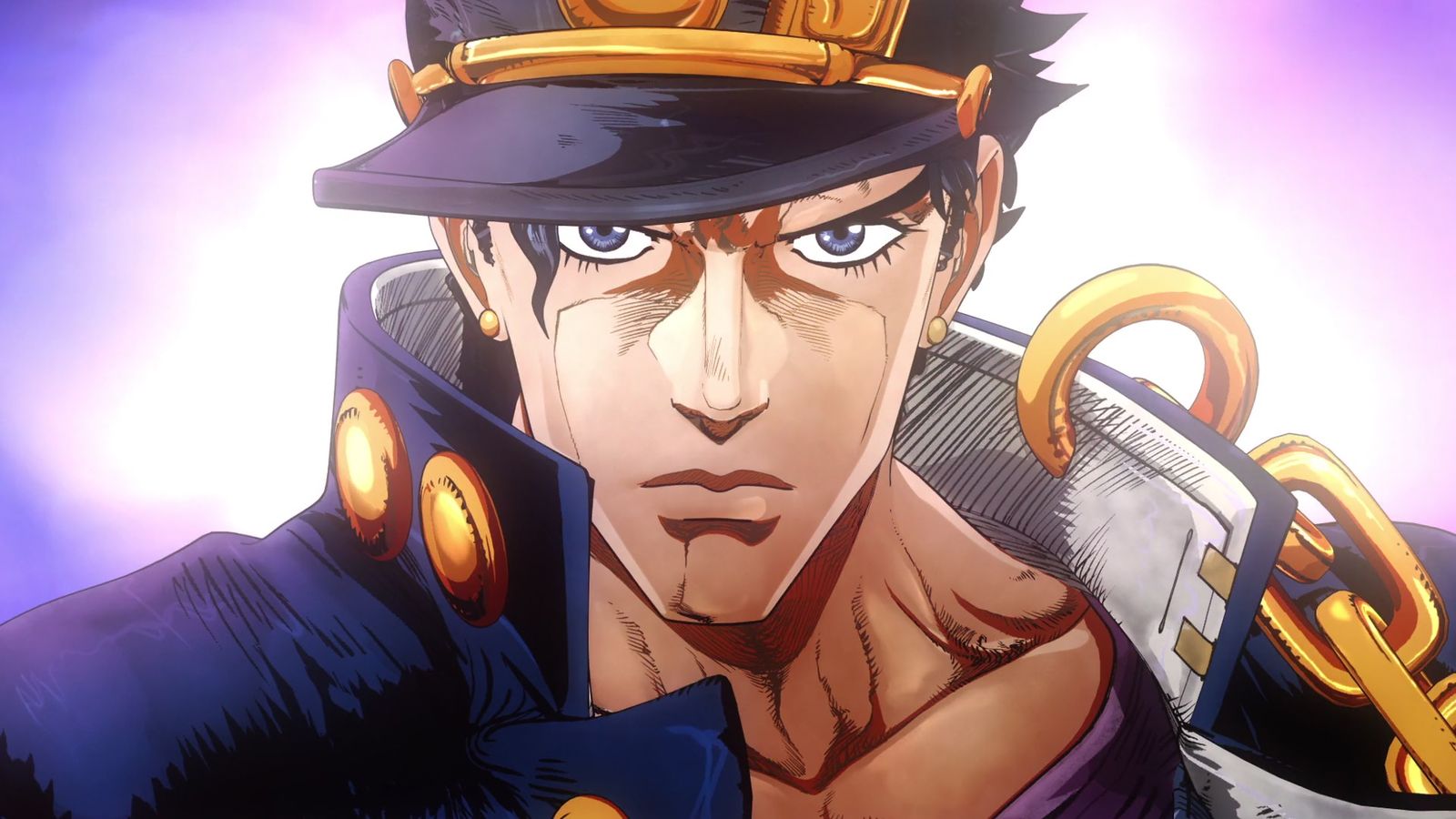
This is where things pick up massively, and where most people’s mental image of JoJo actually comes from. This part is also often considered the best entry of the entire story.
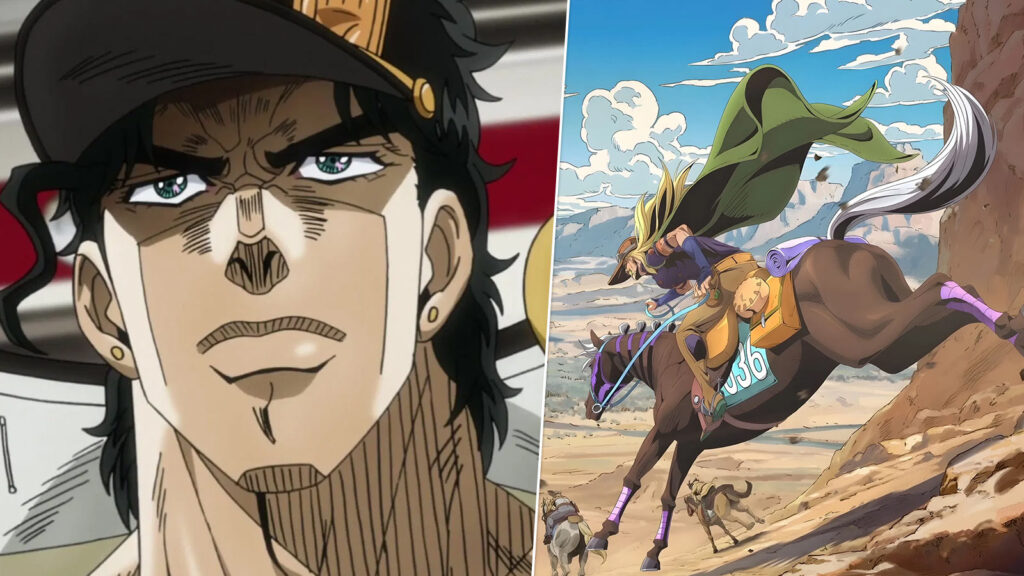
Stardust Crusaders introduces Stands, which are physical manifestations of a person’s fighting spirit or supernatural power, and they become the primary power system for every part of the anime moving forward. The story itself follows Jotaro Kujo, Joseph’s grandson, as he travels from Japan to Egypt with a group of allies to stop Dio Brando, who’s somehow still alive and causing chaos generations later.
This part is released in two chunks, sometimes just labeled as one season split into two cours, or marketed separately depending on where you’re streaming it. Either way, just watch them back to back. This is the part where the show really becomes what everyone talks about online.
3. Diamond is Unbreakable (2016 – 2017)
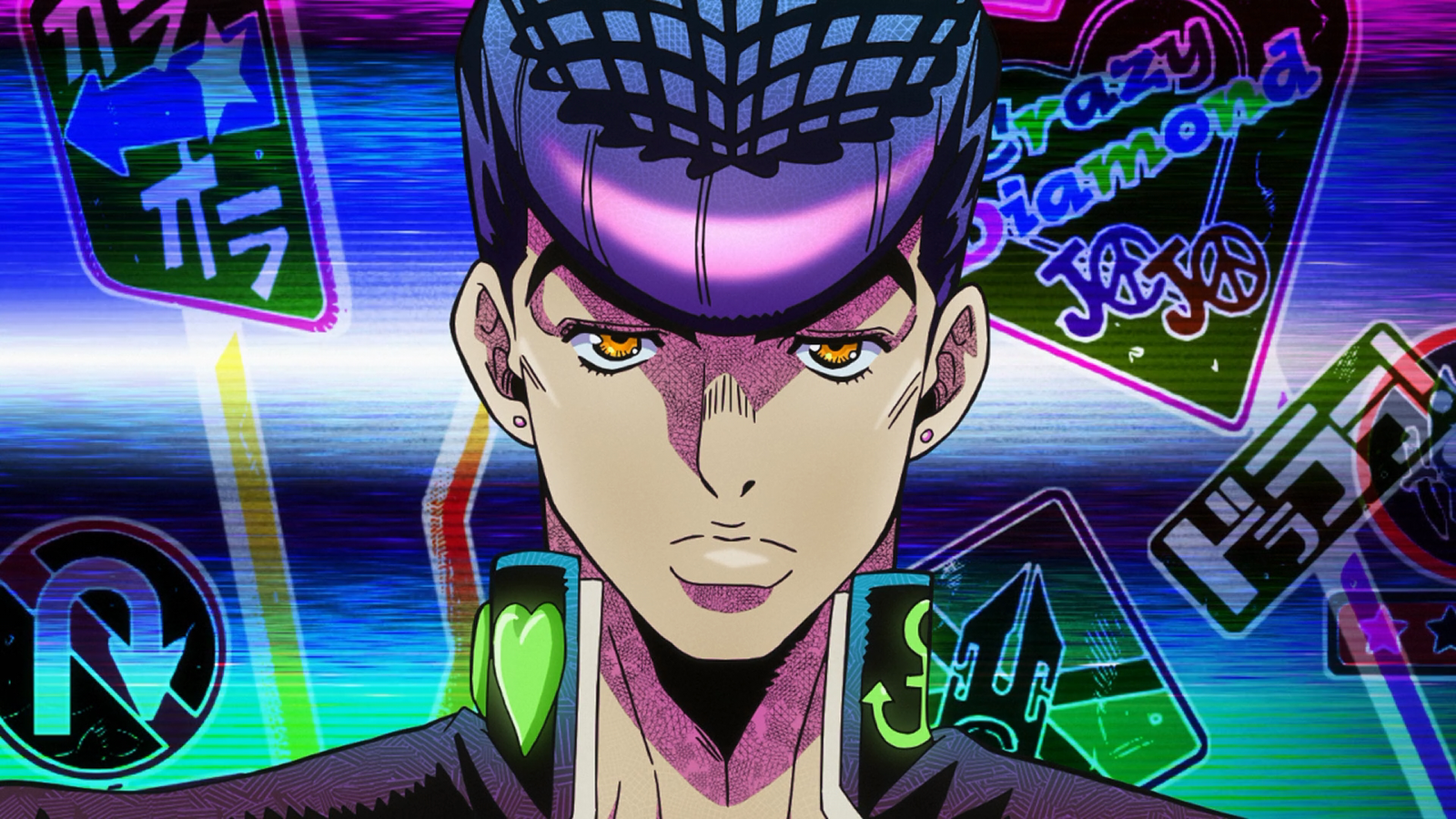
Set in a small fictional Japanese town called Morioh, this part follows Josuke Higashikata, who is actually Jotaro’s half-brother, as he deals with a serial killer. This is a big fan-favorite entry because of how it mixes slice-of-life comedy with creepy horror elements. It’s also where a fan-favorite character named Rohan Kishibe shows up.
4. Golden Wind (2018 – 2019)
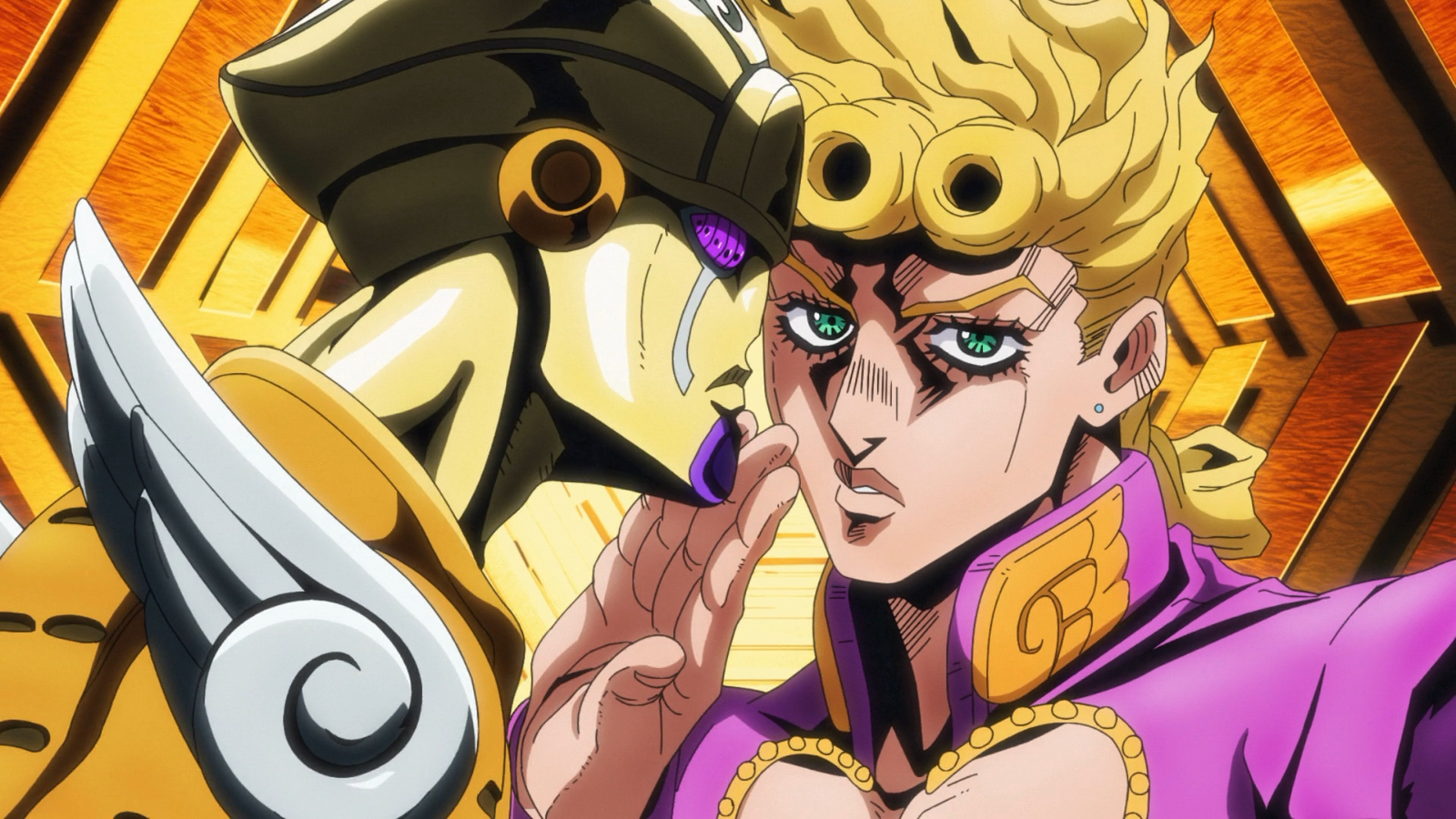
Moving away from Japan, this part jumps to Italy and follows Giorno Giovanna, who has a pretty wild connection to a previous character that it’s better we don’t spoil here. He is widely considered to possess one of the strongest Stands in the franchise.
Giorno wants to join a mafia organization called Passione, not to become a criminal, but to eventually take it over and turn it into something better. This part leans way more into gang and mafia drama compared to the earlier parts, and it has some of the most creative Stand designs in the whole franchise.
5. Stone Ocean (2021 – 2022)
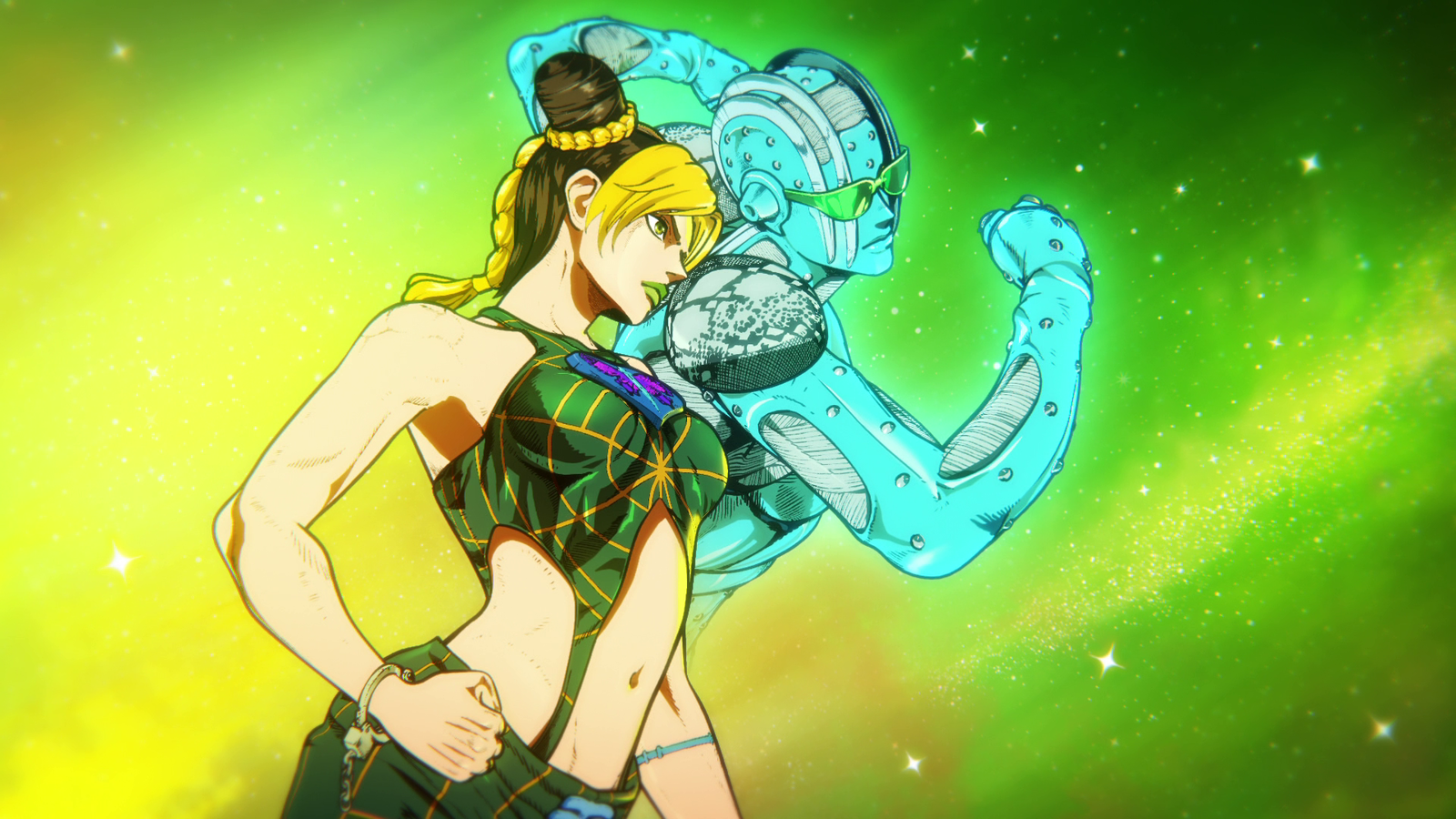
This part showed one of the biggest changes in the franchise as the protagonist is now a woman, Jolyne Cujoh, who is Jotaro’s daughter. She gets framed for the crime she did not commit, ends up going to jail, and awakens her stand.
This part is a lot like part 4, while offering enough uniqueness to keep things fresh. This season was released on Netflix in three separate batches instead of all at once, so don’t be confused if you finish what feels like a full season and then realize there’s more coming later.
6. Steel Ball Run (2026 – Present)
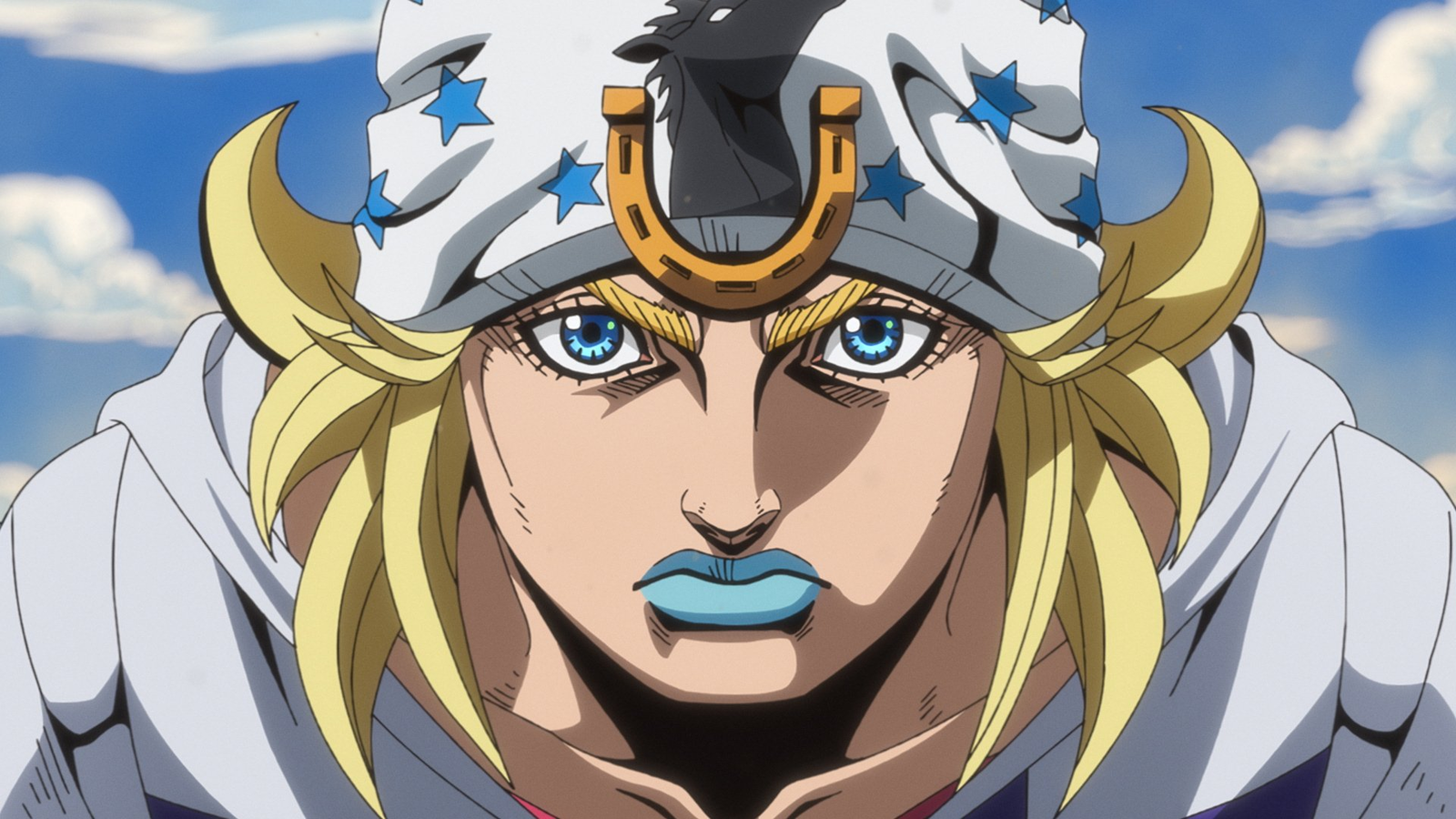
And finally, we get to Steel Ball Run, which is also the part that is currently going on. Here, we are not going forward in time anymore, as the timeline has been totally reset. This part is not related to anything that came before it, as it is a complete reboot of the franchise.
The release of this part has been unusual, but it’s actually good news. The 1st Stage dropped as a single 47-minute special back in March 2026, and Netflix has now confirmed the 2nd Stage will premiere this fall (as per Netflix), with a brand new episode releasing every single week from there on out. On the bright side, it gives you enough time to catch up.
Should You Bother With the 2000 JoJo’s Bizarre Adventure OVA?
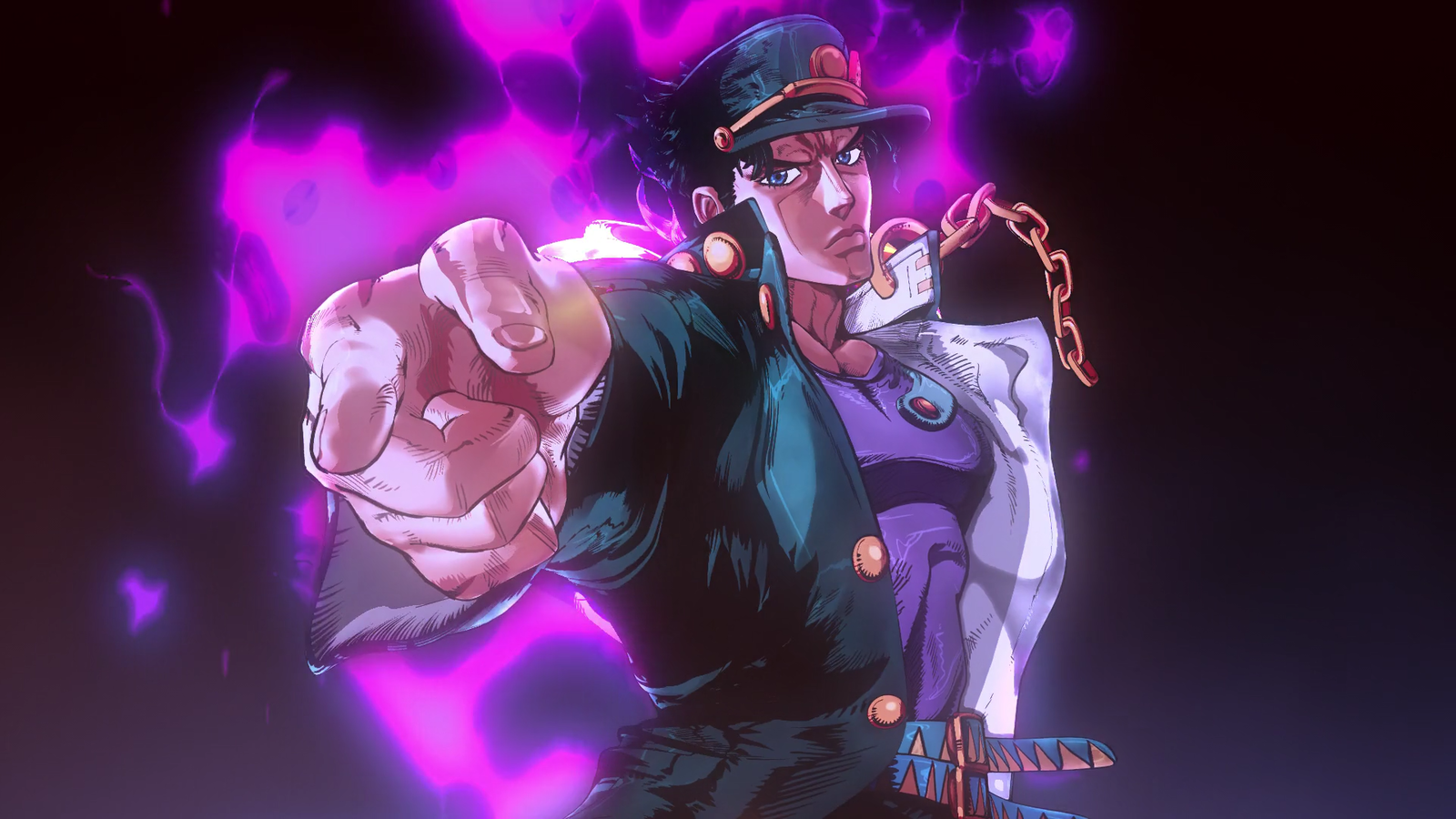
Short answer: not really, unless you’re curious about anime history. Before David Production’s version even existed, a different studio made two separate OVA releases covering the Stardust Crusaders story. One came out in 1993 with 6 episodes, and a second one came out in 2000 with 7 episodes.
However, it gets a bit more confusing. These two OVAs were not released in story order. The 1993 one actually covers the latter half of the story, including the final battle, while the 2000 one is a prequel covering the earlier chunk of the journey. If you’re really curious about them at all, watch the 2000 one first, then the 1993 one.
Fillers and Non-Canon Content: What Can You Skip?
Good news here: JoJo’s Bizarre Adventure is one of the most filler-free long-running anime out there. Unlike shows like Naruto or older Bleach, there’s basically no anime-original arc you need a guide to dodge. While the structure of parts may seem confusing, it actually led to the anime being more closely adapted to the structure of the manga.
The extra content that exists is the things we already covered: the old 90s/2000s OVAs. There’s also a separate 2007 movie adaptation of Phantom Blood, which is also worth talking about here. At this point, it’s basically considered lost media, so don’t waste time hunting for it. You’re not missing anything that the 2012 anime doesn’t already cover better.
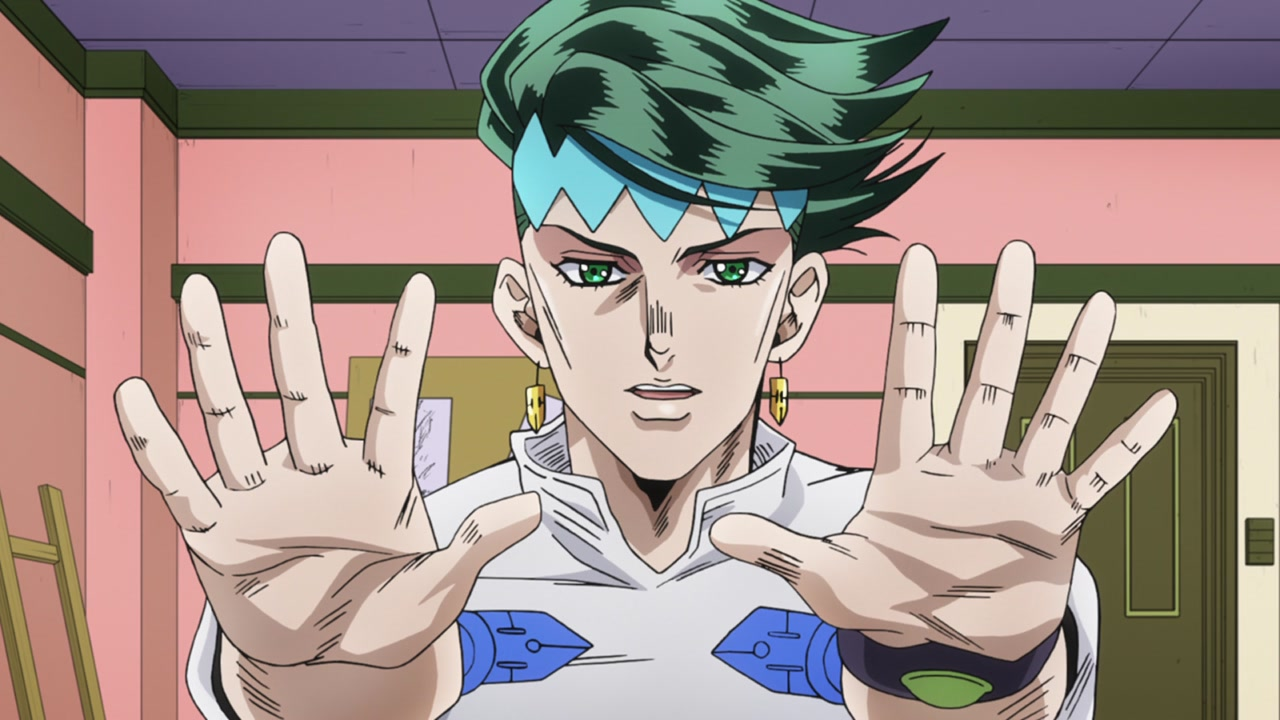
The only thing worth watching is Thus Spoke Kishibe Rohan, which is a side story that follows the life of Rohan, who was introduced in Part 4: Diamond is Unbreakable. If you loved Rohan in Part 4, it’s worth checking out.
Where to Watch the Complete JoJo’s Bizarre Adventure Franchise
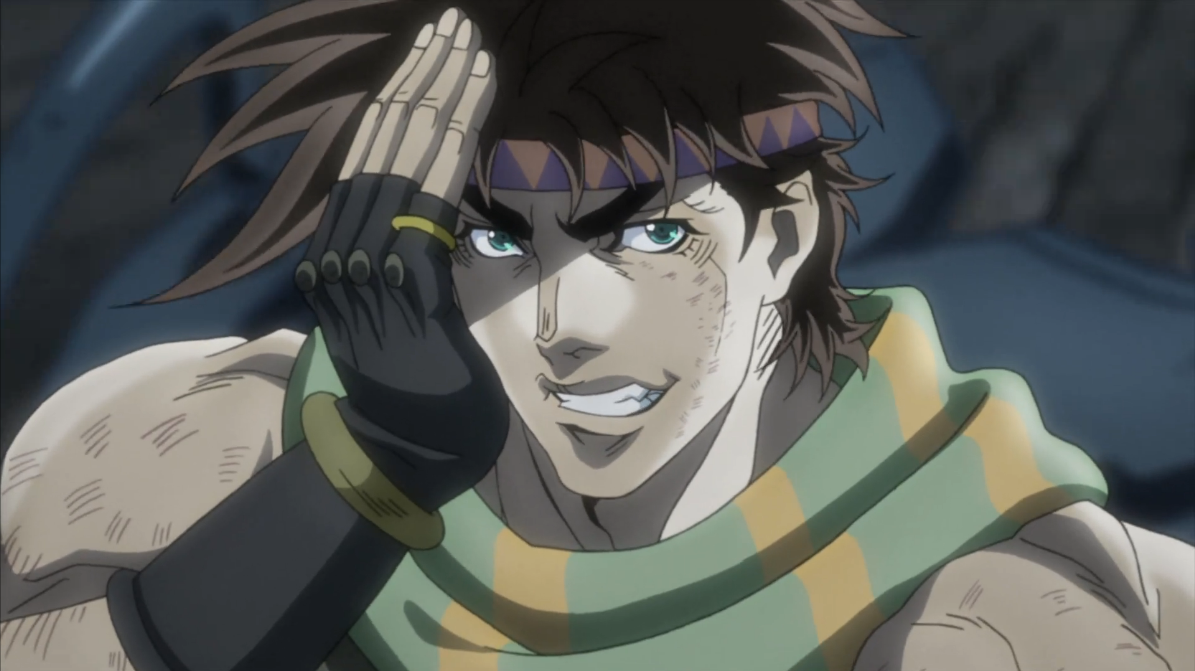
Netflix carries the entire mainline anime, including the currently airing Steel Ball Run, and it’s also where the Thus Spoke Kishibe Rohan spinoff lives. Crunchyroll has most of the mainline parts too, so either platform works depending on what you already have a subscription to.
| Title | Streaming (May vary from region to region) |
| Phantom Blood & Battle Tendency | Netflix, Crunchyroll |
| Stardust Crusaders | Netflix, Crunchyroll |
| Diamond is Unbreakable | Netflix, Crunchyroll |
| Thus Spoke Kishibe Rohan | Netflix |
| Golden Wind | Netflix, Crunchyroll |
| Stone Ocean | Netflix |
| Steel Ball Run | Netflix |
How far are you in your JoJo journey? Let us know in the comments.
Jojo’s Bizarre Adventure is streaming on Netflix.