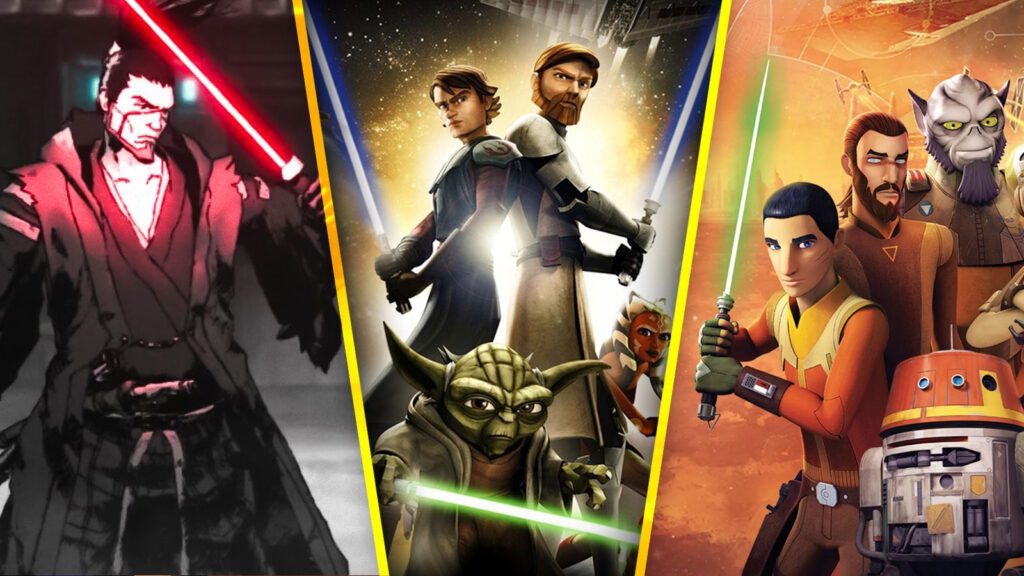
Star Wars animation has grown a lot in the past thirty years, going from companion pieces to actual storylines that are important to the canon. This ranking weighs several factors together: narrative ambition and consistency, character development, animation quality, emotional impact, and overall influence on the wider Star Wars canon.
Shorter anthologies and preschool-oriented shows are judged against their own goals, while flagship series are held to a higher standard of scope and depth. Here’s how all eleven Star Wars animated shows stack up.
11. Star Wars: Forces of Destiny
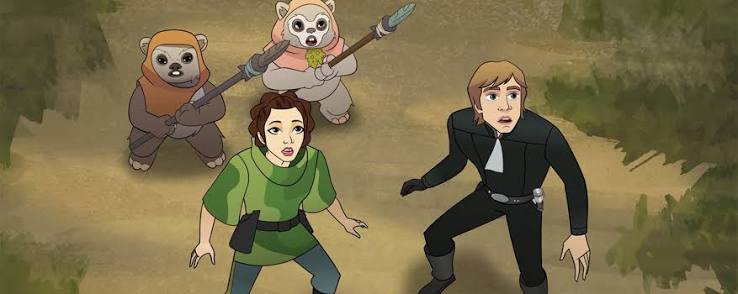
Starting at the bottom is Star Wars: Forces of Destiny, which is an animated web series that aired on Lucasfilm’s YouTube channel in 2017. The web series features bite-sized, 2-3-minute episodes that praise heroes of the franchise like Padmé Amidala, Leia Organa, Rey, and Ahsoka Tano. It is supposed to be an entry point to the franchise.
That is precisely why the show ranks last. Its short runtime does not allow for a lot of character depth or stronger narratives. Its Flash animation style is also basic, and it does not add anything to the franchise as a whole.
10. Young Jedi Adventures
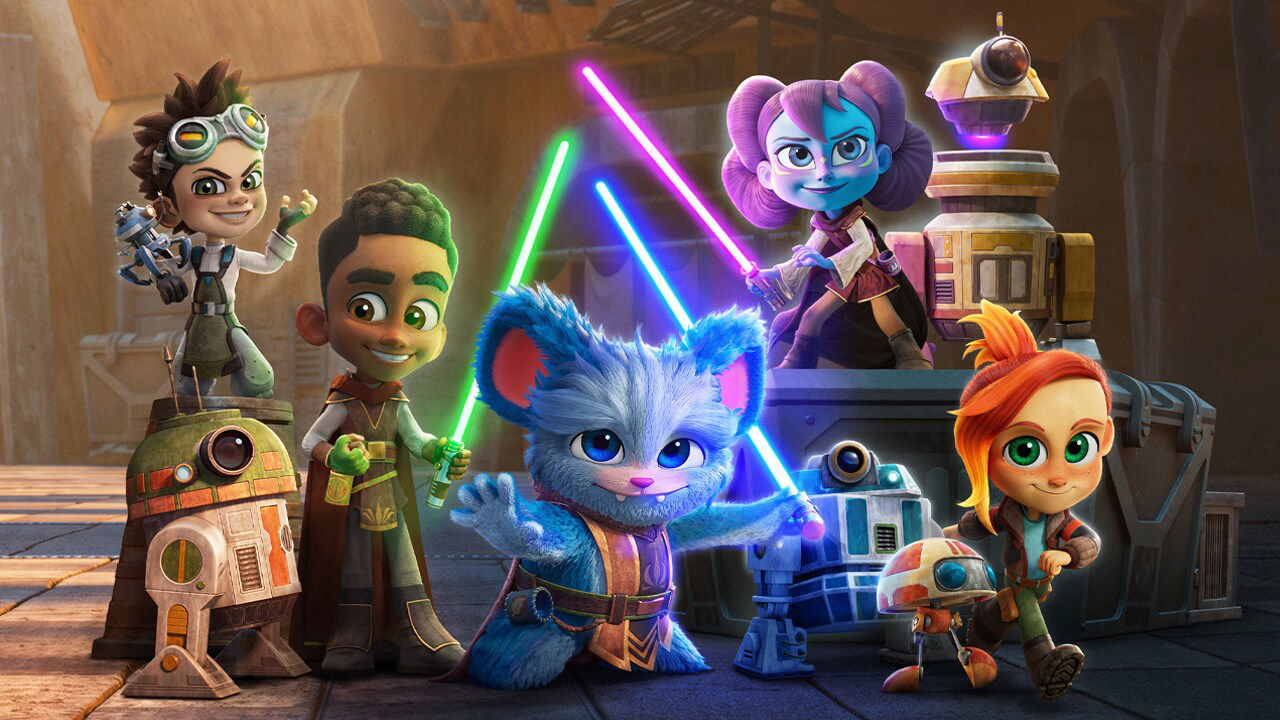
Star Wars: Young Jedi Adventures is aimed at pre-schoolers and kids, introducing them to the galaxy far, far away. It follows the younglings, Kai, Lys, Nubs, and Nash, as they train under Master Yoda during the High Republic era. The CGI animated show is set centuries before the Skywalker Saga, and focuses on kids-centered themes.
It ranks last because of its ambition. The show is mainly aimed at children, and it is less of a Star Wars show. Its positioning before the Skywalker Saga takes it away from the central canon narrative, and hence it has no stakes in the overall direction of the franchise.
9. Star Wars Resistance
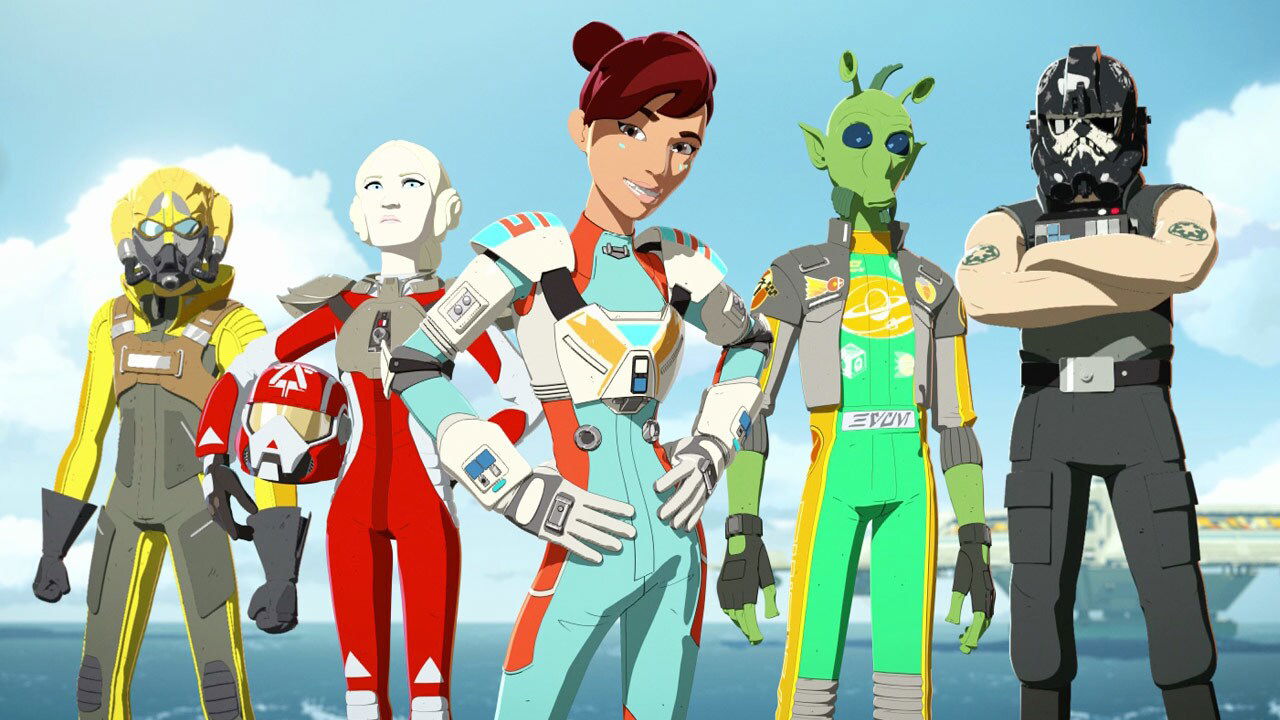
Resistance follows Kazuda Xiono, an undercover Resistance spy posing as a mechanic aboard the flying platform Colossus, as he gathers intelligence on the rising First Order in the years bridging The Force Awakens and The Last Jedi.
Its distinct anime-inspired art style and racing-focused first season drew a mixed response from longtime fans, though the back half sharpened into a tighter war story once the First Order’s threat escalated. It ranks here for uneven pacing and a smaller-scale story that struggled to justify its stylistic departure.
8. Tales of the Underworld
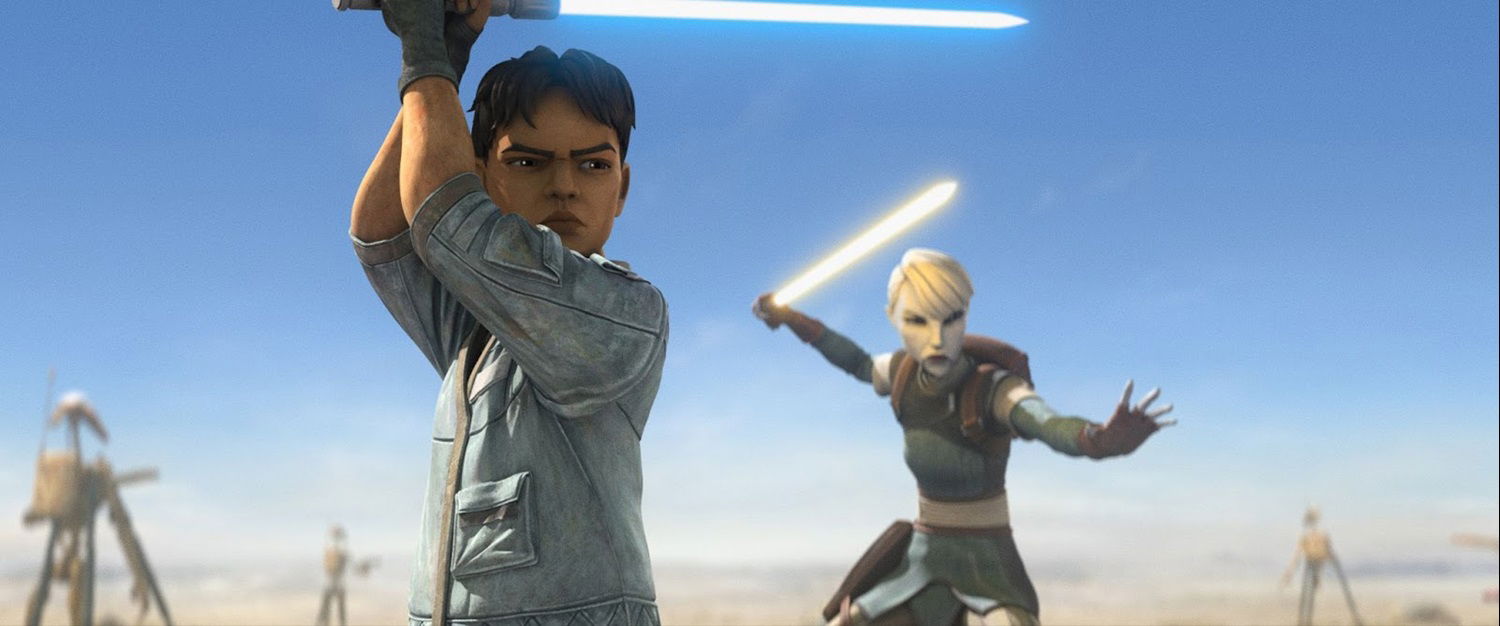
The third entry in the Tales anthology series developed by Dave Filoni is its weakest. The series is set during the prequel trilogy and is split across two bounty hunters, Asajj Ventress and Cad Bane, following each through personal reckoning. Tales of the Underworld is set between Revenge of the Sith and A New Hope.
The show deepens two fan-favorite antagonists with sharp, self-contained shorts. It ranks mid-list for strong character work hampered by a short runtime that limits deeper exploration.
7. Visions
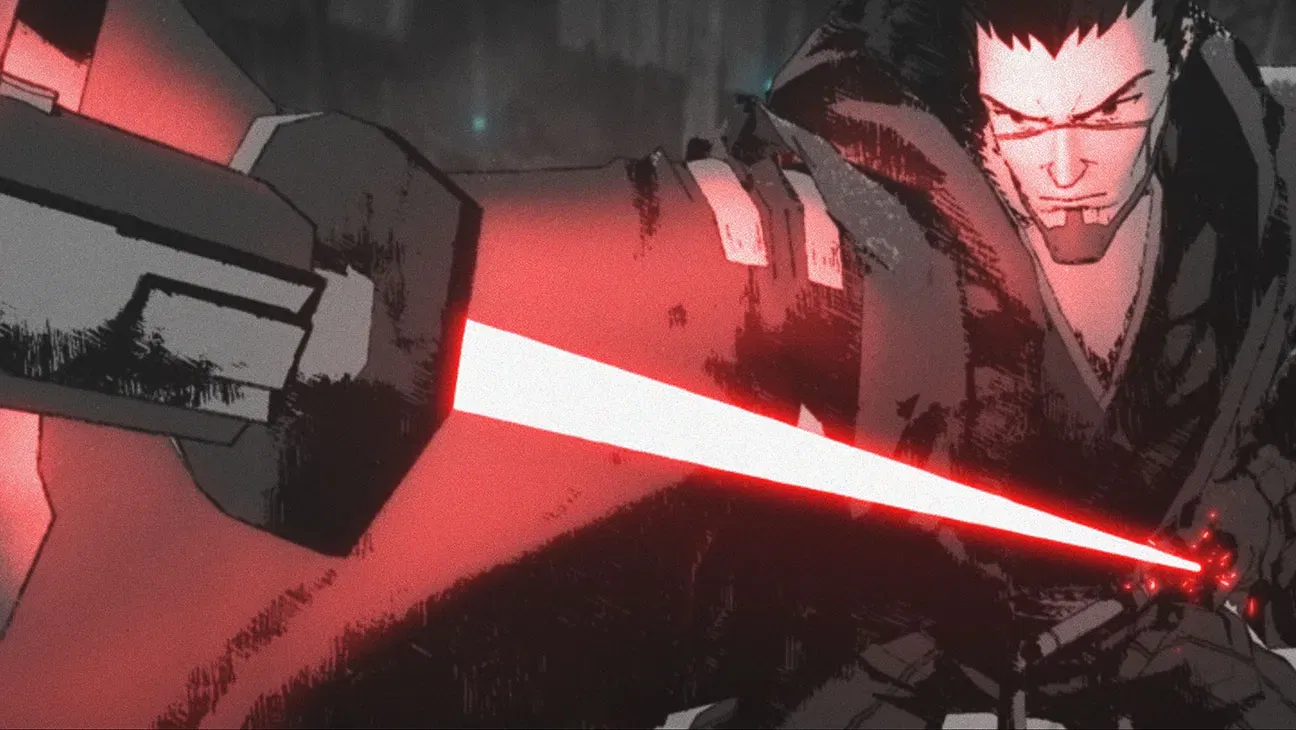
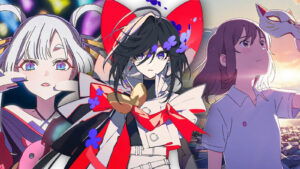
Visions, the Love, Death, and Robots of the Star Wars franchise, is an anthology animated that is produced by different international studios, with each episode exploring a different animation style.
From anime samurai duels to painterly folklore, the show experimented with tone, art style, and genre across two volumes, making it one of the most visually inventive projects in the franchise. Its disconnected nature and non-canon storylines, despite the visual ambition, put it at 7th place.
6. Tales of the Empire
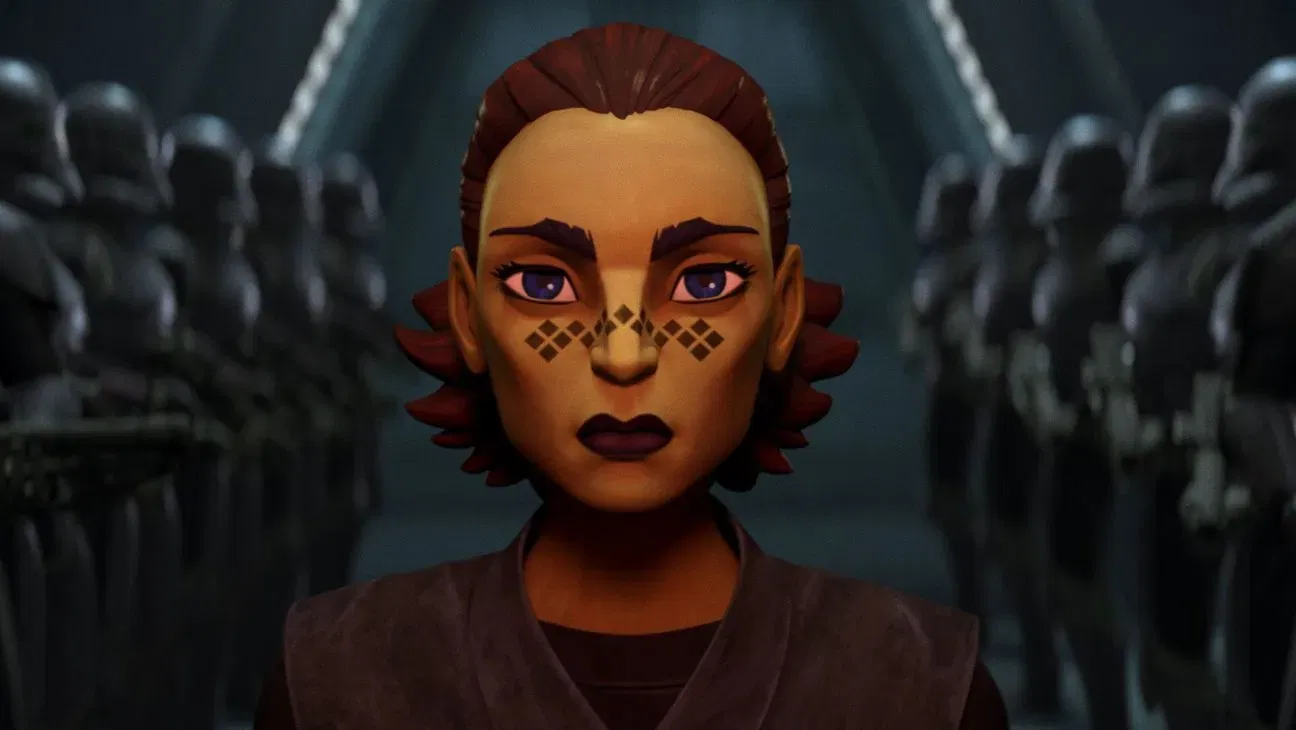
Tales of the Empire follows former Nightsister Morgan Elsbeth and ex-Jedi Barriss Offee as each navigates survival and loyalty in the aftermath of the Empire’s rise, tying directly into Ahsoka and The Clone Wars. Across six episodes, it explores how the Empire ensnares and reshapes its subjects, giving both women meaningful arcs previously left underdeveloped.
Its connective tissue to live-action and animated canon alike gives it more narrative weight than earlier anthology entries. It ranks solidly in the upper-middle for efficient, character-driven storytelling within a compact format.
5. Clone Wars
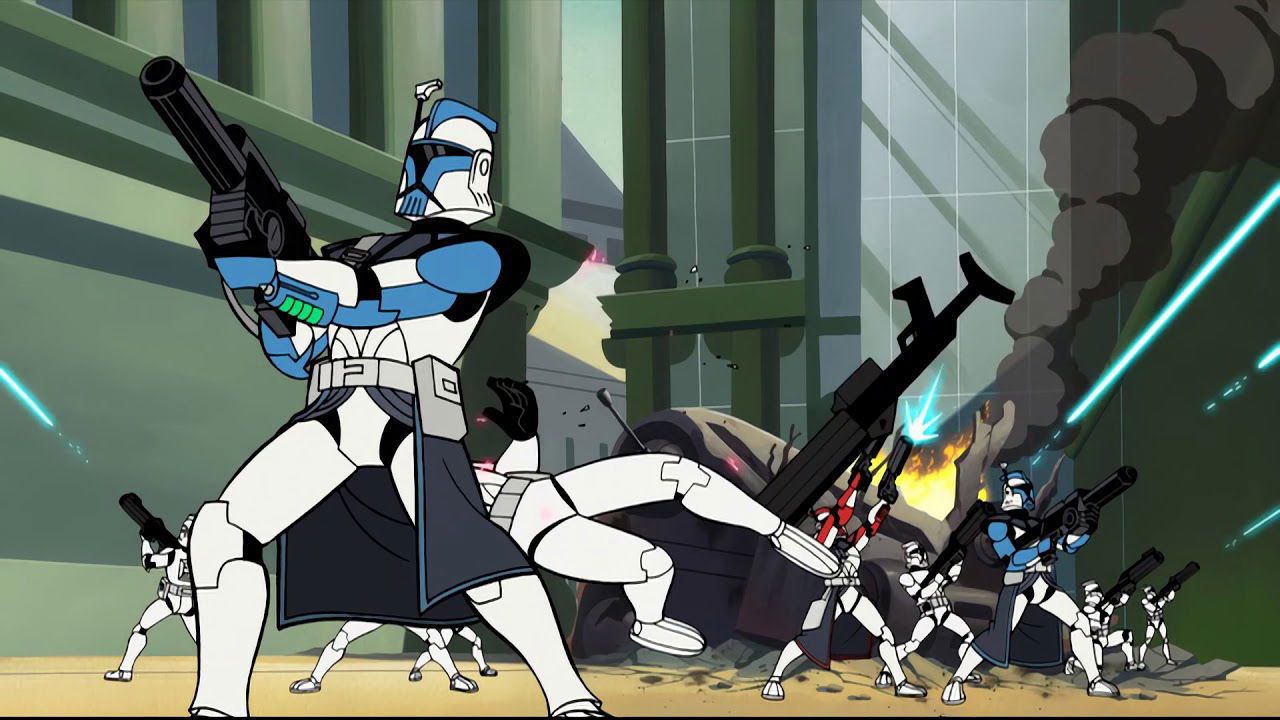
Don’t worry. This is not The Clone Wars, and it ranks nowhere near low. This is a 2003 micro-series by Samurai Jack creator Genndy Tartakovsky. It is set between Attack of the Clones and Revenge of the Sith; it follows various characters from the prequel trilogy, mainly Jedi, and their battle against the Confederacy of Independent Systems and the Sith.
Its distinctive 2D art direction and operatic battle sequences earned it a devoted following and laid the groundwork for the 2008 series that would supersede it. While it lacks the depth of later shows, its influence on the franchise’s animation language is undeniable. It ranks here for historical importance and style, balanced against its limited narrative scope.
4. Tales of the Jedi
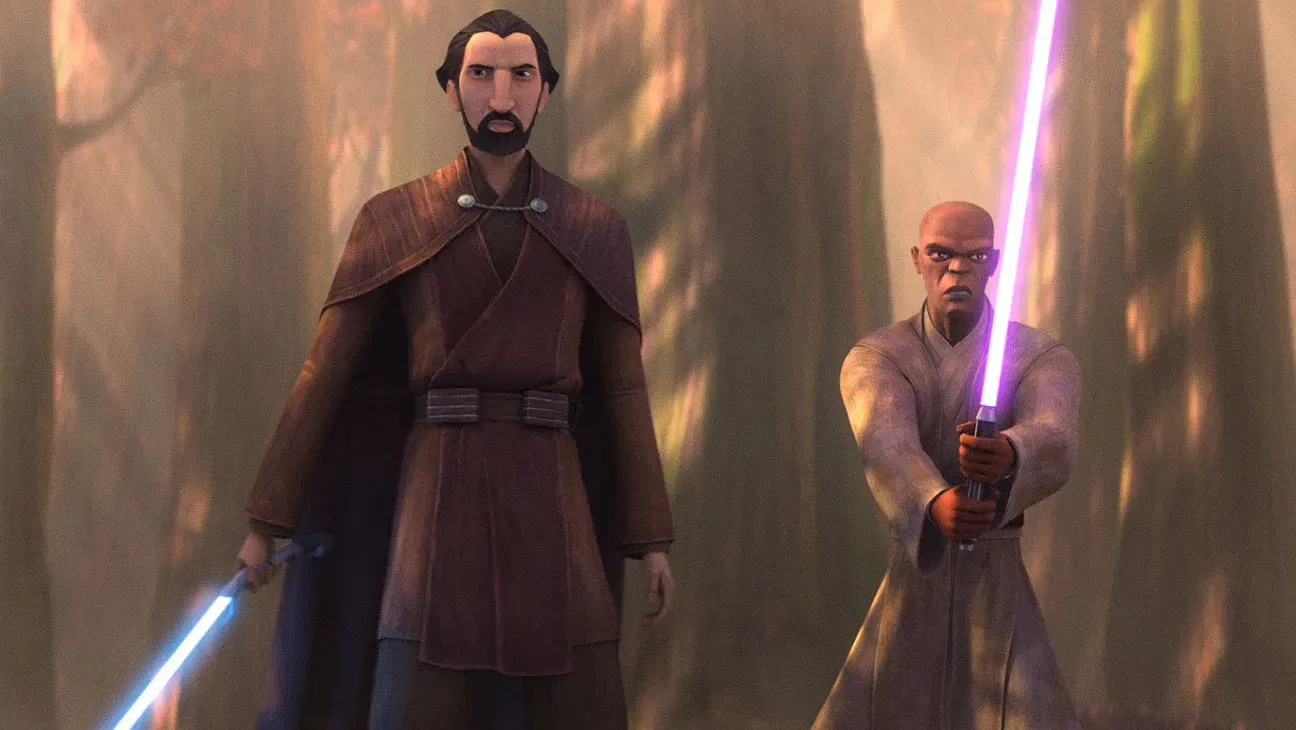
The first entry in the anthology series developed by Dave Filoni remains its best. It explores the stories of prominent characters like Ahsoka and Count Dooku, expanding on their mythos and giving important backstories to them. It traces Ahsoka’s journey from youngling to Padawan and Dooku’s descent from idealistic Jedi Master to Sith apprentice.
Tales of the Jedi’s focus and craftsmanship elevate it above the later Tales entries. It ranks highly for turning limited episode counts into some of the franchise’s most affecting character studies.
3. The Bad Batch
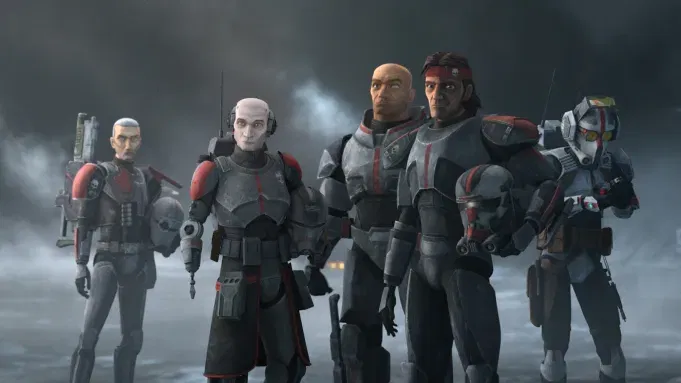
Spinning directly out of The Clone Wars’ final season, The Bad Batch follows Clone Force 99, a squad of genetically enhanced clone troopers, and their adopted sister Omega as they navigate life as outlaws in the early days of the Empire. They confront Order 66’s fallout and the sinister Kamino cloning program that created them.
Across three seasons, it balances found-family warmth with a slow-burn examination of autonomy, identity, and complicity under authoritarian rule. Its emotionally resonant finale closed out the era with real weight. It ranks third for consistently strong writing and a satisfying, complete arc.
2. Rebels
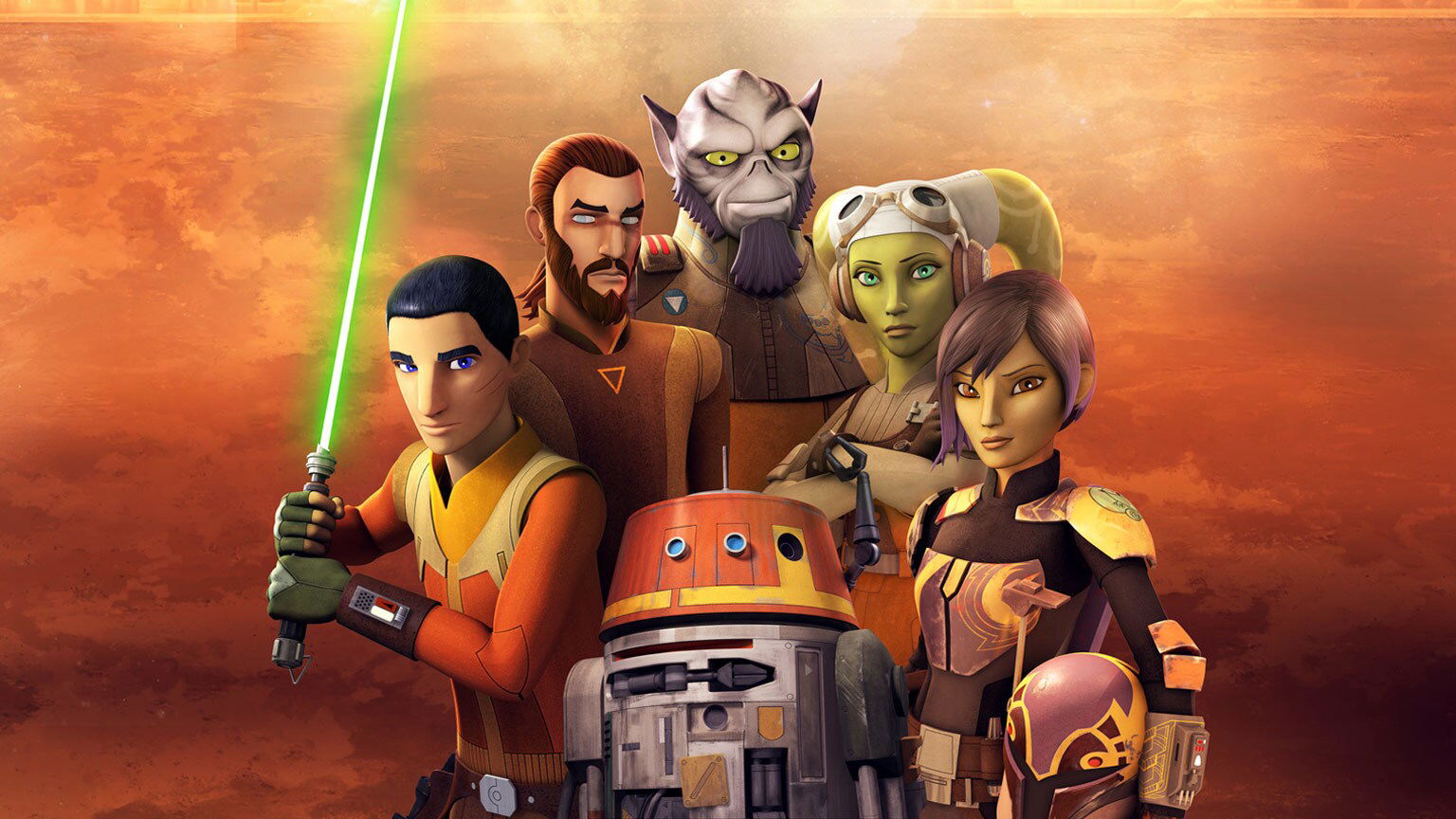
Rebels takes place before A New Hope and follows the crew of the starship Ghost. It focuses on the Ghost’s captain, Kanan Jarrus, and his Padawan Ezra Bridger, as they resist Imperial occupation and cross paths with major characters like Ahsoka and Darth Vader.
Over four seasons, it built a tightly knit ensemble, delivered some of the franchise’s most powerful confrontations between former master and apprentice, and meaningfully expanded the mythology of the Force. Its emotional highs and narrative cohesion place it near the very top.
1. The Clone Wars
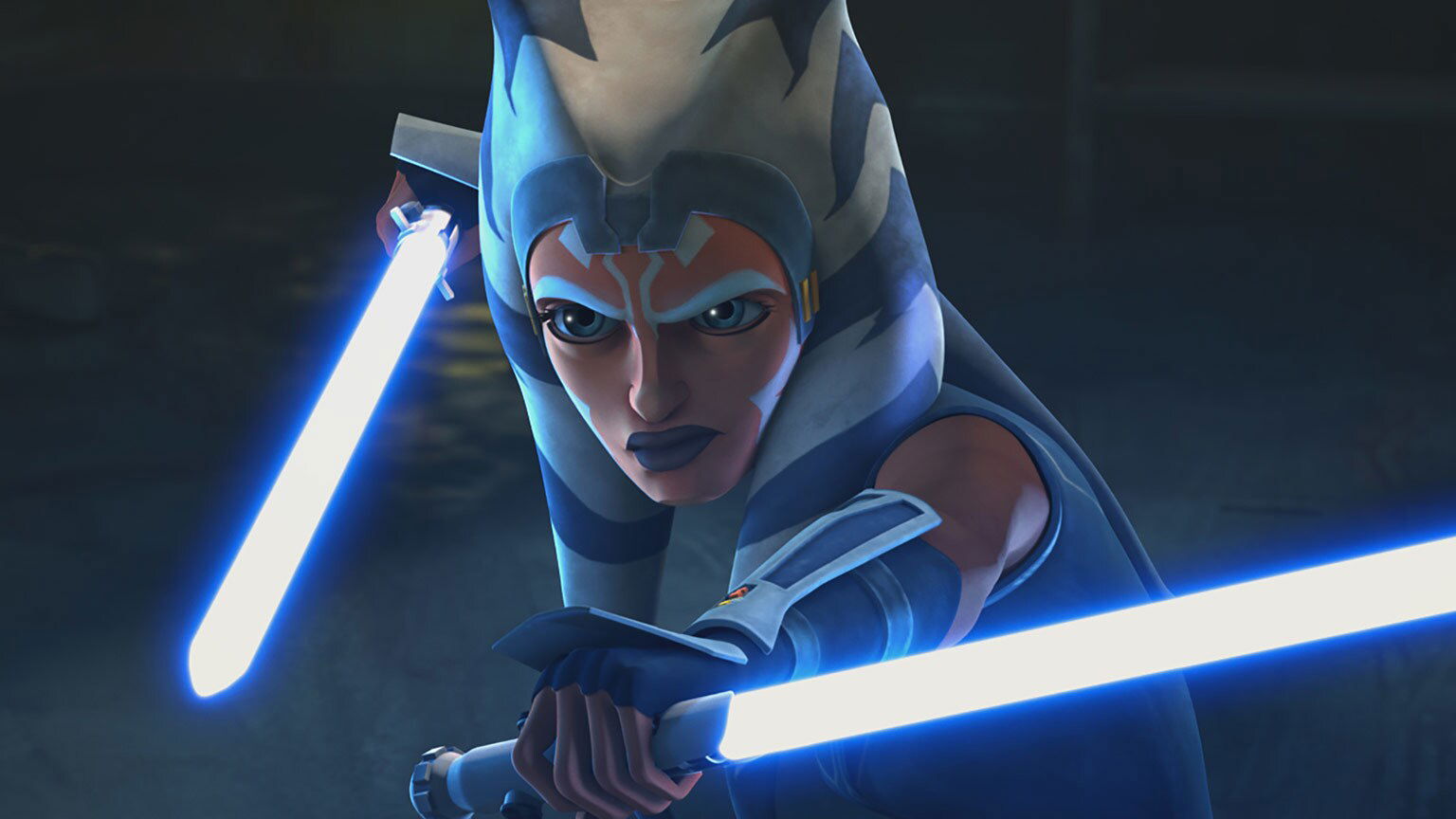
The Clone Wars redefined what Star Wars animation could be, spending seven seasons and well over a hundred episodes chronicling the war between the Republic and the Separatists while deepening Anakin Skywalker, Obi-Wan Kenobi, and especially Ahsoka Tano into some of the franchise’s richest characters.
Its scope ranged from sprawling battlefield arcs to intimate explorations of grief, loyalty, and the Force, culminating in the devastating Siege of Mandalore. Consistently praised for its ambition, emotional depth, and lasting influence on later films and shows, it stands as the definitive Star Wars animated achievement and, deservedly, the best of the last thirty years.
| Rank | Star Wars Animated Series | Rotten Tomatoes – Tomatometer | Popcornmeter ( as of July 24, 2026) |
| 1 | The Clone Wars | 93% | 91% |
| 2 | Rebels | 98% | 85% |
| 3 | The Bad Batch | 88% | 84% |
| 4 | Tales of the Jedi | 100% | 92% |
| 5 | Clone Wars | 89% |
| 6 | Tales of the Empire | 88% | 47% |
| 7 | Visions | 98% | 60% |
| 8 | Tales of the Underworld | 100% | 74% |
| 9 | Star Wars Resistance | 93% | 45% |
| 10 | Young Jedi Adventures | – |
| 11 | Forces of Destiny | 38% |
Which is the best Star Wars animated series for you? Comment below.