Science fiction cinema has always been about ambitious storytelling, where directors try to adapt literary works for the big screen. Frank Herbert’s Dune has been one of them, a novel so complex and multilayered that it has been a challenge for filmmakers for decades.

Before Denis Villeneuve started creating new adaptations, there was David Lynch’s version released in 1984. However, the movie not only became a learning process in how to properly adapt a sci-fi novel on screen but also a lesson that shaped Lynch’s career and artistic decisions.
David Lynch learned a valuable lesson after the failure of Dune (1984)

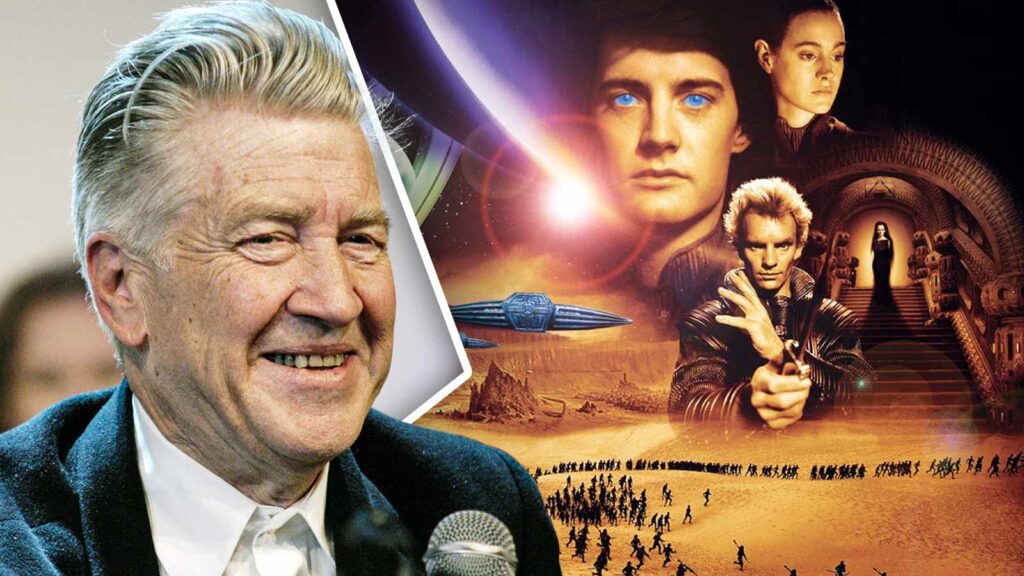
What David Lynch was doing with Dune (1984) at the time was destined to be complicated. The film, adapted from a literary classic by Frank Herbert, featured Kyle MacLachlan as young Paul Atreides in his fight against the Harkonnens on the planet of Arrakis.
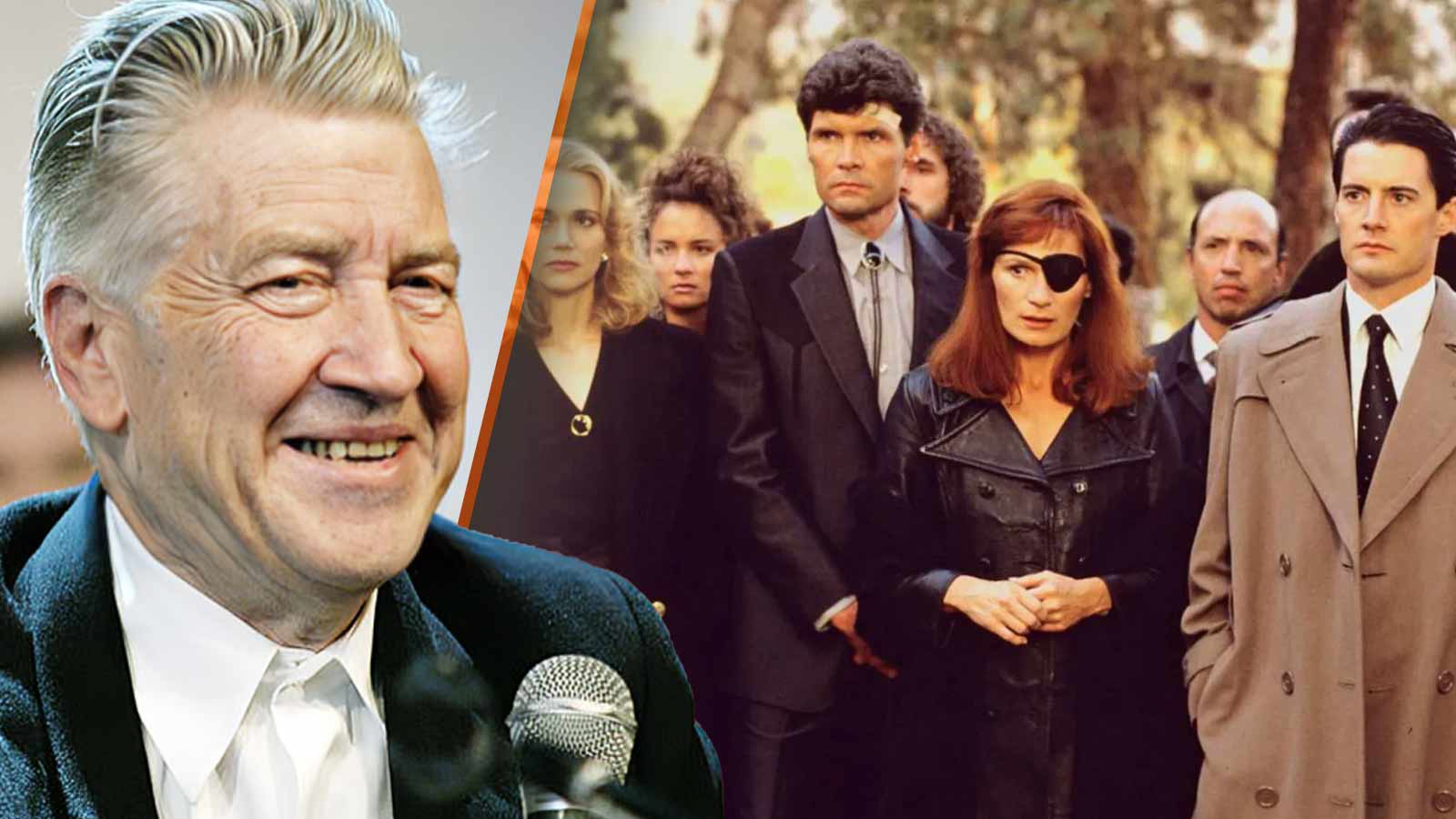
Right from the beginning of the project, different problems arose that would eventually lead to Lynch’s one of the biggest professional regrets. In an earlier interview (via KGSM MediaCache YouTube), Lynch revealed that he didn’t have the final cut of Dune (1984) which ruined his entire experience.
On Dune I started selling out even in the script phase knowing I didn’t have final cut and I sold out. So it was a slow dying.. the death and a terrible terrible experience.
In his recent interview for NPR‘s Wild Card podcast, Lynch confessed the lesson he learned from his “terrible experience.” He said,
Dune wasn’t the film I wanted to make, because I didn’t have a final say. So that’s a lesson I knew even before, but now there’s no way. Why would anyone work for three years on something that wasn’t yours? Why? Why do that? Why? I died a death. And it was all my fault for not knowing to put that in the contract.
According to Box Office Mojo, Dune (1984) was made within a budget of around $40 million, and it managed to earn only $30.9 million worldwide. The movie has a critic rating of 36% and an audience rating of 65% on Rotten Tomatoes.
The reception of the film showed the dark side of the challenges in film adaptations of literary works. In contrast to later adaptations, Lynch failed to convey the complexity of Herbert’s story. What was left was a straightforward heroic journey that lost the deep philosophical complexities of the novels.
How the new Dune movies differ from Dune (1984)

Frank Herbert’s original novel was never intended to glorify heroism. The books gave a deeper look at how environments influence humanity and how supposedly heroic actions can cause bitter consequences. Herbert himself told in a 1979 interview (via Aleteia),
The bottom line of the Dune trilogy is ‘beware of heroes.’ Much better rely on your own judgment, and your own mistakes.
The novels showed how Paul Atreides’ rise to power unleashed a holy war. Herbert wanted readers to learn that society could be destroyed if people blindly follow leaders or prophecies.
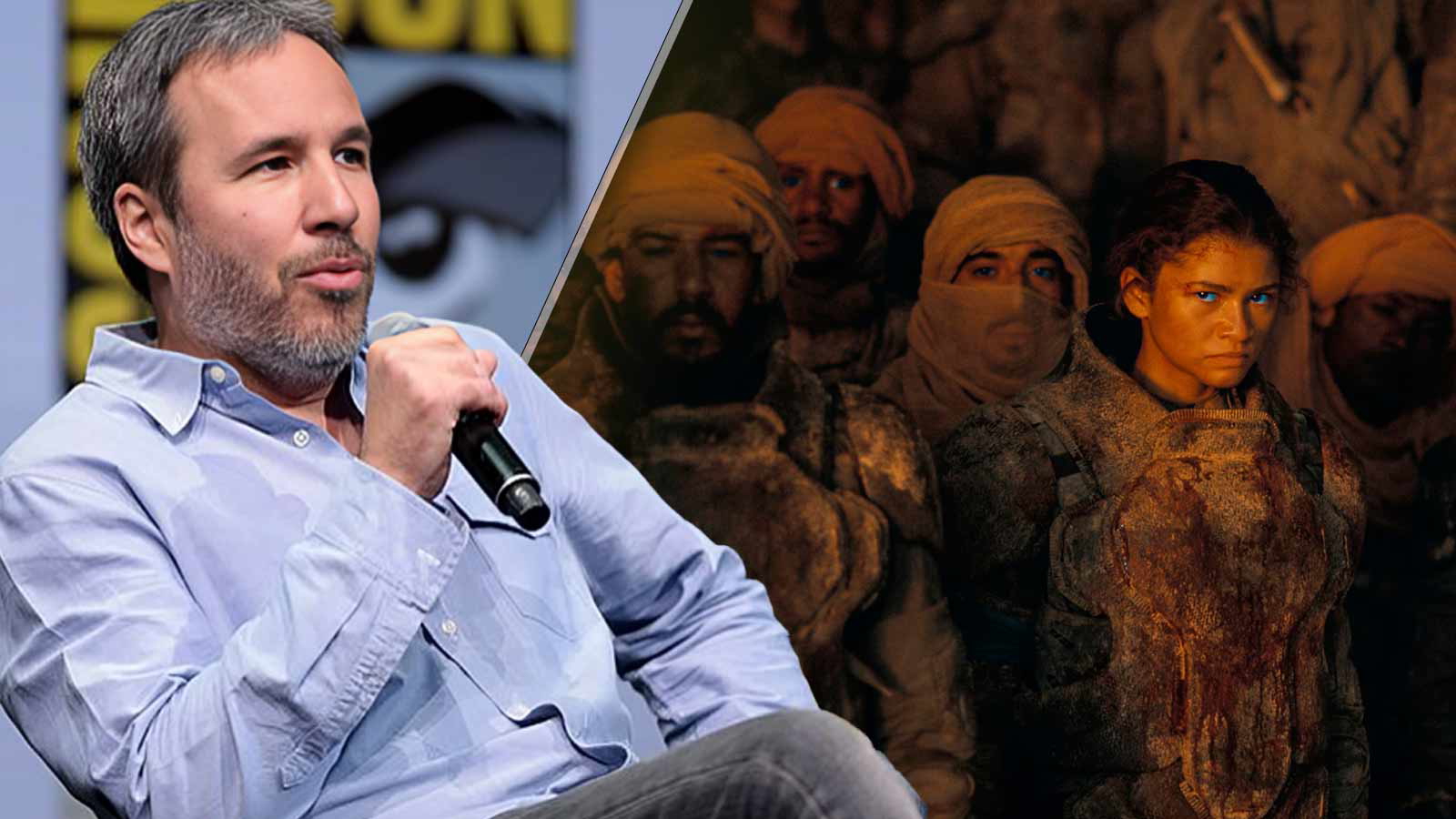
Denis Villeneuve‘s recent adaptations brought Herbert’s vision to life quite authentically. Where Lynch offered a straightforward hero’s journey, Villeneuve brought some complexity. His version raises a question about the issue of the role of the prophecies by showing Paul’s unwillingness to become the messianic figure expected by Fremen.

The end of Dune: Part Two does not glorify Paul’s triumph. Instead, it shows the beginning of a destructive holy war. By focusing on characters like Chani and offering background that questions the prophecy, Villeneuve aligned his movies to the philosophical narrative of the novels.
Dune (1984), Dune, and Dune: Part Two are available to stream on Max.
Frequently asked questions
Why did David Lynch call directing Dune (1984) a terrible experience?
Lynch said the project was compromised because he did not have final-cut approval, so the finished film was not the version he set out to make. He recalled beginning to compromise his vision as early as the script stage, summing it up by saying he had ‘sold out.’ He later described it as a kind of ‘slow death’ and said it was his own fault for not securing final cut in his contract, a lesson that shaped how he approached later projects.
Who directed and starred in Dune (1984)?
Dune (1984) was directed by David Lynch and released by Universal Pictures, adapting Frank Herbert’s 1965 novel. Kyle MacLachlan starred as Paul Atreides in his feature film debut. The article also references Denis Villeneuve, who directed the more recent Dune adaptations decades later.
Was Dune (1984) a box-office success?
No. The article notes the film was made on a budget of around $40 million but earned roughly $30 million in North America, leaving it a commercial disappointment on release. It also carries a low critics score (about 36%) on Rotten Tomatoes, though it has since developed a cult following as a divisive adaptation.