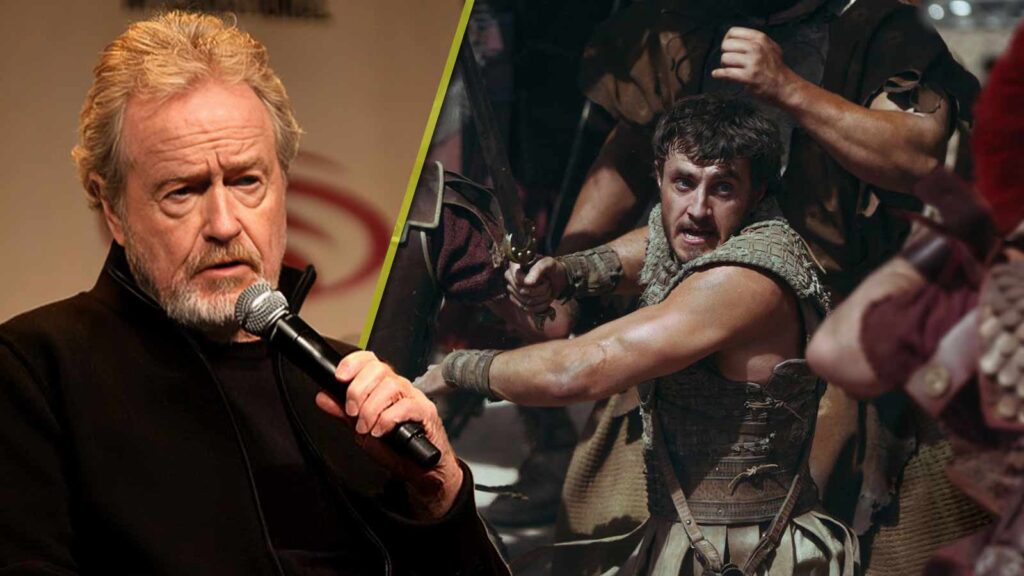
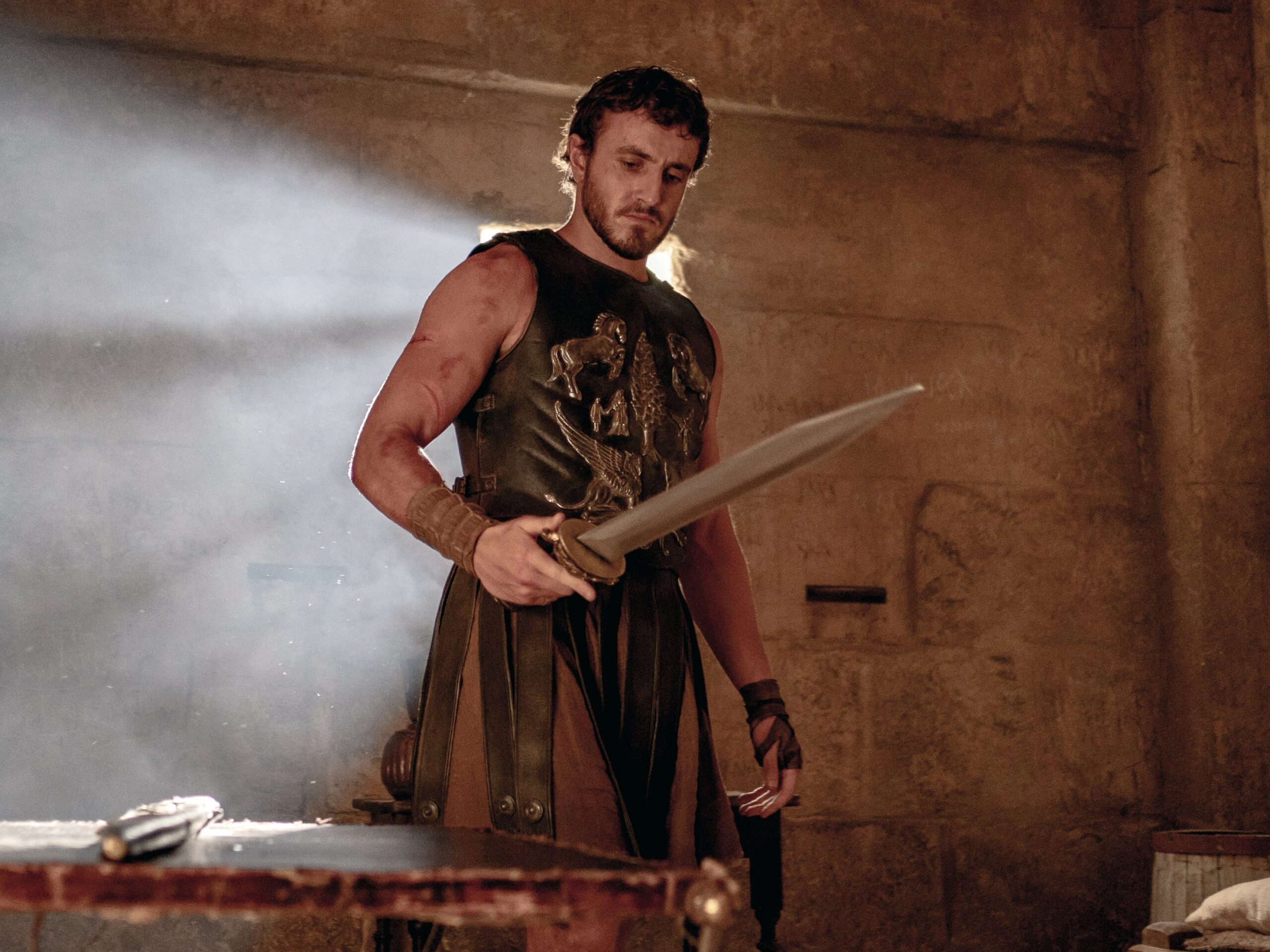
Directed by Ridley Scott, the sequel to 2009’s Gladiator, Gladiator 2 stars Paul Mescal, Pedro Pascal, Denzel Washington, and more. The story follows Lucius Verus seeking revenge against General Acacius while fighting as a gladiator under Macrinus. The movie, upon release, has received a positive response from critics with praise for the action sequences, story, performances, and visuals.
However, some publications and critics noted that the plot of the sequel lives in the shadow of the original movie and lacks the emotional punch that it needs. Denzel Washington’s performance has been lauded, and if rumors are to be believed, he could be in the running for an Academy Award. The actor recently addressed the historical inaccuracy in the movie when it comes to his highly praised character.
Denzel Washington talks about Gladiator 2’s historical inaccuracy about Macrinus
Ridley Scott’s highly awaited movie Gladiator 2, with Paul Mescal and Pedro Pascal leading, opened up to a positive response. But it was Denzel Washington’s Macrinus that has got the Oscar buzz rumor. Reports have suggested that Macrinus is based on an actual figure from ancient Rome.
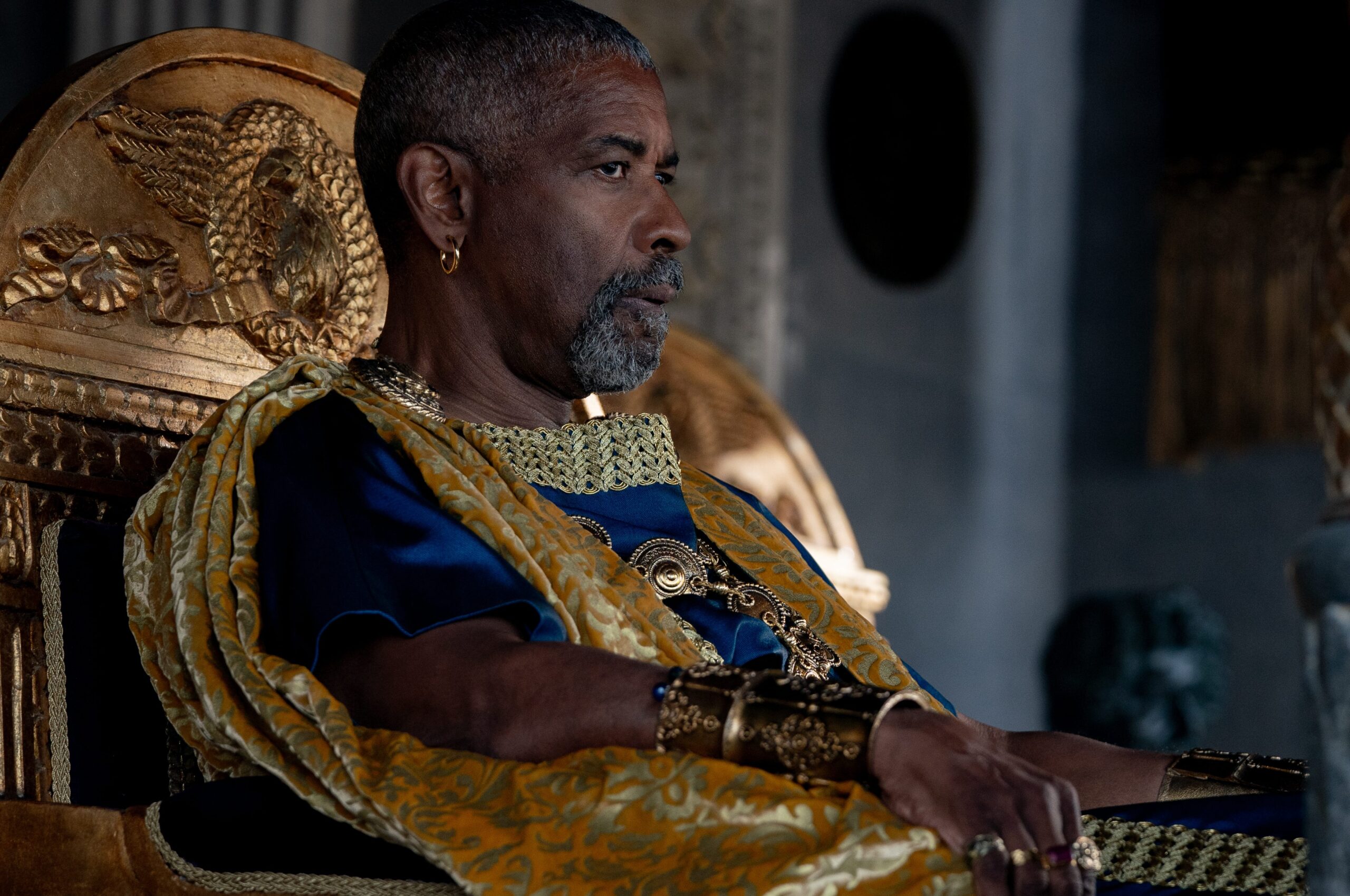
According to People, Roman culture expert Shadi Bartsh shared that there was indeed a guy named Macrinus, who was a Roman emperor who ruled right after Caracalla. She said,
A Berber with darker skin, Macrinus was born in the Roman province of Mauritania, which happens to be in North Africa. He was the first emperor who did not come from the senatorial class.
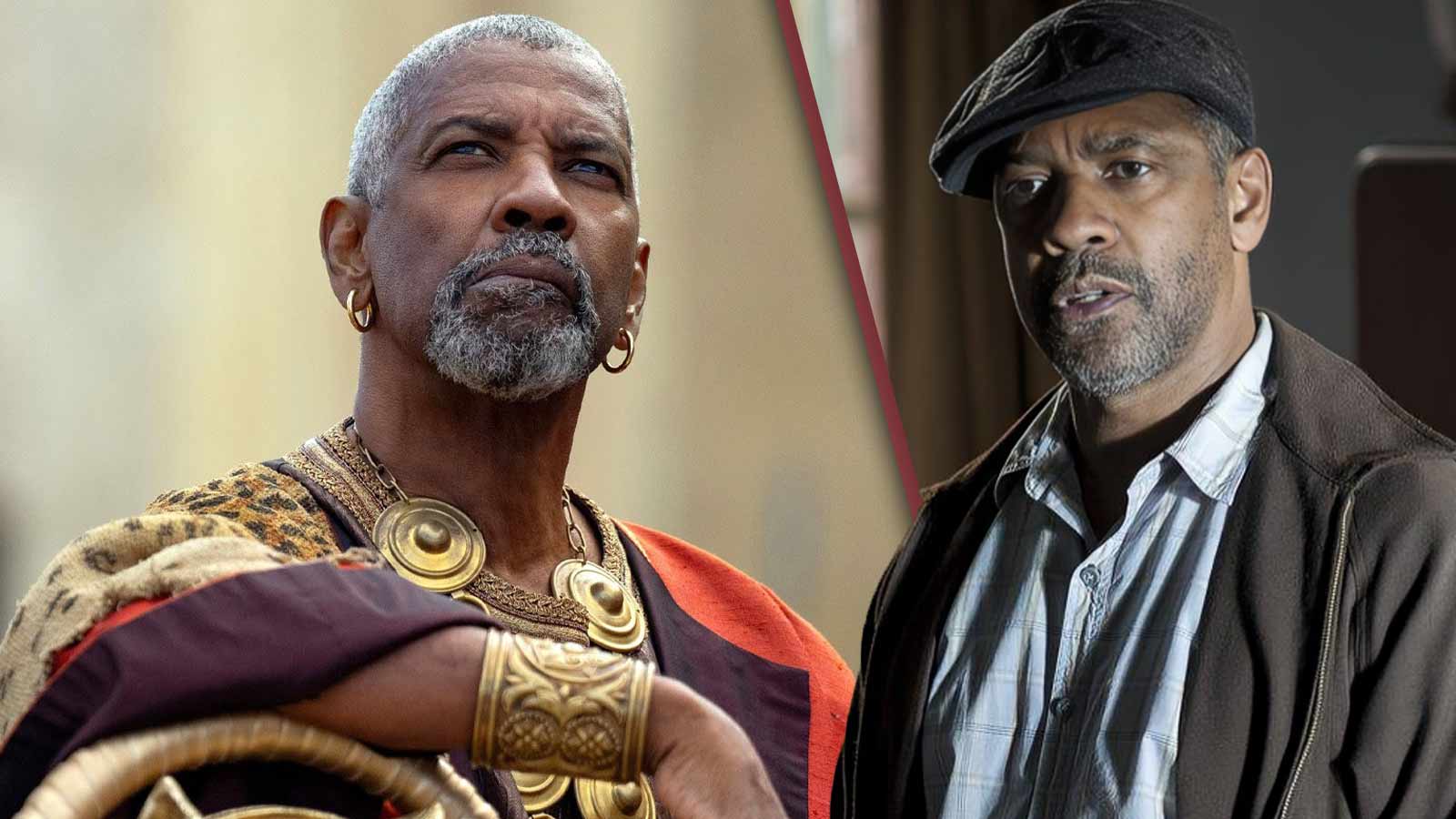
She also noted that Macrinus was not a former slave as it has been depicted in the movie. One thing that was also mentioned is that he was not Black. In a recent interview with The Times, the legendary actor addressed the historical inaccuracy of his character and being adapted as Black. He said,
I started heading down that hole, but I’ve done enough biopics, and I’m sure people are already saying, ‘Macrinus wasn’t Black!’ They’ll say, ‘Well, there were no Black people in Rome.’
The actor continued that if that’s the case, then how did they all get so dark-skinned? He mentioned that even though Macrinus wasn’t Black, there were Black people in Rome at the time. The writer of the movie David Scarpa, admitted to having to change the aspect of the real-life historical figures to make the characters fit in the story.
ScreenRant pointed out that the real Macrinus ruled Rome for just over a year, while Washington’s character was killed shortly after becoming emperor.
Unlike Washington’s version, the emperor never bought gladiators, along with his relationship with Lucius, who was the champion gladiator under his wing. As Bartsh stated the emperor never visited Rome while in power, Gladiator 2’s Macrinus took control of the Senate in Rome.
Ridley Scott’s Lucius Verus II differs from the real-life Lucius Verus II
Apart from Washington’s character’s inaccuracy, Mescal’s Lucius Verus II, who in the movie tried to spark a revolution against the co-emperors Geta and Caracalla, differs from the real-life Lucius Verus II. The real Lucius died of illness as a child before Commodus became emperor. (via ScreenRant)
Another inaccuracy or change from the real-life person showcased in the recently released movie is the one about Geta and Caracalla. In the movie it has been depicted that Geta takes the role of an older brother when compared to Caracalla; however, in real life, the latter was very much in control. It has been known that Caracalla kills his brother in the presence of their mother, who is not able to grieve her younger son because of the overwhelming authority of Caracalla. (via History Extra)
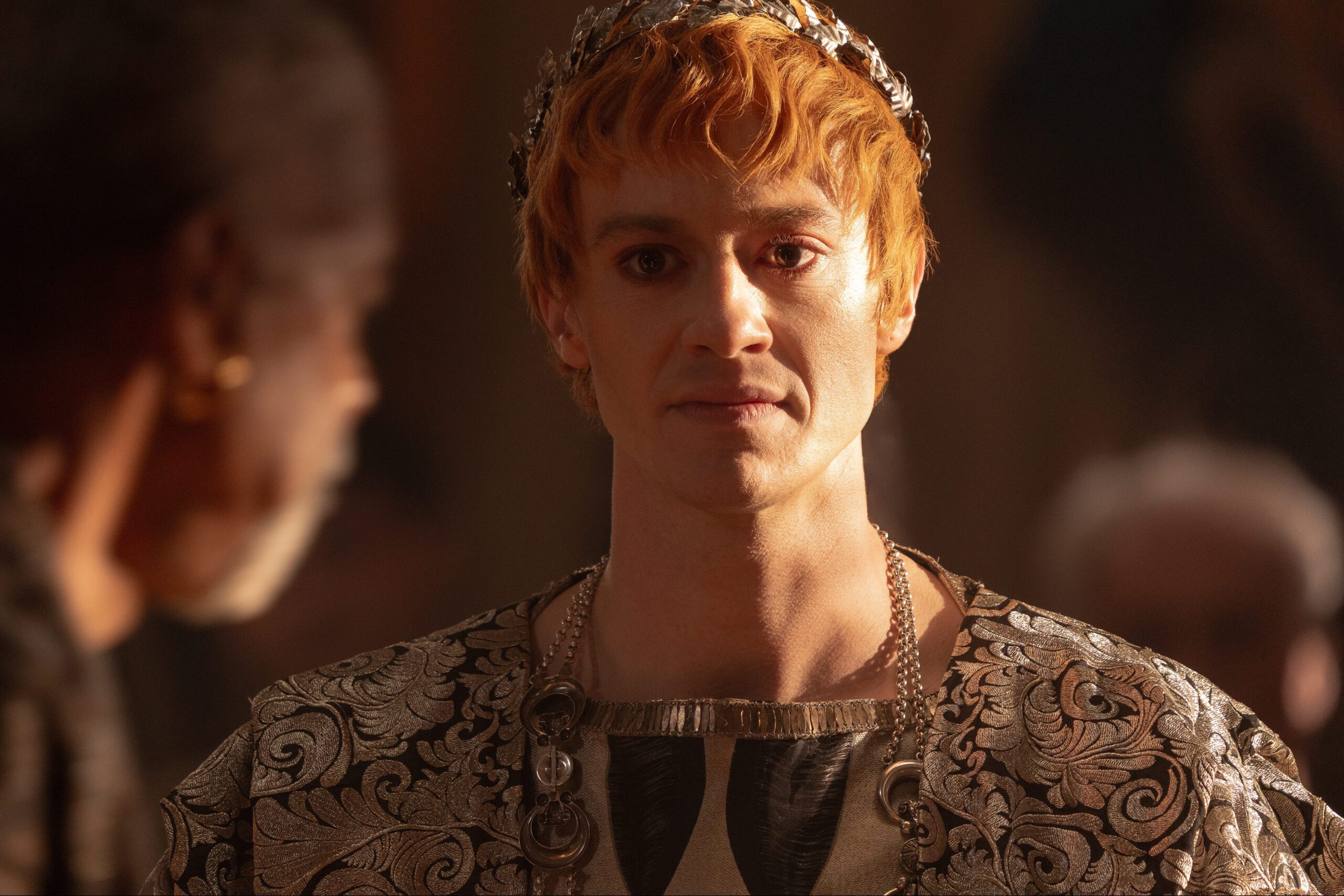
Lucius Verus II’s mother, Lucilla, was banished and executed in real life for attempting to assassinate Commodus while she survives in Scott’s version. In his conversation with Collider, Ridley Scott was asked about the sharks in the Colosseum, to which he said that if they can build a Colosseum and flood it with water, can’t they get sharks in a net from the sea? Of course, they can.
Mescal bites a baboon in one of the arenas in one scene, which didn’t happen in real life then. According to Vox, the filmmaker got the idea of it after he took a trip to South Africa and saw some tourists approach a baboon in a parking lot. A scene where a senator is reading a Roman newspaper is also inaccurate, as the production of paper has not been invented yet.
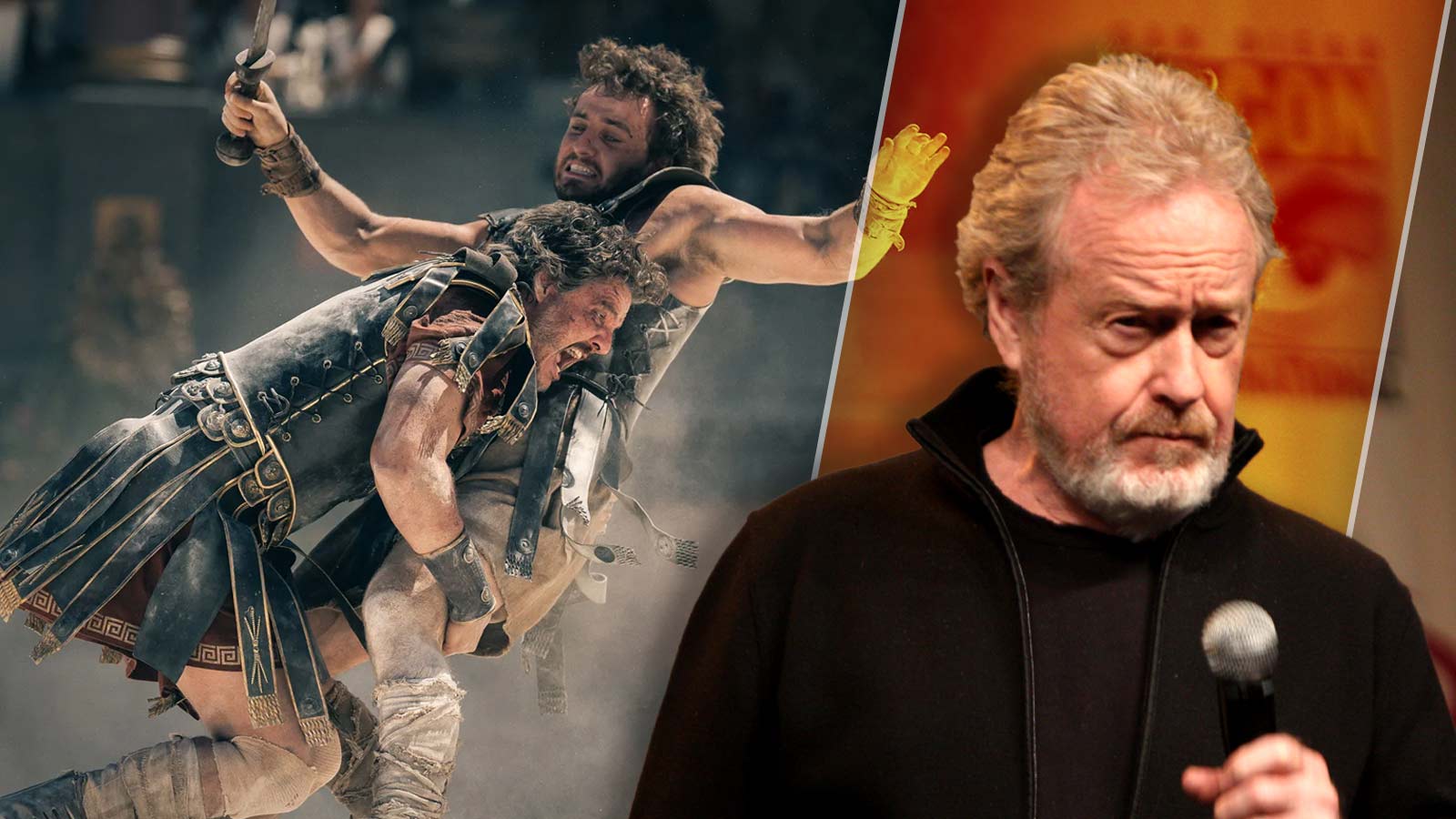
Pedro Pascal’s character, General Acacius, is complete fiction, as is his marriage to Lucilla and his rebellion against Geta and Caracalla.
Gladiator II is playing in cinemas.
Frequently asked questions
What is the main historical inaccuracy in Gladiator II, according to the article?
The article singles out Macrinus, played by Denzel Washington. Macrinus was a real Roman figure who briefly became emperor after Caracalla, but the film reimagines him as a former slave who climbs to power, takes control of the Senate, and buys gladiators. Historically he was a Berber born in the Roman province of Mauretania in North Africa, was not a former slave, and ruled for a little over a year, whereas the film has him killed shortly after seizing power. Accounts cited in the piece also note the real Macrinus never visited Rome during his short reign.
Who directed Gladiator II, and who stars in it?
Gladiator II was directed by Ridley Scott, who also made the original 2000 Gladiator. The sequel, distributed by Paramount Pictures, stars Paul Mescal as Lucius Verus II, Pedro Pascal as General Acacius, and Denzel Washington as Macrinus. The story follows Lucius seeking revenge against Acacius while fighting as a gladiator connected to Macrinus, and the film opened to a generally positive critical response, with particular praise for Washington’s performance.
What other historical liberties does the article point out?
Beyond Macrinus, the article flags several departures from history. Paul Mescal’s Lucius Verus II is reworked from a real figure who died of illness as a child; the brothers Geta and Caracalla have their real-life dynamic reversed; and General Acacius is described as a complete fiction. It also notes crowd-pleasing details that were never historically accurate, such as sharks in the flooded Colosseum and a senator reading a printed Roman newspaper at a time when paper had not yet been introduced.