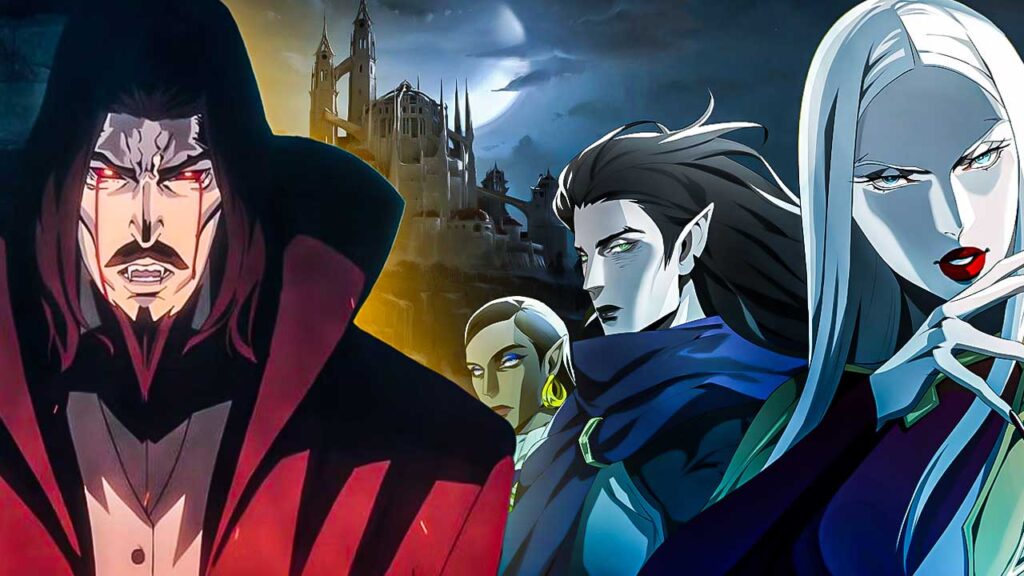
Castlevania is a Western production that adapts a Japanese series and borrows heavily from the shonen style. One of the pioneers of Netflix Original Animations, Castlevania from Powerhouse Animation, has evolved significantly from its initial four-episode season. Although the idea of adapting an archaic video game into a blood-splattering anime sounds strange and inane, Castlevania has a certain kick to it with its unabashed portrayal of blood and gore.
An interview with Samuel Deats and Adam Deats, the director and associate director of Castlevania respectively, revealed some interesting aspects of the series. In the interview, they discussed their extensive roles as directors, how the show tries to find a balance between beauty and horror, and how the series found its unique aesthetic.
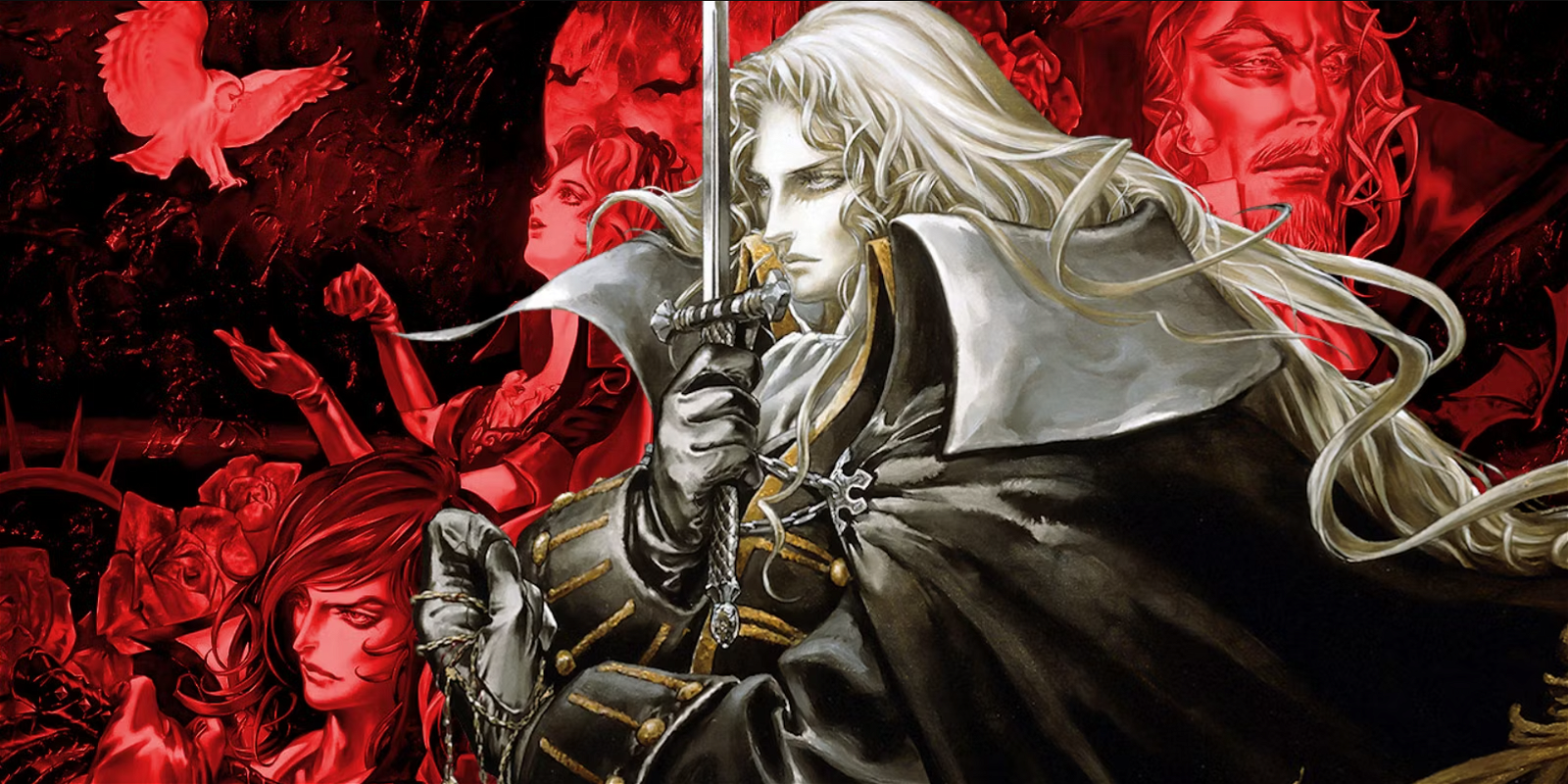
During the interview, Sam and Adam talked about the evolution of Castlevania as an animated series, as well as how they dived into the folklore surrounding the series. In keeping with that, the two also talk about how the series evolved to comfortably fit in with both newcomers and diehards of the video game franchise.
Samuel Deats And Adam Deats On Finding The Right Balance Between Brutality And Beauty
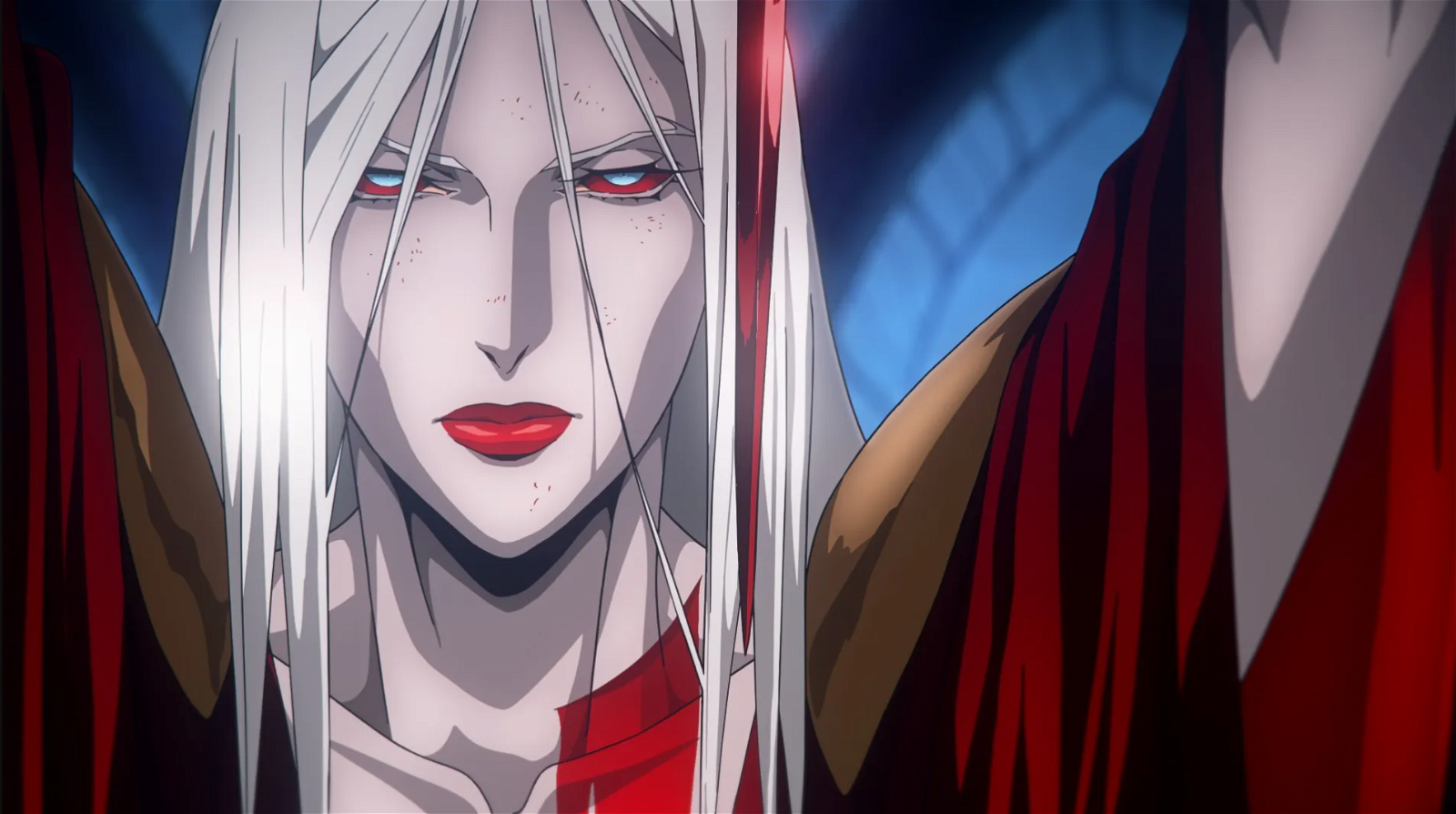
In the 2021 interview, Samuel Deats and Adam Deats also discussed about striking the right balance in the series. The balancing act is trying to find an equilibrium between brutality and beauty, especially in a way not addressed enough in other Western animated works. Adam Deats further explained:
In a sense, we accidentally ended up there, because we like to have fun during battle. We’re also trying to hit horror notes for sure in kinds of sequences, and that sometimes comes packed with a certain level of body-horror.
A lot of the time, we’re not even taking it all that seriously, the gore part, because it’s all in the fun of the battle. In other instances the horror is supposed to feel as horrific as possible. Juxtaposing that with beautiful people? I don’t know, it’s one of those things that anime has been doing for a very long time.
Animes in particular has the art of juxtaposing beauty and horror down pat. Castlevania is a heavily gothic and bi-shonen-inspired work that demands a delicate balance to make it work. In terms of artwork and direction, Castlevania is stellar and sticks with its aesthetics.
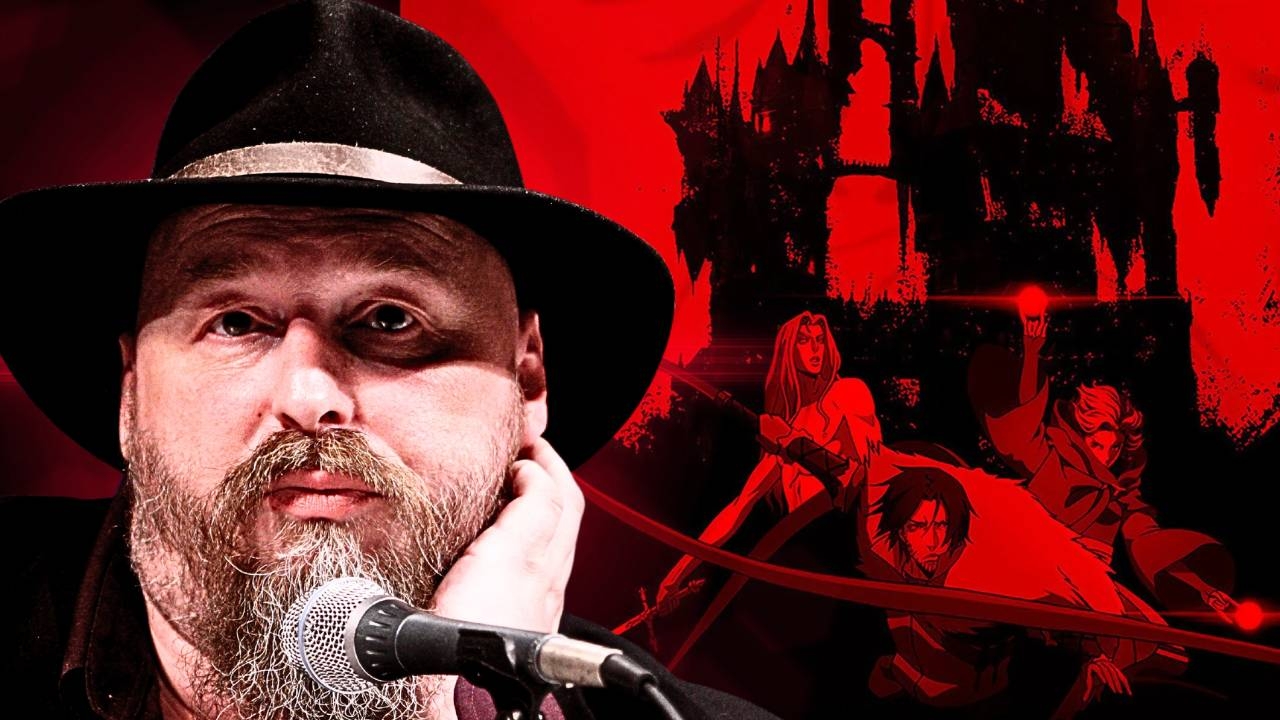
A lot of the violence and horror portrayed in Castlevania is stylistic and draws the viewers in, instead of repelling them. That is the true beauty of horror and the series capitalizes on its potential to the greatest extent.
Sam Deats and Adam Deats Explored Folklore For Castlevania
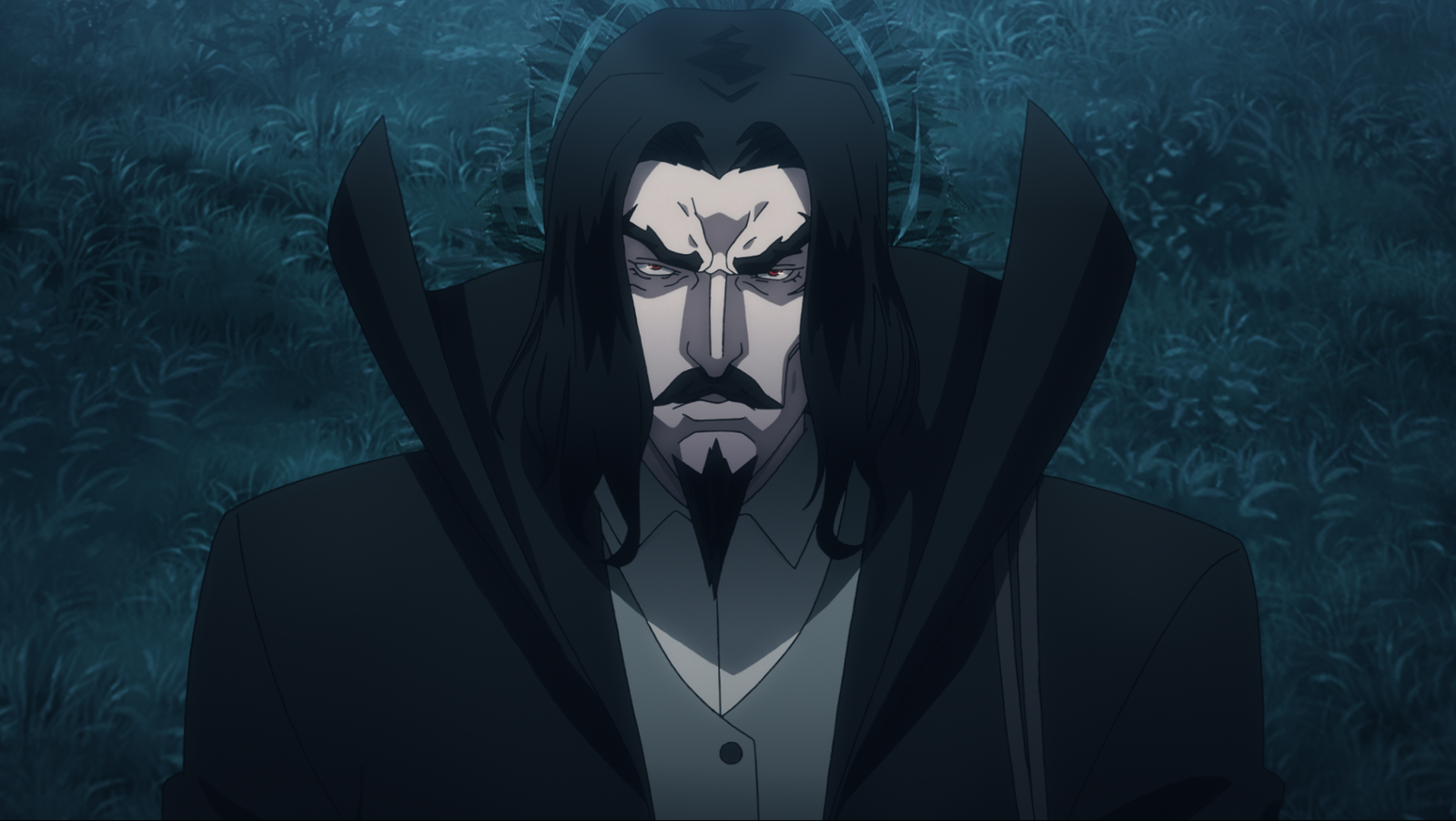
Going beyond the series’ immediate impact, Sam Deats described the team’s exploration into folklore, searching for previously unexplored parts and modifying them to fit the Castlevania legend. Additionally, he dissected the series’ inspirations and explained how the narrative ought to adhere to the franchise’s ethos. Sam Deats explained:
In the same inspiration of how Castlevania looks backwards to those old folktales, we also look to contemporary horror. The method has been largely kind of following the original intent to what Castlevania has always been, cramming together all these different horror creatures and franchise from way back when and finding new places to pull inspiration from, and that’s something we’ve tried to continue in the show.
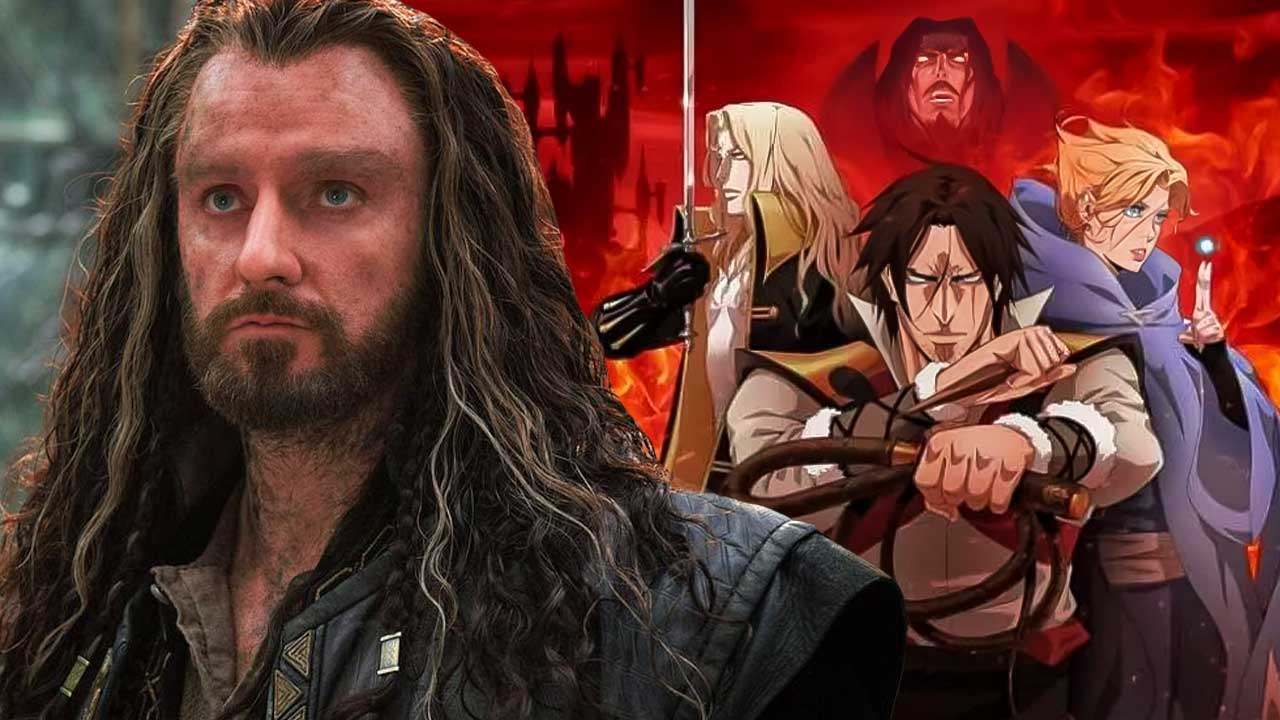
The duo also went into detail about the work that went into battle sequences in the series, and how they largely avoided 3D elements, which led to hand-drawn details in big sequences. Sam Deats commented that what the fans saw in Season 3 was insignificant in comparison to what they have done for Season 4. It is quite clear that a lot of passion goes into the creation of this beloved series from the interview.
You can watch Castlevania on Netflix.
Frequently asked questions
Who directed Netflix’s Castlevania animated series?
Samuel Deats was the director and Adam Deats served as associate director on Netflix’s Castlevania, produced by Powerhouse Animation. In the 2021 interview the article draws on, the two discussed their roles and how they approached the show’s violence and visual style.
Why did the Castlevania directors say they weren’t taking the gore “all that seriously”?
Adam Deats said, “A lot of the time, we’re not even taking it all that seriously, the gore part, because it’s all in the fun of the battle.” He drew a line between battle gore meant to be entertaining and other moments where, in his words, “the horror is supposed to feel as horrific as possible” — often juxtaposing that horror with beautiful character designs the way anime frequently does.
How did the Castlevania team blend folklore and horror in the show’s look?
Sam Deats said the team looked backwards to old folktales while also drawing on contemporary horror, in keeping with Castlevania’s tradition of “cramming together all these different horror creatures.” The team also favored hand-drawn detail over 3D for major sequences, and Sam felt Season 3’s work was minor compared with what they achieved in Season 4.