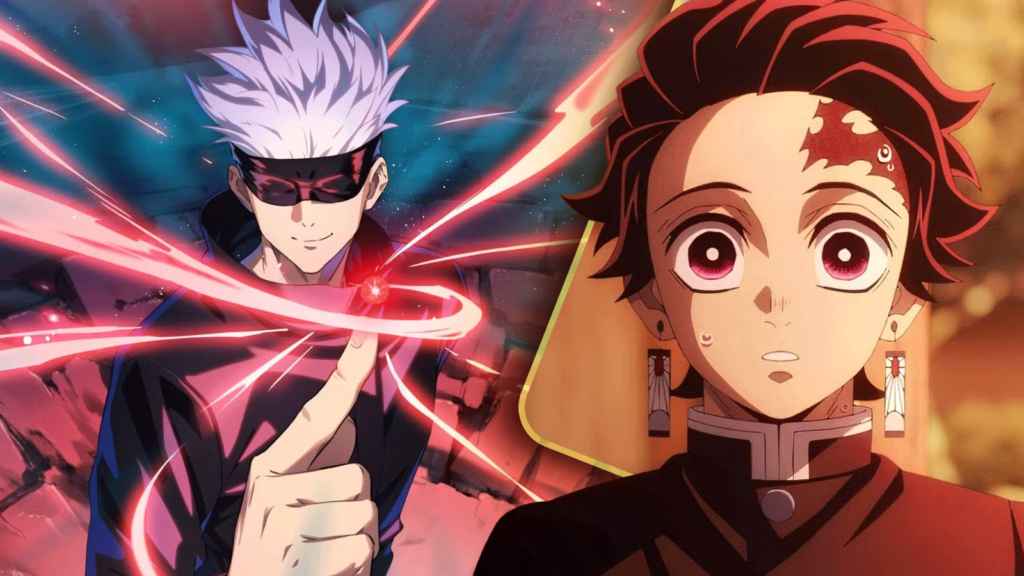
Modern-day Shonen has seen several creators whose works are considered legendary. Koyoharu Gotouge, the creator of Demon Slayer, and Gege Akutami, the creator of Jujutsu Kaisen are two such creators who have been hailed as masterminds due to their impressive works.
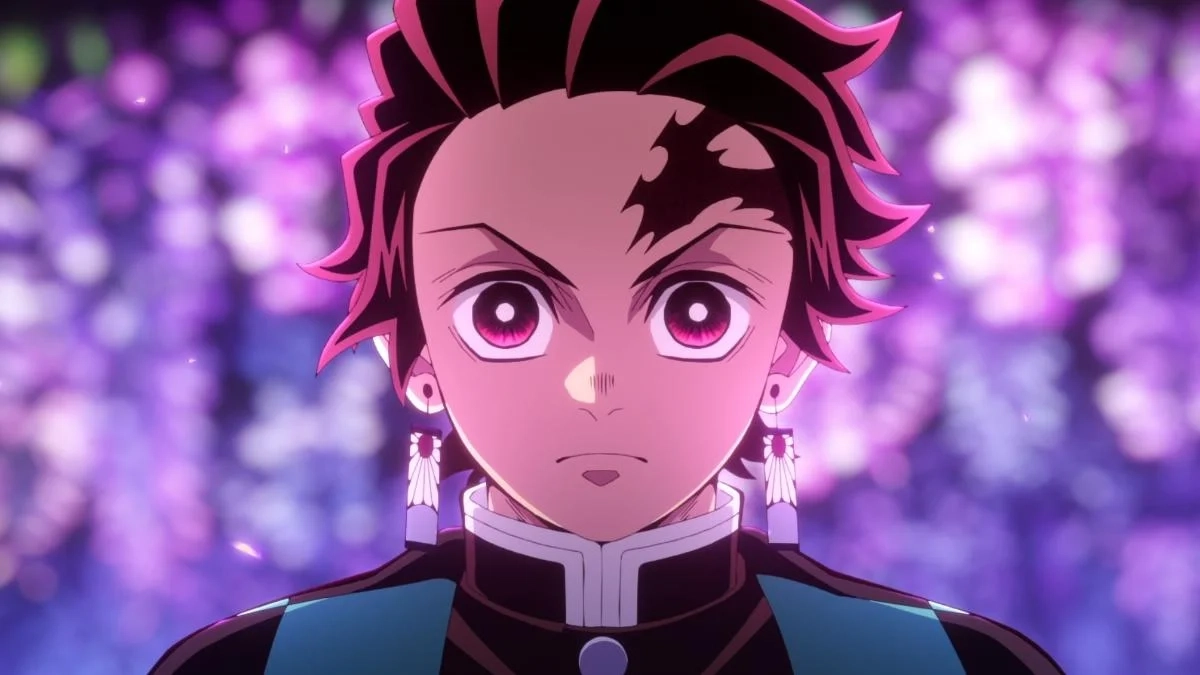
While both the creators achieved magnanimous success through their respective series, only one of them was able to end their series on their terms, offering a perspective into how a creator’s decisions and identities change as the internet continues to evolve.
Demon Slayer, unlike Jujutsu Kaise,n ended as per its creator’s wishes
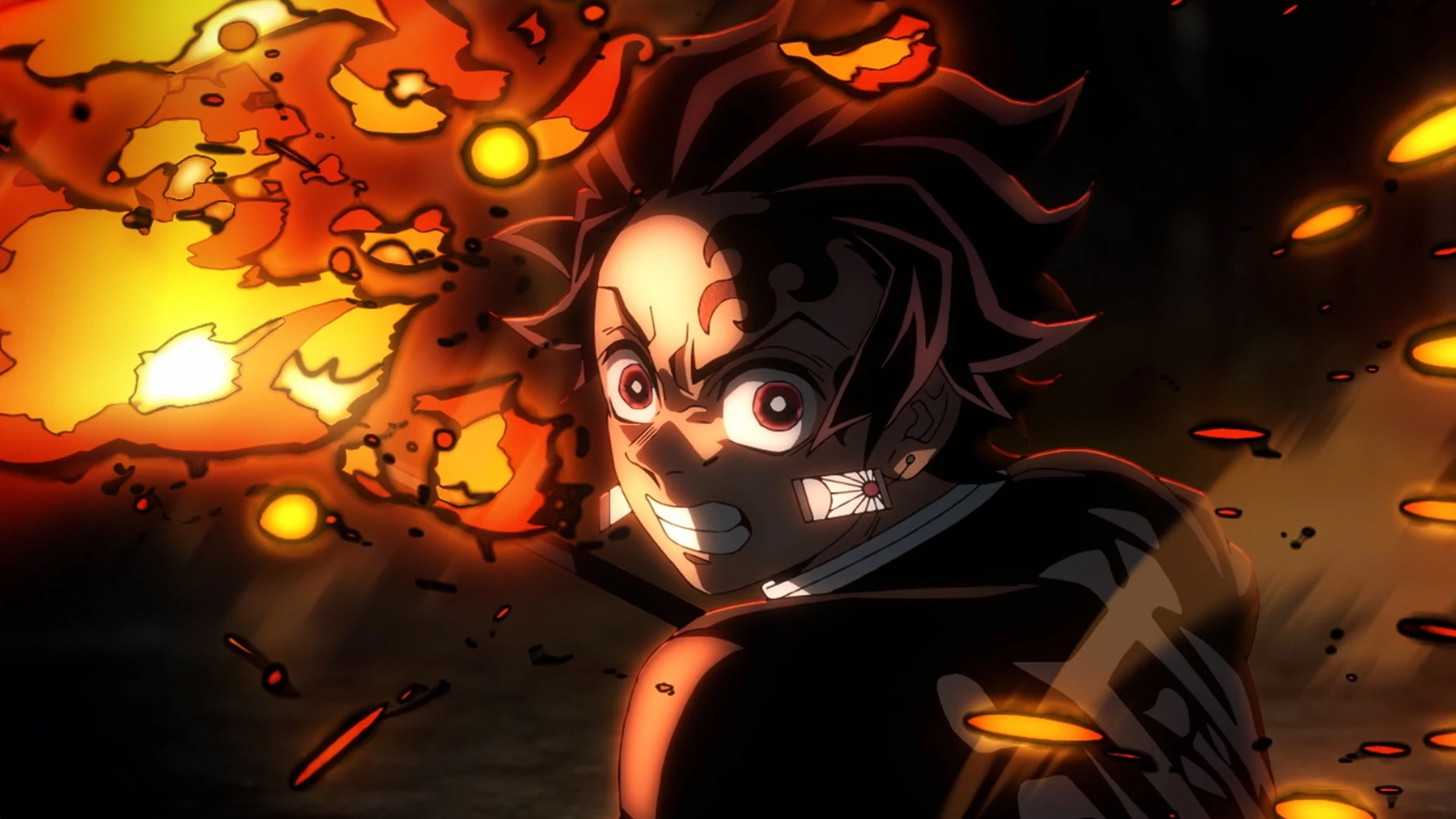
Demon Slayer ended its serialization in May 2020. The series ended by wrapping up the story of Tanjiro, showing him and his comrades living the rest of their lives happily. The manga even had an epilogue where the work of the slayers was appreciated even by their descendants.

The ending was very well received and fans loved seeing their characters getting a happy ending. More importantly, they felt that everyone got their closure and that every plotline was resolved.
To this day I respect the Demon Slayer author for somehow writing the most popular thing in the world and just ending it on their own terms during the peak of its relevance
— august (@regularaugust) February 6, 2025
The series wasn’t rushed and its audience respected its creator for ending the series in a relaxed manner.
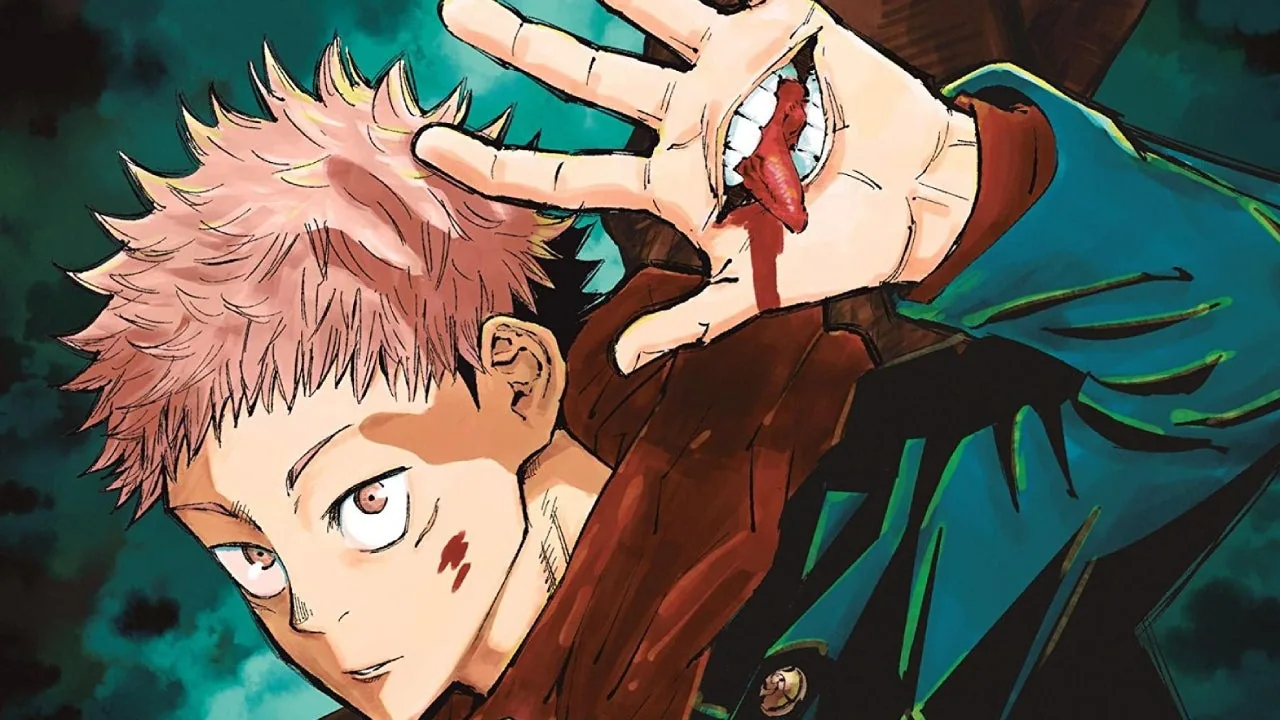
However, this was not the case with Jujutsu Kaisen, which concluded in September of 2024 with the main trio of the series continuing their lives as sorcerers. This ending was met with severe criticism by fans, who complained that the ending did not feel like it was written by Gege and that several plots were left unresolved.
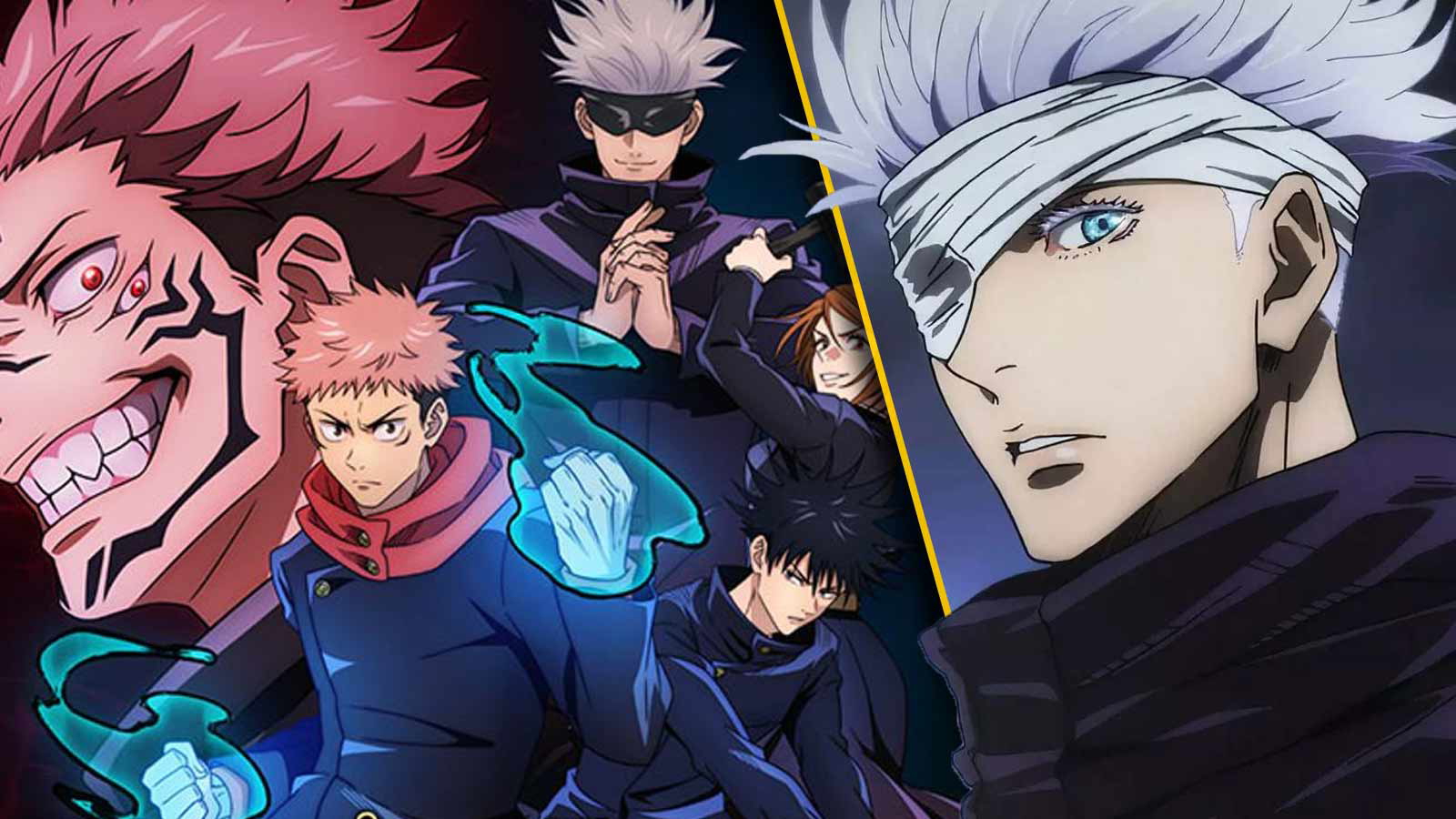
Several fans even started to troll Gege online and claimed that the ending lacked any emotional depth at all.
So now that jjk is ending, what was it actually about?
byu/HoppingHermit inJujutsufolk
Fans of Jujutsu Kaisen pointed out that the ending did not fit the series, and that as it reached the end, Jujutsu Kaisen just felt as if it had become a lazy, nonsensical battle-shonen that tried to fiddle with concepts like humanity and fate, but ultimately failed to make sense.
The internet’s impact on creator decisions and anonymity
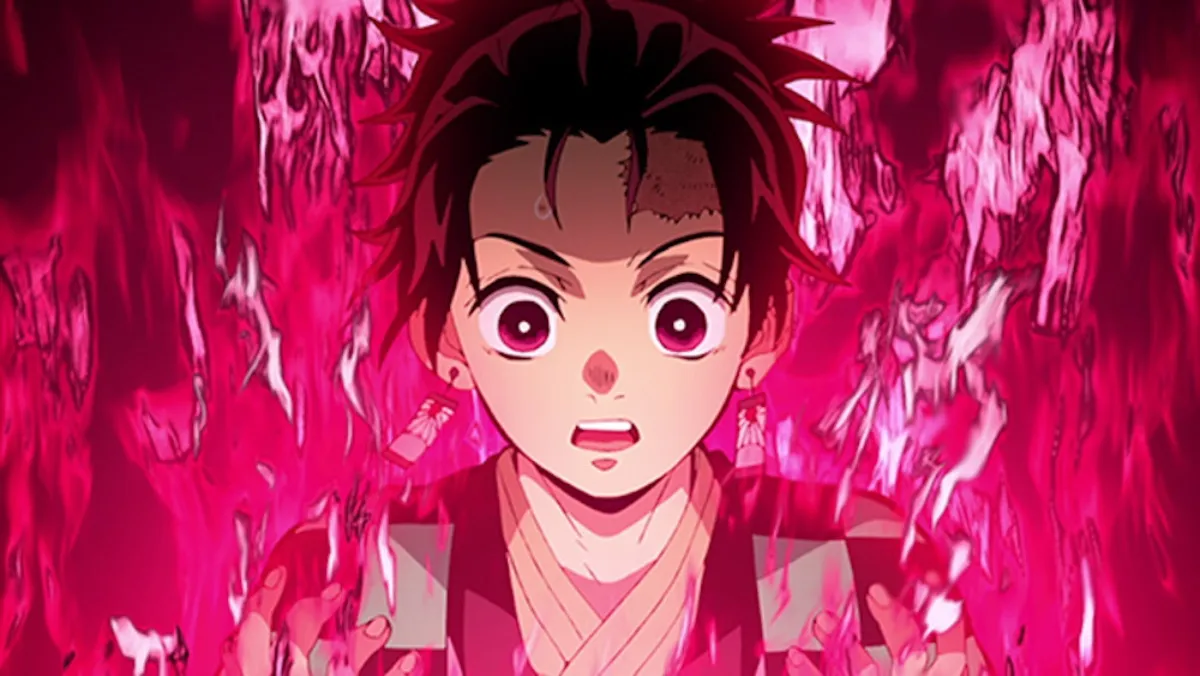
Koyoharu’s decision to remain anonymous while Demon Slayer was being serialized had a huge impact on how the series ended. By remaining anonymous and by maintaining a low profile, they were able to protect themselves from fan expectations and online discussions, thus allowing their writing process to remain constant.
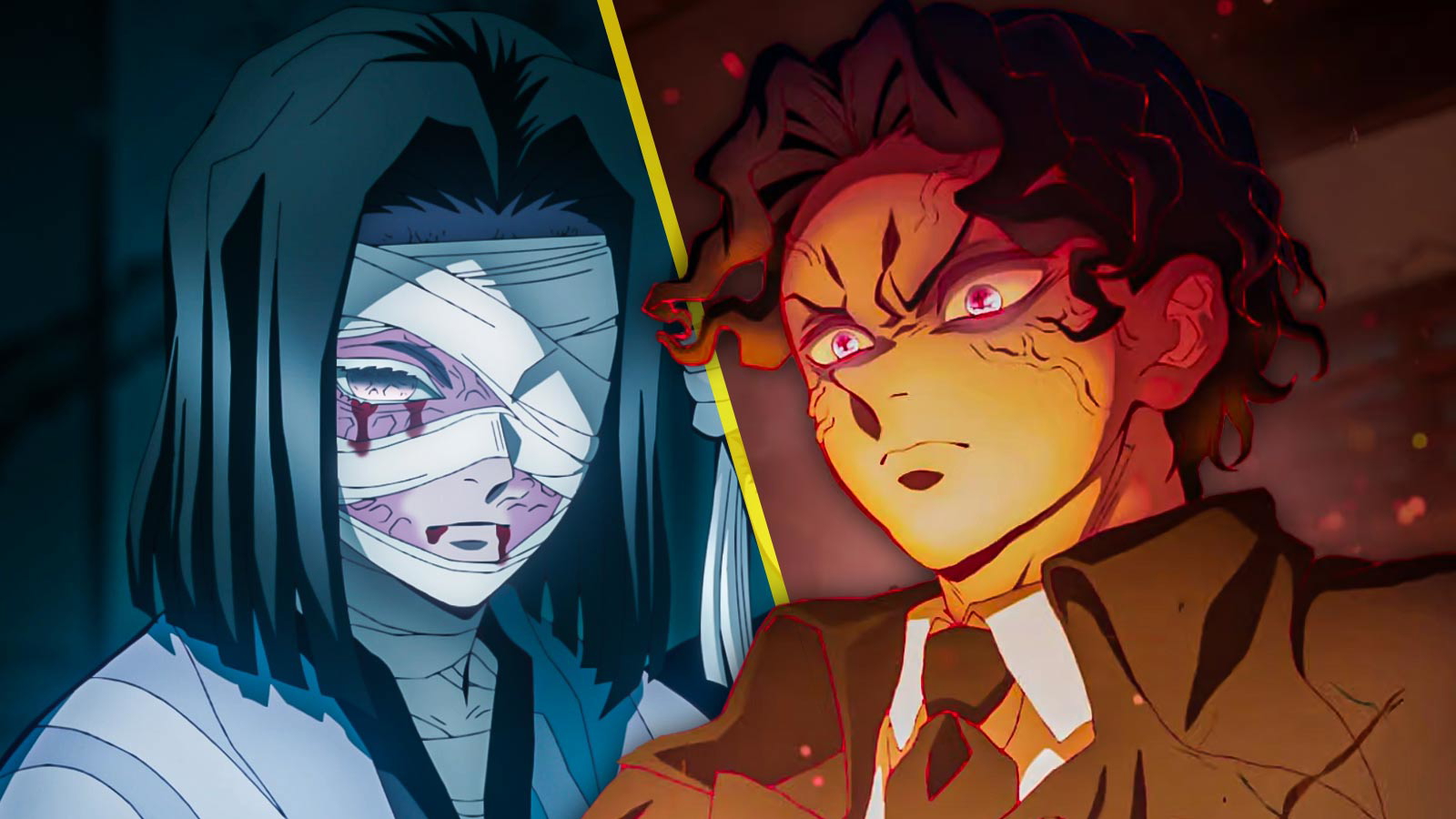
Staying true to their writing style by dedicating themselves to anonymity was why they could give Demon Slayer such an authentic, and fulfilling ending.
Akutami, the creator of Jujutsu Kaisen, on the other hand had concluded his series during the age when avoiding the digital gaze was impossible. While they also maintained their anonymity, they were much more accessible to the general public through forums, and discussions.
Additionally, they appeared in a lot of interviews and would discuss Jujutsu Kaisen and their plans for it through their manga.
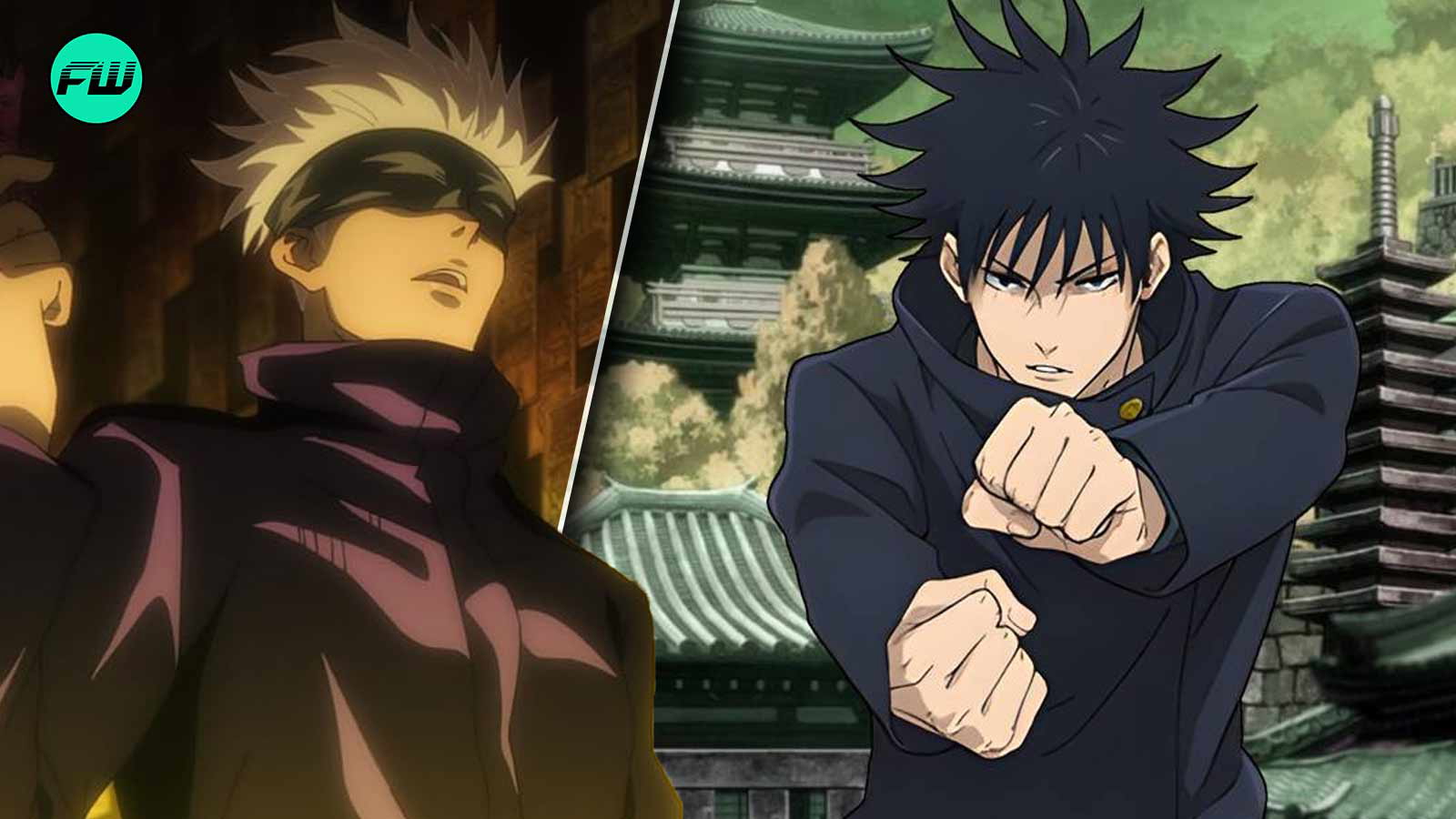
As fans started to talk about their hopes and expectations for the series, the digital fervor was bound to pressure them, affecting their creative process. So while Akutami was still able to end, they would have wanted what Koyoharu achieved with their series.
In conclusion, while both Demon Slayer and Jujutsu Kaisen were amazing series, the anonymity of one creator allowed them to end their series without any digital pressure, while the other creator wasn’t able to. This comparison also suggests the impact digital presence can have on the closure of a creator’s work.
Gotouge’s anonymity gave Demon Slayer the creative freedom to build to moments of genuine resolution — including Kagaya Ubuyashiki’s death, which became even more badass because of how precisely he trapped Muzan, a payoff that feels earned rather than pressured by fan expectation.
Akutami himself acknowledged the cost of this exposure: Gege Akutami admitted that Itadori Yuji’s treatment is Jujutsu Kaisen’s biggest creative weakness — something Gotouge never had to publicly concede because anonymity shielded her creative choices from the same scrutiny.
Frequently asked questions
When did the Demon Slayer and Jujutsu Kaisen manga finish, and why does the article compare them?
The article notes the Demon Slayer manga ended its serialization in May 2020, closing with Tanjiro and his comrades living out their lives and an epilogue set generations later. Jujutsu Kaisen concluded in September 2024 with its main trio continuing as sorcerers. The piece uses these two endings to argue that only Koyoharu Gotouge got to finish on their own terms.
Why does the article say Demon Slayer’s ending landed better than Jujutsu Kaisen’s?
It says Demon Slayer’s finale felt unrushed and gave every character closure with plotlines resolved, so fans embraced ending the series at its peak. By contrast, the article reports many Jujutsu Kaisen fans criticized its ending as not feeling like Gege Akutami’s writing, leaving several plots unresolved and lacking emotional depth.
How does the article link creator anonymity to how each series ended?
It argues Gotouge stayed anonymous and low-profile throughout Demon Slayer’s run, shielding their writing from fan expectations and letting them finish authentically. Akutami, while also using a pen name, was far more visible through interviews, author comments, and online discussion, which the article suggests fed digital pressure that shaped Jujutsu Kaisen’s divisive conclusion.