Shonen anime is one of the most famous genres that depicts the life and growth of its male protagonist from a boy to a man. Traditionally made keeping a male audience in mind, Shonen is now enjoyed by everyone because of the very engaging tropes like a hero’s journey, an interesting villain, the power of friendship, etc.
However, one thing that Shonen writers like Masashi Kishimoto are infamous for fumbling is the way they write their female characters. Their inability to churn out a good female side character or a deuteragonist also gives rise to one of the most hilarious running jokes of Shonen.
This is why, even though there might be no romantic connection between 2 male characters in the storyline, they will get shipped. It does not matter whether the male protagonist is bound to have a romantic relationship with another female character later in the series.
Kryptonite of Shonen writers: Writing good female characters
The main problem as to why a mangaka is so adept at weaving intricate characters yet completely screws up their female leads lies not in misogyny but in oversight. It is not like they do not want to write a good character, but they just cannot see their female leads as something more than a romantic interest.
Every character in Shonen is there to fulfill their role. The female protagonist also gets predestined to become the lover, but romance is not an emotion that gets the spotlight in any Shonen.
Friendship is an emotion and relationship that is taken way more seriously than any romance. However, sadly, these female characters hardly grow up to become a proper friend to their partners.
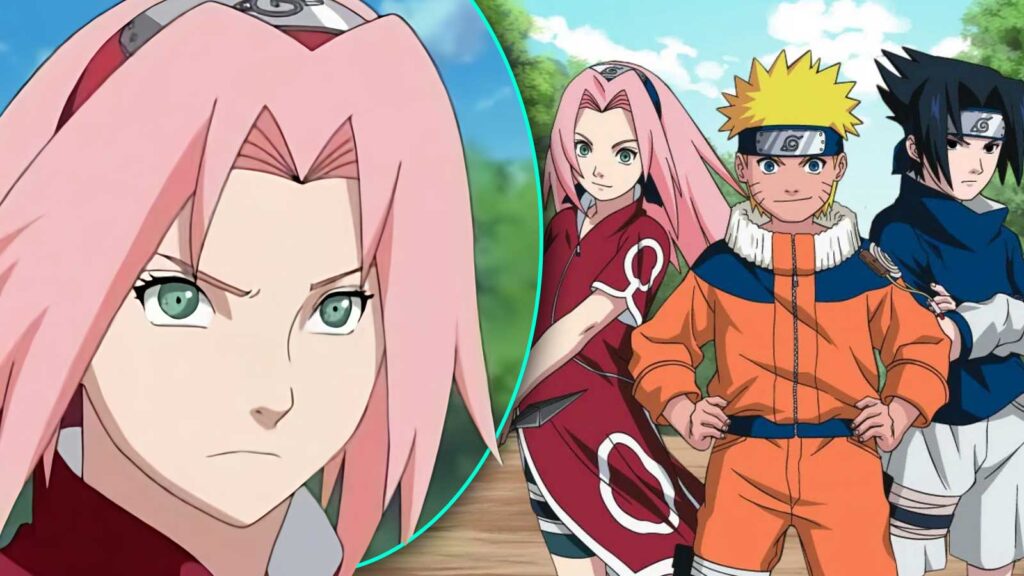
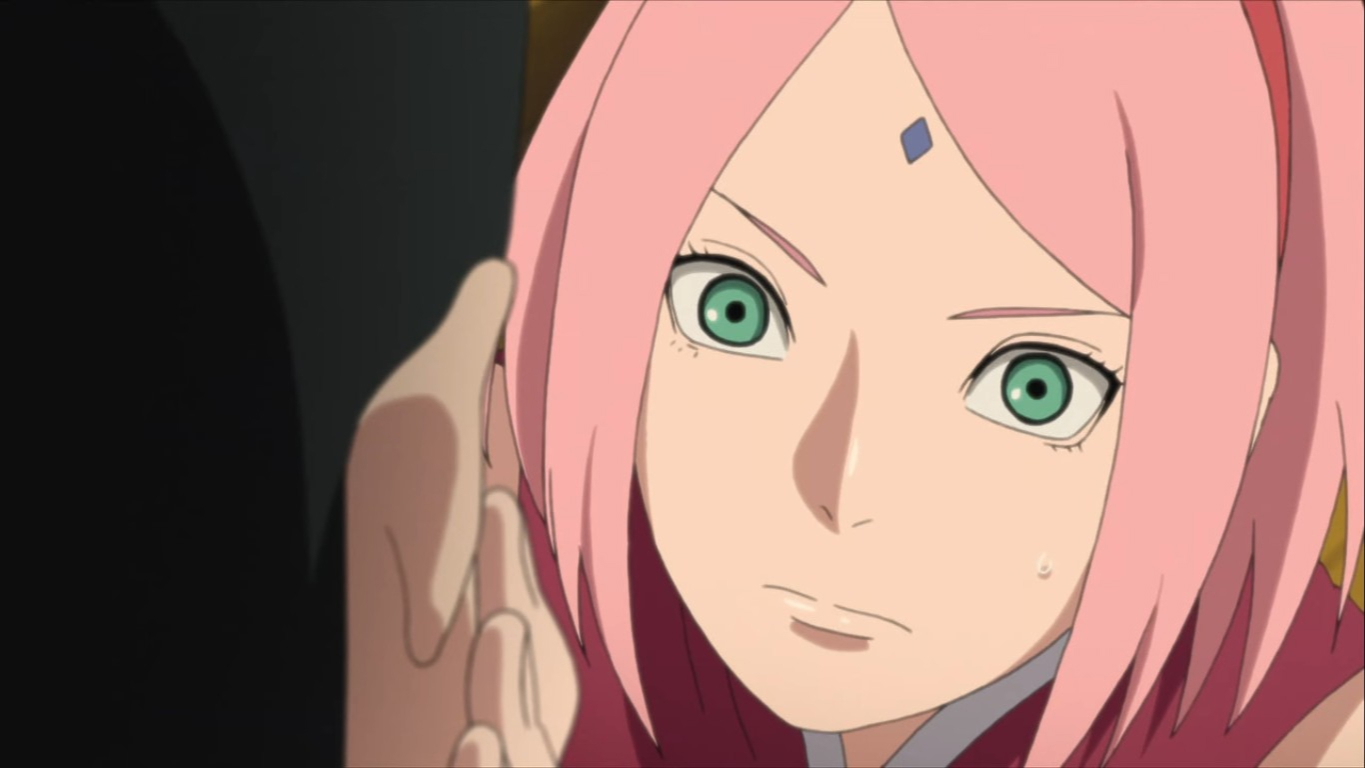
A very good example of this is Sakura from Naruto, whose entire thought process surrounds the fact that she is in love with Sasuke, who, for the majority of the show, hated her. But Masashi Kishimoto stands as an example of his own because even amongst all Shonen writers, his is the worst case.
Comment
byu/Sad_Apartment3744 from discussion
inNarutoFanfiction
He acknowledged he could not write a good female character and only included Sakura so girls could relate to her. However, he did not consider that Sakura’s limited thought process and obsession with Sasuke would even make the female fans dislike her during her growing years.
Filling the void with gay ships
A fandom thrives on ships, specifically if there is a significant amount of female consumers. As there is a lack of properly fleshed-out females, the male lead gets romantically linked to the best person with the most chemistry with them, their male best friend.
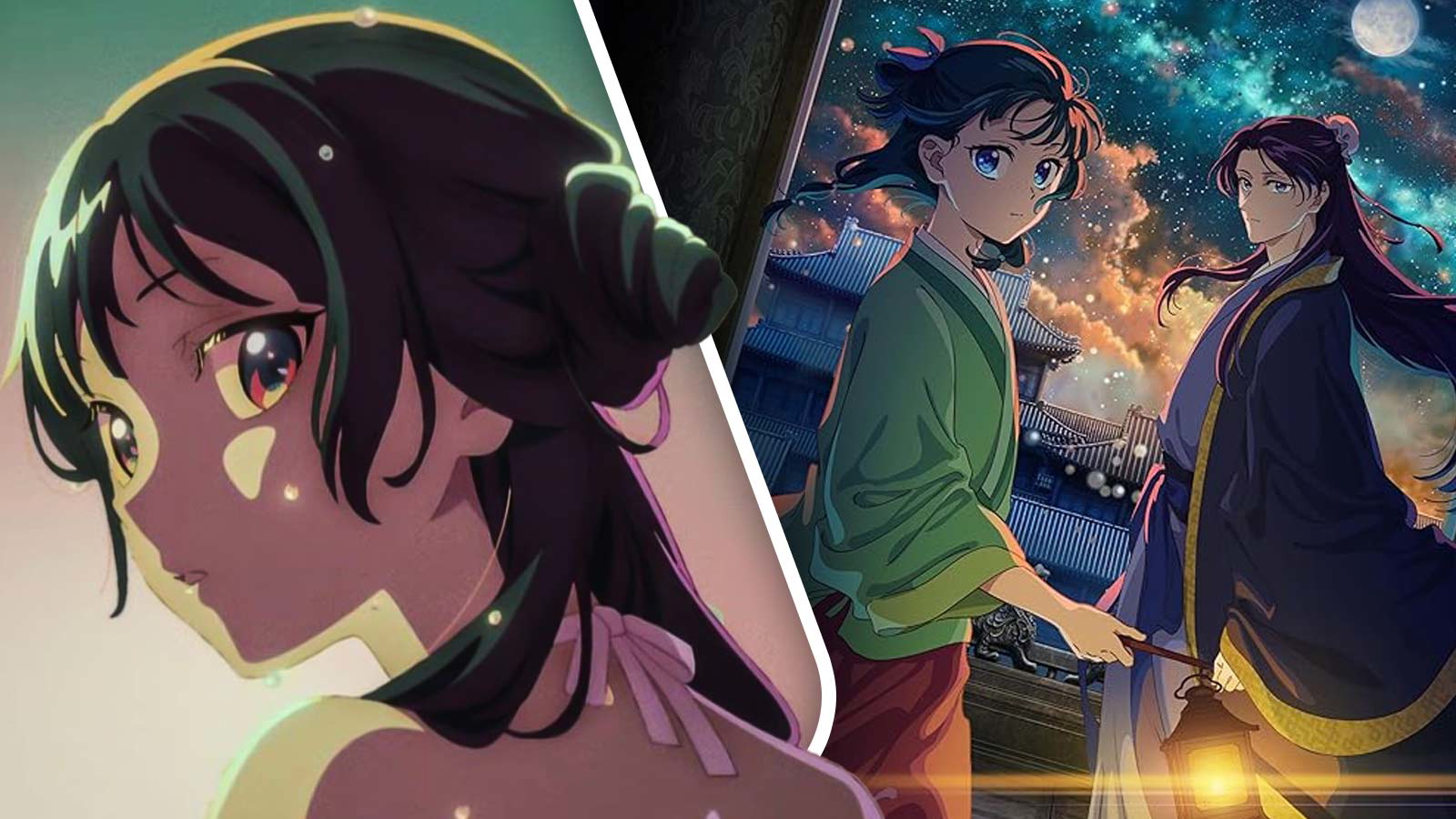
This idea reinforces the importance of friendship in a Shonen. The Shonen writers go on and on about the importance of platonic bonds and male-to-male comradeship so much that these relationships seem more realistic than the intended ones.
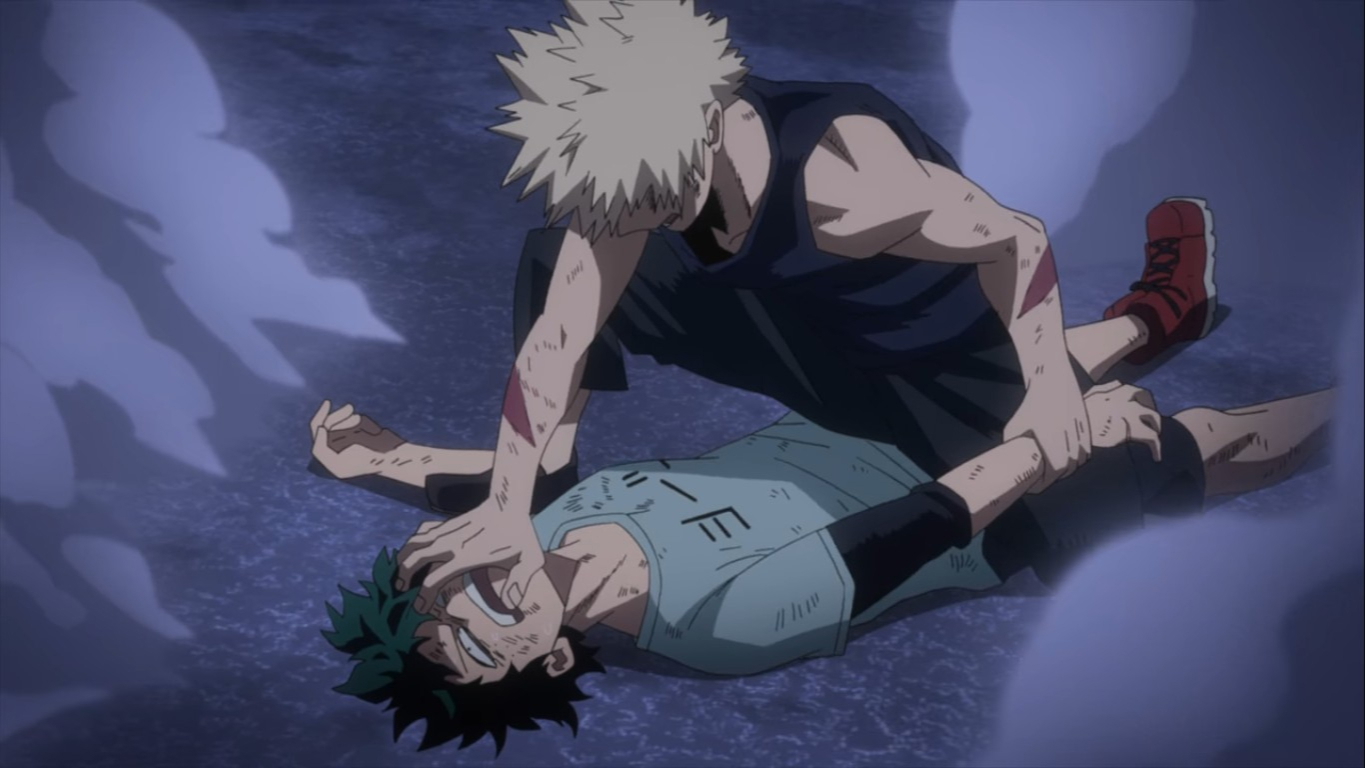
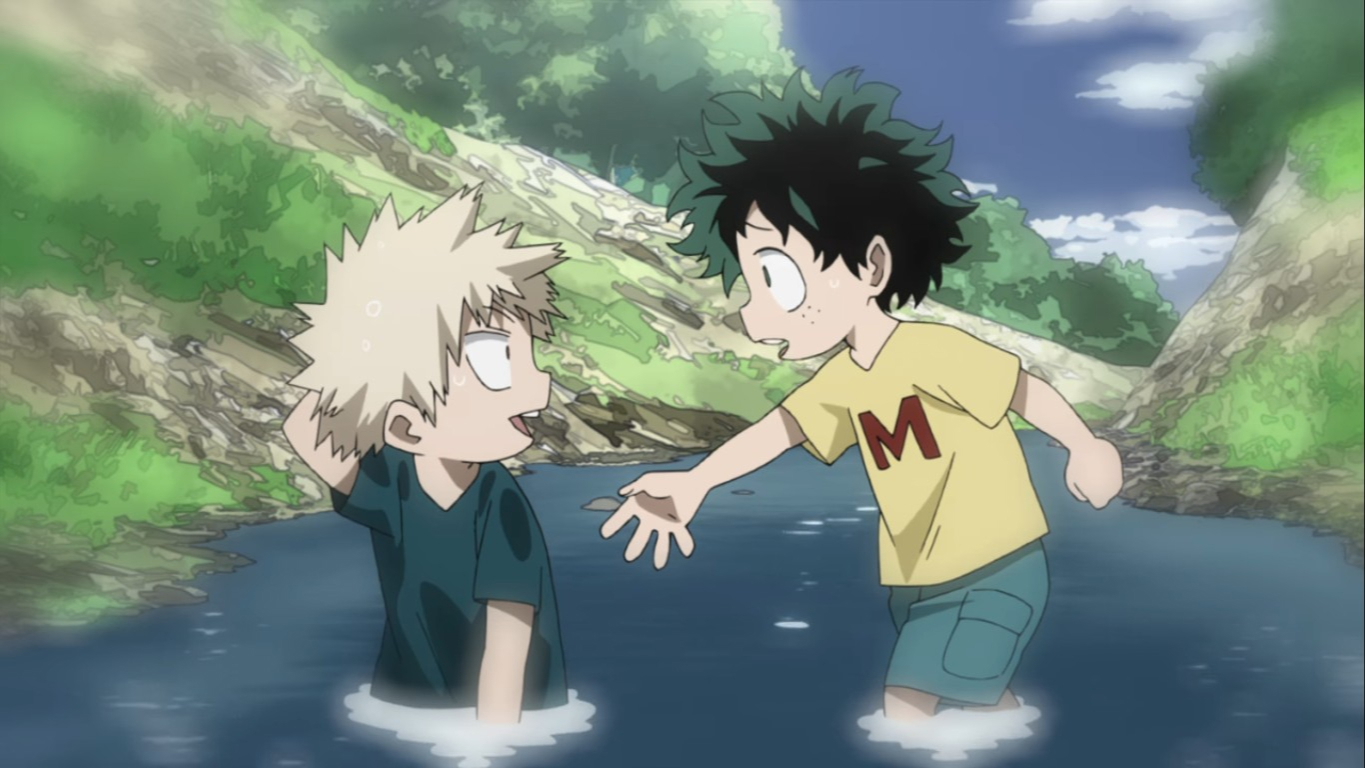
In recent times, this has become a running gag where you find Deku’s ship with Bakugo or Todoroki getting more traction than his relationship with Uraraka, a girl he actually likes. The same goes with Yuji and Megumi, but here, one cannot complain as Nobara only has a very platonic bond with Yuji.
And then dudebros wonder shounen fandoms feature so many gay ships…
byu/ZaraMikazuki inSapphoAndHerFriend
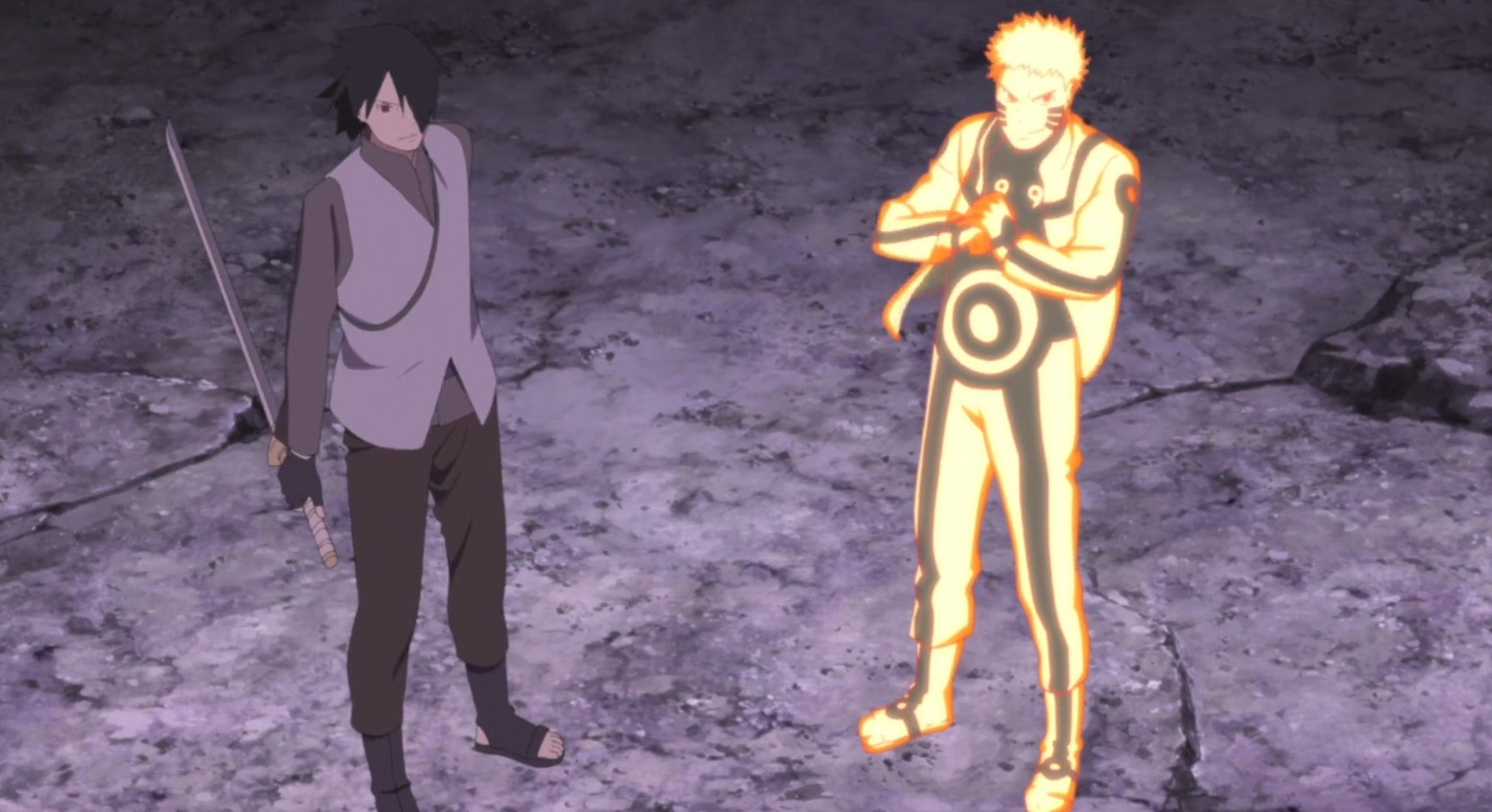
Again, when we consider Naruto, the relationship between Sasuke and Naruto is far more appreciated and seen as legitimate than these two being with their respective partners. The fact that they ended up kissing each other also does not help their case at all.
But things are changing, and we are also getting works like Dandadan, where, right off the bat, the male and female leads start with a genuine friendship that slowly develops into romance. Let’s hope more mangaka will follow this path in the future.
The contrast becomes even clearer when you look at the top 10 best-written female characters across shonen anime — the counterexamples that show how well the genre can write women when mangaka actually try.
Frequently asked questions
What is the article’s main argument about shonen mangaka and female characters?
It argues that many shonen writers, including Naruto creator Masashi Kishimoto, tend to define their female characters primarily as romantic interests rather than giving them independent depth and development. The piece frames this as a long-running pattern across the genre, and singles out Kishimoto as one of the most notable cases, while presenting the whole take as the author’s opinion.
Which female characters does the article cite as examples?
It points to Sakura from Naruto, criticized for having her arc revolve around her feelings for Sasuke (who disliked her for most of the series); Uraraka from My Hero Academia, the girl Deku actually likes; and Nobara from Jujutsu Kaisen, described as having a mainly platonic bond with Yuji. These illustrate the broader trend, and the takes reflect the author’s opinion rather than official statements.
How does the article connect this to fan shipping trends?
It suggests that when female leads feel underdeveloped, parts of the fandom gravitate toward romantically pairing male characters instead, citing examples like Deku with Bakugo or Todoroki, Yuji with Megumi, and Naruto with Sasuke. The article presents this as a fandom phenomenon and the author’s interpretation, not as canonical romance.