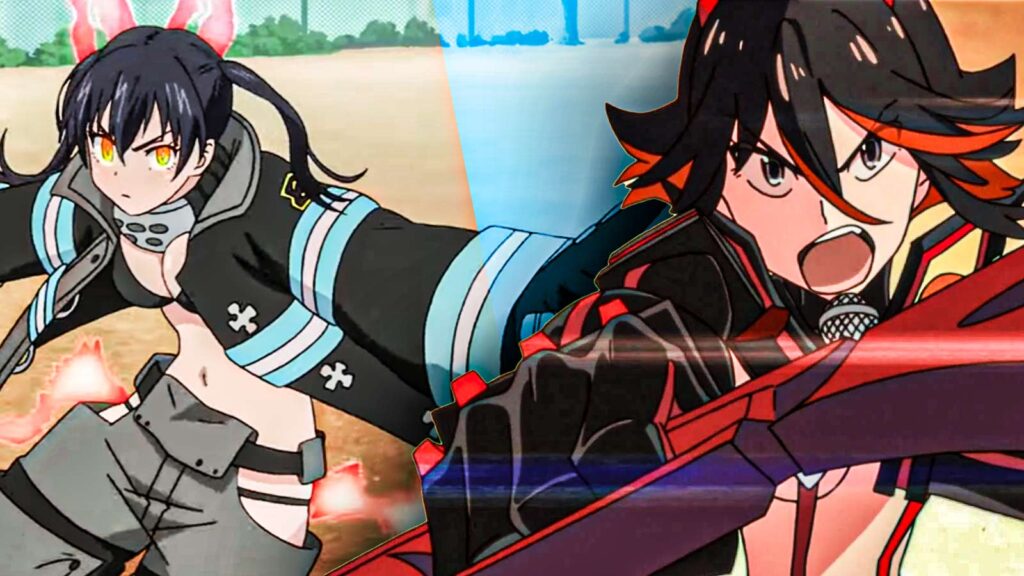
The relationship between anime fans and fan service is complicated. For many, it is the best thing out there, while some absolutely detest it with all their heart.

However, if fan service is so widely looked down upon, how is it possible that almost all the shows that have it are exceptionally popular? This means that even though people complain about it, they still watch that content in hordes and then whine about it a bit more.
This definitely showcases the very hypocritical side of fans who would also be overtly critical of one side of fan service while being willing to accept the other.
Fan service: A necessary evil
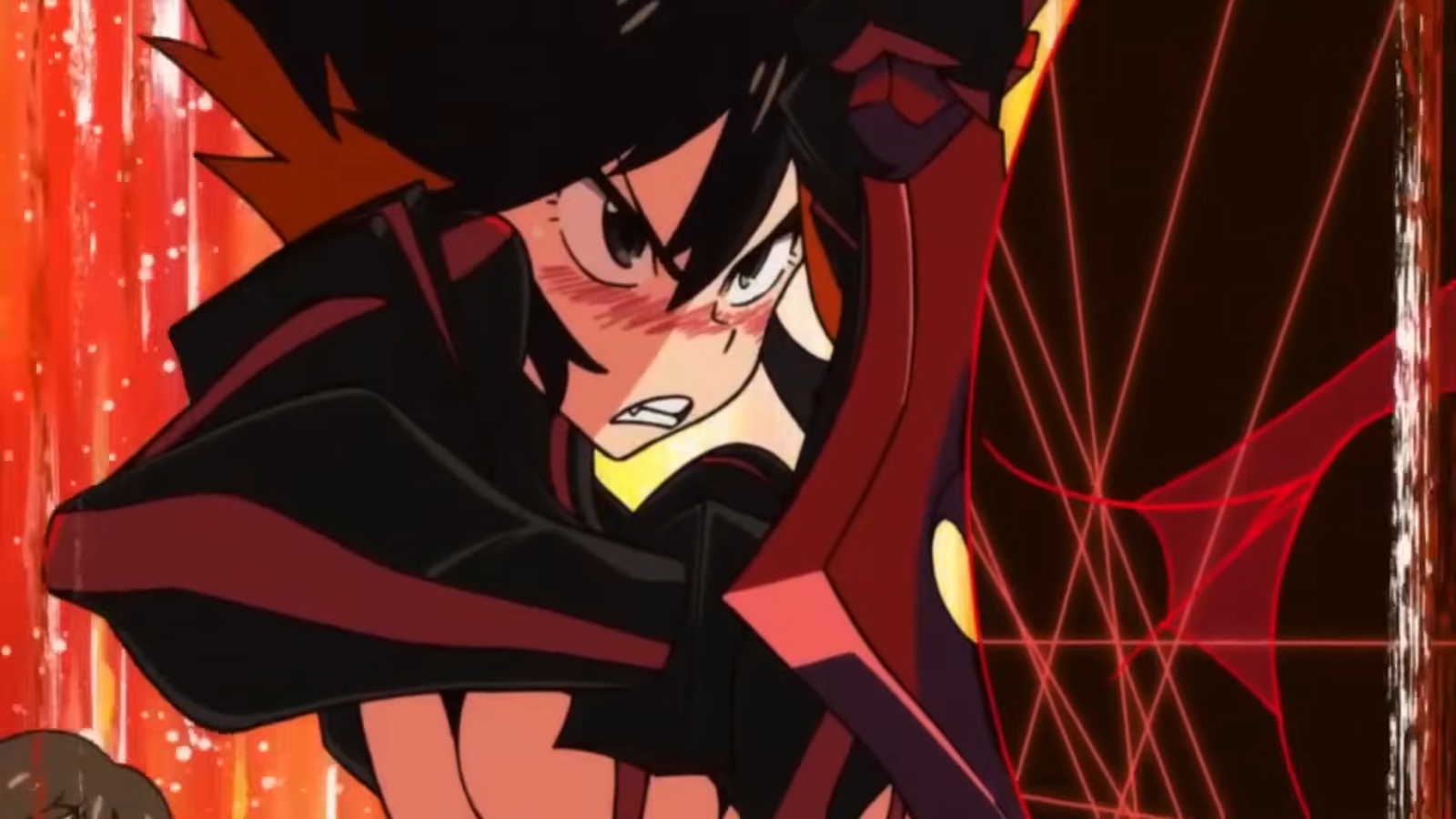
Fan service has been one of the most essential components of anime that came into existence because it was a tool made to attract fans. In that sense, it does a phenomenal job at what it intended to do. Any anime with fan service automatically gets a guaranteed viewership, even if the content might be subpar, like Bikini Warriors.
But, one also cannot deny that there are shows with maybe a few questionable scenes but really engaging plots. We have the legendary Dragon Ball series, Food Wars!: Shokugeki no Soma, Kill la Kill, or wacky comedies like Prison School as some of the best examples. It also needs to be noted that these shows mainly cater to the male demographic, which is another reason why they attract so much one-sided hate.
The contradiction of people silently liking it while nitpicking about too much skin on public forums is a hypocritical thought process that does not get much attention. There are people who enjoy fan service, and they are okay with it, so it is not like we are getting fed with something that has zero traction.
On top of that, why take anime, which is literally a drawing, so seriously that we must judge it with personal degrees of moral standards? At the end of the day, it is for entertainment, so as long as we get fan service within acceptable ranges, it should be consumable.
Selective hate on fan service
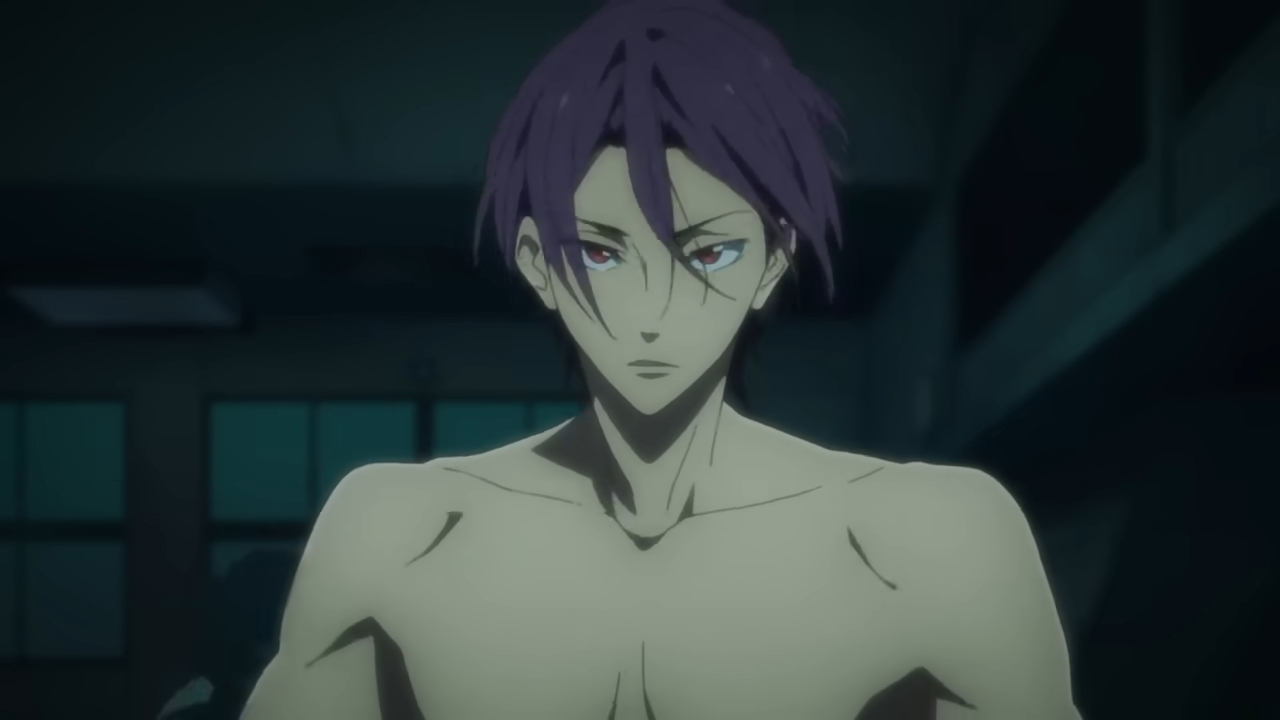
Another bizarre side of criticizing fan service stems from the fact that it is very much a demographic and gender-based selective hate. There have also been many female-targeted fan services that fly under the radar, enjoy all the attention from their audience, and get accepted without much groans.
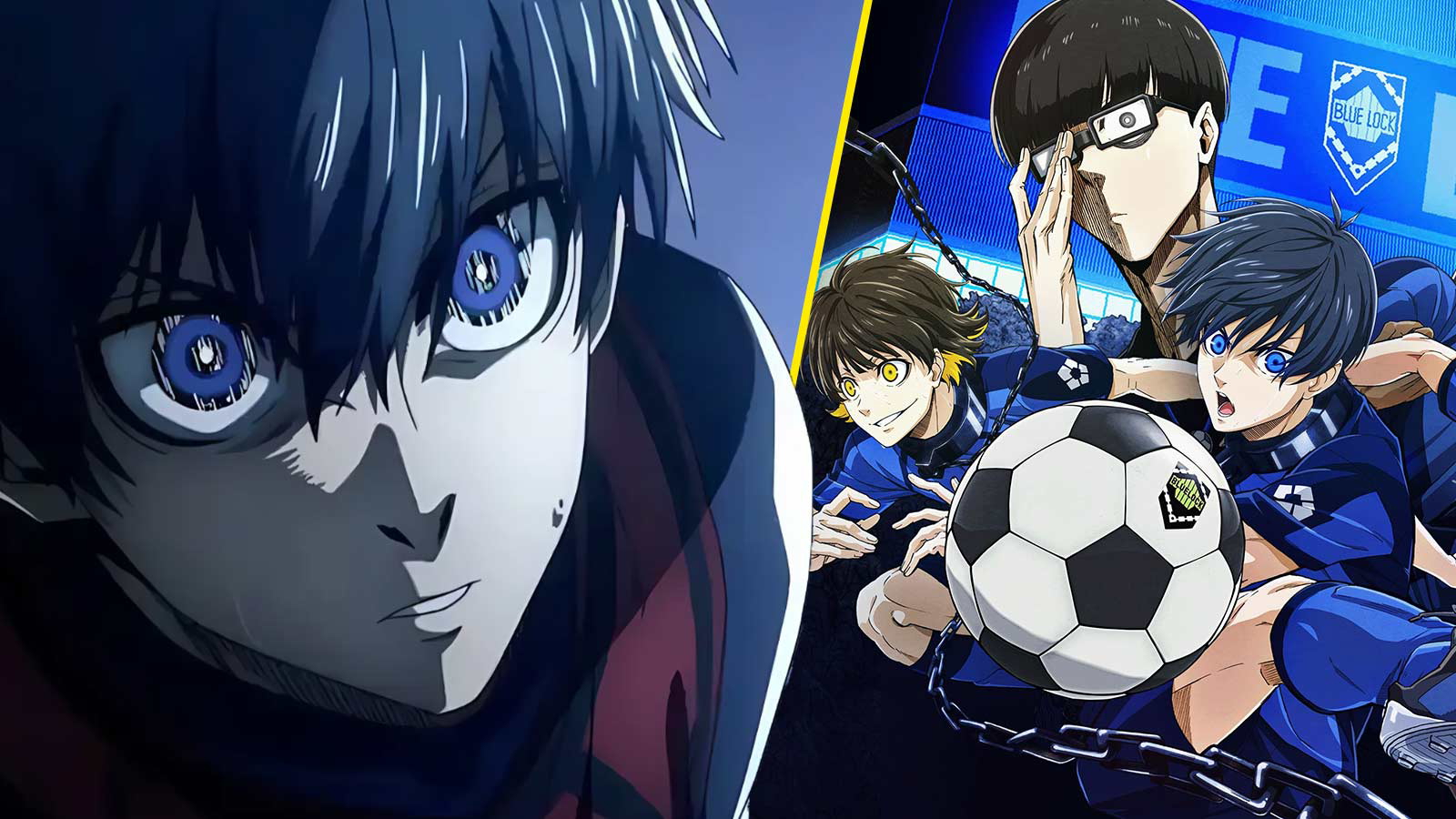
We turn a complete blind eye to all the shirtless men from Free!, whom we hardly see with their clothes on. Diabolical shows like Diabolik Lovers might get their due criticism, but not as much as some Shonen anime with more fame.
If we compare that to Fairy Tail, The Seven Deadly Sins, or Fire Force, the dislike surrounding fan service feels unjustified. These also have really interesting settings and complex characters. If they must get bashed, it should be based on their repetitive nature or bad animation, like The Seven Deadly Sins.
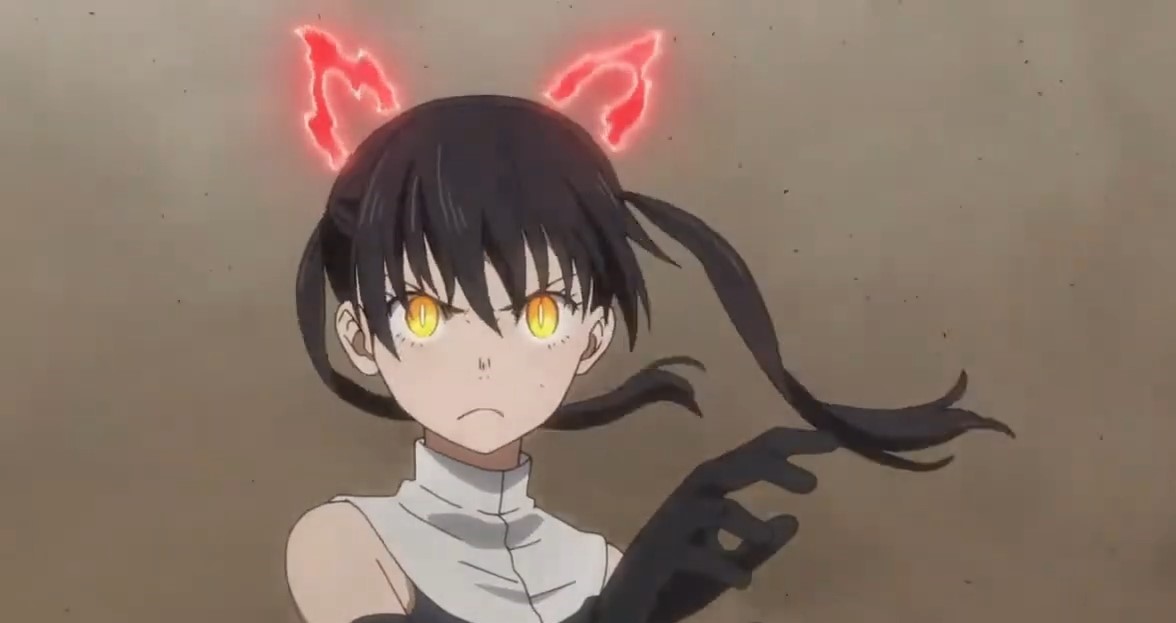
At the end of the day, despite all the complaints, fan service will remain in anime because it has its own appreciators. It is a great marketing tool that works to get engagement for the show and does it by attracting both good and bad criticisms.
back to everyone bitching about fan service while continuing to watch every episode! yay!!
— Ronnie (@ronniegtplz) February 27, 2025
Hence, rather than having debates, acknowledging its uses becomes a more feasible option for mental peace. It is clearly not as unacceptable as some claim because then, it would have been gone a long time ago.
But yes, the circle of us complaining and fan service existing will continue.
Frequently asked questions
What is anime fan service?
Fan service is content added to an anime mainly to please or titillate viewers rather than to advance the story, such as suggestive poses, revealing outfits, or shots emphasizing characters’ bodies. The article treats it as a deliberate technique used to attract and hold an audience, separate from a show’s actual plot quality.
Which anime does the article use as examples of fan service?
It names Bikini Warriors as a show that leans on fan service despite subpar content, while citing Dragon Ball, Food Wars!: Shokugeki no Soma, Kill la Kill, and Prison School as series that pair fan service with engaging stories. It adds Fairy Tail, The Seven Deadly Sins, and Fire Force as shows with genuinely interesting settings, and points to shirtless men in Free! (alongside Diabolik Lovers) when arguing that female-aimed fan service escapes the same scrutiny.
Why does the article call fan service criticism hypocritical?
Because, in the author’s view, many fans loudly complain about fan service yet keep watching those shows in large numbers, which keeps them popular. The article also argues the criticism is gender-selective: male-aimed fan service draws heavy backlash, while female-aimed content such as the shirtless men in Free! largely flies under the radar. This is presented as the author’s opinion, not a measured fact.