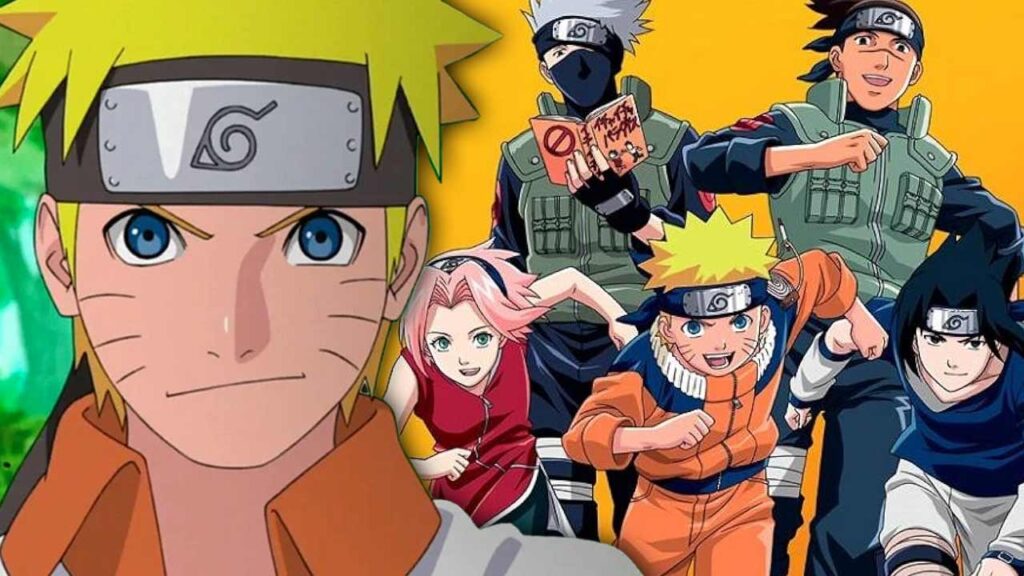
Masashi Kishimoto’s hit manga and anime series, Naruto definitely is one of the most impactful anime franchises in the world. Having sold over 250 million copies of manga worldwide, with around 720 episodes animated, Kishimoto most definitely hit the jackpot with his work in Naruto.
Kishimoto structured the story of Naruto in a way where viewers are guaranteed to fall in love with the characters and their growth throughout the series. However, none of it would’ve really made sense if not for the theme of family it so religiously follows. Masashi Kishimoto found himself revealing where he got the inspiration for the theme of his popular franchise.
Masashi Kishimoto reveals where he found his inspiration for the theme of Naruto
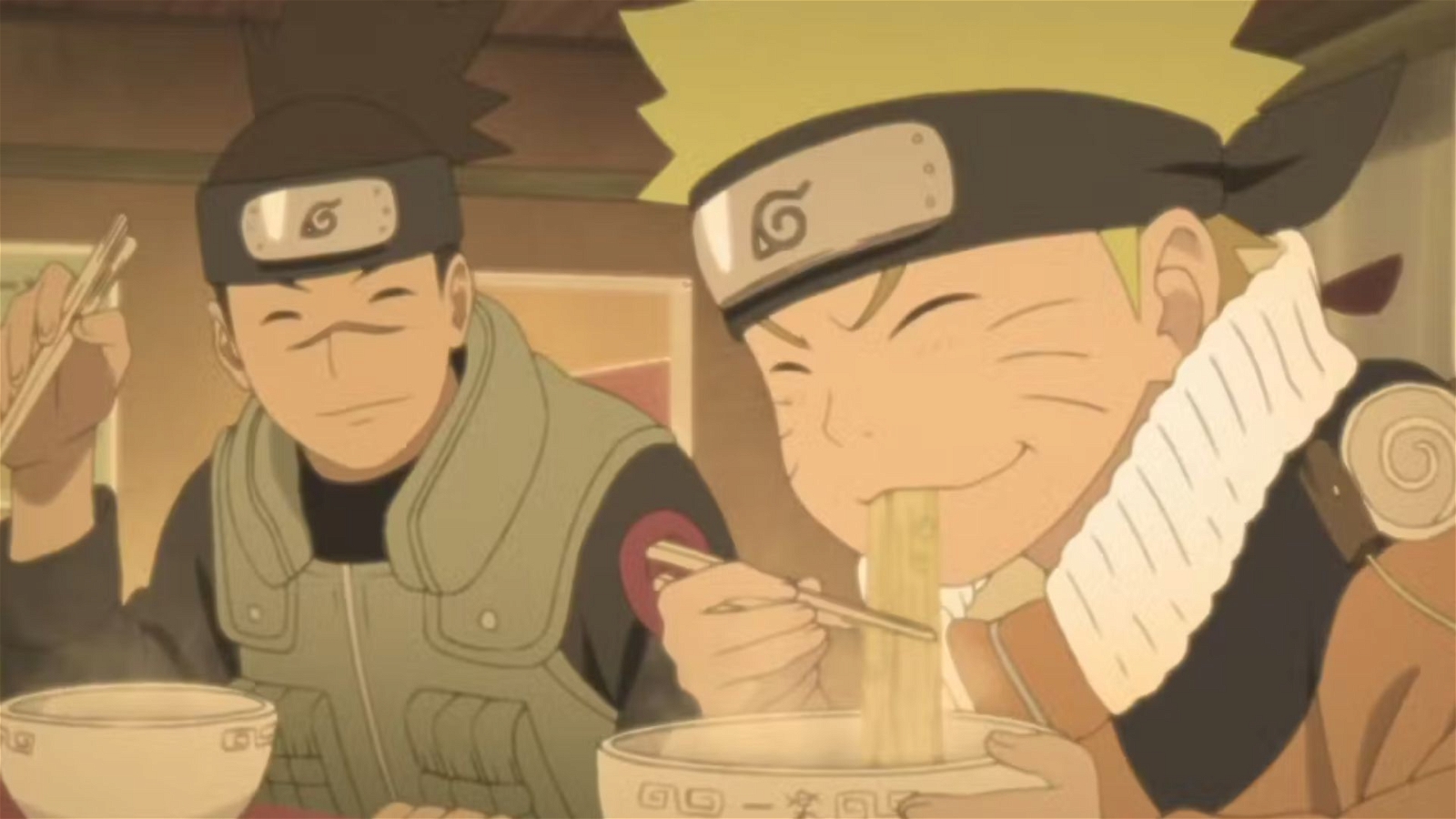
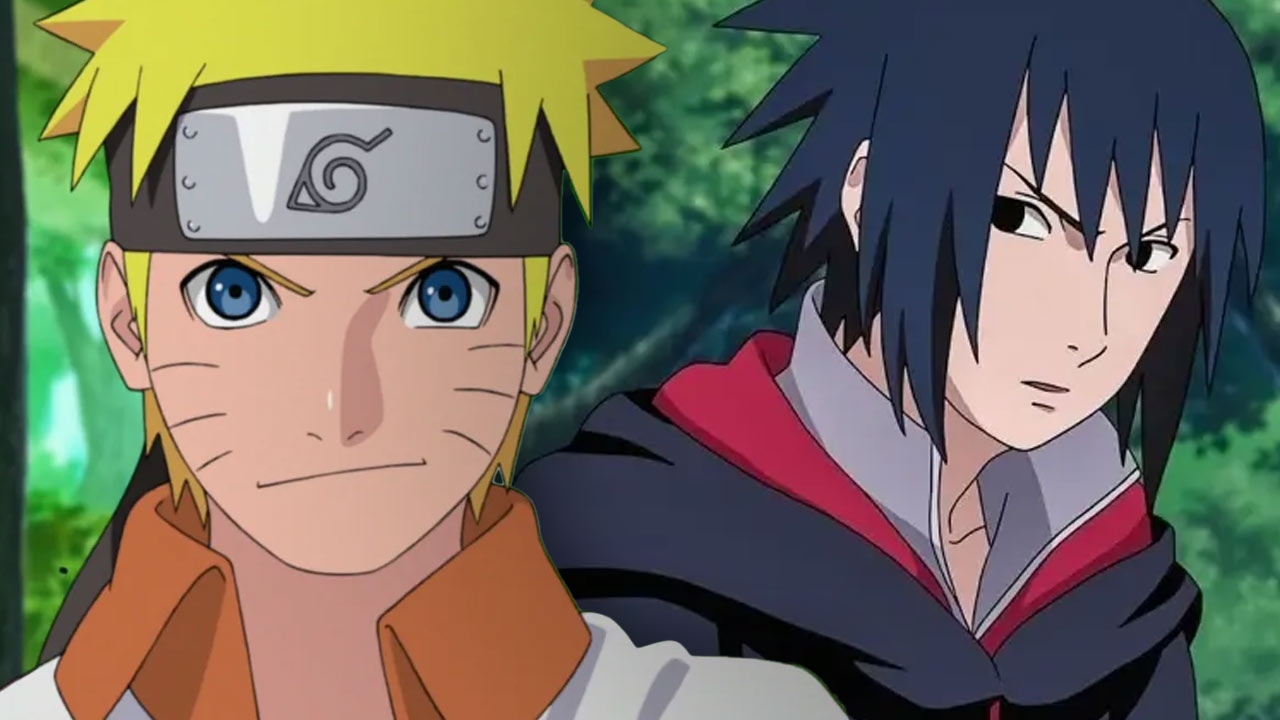
Masashi Kishimoto’s Naruto is certainly a roller coaster of emotions for fans who have watched the series. The series revolves around Naruto Uzumaki, an orphan who is outcasted by the village. However, as the series goes on he finds overcoming all adversity and hardships, becoming the Hokage and the savior of the Hidden Leaf Village.
The Naruto series has quite a lot of themes such as war, sacrifices, hope, politics, and more, however, a key theme that it follows is one of family. Kishimoto managed to perfectly portray the theme in the relationship between Jiraiya and Naruto, as well as Iruka Sensei and Naruto. Despite Iruka’s parents being killed by the Nine-Tailed fox, Iruka was never hostile towards Naruto, and even treated him like a younger brother and even became a father figure for Naruto in his youth.
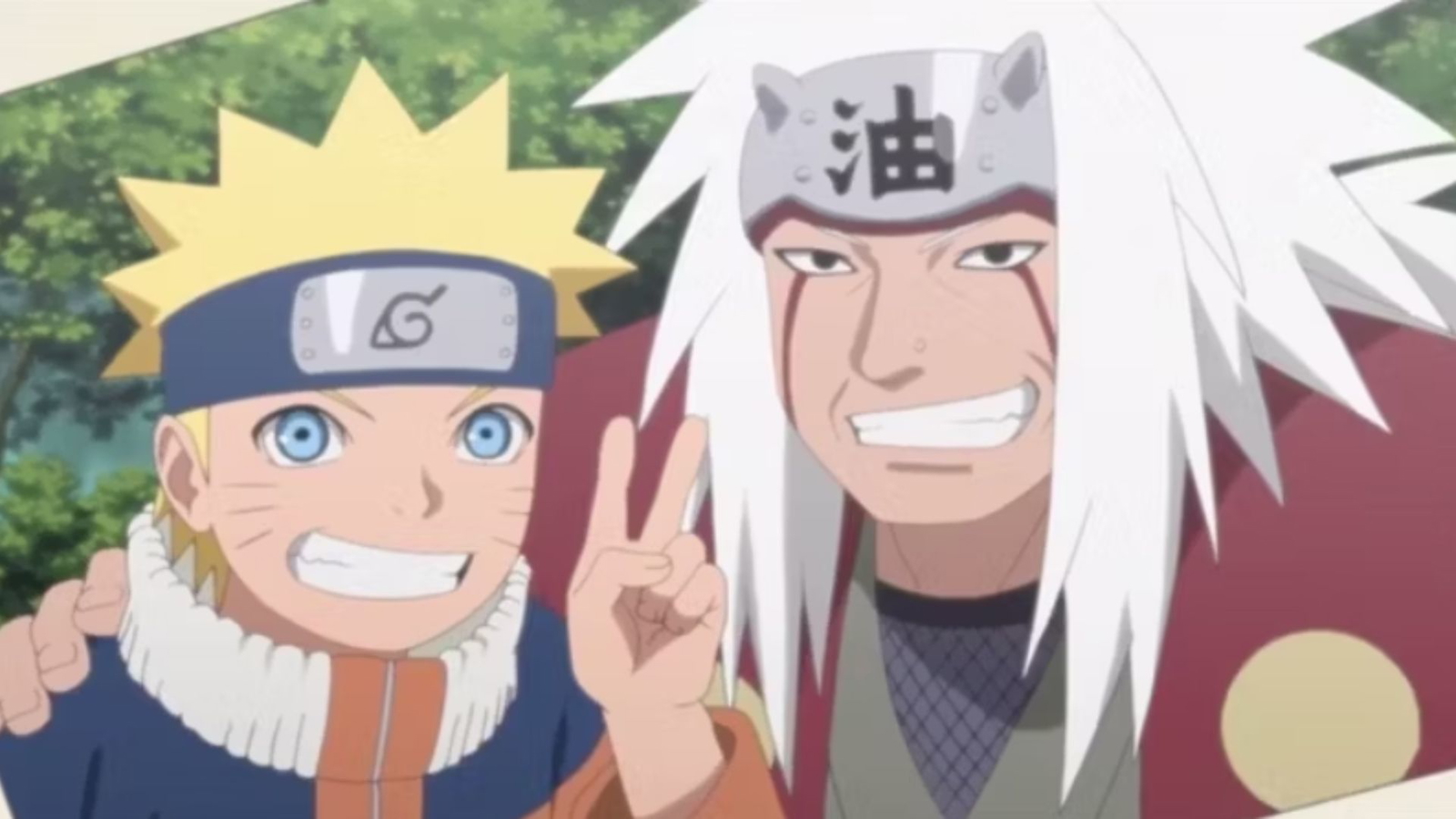
Kishimoto revealed in an interview with Kana that he found his inspiration for the Naruto series from his childhood friends who were orphans. Kishimoto was always empathetic towards his friends who were less unfortunate than him while growing up. During the interview, Kishimoto stated;
“Not limitating families by their blood relations seemed mandatory to me. The most obvious example of this is the relation between Naruto & Jiraiya. These two lonely beings, an hermit and an orphan, made the master/student relation works very well. It’s very family like. The word “family” as most people understand it is too limited as far as I’m concerned”
Masashi Kishimoto’s series is one of the saddest animes, especially among the big three mangas. And there were quite a lot of moments where viewers just couldn’t hold back their tears. Here are some of the saddest moments in the series.
3 saddest moments in Naruto
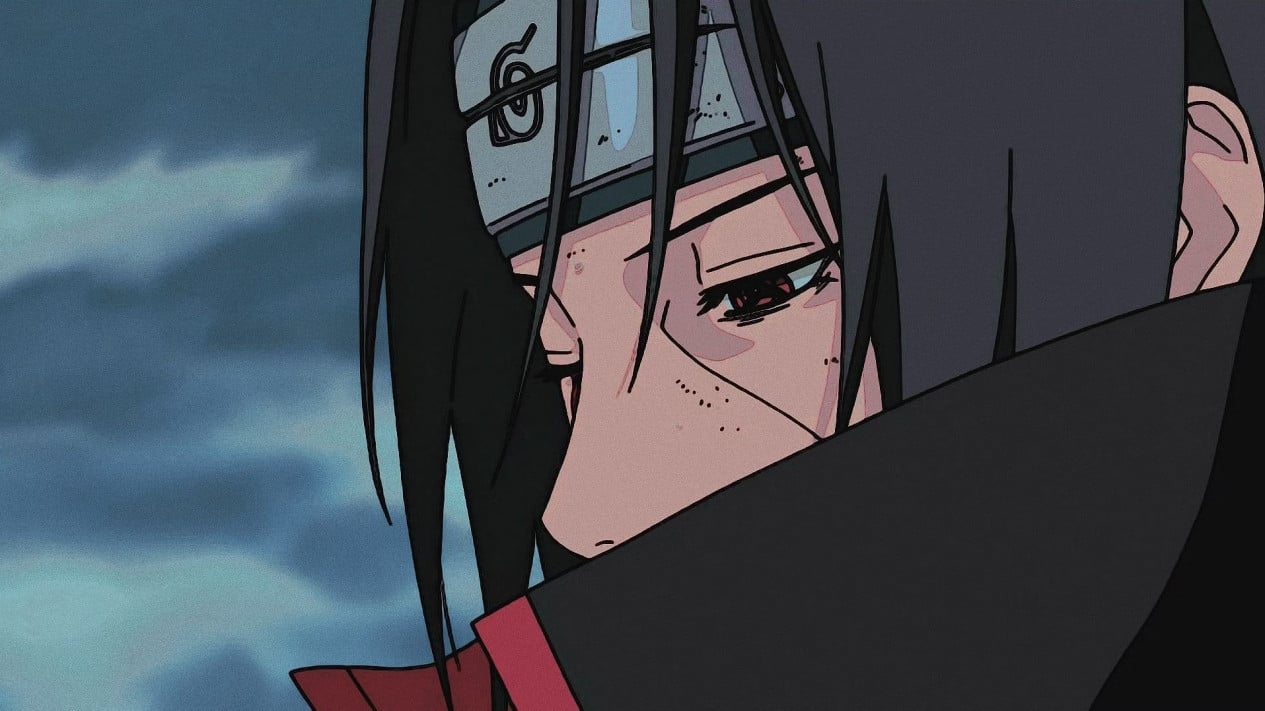
1. Itachi’s masterplan: The revelation of Itachi Uchiha’s past is a tearjerker. We learn he massacred his entire clan to protect his younger brother, Sasuke, and the Hidden Leaf Village from a rebellion. Itachi was forced to play the villain, bearing the burden of his actions alone to keep his brother safe. The weight of this sacrifice adds a tragic layer to Itachi’s character.

2. Jiraiya’s last moment: Jiraiya, Naruto’s beloved mentor figure and godfather, meets a tragic end while investigating a dangerous organization. Naruto, upon learning the news, breaks down in a raw display of grief. Seeing his world crumble without his goofy, yet wise, teacher is a powerful moment.
3. Minato and Kushina’s sacrifice: We open with a gut punch. Naruto’s parents, Minato and Kushina, sacrifice themselves to seal the nine-tailed fox within their newborn son, Naruto. The scene is filled with raw emotions as the two entrust their child’s future to others, leaving him orphaned and outcasted by the village.
You can stream the Naruto series on Crunchyroll
Frequently asked questions
What is the biggest theme in Naruto according to Masashi Kishimoto?
Kishimoto identifies family as the key theme that ties the series together. While Naruto also explores war, sacrifice, hope and politics, he stresses bonds that go beyond blood relations, shown through Naruto’s connections with figures like Jiraiya, his mentor, and Iruka, who became a father figure to him.
Where did Masashi Kishimoto say he got the inspiration for Naruto’s family theme?
In an interview with Kana, Kishimoto said the inspiration came from his childhood friends who were orphans. He recalled being empathetic toward them while growing up, and said it felt mandatory not to limit families to blood relations, calling the common understanding of ‘family’ too limited.
How does the Naruto and Jiraiya relationship reflect this theme?
Kishimoto pointed to Naruto and Jiraiya as the clearest example of family not defined by blood. He described them as two lonely beings, a hermit and an orphan, whose master-and-student bond works so well that it feels very family-like, embodying his broader view of what family means.