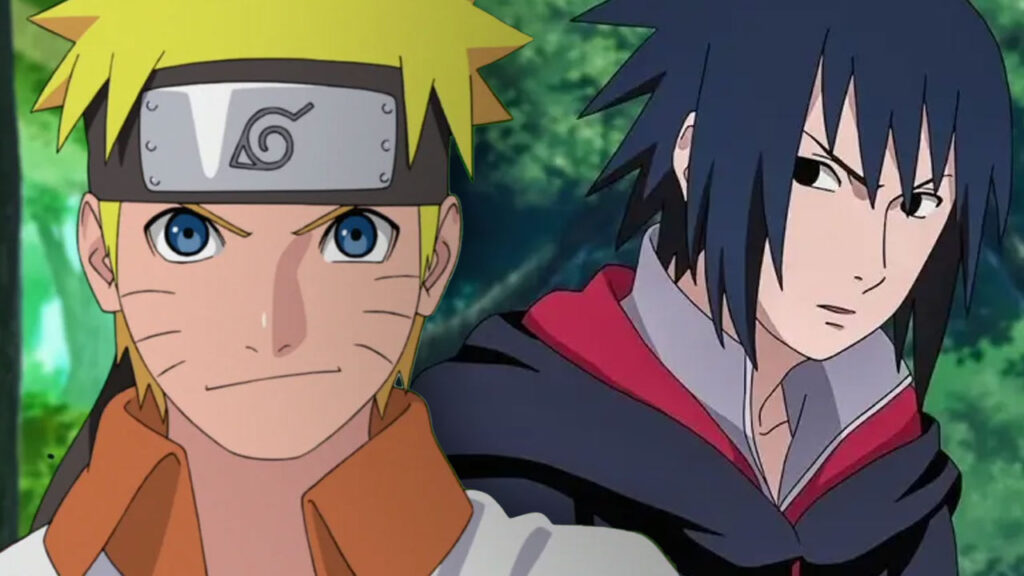
In the rich and intricate world of Naruto, Sasuke Uchiha is a constant source of intrigue and debate among fans. A resurfaced quote by Naruto‘s creator, Masashi Kishimoto, revealed his opinion on whether the iconic character, Sasuke, is a hero or a villain.
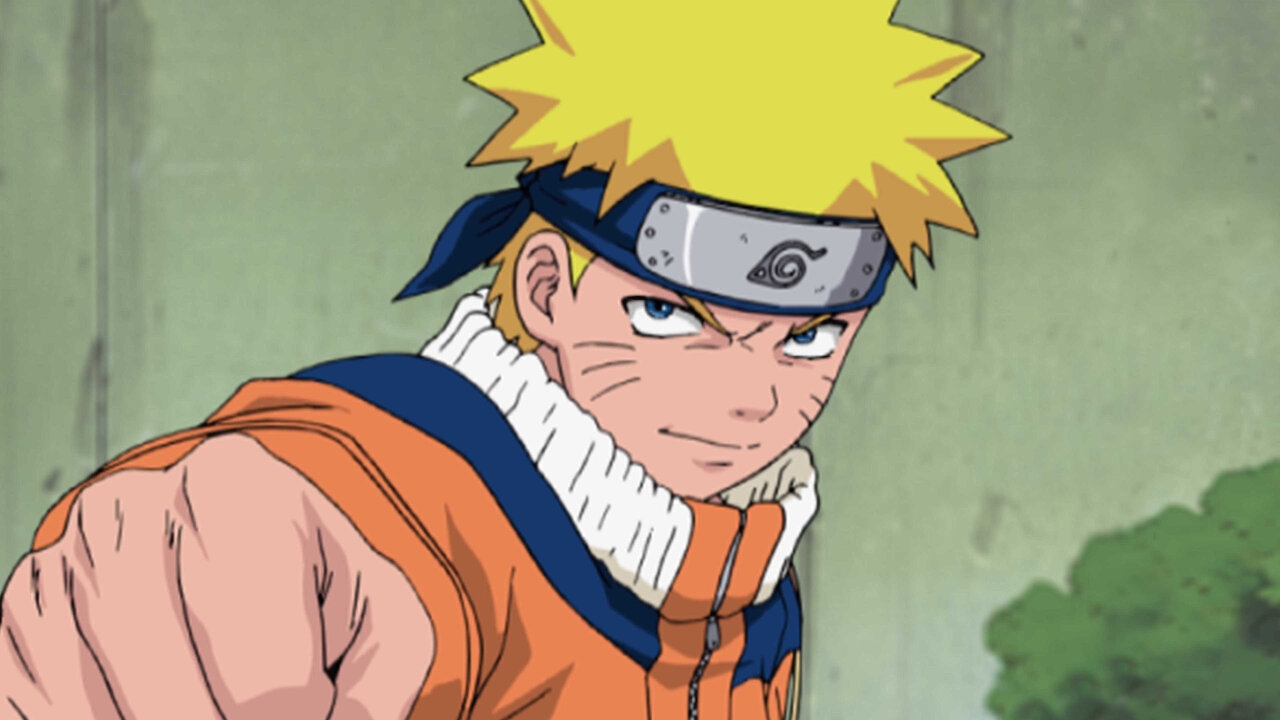
Sasuke Uchiha was once a member of the heroic Team 7, which also included Naruto, Sakura, and Kakashi. However, Sasuke was corrupted by his grief and fixation with vengeance, and easily manipulated by outside influences like the villainous Orochimaru and Obito.
Sasuke’s Sense Of Morality Has Always Been Dubious
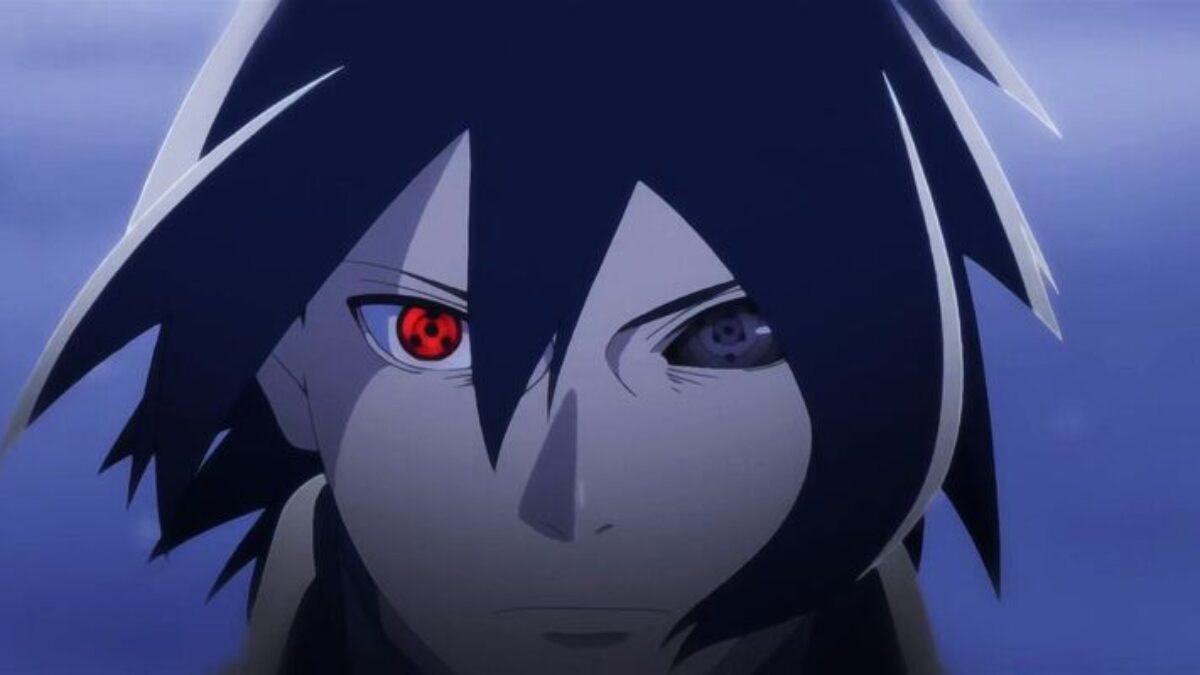
A fan account of Masashi Kishimoto (@kishimotomasshi) shared a quote from Kishimoto that appeared in 2014’s Weekly Shonen Jump #108 (via Screen Rant), where the mangaka labels Sasuke as, “not good or bad, he’s just pure.” He said:
Sasuke is basically a very pure person who doesn’t think about whether what he does is good or bad.
He just does what he wants to do, which causes trouble for others. He’s very self-centered, only concerned with himself.
Some people might think that what he’s doing is good…
Kishimoto has always portrayed Sasuke as Naruto’s adversary, going as far as to say that Sasuke is the yin to Naruto’s yang. However, his statement regarding his purity indicates that he does not necessarily see him as a threat to Naruto’s hero status, which is significant given Sasuke’s actions and motivations.
Kishimoto’s description of Sasuke as “just pure” could mean that he is a real force of nature, a manifestation of unadulterated human instinct, which drives him to act in accordance with his moral convictions.
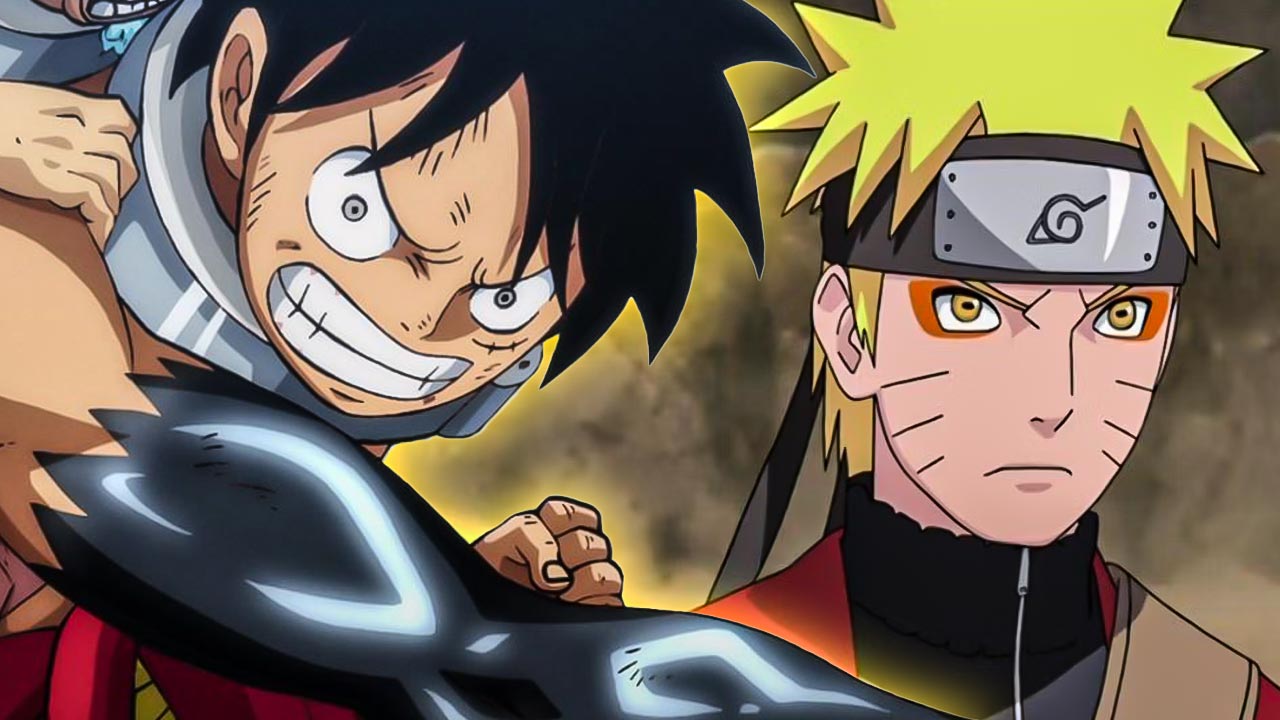
Sasuke’s depiction in Naruto has always kept the fandom divided; while some see him as an unrepentant brat and an irredeemable villain, others see him as an inspirational antihero who is committed to upholding his family’s tradition and finally comes to regret his actions. His morality shifts constantly during the Naruto series, especially when he learns about the tragic story of the Uchiha clan and his older brother, Itachi Uchiha.
The Eternal Debate: Is Sasuke a Hero Or a Villain?
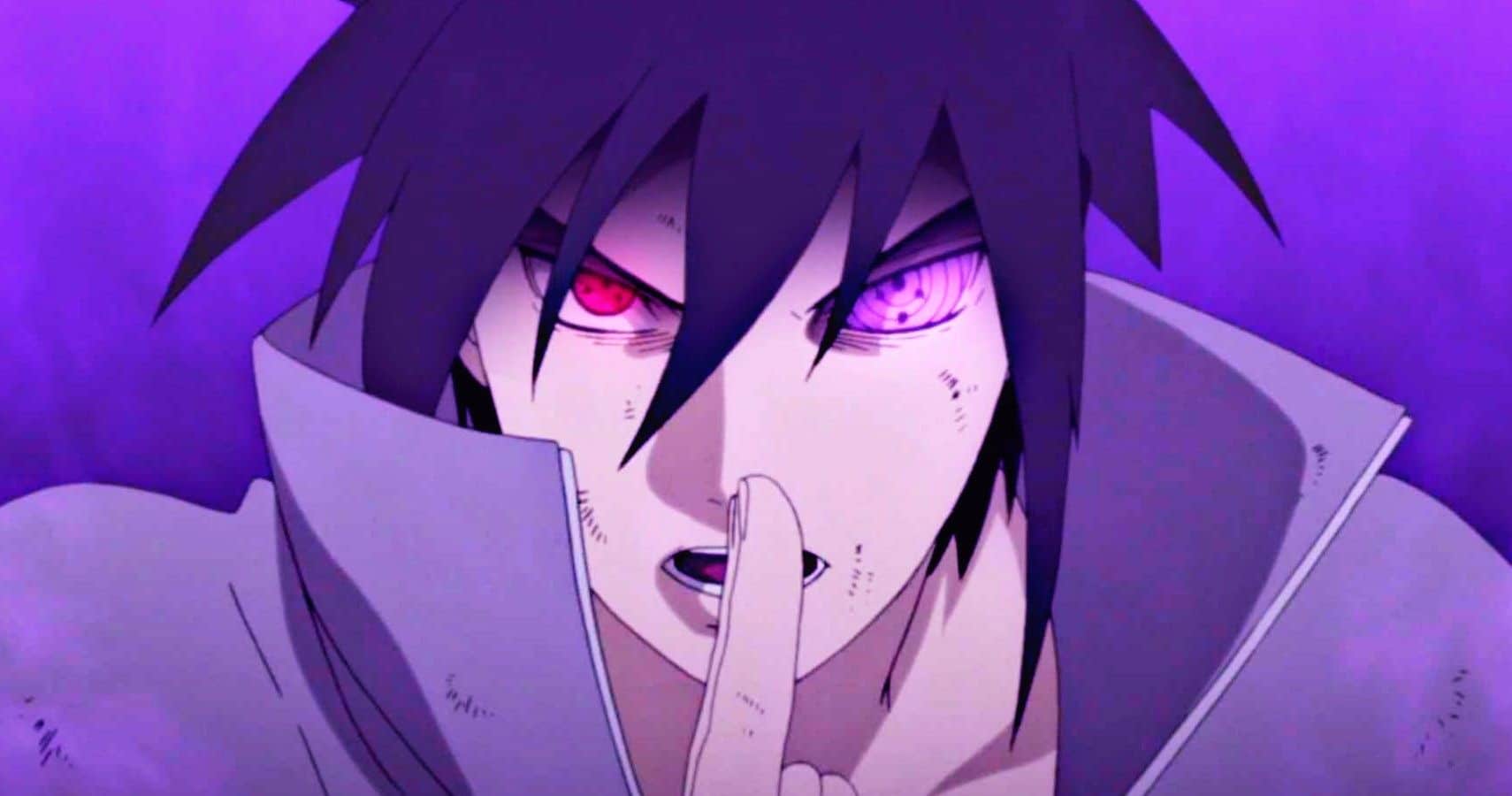
According to Kishimoto, the answer to the highly complex topic of whether Sasuke is “good or bad” depends on the viewers’ personal moral convictions and conceptions of what is “good.” His unwavering devotion to revenge and his self-centeredness may be seen by some as intrinsically “bad,” while others may argue that his courage and loyalty make him an admirable antihero.
Sasuke was consumed with the thought of revenge for many years, with a pure distillation of emotion that drove him to do whatever he believed was necessary to achieve his goals. Sasuke Uchiha is simply too complex of a character to label him as black or white. Instead, he occupies a grey region that identifies him neither as a hero nor a villain.
You can read Naruto on VIZ Media and watch the anime on Crunchyroll.
Frequently asked questions
How does Masashi Kishimoto describe Sasuke Uchiha?
In a 2014 Weekly Shonen Jump (#108) comment, Kishimoto said Sasuke is “not good or bad, he’s just pure” – a person who does what he wants without weighing whether it is right or wrong, which often causes trouble for others. The article uses this to argue Kishimoto deliberately avoids passing a firm moral verdict on Sasuke and leaves that judgment to the audience.
Why is Sasuke considered a morally grey character in Naruto?
The article frames Sasuke as occupying a “grey region” that is neither clearly heroic nor villainous. A former member of Team 7 alongside Naruto, Sakura, and Kakashi, he is driven by grief and revenge and is influenced by antagonists Orochimaru and Obito. Kishimoto positions him as the “yin to Naruto’s yang,” an adversary whose motives are framed as emotionally pure rather than simply evil.
Why do Naruto fans disagree about whether Sasuke is a hero or a villain?
The article notes the fandom is split: some see Sasuke as an unrepentant, irredeemable villain, while others view him as an inspirational antihero. Because Kishimoto declines to give a definitive verdict and calls Sasuke “pure,” the article says the moral judgment ultimately comes down to each viewer’s own values.