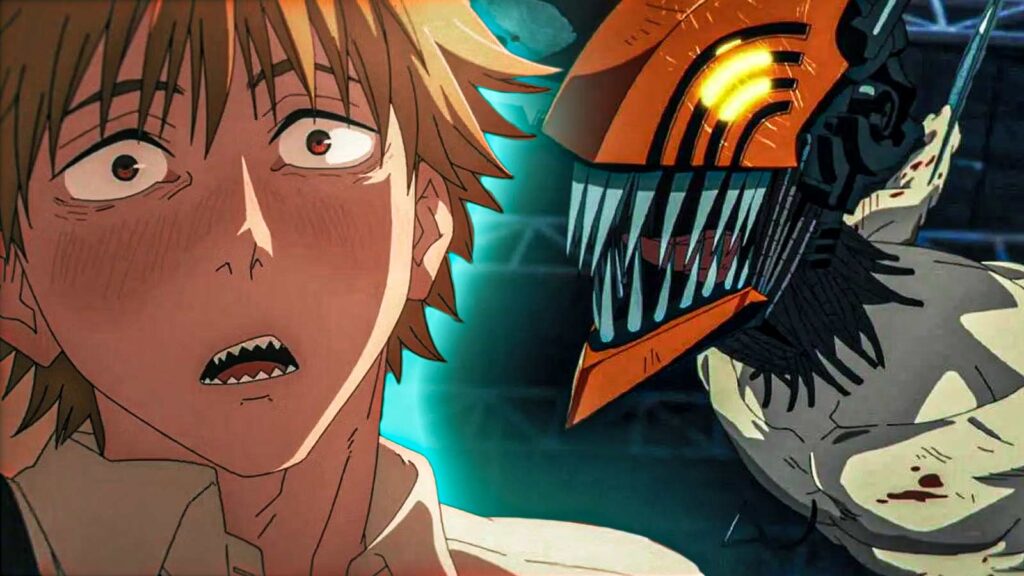
If there was one series last year that gained enormous popularity and dominated talk for several weeks at a time, it was Chainsaw Man. Tatsuki Fujimoto’s action series captivated fans and was one of the best anime releases of the year, after what seemed like an eternity of waiting. It shouldn’t come as a surprise given that Tatsuki Fujimoto is one of the most quirky and unconventional characters in the manga industry.
When one thinks of Chainsaw Man, the manga is simultaneously a bizarre comedy, an aggressive and harsh dark fantasy about a bleak world swamped by Devils, and a genuinely touching drama that makes fans cry their eyes out at every tragic event. It is these quirky, idiosyncratic sensibilities that make Chainsaw Man so unforgettable and impactful.
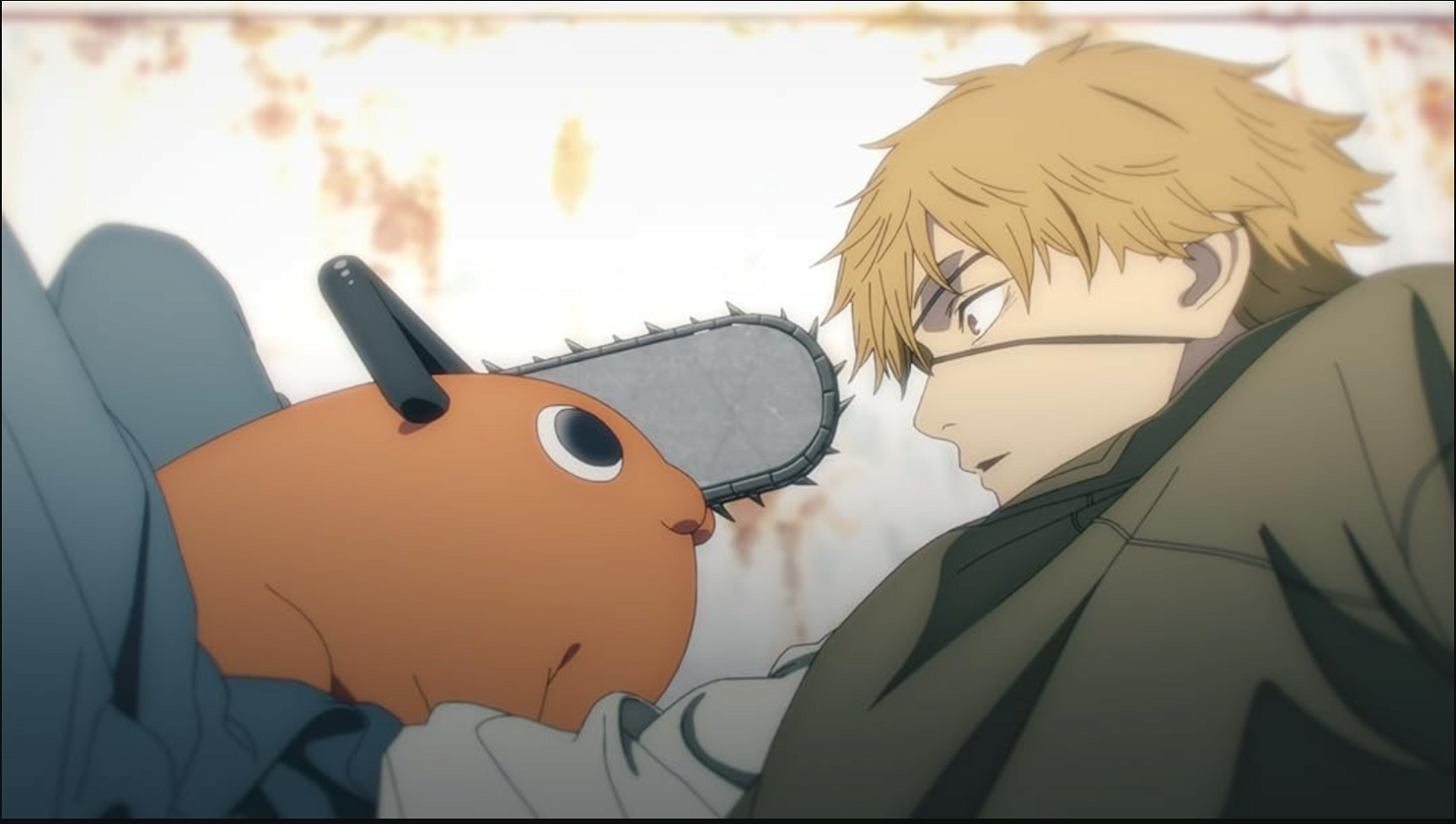
Much of the online presence of Chainsaw Man relates to the series’ wackier moments and the intense, gory action scenes. However, the narrative is much more than just silly characters, crude comedy, and intense fight scenes. The heart of the series is all too human if you scratch under the surface of the series, which has been fleshed out by Tatsuki Fujimoto himself.
Tatsuki Fujimoto And Shihei Lin Talk About The Birth Of Chainsaw Man

The emphasis of Chainsaw Man‘s first episode is not on showcasing the series’ signature exaggerated humor or intense action fight scenes. Rather, the story’s opening acts as a backdrop for the tragic life of Denji, the main character.
https://twitter.com/Chainsawpedia/status/1688027671253389312
In an interview from Fujimoto Jump Festa 2021, Tatsuki Fujimoto and Shihei Lin, the deputy editor-in-chief of Shonen Jump, talked about the birth of Chainsaw Man. Fujimoto explained that the character design came first, and he told Lin that he wanted to create a story with that particular character. Shihei Lin then said:
If remember correctly, I said he looks too much like a villain, so it might be difficult to make him the main character. At that point, I was worried that he would be CHAINSAW MAN all the time.
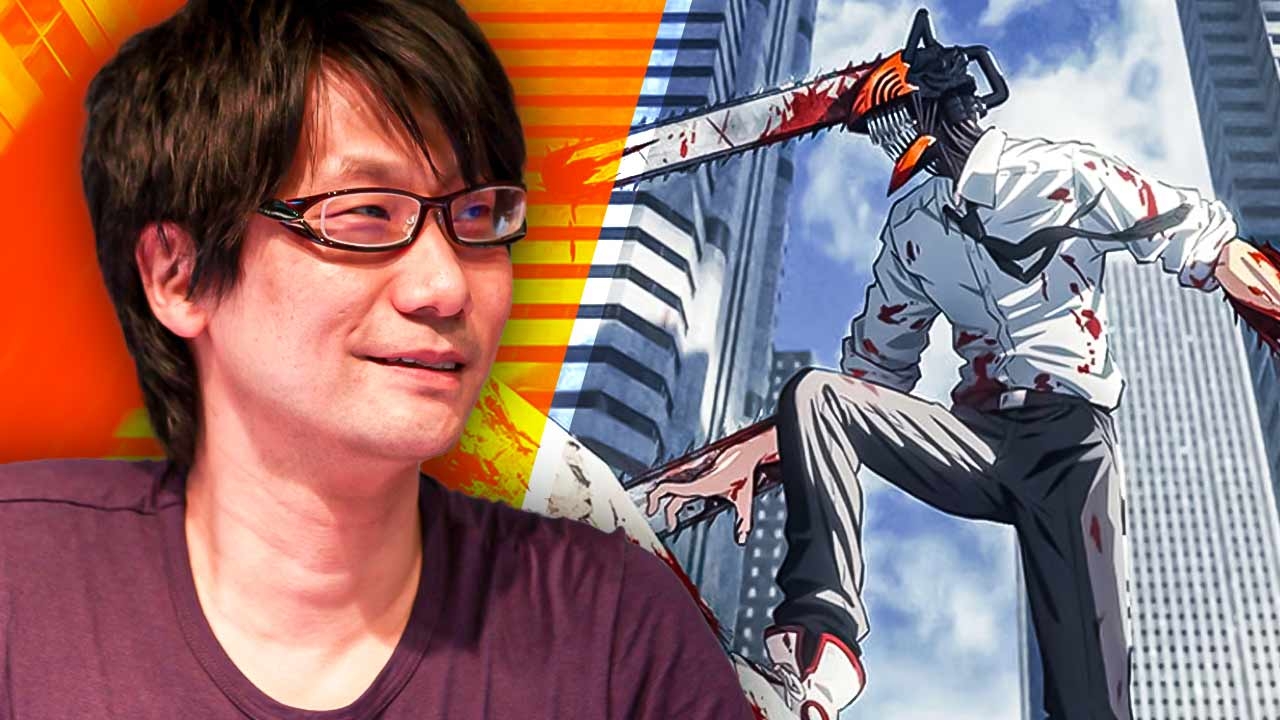
So, under the surface of a monstrous figure, Denji’s character is very human due to the way he has been fleshed out by Fujimoto.
Denji Is All Too Human Despite His Devilish Appearance
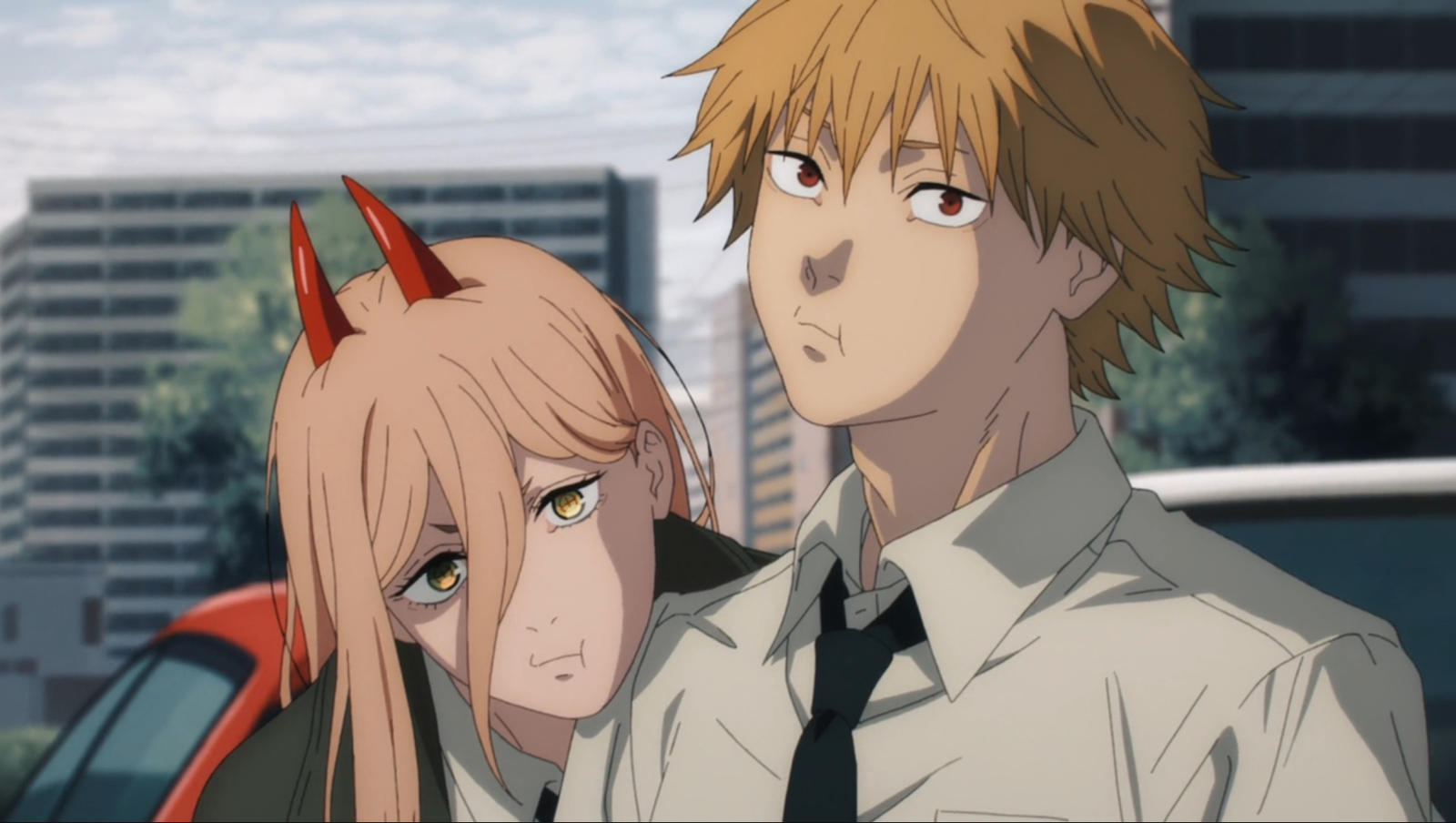
Even though Denji seems silly, his character is really based on a very real tale of development and self-discovery. Though absurd, his lofty goal of copping a feel is more than just a crude jest. He’s never had the chance to dream of something bigger because he’s lived his entire life fighting just to exist. But in the end, intimacy with someone else is what he really desires.
Naturally, as an immature and hormonal teenager, Denji’s need for physical intimacy—ideally with Makima—manifests this desire. Even while Denji isn’t aware of it yet, it gradually becomes apparent that what he really wants is emotional closeness.
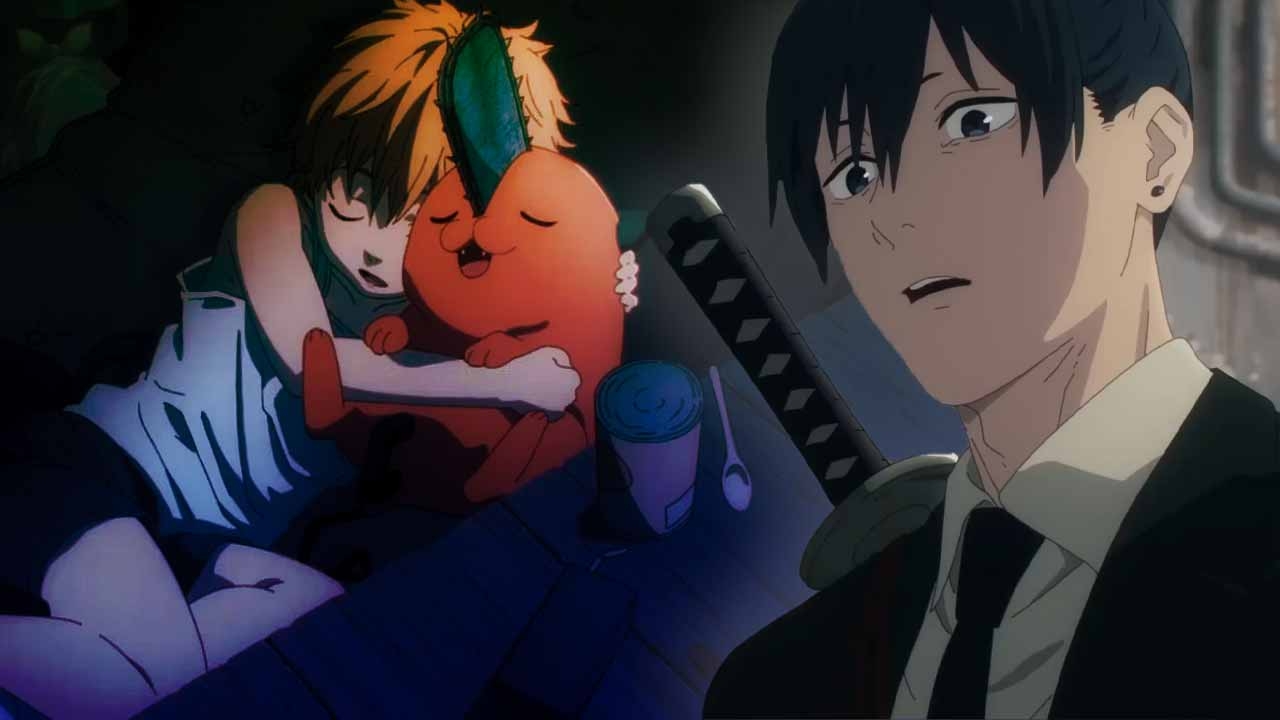
The narrative of Chainsaw Man isn’t really about the humor or action, odd as it may be most of the time. Fundamentally, it’s the tale of a lost and lonely kid who, after everything, is attempting to find his place in the world. Beneath his silly exterior, Denji’s narrative is a real, heartbreaking coming-of-age tale, and it’s very endearing to watch him gradually learn to love his new team.
Ultimately, that’s a major factor in what makes Chainsaw Man so unique. Yes, a key component of the series’ identity is its unique blend of heart-pounding action and surreal humor. But what really elevates Chainsaw Man is ultimately its human heart.
You can watch Chainsaw Man on Crunchyroll.
Fujimoto and editor Shihei Lin’s insistence on keeping Denji unheroic traces directly back to how Chainsaw Man’s most controversial chapter yet pushed past Denji and the fans’ limits, doubling down on the same refusal to soften him into a conventional hero.
Frequently asked questions
What did Chainsaw Man’s editor say about Denji looking like a villain?
In a Jump Festa 2021 interview about the birth of the series, Shihei Lin, the deputy editor-in-chief of Shonen Jump, recalled telling creator Tatsuki Fujimoto that Denji “looks too much like a villain, so it might be difficult to make him the main character.” Lin said he worried Denji would be in his Chainsaw Man form all the time.
Why did Shihei Lin have doubts about Denji as the lead, according to the interview?
At Jump Festa 2021, Fujimoto explained the character design came first and that he wanted to build a story around it. Lin’s concern was the design itself: because Denji looked so monstrous and villainous, Lin feared he would read as Chainsaw Man all the time rather than as a relatable protagonist.
Why does Denji work as a protagonist despite his monstrous design?
The article argues that beneath his crude goals and frightening appearance, Denji is deeply human. Having grown up in poverty with little genuine connection, his story becomes a heartfelt coming-of-age tale about a lonely teenager who gradually learns to find belonging, intimacy, and love with his new team.