When there is a talk of legendary manga artists who enjoyed a consistently successful career, one cannot forget the name of Rumiko Takahashi. She is the mastermind behind some of the best shonen creations out there, which built the cornerstone for today’s shows to thrive on.
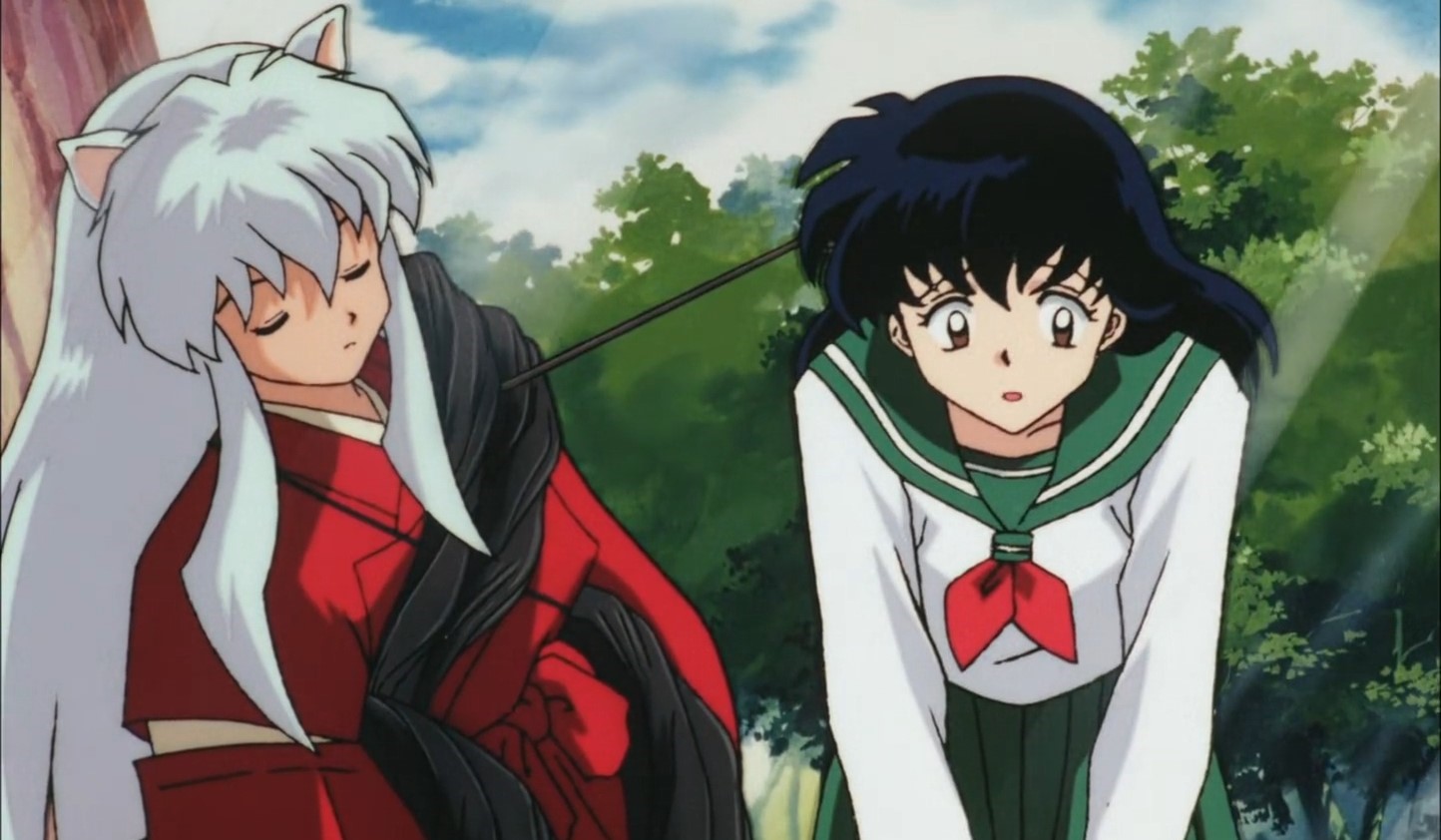
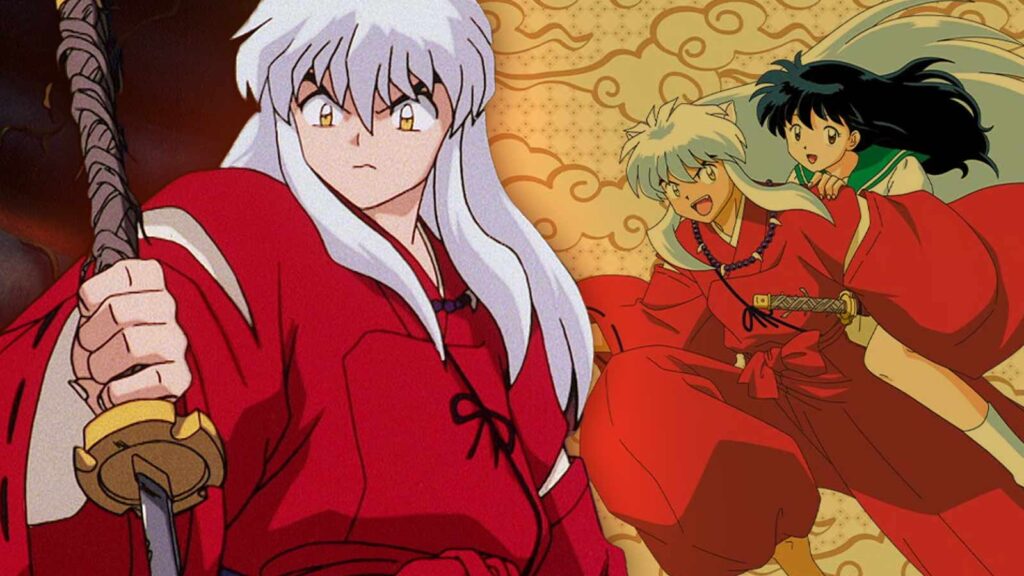
One of her most celebrated works is undoubtedly Inuyasha, a shonen series that became an instant hit after it was serialized in 1996. Its animated adaptation started in 2000 and has since maintained a loyal fan following all around the world. The plot starts with a classic boy-meets-girl trope and ends up creating a storyline with many layers spanning across multiple timelines.
But despite facing other criticisms about her work, Rumiko Takahashi was able to escape one of the major demerits of having a long serialization, its unavoidable monotony. In an interview, we witness her become candid about how she was able to keep her work fresh this long in a very organic manner.
Rumiko Takahashi can pull off a huge cast
A lot of characters do not automatically mean they will be interesting enough to keep the audience hooked. If not planned properly, a big cast can end up being an additional burden to whom audiences are not emotionally attached. They will only be there to fill the void, adding no meaning to their presence.
But Rumiko Takahashi is a professional in this field who has, time and time again, proved she can handle introducing multiple characters without affecting the plotline adversely. We have seen her do it in Inuyasha, Ranma ½, Maison Ikkoku, and even in Urusei Yatsura, where almost all the characters are iconic and loved by fans.
She uses this exact method to keep her work renewed and without the inevitable stagnation that many long-running shows face. This is a recurring problem with all major Shonen anime, specifically something like Fairy Tail, which recycles its storyline and situations, making it repetitive.
In an interview, Rumiko Takahashi further explains that even though she is famous for including a lot of characters in her works, it is not something that she does because she likes it.
But, having a lot of characters helps me write a lot of stories without it getting boring.
Multiple characters also come with many different stories and possible angles to explore, which keeps the story from getting boring in the long run. This is an ingenious method that opens new doors for the author to be creative while achieving the goal of continuing the story.
Inuyasha’s cast is its strongest point

If we look at Rumiko Takahashi’s other shows, we can see her way of introducing multiple casts also leads to comic situations. However, in Inuyasha, rather than using it as a tool to generate laughter, she does it organically to further the story’s progress.
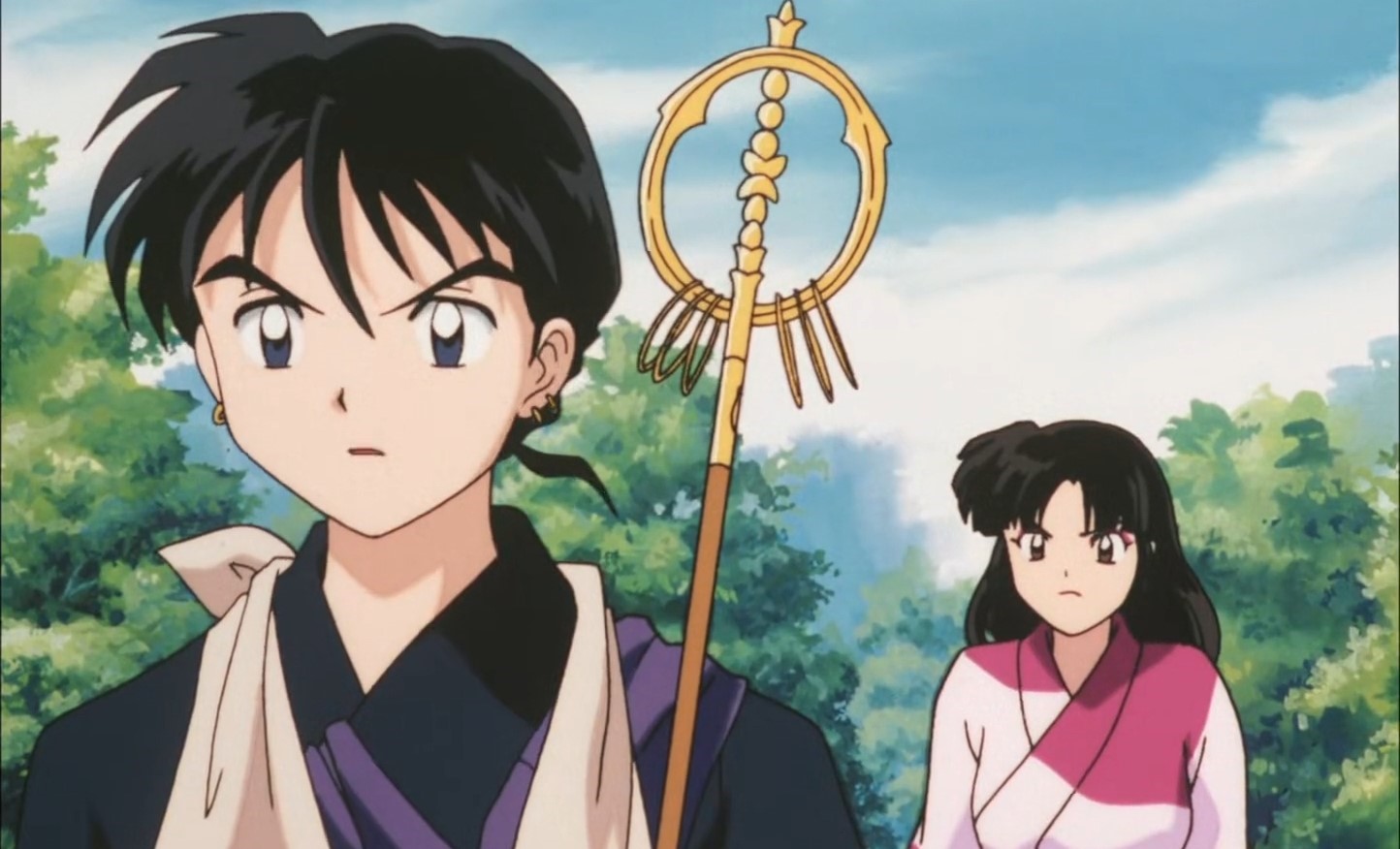
Characters like Sesshōmaru, Miroku, Kohaku, Sango, etc, are not there to just support the main two leads, Kagome and Inuyasha. They have their own storyline, individuality, and character arcs that automatically attract viewers towards them.
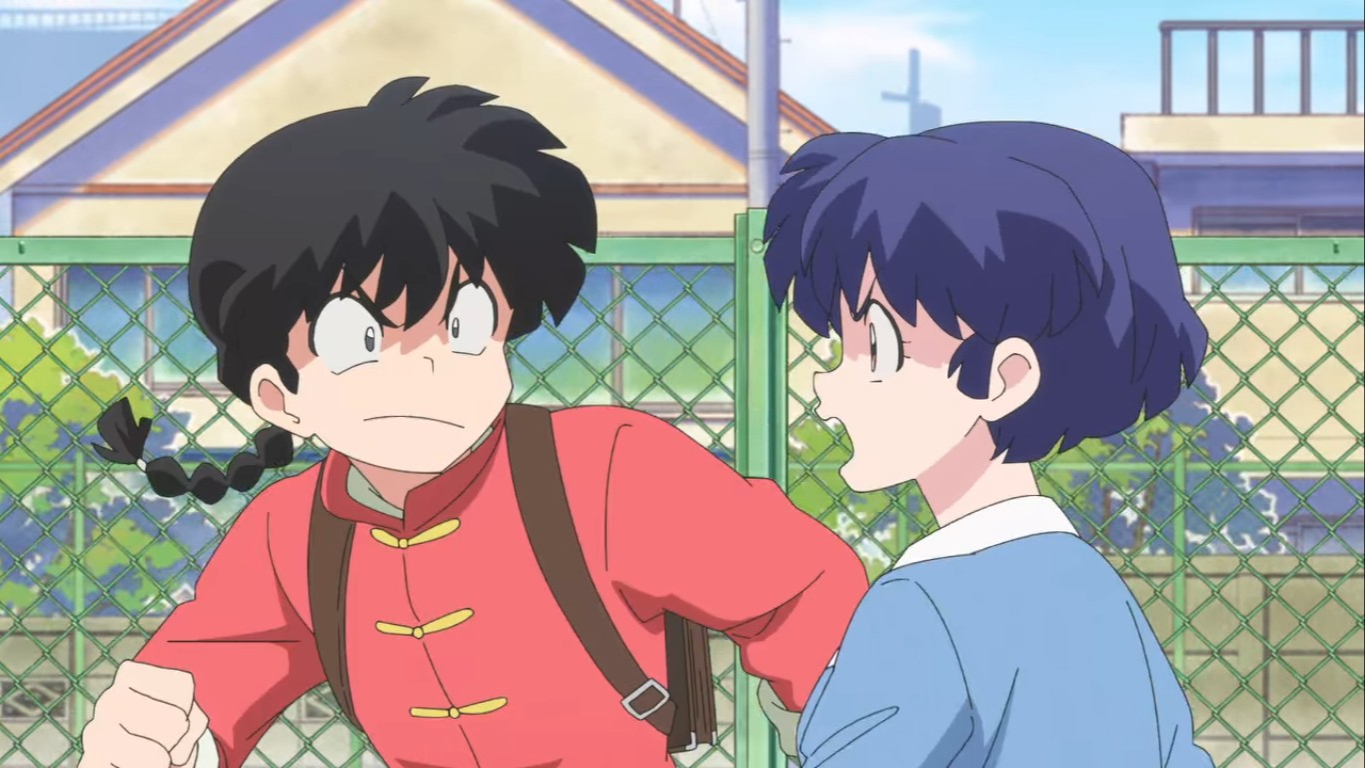
Something similar happens in Rumiko Takahashi’s Ranma ½, where Ranma and Akane are no doubt the protagonists. But whenever Kuno Senpai or Ryoga comes on screen, their antics are always a delight to watch.
The fact that Rumiko Takahashi was able to find and then develop her own narrative tool while being in an industry that is dominated by male creators is a testament to her genius. Perhaps this is why, even today, her works are relevant and fondly remembered by fans.
Frequently asked questions
How does Rumiko Takahashi avoid monotony in long-running manga like Inuyasha?
According to the article, Takahashi relies on a large, well-developed cast. She said, "having a lot of characters helps me write a lot of stories without it getting boring." Rather than filling space with minor figures, she gives distinct characters their own storylines and arcs, which provides varied narrative angles across an extended serialization.
How does Inuyasha use its cast differently from Takahashi’s comedic works like Ranma 1/2?
The article notes that in comedic series such as Ranma 1/2 and Urusei Yatsura, Takahashi’s wide cast largely generates humor and gag situations. In Inuyasha she uses multiple characters more organically to advance the plot, giving figures like Sango, Miroku, Sesshomaru, and Kohaku meaningful individual development alongside leads Inuyasha and Kagome, rather than purely comic relief.
When did Inuyasha release as a manga and anime, and who produced it?
The Inuyasha manga began serialization in Weekly Shonen Sunday in 1996, and the anime adaptation began airing in 2000, produced by Sunrise. Inuyasha is one of several long-running works by Takahashi, alongside Ranma 1/2, Maison Ikkoku, and Urusei Yatsura.