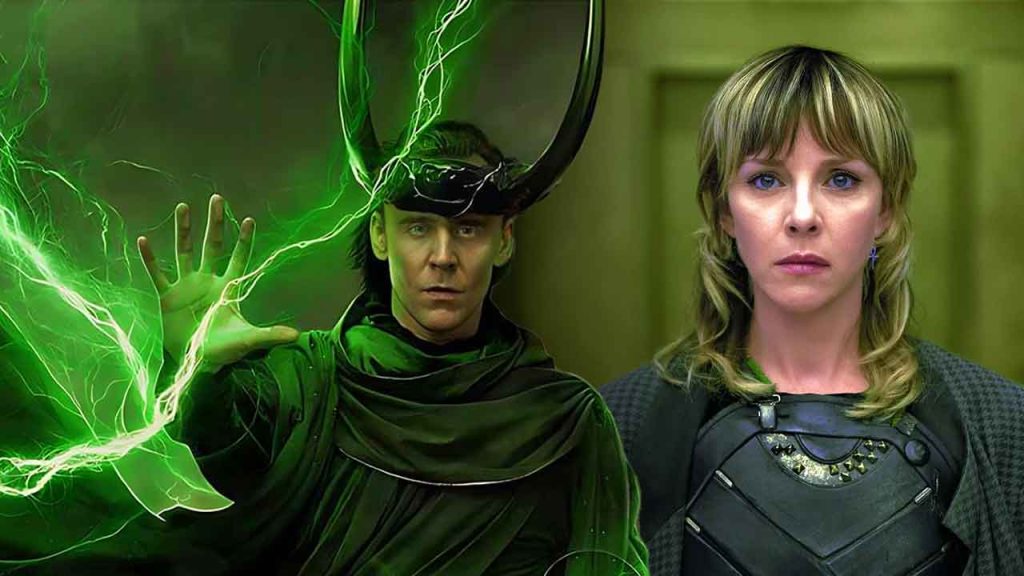
With season 2 making headlines across the board, Loki has been a massive superhit. The MCU show takes the story forward and leaves us eager to know more about the fate of the Multiverse. Season 2 episodes were released weekly, with the most-awaited finale outlining the titular antihero’s reckoning fate. Eric Martin, the head writer of the series, revealed the idea behind God of Mischief’s fate in the series finale.
Eric Martin Reveals Idea Behind Loki Season 2 Finale
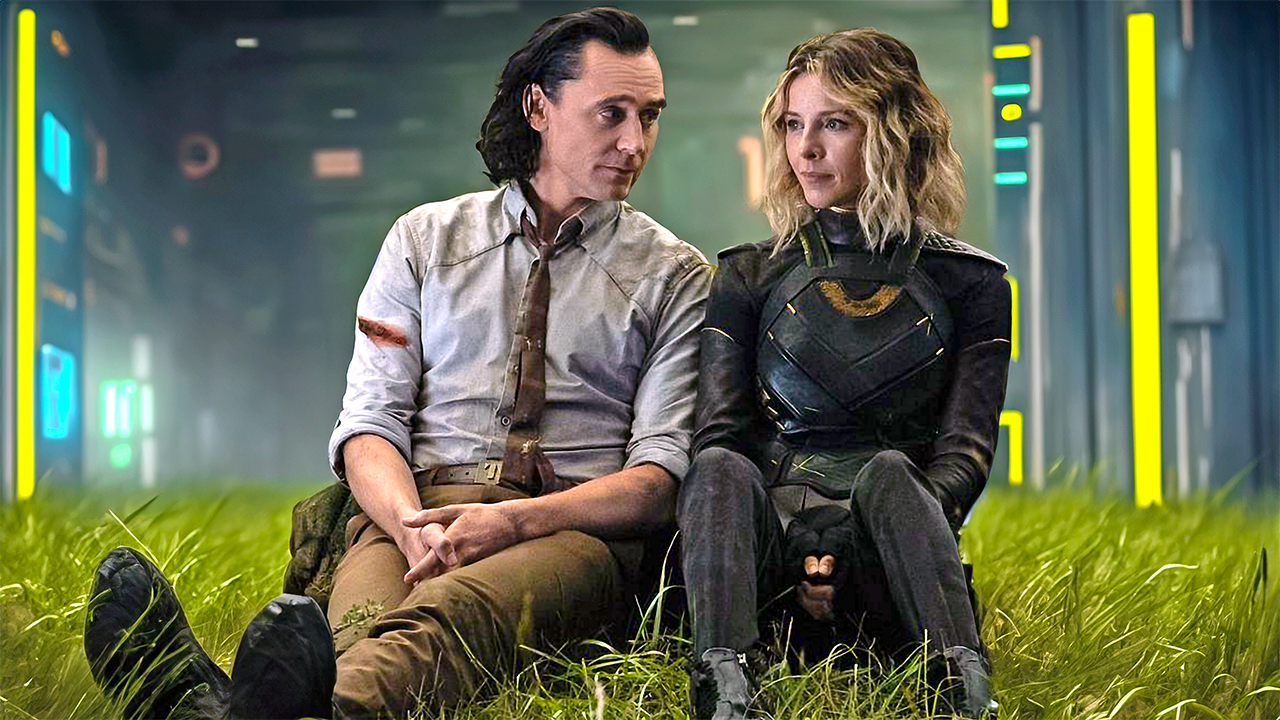
Loki, the god of mischief from Asgard, has always been a selfish and arrogant character. From his self-fulfilling motives to his tricks to deceive everyone around him, the mischievous Asgardian keeps everyone on edge. So, when he decided to take on the mantle of protecting the sacred timelines and keeping He Who Remains away from humanity, fans were left in a daze. Martin said in an interview with Esquire,
“The big idea was taking Loki from a lowercase-g god, to a capital-G God, powering him up to that place where he gets his throne—but it’s not a throne he wants anymore. This is a duty. He’s doing this so everyone else can have their lives. He’s giving up the thing that he wants most so that everyone else can have their free will… We wanted to power up his abilities, but also his wisdom and knowledge.”
This sacrificial nature is unlike the Asgardian god, who only thinks of himself. The chaotic season finale shows Loki sitting on the throne to keep the timelines intact. All his life, he has fought for his place in the world and fought to rule the kingdom he rightfully deserved. Eventually, seeing him on a throne satisfied his need to rule, but at what cost? This is his ultimate sacrifice to protect humanity, showing there is some good in him.
“I leave that up to interpretation. That final image is meant to be ambiguous. So I’ll let people make up their own minds there. If you look into mythology, someone like Atlas is an interesting person to look at with that.”
It’s interesting to see a parallel between Loki and Atlas, where both heroes are understood to be suffering in the places they sort of longed for. Atlas kept the heavens and the earth apart, forever cursed to hold the universe together. Zeus punished and condemned him to this job for eternity.
What Hiddleston Said About Loki Season 2 Finale?
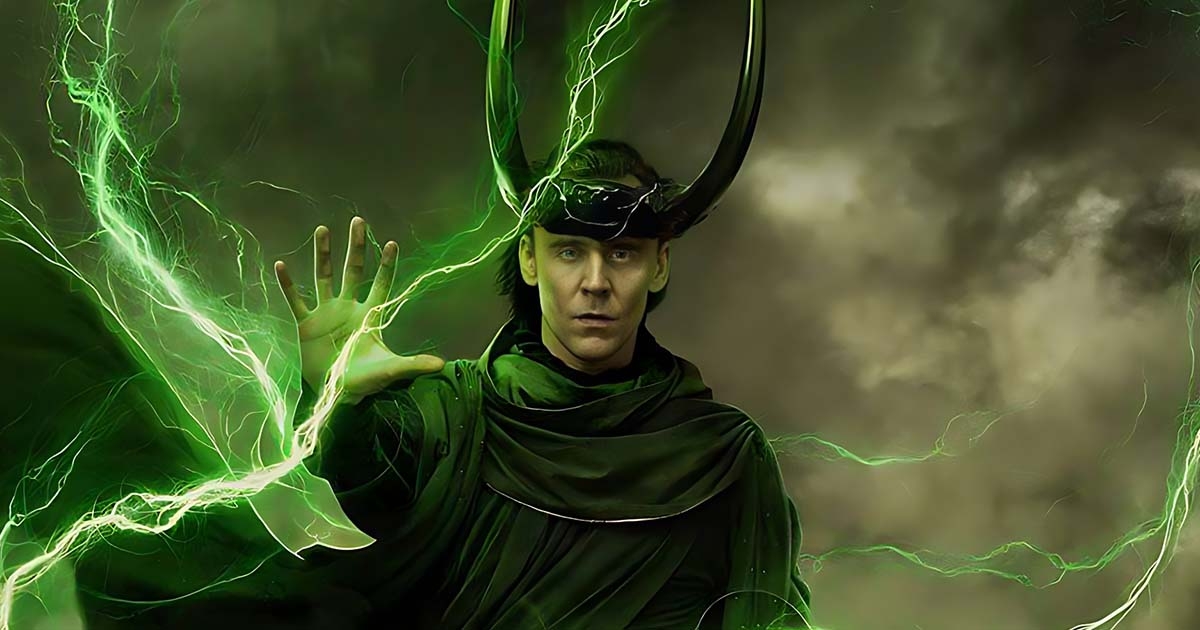
The Night Manager fame actor has a lot of works to his name, but his character in the show stands out because of his mischievous demeanor and deceptive tricks. Tom Hiddleston has upheld Loki’s mantle since we first saw him in Thor in 2011. Emulating a character for over 10 years is not easy, his connection to Loki is deeper than we can see on screen. In a conversation with FilmIsNow, Hiddleston said,
“Now that Season 2 of ‘Loki’ has aired, I feel…in the performing of it, in the planning of it, in the developing of it, in the writing of it, that Loki’s sacrifice was wholly appropriate and, for me personally, very moving. You’ve got a character who, for as long as he’s been around, has been driven by self-interest, isolated – largely by himself. On the surface, charismatic and charming and playful, but on the inside, defensive and vulnerable and hurt and alone, and someone who’s never felt like he belonged anywhere.”
In the finale, we see the antihero in a completely different light, putting him at the center of the impending doom in the Multiverse. It will be very interesting to see the new Avengers come face-to-face with Loki and unite in the face of a greater evil.
Loki Season 1 and 2 are available to stream on Disney+.
Frequently asked questions
What did Loki writer Eric Martin say was the big idea behind Loki’s sacrifice in Season 2?
Loki head writer Eric Martin told Esquire the big idea was ‘taking Loki from a lowercase-g god, to a capital-G God, powering him up to that place where he gets his throne—but it’s not a throne he wants anymore.’ Martin framed it as a duty rather than a reward: Loki gives up the thing he wants most so that everyone else can keep their free will and their lives. In the finale, he sits on the throne at the center of the multiverse to hold the fractured timelines together, with Martin noting they wanted to power up not just his abilities but his wisdom and knowledge.
What is the Greek mythology connection to Loki’s sacrifice?
When asked about the finale’s meaning, Eric Martin kept it open-ended, saying the final image is ‘meant to be ambiguous’ but adding, ‘If you look into mythology, someone like Atlas is an interesting person to look at with that.’ The article draws out the parallel: Atlas was forever cursed to hold the heavens and earth apart, condemned by Zeus to the job for eternity. Like Atlas, Loki ends up bound to the throne he long wanted, now obligated to eternally maintain the timelines rather than rule freely.
What did Tom Hiddleston say about Loki’s ending?
Speaking to FilmIsNow, Tom Hiddleston called Loki’s sacrifice ‘wholly appropriate’ and, for him personally, ‘very moving.’ He described it as the payoff for a character who had long been driven by self-interest and isolation—charismatic and playful on the surface but defensive, vulnerable, and alone underneath, someone who never felt like he belonged anywhere. Hiddleston has played Loki since first appearing in 2011’s Thor, and the article notes Loki Seasons 1 and 2 are available to stream on Disney+.