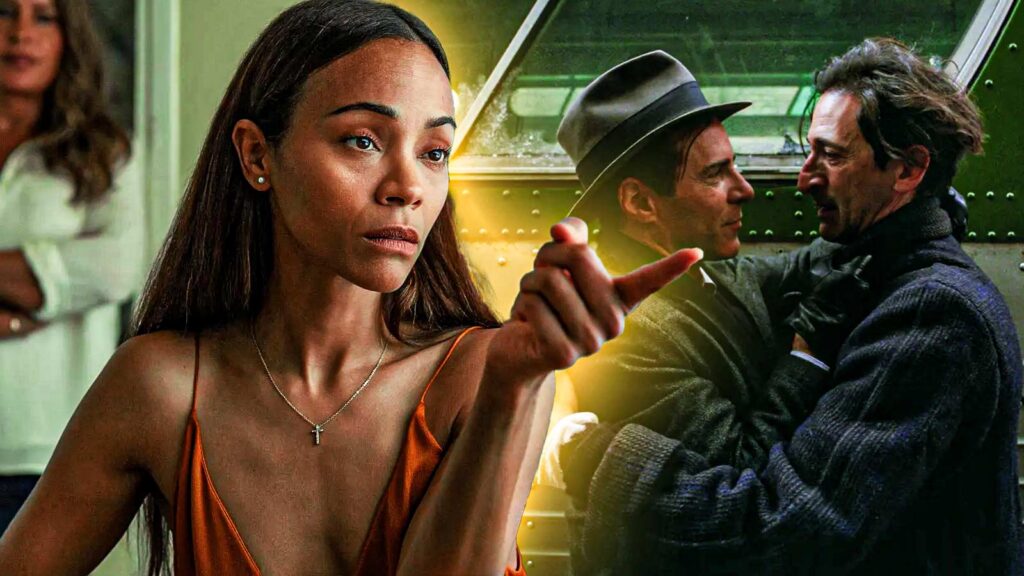
The 97th Oscars is going to be held on March 2, 2025, at the Dolby Theatre in Hollywood, Los Angeles. The movies released in 2024 will be honored at the ceremony in 23 categories. Selena Gomez and Zoe Saldaña’s starrer Emilia Pérez received the most nominations, 13, followed by 10 nominations earned by The Brutalist and Wicked.
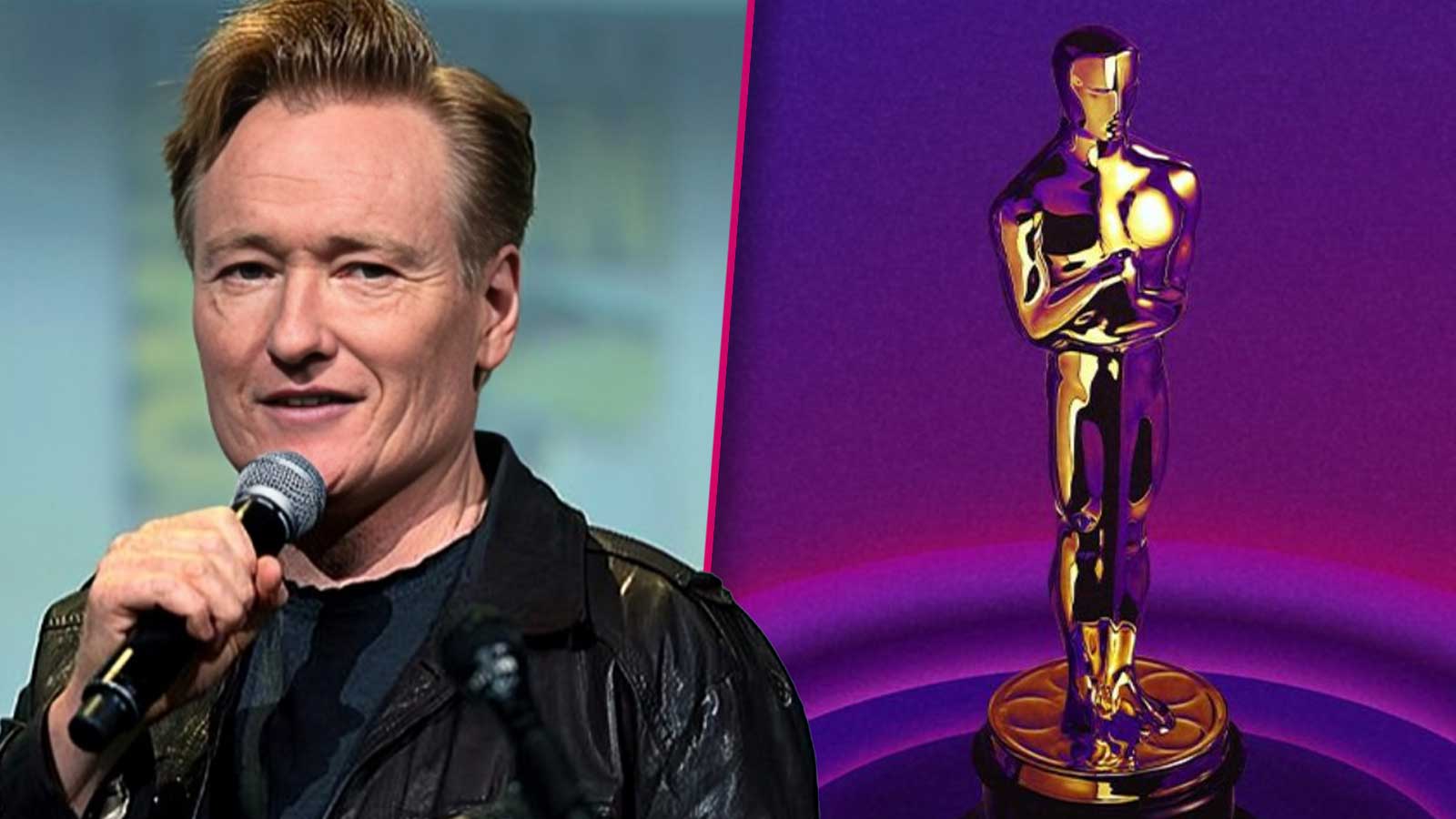
Comedian and podcast host Conan O’Brien is set to host the ceremony for the first time. Ahead of the ceremony, there have been a lot of controversies surrounding the Best Picture nominees, and to make it less complicated next year, the Academy of Motion Pictures Arts & Sciences is introducing a new rule.
Academy introduces a new rule for Oscar 2026 submissions following The Brutalist‘s AI controversy
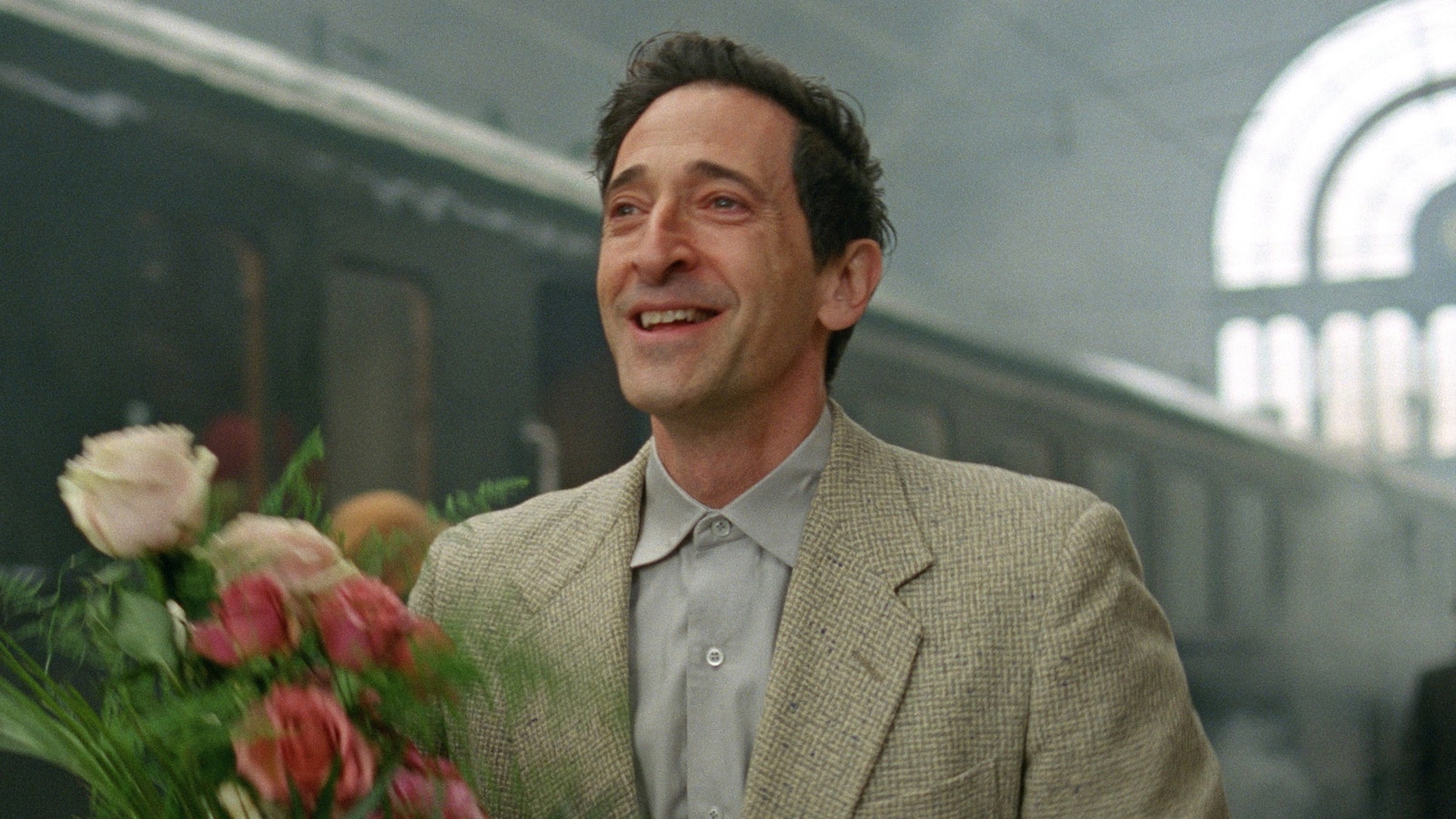
According to reports by Variety, Adrien Brody starrer The Brutalist reportedly used an AI tool in the making of the film. The editor, Dávid Jancsó, shared with Red Shark News,
If you’re coming from the Anglo-Saxon world, certain sounds can be particularly hard to grasp. We first tried to ADR these harder elements with actors. Then we tried to ADR them completely with other actors, but that just didn’t work. So we looked for other options of how to enhance it.
He further explained that it is indeed controversial to talk about AI, but it shouldn’t be. The film’s editor noted that there should be an open discussion about what tools AI can provide the makers, noting that it only makes the process faster. This did not sit right with the critics as well as the audience.
Vulture reported that some of László Tóth’s drawings and completed buildings at the Venice Biennale were also created using AI tools. As soon as it was reported that The Brutalist had used an AI tool in the making, eyes were shifted to other Best Picture contenders, including A Complete Unknown, Dune: Part 2, and Emilia Pérez, which has also used AI in large or small ways, as Variety reported.
This revelation has led to the Academy of Motion Pictures Arts & Sciences introducing a new rule, which is that the movies that are submitted for Oscars in the future should disclose the use of AI in their respective projects. The publication reported that where now the Academy offers an optional disclosure form for AI use, following the controversy, they are planning to make it mandatory.
The movies have received backlash from the public after it was revealed that they have used AI tools in postproduction. AI’s use for projects simply represents the stifling of human creativity but at the same time also the loss of many jobs. This demand had played a significant role during the SAG-AFTRA strikes in 2023.
For Emilia Pérez, despite being a front-runner for the award, the movie has found itself in hot waters yet again. The Guardian noted that it was disclosed that the singing voice of Karla Sofía Gascón was enhanced using an AI tool.
The film’s re-recording mixer, Cyril Holtz, had shared at the Cannes Film Festival that it was necessary to increase the range of the actress’ vocal register.
Filmmaker Brady Corbet, explains the use of AI in The Brutalist
Regarded as one of the best movies of 2024, Adrien Brody’s The Brutalist centered on a Jewish-Hungarian architect, László Tóth, who migrates to the US after the Second World War. After it was revealed that there had been a significant use of AI in post-production, the film’s director, Brady Corbet, issued a statement.
Adrien’s and Felicity’s performances are completely their own. They worked for months with dialect coach Tanera Marshall to perfect their accents. Innovative Respeecher technology was used in Hungarian language dialogue editing only, specifically to refine certain vowels and letters for accuracy. No English was changed.
The director commented that it was a manual process that was done by their sound team and Respeecher in post-production. He added that the aim was to preserve the authenticity of Brody and Jones’ performance in another language, not to replace or alter them. Corbet mentioned that the use of AI was done with the utmost respect for the craft.
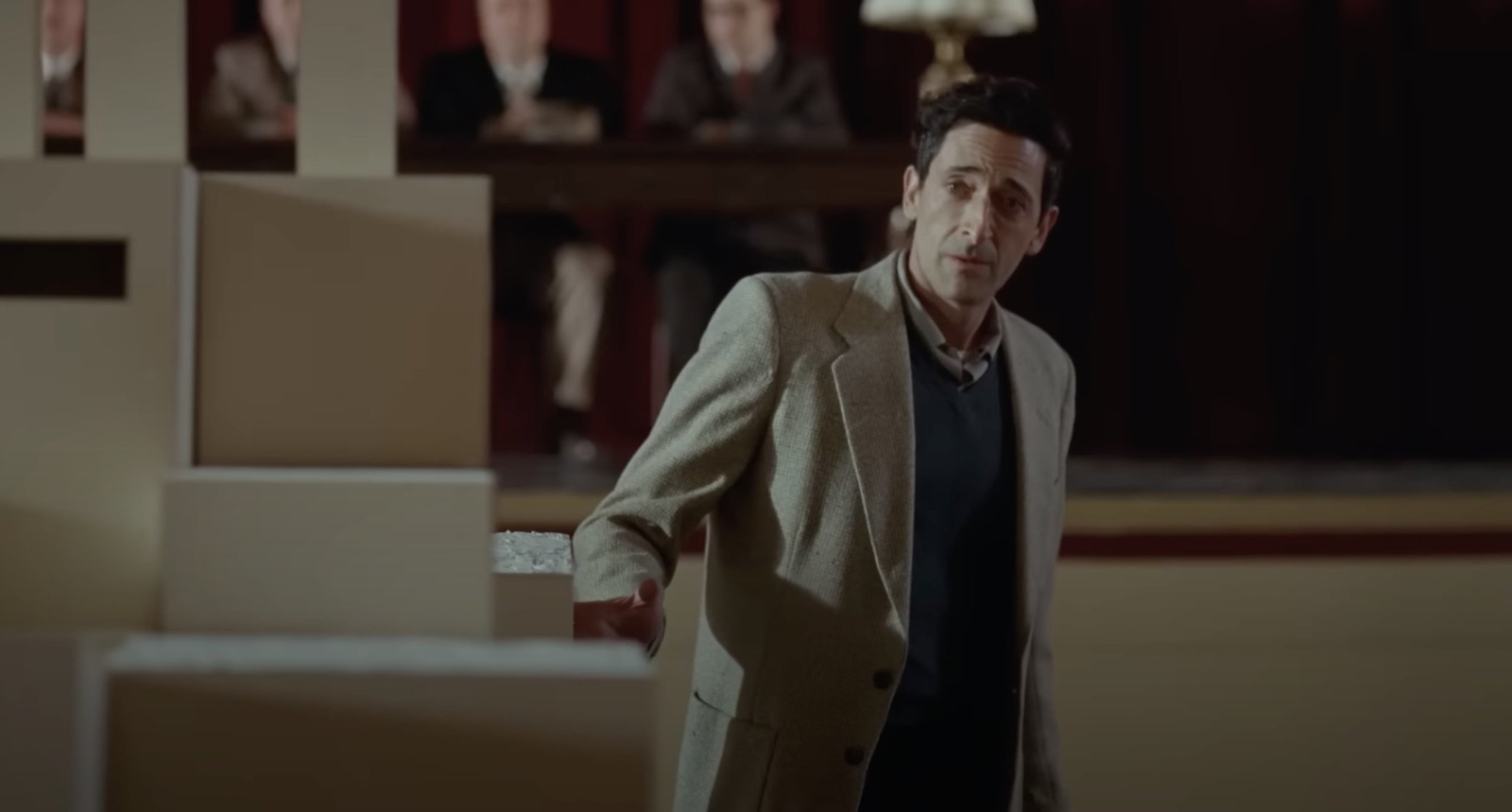
Brady Corbet also clarified that Judy Becker and her team were behind the creation and rendering of the buildings. He noted that all the images were hand-drawn by the artist, and their editorial team created pictures intentionally designed to look like poor digital renders circa 1980.
A veteran member of the VFX branch shared with Variety that there should always be truthfulness, adding that using new tools in an innovative way that paves the path forward for everyone else is a big contribution.

The member who requested anonymity mentioned that it’s important for everyone involved in a project not to lose their sight which supports the story.
The Brutalist is streaming on HBO Max.
Frequently asked questions
What new rule did the Academy introduce after the Emilia Perez and The Brutalist AI controversy?
Following the debate over AI tools used in 2025 Best Picture contenders, the Academy of Motion Picture Arts and Sciences moved to make AI disclosure mandatory for Oscar submissions. Where filmmakers previously had only an optional form to declare whether generative AI was used in a film’s production, the Academy signaled it would require that disclosure going forward.
How was AI used in The Brutalist and Emilia Perez?
In The Brutalist, the Respeecher tool was used in the Hungarian-language dialogue editing only, to refine certain vowels and letters for accuracy, with the production stating no English dialogue was changed. In Emilia Perez, an AI tool was used to enhance the singing voice of lead actress Karla Sofia Gascon, extending her vocal range. Both drew scrutiny during the 2025 awards season.
What did The Brutalist director Brady Corbet say about the AI controversy?
Brady Corbet said the Respeecher technology was used solely in Hungarian-language dialogue editing to refine specific vowels and letters, and that no English was changed, emphasizing the actors’ performances were their own work rather than AI-generated. The Brutalist was among the leading nominees at the 97th Academy Awards, held March 2, 2025 at the Dolby Theatre.