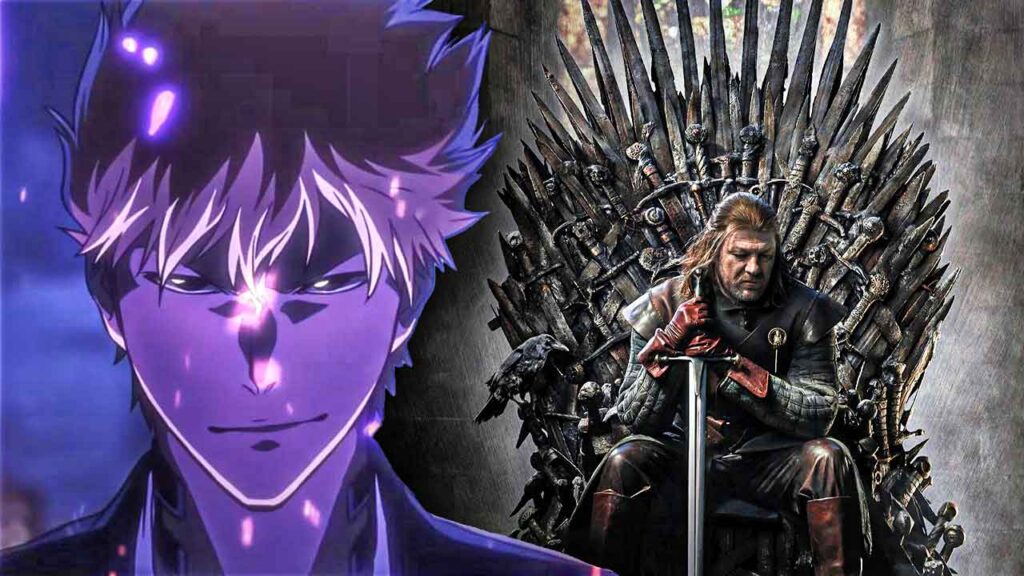
Tite Kubo is known for devising one of the big three Shonen series, Bleach. However, Bleach has been the only series among the three that has had a fall from the top. Eiichiro Oda’s One Piece is still airing and just keeps growing in popularity, Masashi Kishomoto’s Naruto series ended right on schedule, paving the way for Boruto to take over the story, but Tite Kubo’s Bleach had to be canceled back in 2012 for the massive drop in popularity.
There are a few reasons why some people don’t fancy Bleach as much as the other two Shonen series, but one major factor that plays a big role in that is the poor pacing of the series by the author. This even caused Studio Pierrot to make a tough decision for the series, to ensure fans get an authentic ending from Tite Kubo himself.
Studio Pierrot’s decision saved Bleach from making the same mistake as Game of Thrones
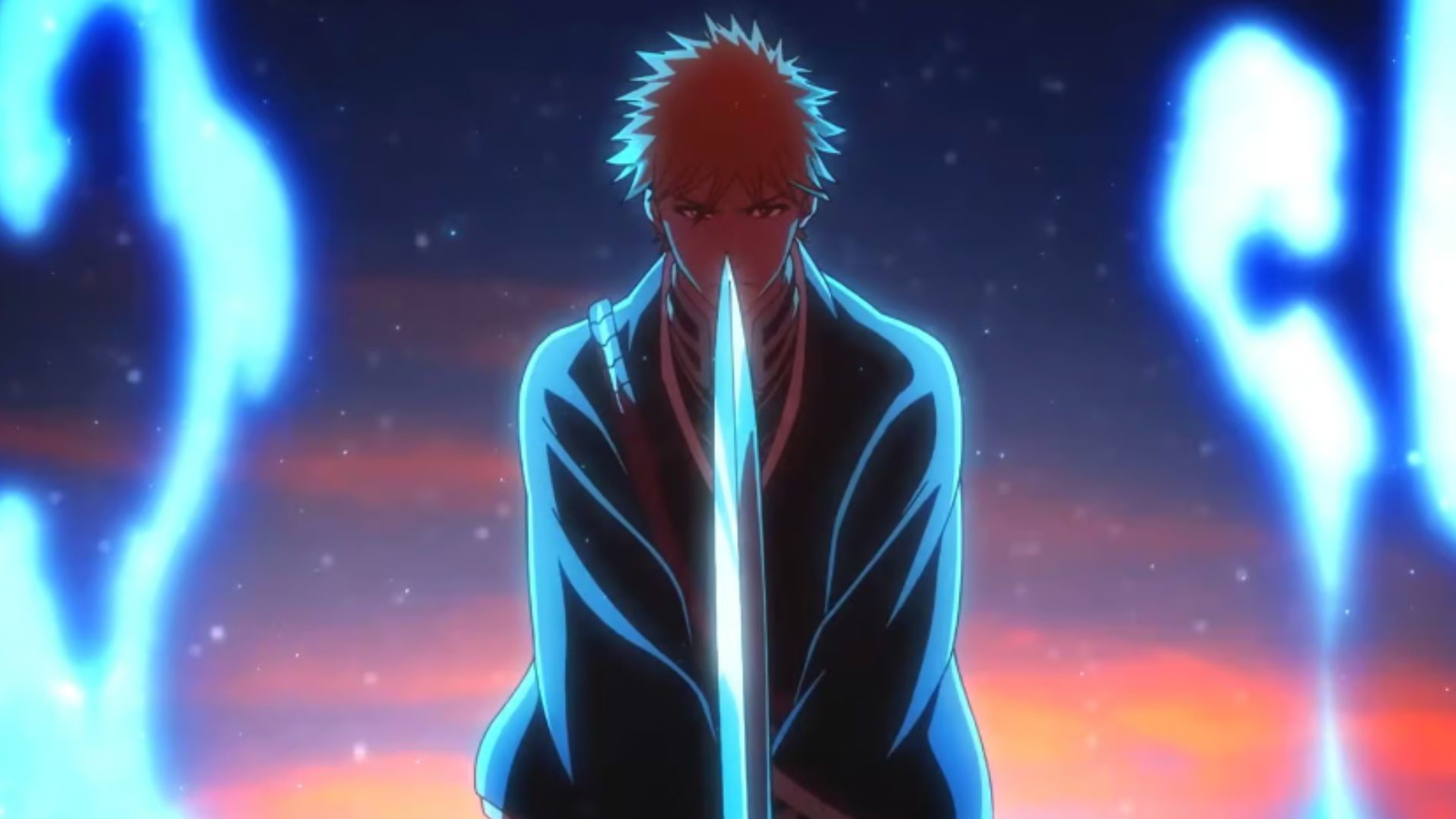
Bleach, as mentioned earlier, is unfortunately the only manga and anime from the big three to have been canceled in the past. Back in 2012, fans of the series were stunned to see Bleach get taken off air without much notice. This was mainly because the fans lost interest in the series due to its poor pacing and the ridiculous amount of filler episodes in the anime.
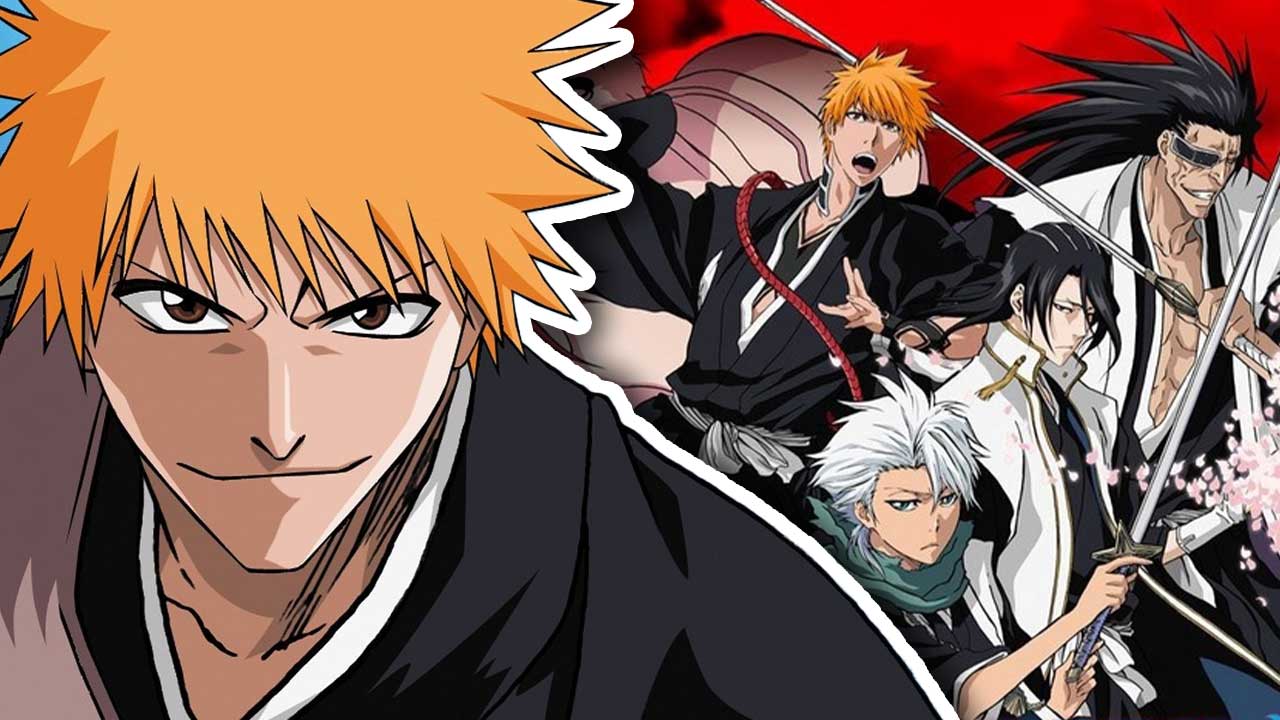
However, Tite Kubo, despite the show being canceled, was still given a reasonable amount of time to finish the series. Studio Pierrot, the animation studio in charge of animating Bleach, started working on the Thousand-Year Blood War in 2017, but only brought Tite Kubo on board after he finished the ending for the manga.
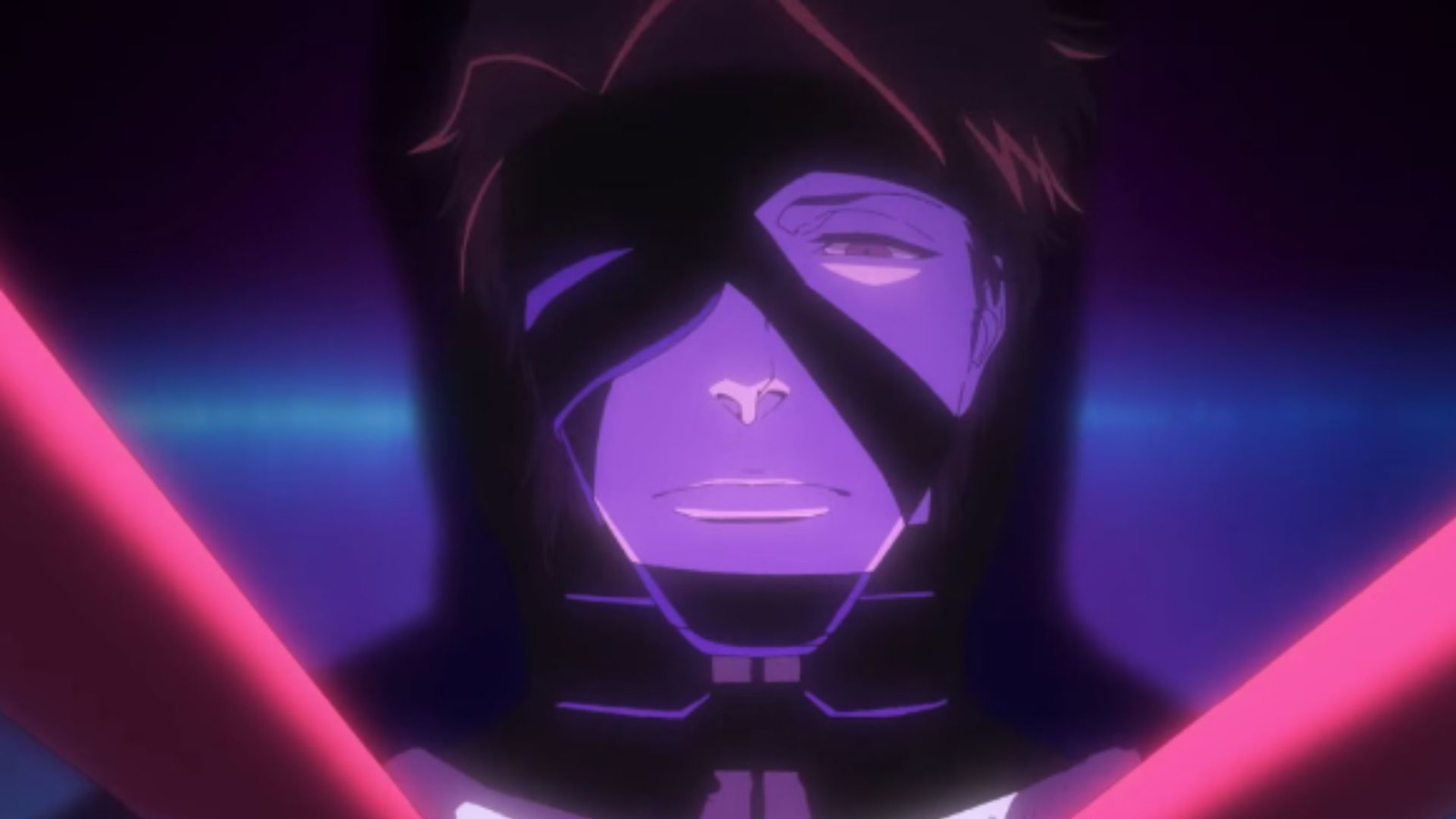
Studio Pierrot’s decision to take things slow with the series and wait for Tite Kubo to finish writing the end for the manga has saved it from facing the same fate that the Game of Thrones had faced in the past. Unfortunately, GoT fans were deprived of an original ending as Warner Bros. decided to come up with an appropriate ending for the series because George R.R. Martin had not published his final books of the ASOIAF series.
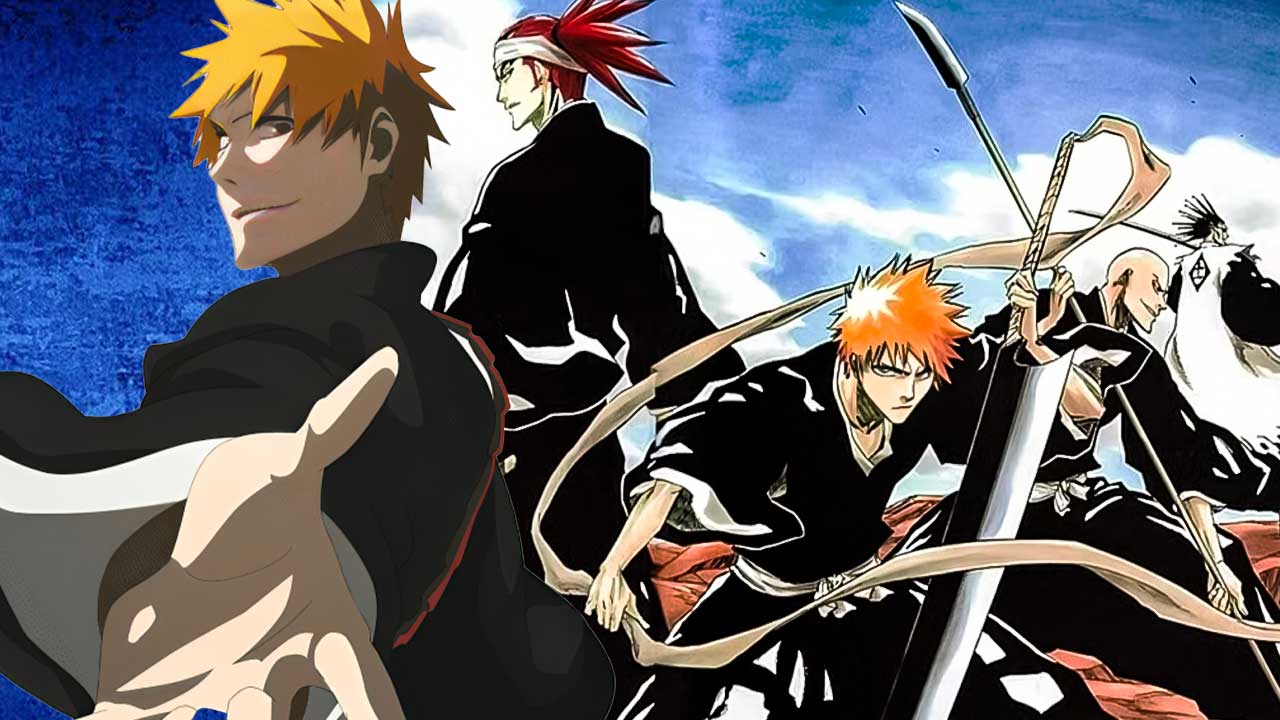
Part 3 of Bleach: Thousand Year Blood War is set to air this year, i.e. 2024, and will most likely build up to a part 4 of the series, which will probably air later this year or early next year, if they continue to follow the same routine. Considering how the Bleach series has made a gradual comeback over the past couple of years, fans are expecting to see the ending live up to the glory it once had.
What to expect from Bleach: Thousand Year Blood War part-3
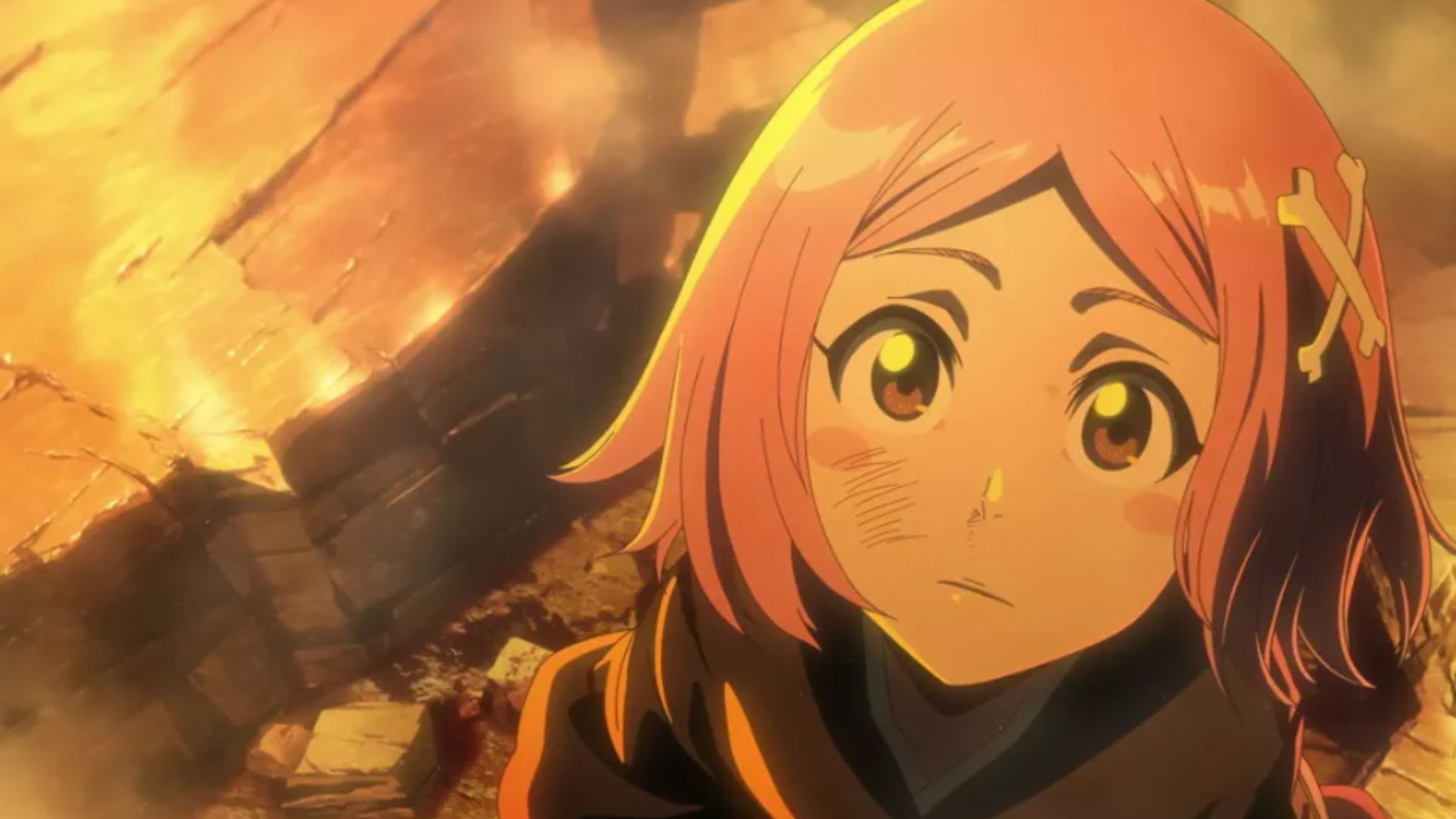
Bleach: Thousand Year Blood War Part 3 might just have more in store for fans than what we’re expecting. The staff at Studio Pierrot will now work under the supervision of Tite Kubo himself as they look to add some original elements to the anime, which will be based on the original story.
According to #BLEACH TYBW staff members the manga is just the "starting point", as from Cour 3 on they will continue to draw many new scenes with the help of Kubo-sensei while basing them on the original story. Creation of these is much harder because there is no manga reference. pic.twitter.com/2UQtmhkHU7
— Anhiksi (@Anhiksi) June 21, 2024
Given how the ending in the manga felt rushed for a majority of the fans following the series, Tite Kubo might have a second chance to redeem himself with the route he and Studio Pierrot decide to take for the ending for Bleach. And given how talented of a writer Kubo is, it would be very unlikely of him to miss a second time.
You can stream the Bleach series on Hulu.
Frequently asked questions
Why was the original Bleach anime taken off the air in 2012?
The article says the anime ended in 2012 after fans lost interest, blaming the manga’s poor pacing and the large number of filler episodes that padded out the show. Bleach is often grouped with One Piece and Naruto as one of the ‘big three’ shonen of that era, making its abrupt halt especially notable to fans.
How did Studio Pierrot involve Tite Kubo in the Thousand-Year Blood War anime?
According to the article, Studio Pierrot began work on the Thousand-Year Blood War arc in 2017 but brought creator Tite Kubo aboard only after he had finished the manga’s ending, so the adaptation works from a complete story under his guidance. The piece adds that from Cour 3 onward the team draws many new scenes together with Kubo while keeping them grounded in the original manga.
How does the article compare Bleach: TYBW to Game of Thrones?
It treats them as opposites. Game of Thrones had to invent its own conclusion because George R.R. Martin had not published his final books, leaving fans without the author’s intended ending. By contrast, the article argues Studio Pierrot avoided that pitfall by waiting until Tite Kubo had completed the Bleach manga before adapting Thousand-Year Blood War.