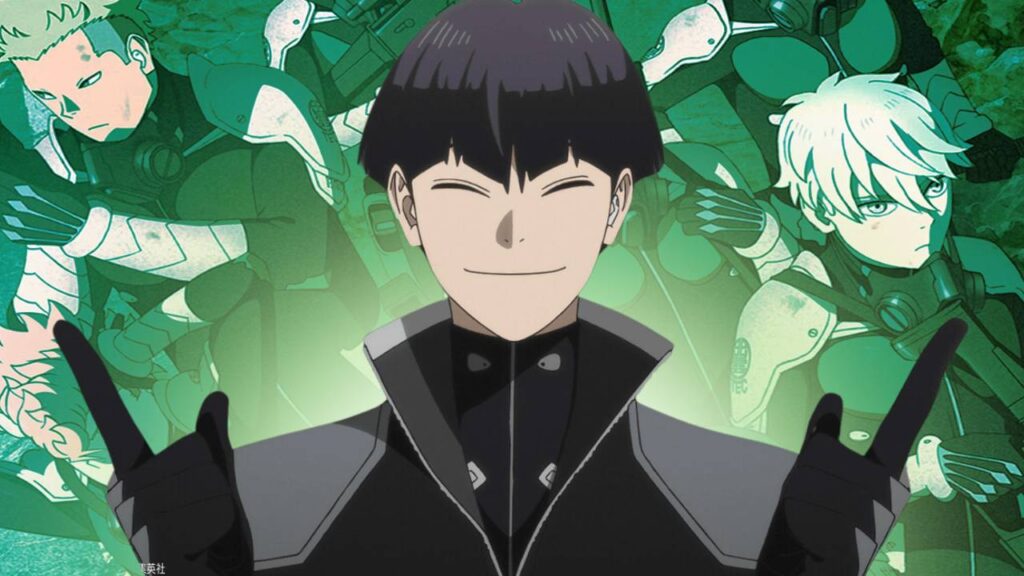
Kaiju No. 8 isn’t giving what it had promised with the anime adaptation. This is not the first time the anime has been criticized by fans for its art style that goes against the manga. Fans of Kaiju No. 8 took to X to express their disappointment with the underwhelming portrayal of significant moments.
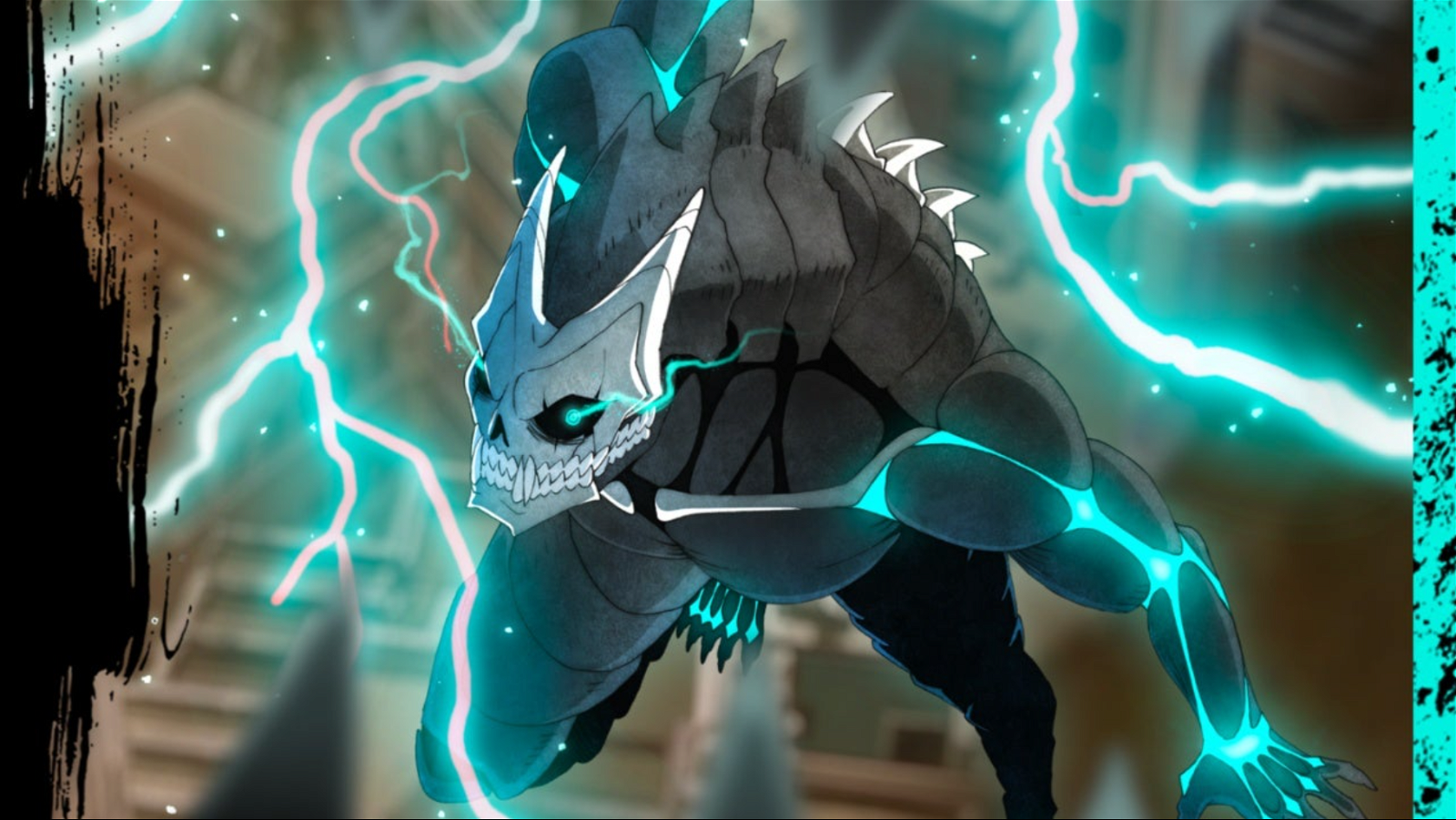
The groundbreaking manga by Naoya Matsumoto features some stunning artwork that seemingly brings the characters (and monsters) to life. Compared to the original manga art style, the animation style feels off and has been an ongoing problem for a while now.
Fans Of Kaiju No. 8 Express Disappointment Over The Anime’s Art Style
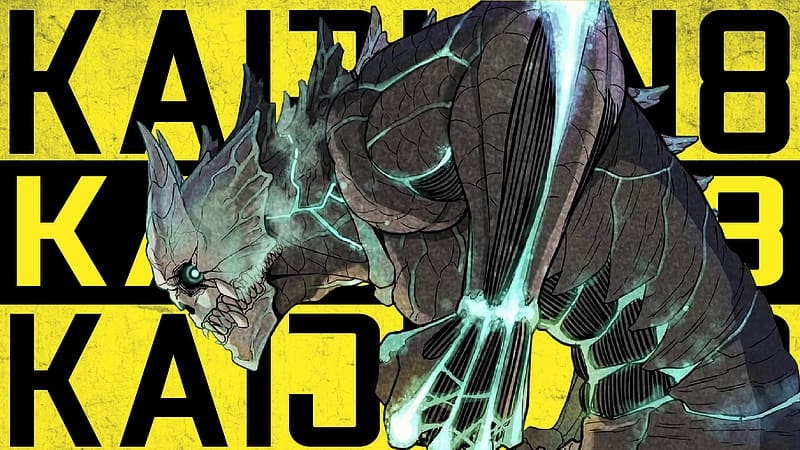
Fans of Kaiju No. 8 had previously questioned the quality of the anime character designs, fearing it could be a red flag for poor animation, and fans were right. The latest animation of Kaiju No. 8 fails to live up to expectations.
X user, @Promithean11, posted a side-by-side comparison of the anime and the manga panel, and the majority of the fans are of the opinion that the manga had a better appeal than the anime adaptation. While animation can boost the intensity of a scene with additional effects, it does not always mean that animation is better than manga.
Kaiju No. 8 Anime vs Manga Comparison #怪獣8号#KaijuNo8 pic.twitter.com/Zh7VKDPgdQ
— Zeus (@Promithean11) May 25, 2024
Manga wins imo.
— AngryTokuFan (@KamenRiderFresh) May 26, 2024
Manga has more Aura
— Mugetsu (@mugetsuig) May 25, 2024
Very Good animation all episode along but u can't compete with manga on this panel
— Chris D. Kratos (@Crisditdemon) May 26, 2024
The manga scene looks much more intense and badass.
— GreatDemonKingSam (@WingsOfVice) May 26, 2024
Bro the manga is soooo much better
— redesanoutlast (@redesanout08) May 26, 2024
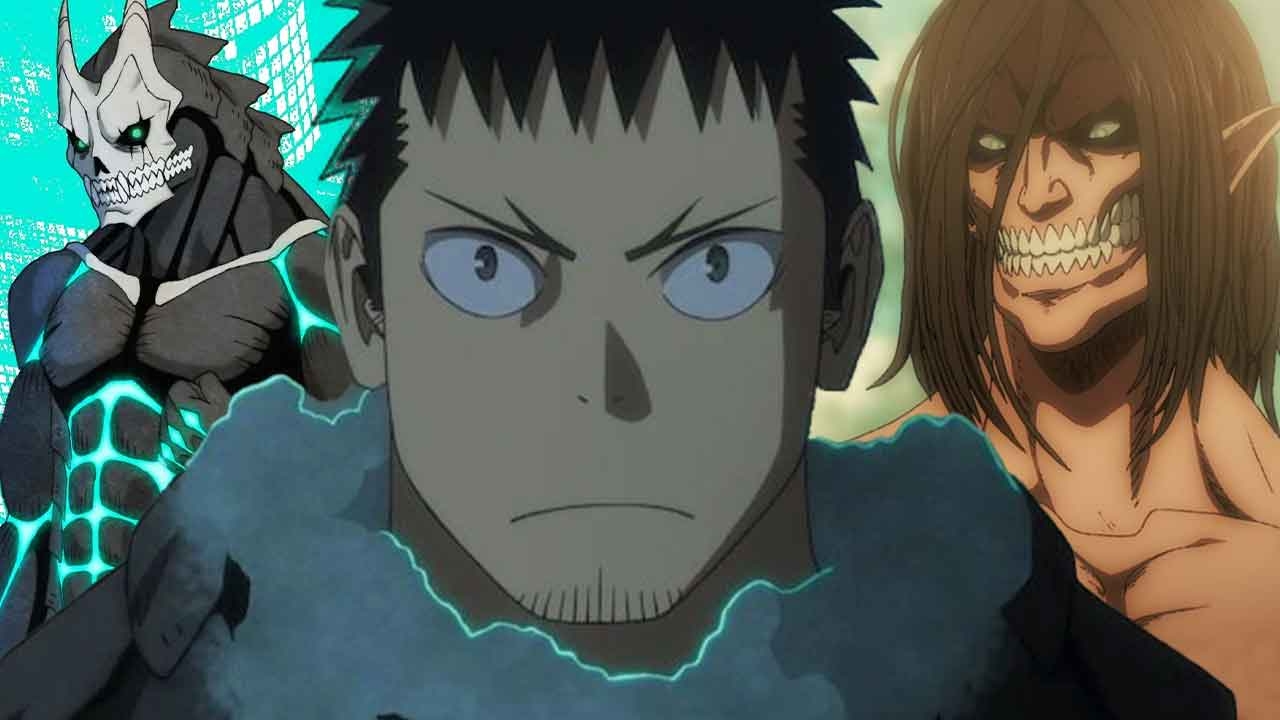
Kaiju No. 8 proves that anime is not always the better option. While the quality of the anime art style for Kaiju No. 8 is subjective, the differences between it and the source material are enough to cause concern for longtime readers.
Kaiju No. 8 Focuses More On The Typical Shonen Battle
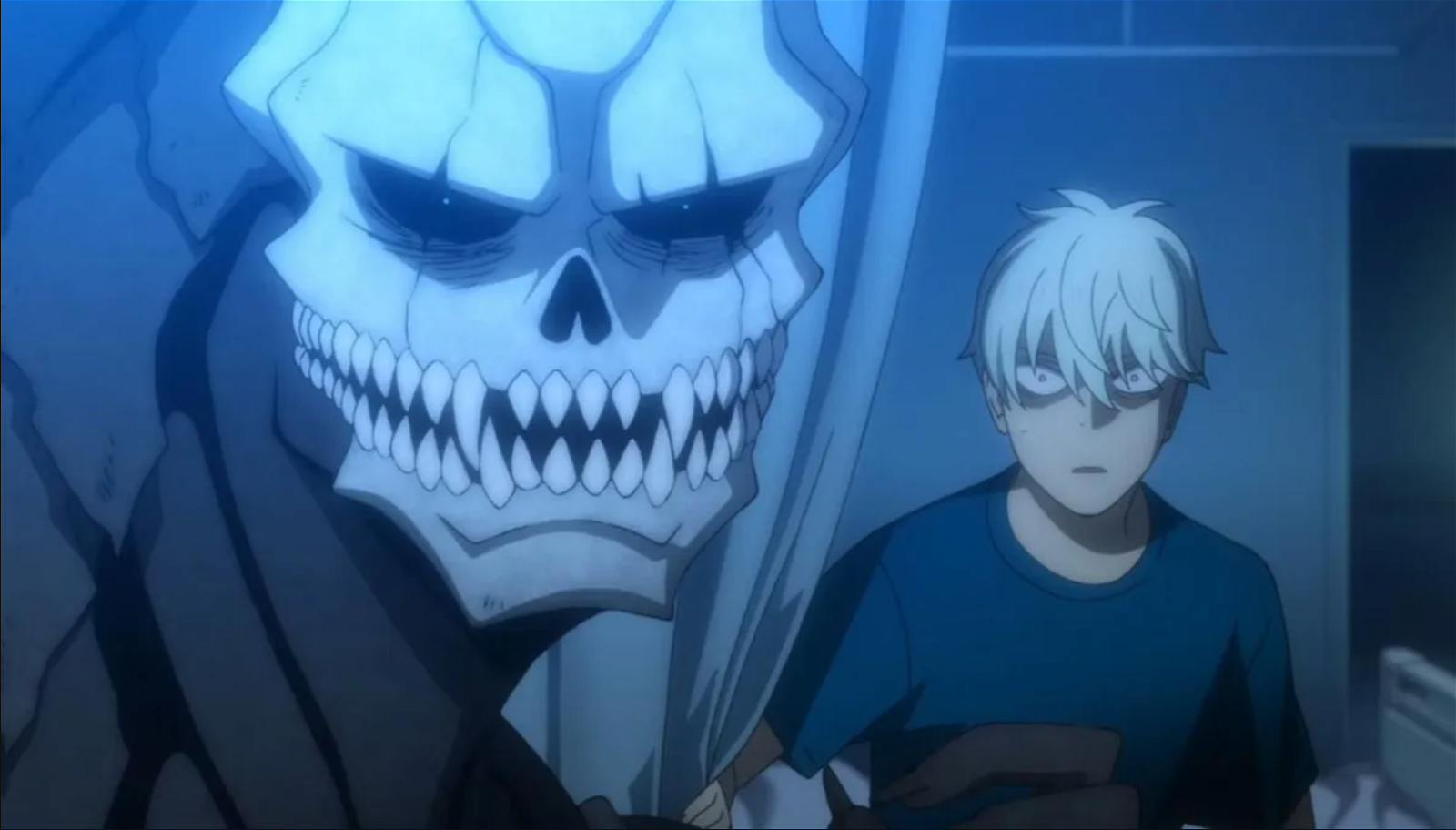
Kaiju No. 8 first rose in popularity due to its innovative take on many shonen concepts. Instead of making a young boy its main character, the manga made a middle-aged man, Kafka, its protagonist. Initially, Kafka had to conceal his Kaiju nature from the Defense Force and fight mostly with his limited abilities, save in dire circumstances, rather than depending on his spectacular powers.
Additionally, the manga’s subversive quality is retroactively diminished by the emphasis on individual fights. Using them as a covert weapon against Kaiju No. 9, for example, the series deftly explained away the criticism for the inclusion of its inexperienced main characters.
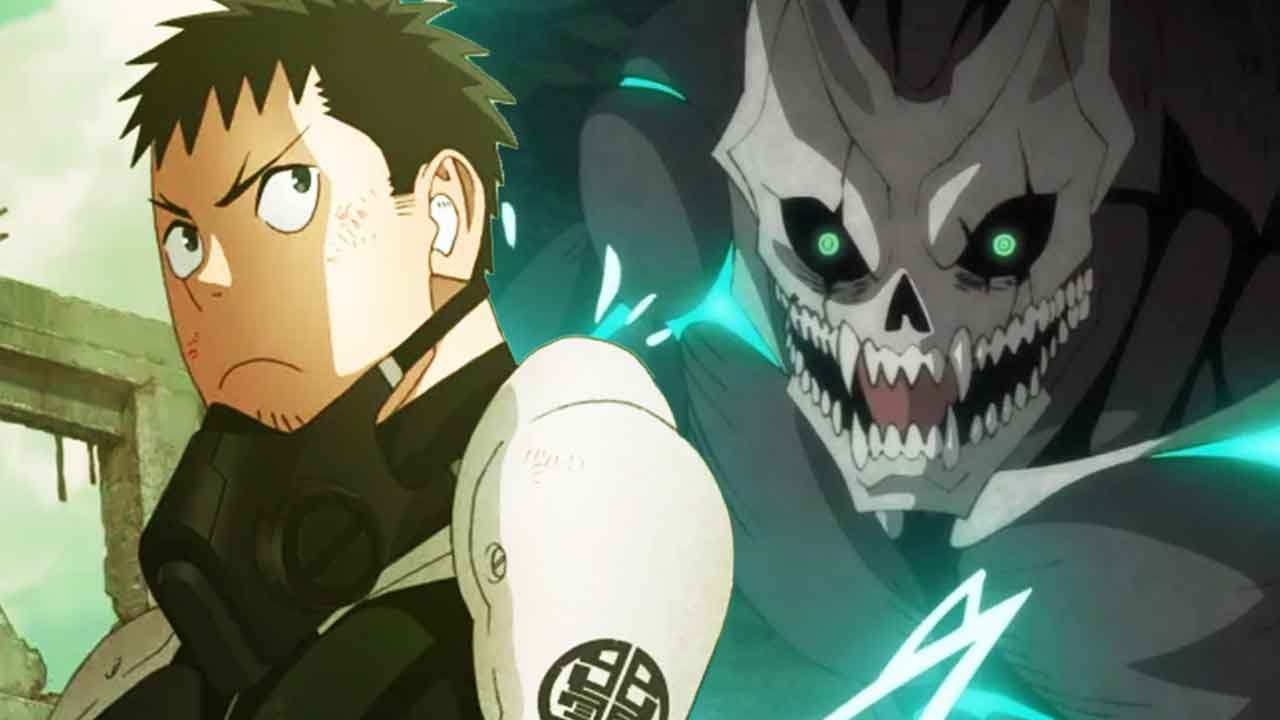
However, the turn of events shows that this rationalization was moot since Kaiju No. 9 was aware of them and had created special Kaiju to take them out. This, coupled with the fact that Kafka has recently been acting like a typical shonen protagonist despite his age is diminishing the subversive edge the manga once held.
Frequently asked questions
Why does the article say the Kaiju No. 8 anime is underwhelming?
The article argues that Production I.G’s anime adaptation falls short of the manga’s artwork. It points to fans on X sharing side-by-side comparisons in May 2024 suggesting Naoya Matsumoto’s original panels carry more impact than the animated versions, and makes the case that adding animation effects does not automatically make a scene better than the manga.
What is the article’s criticism of how Kafka is written in the anime?
It argues that Kafka has recently been acting like a typical shonen protagonist despite his age, which the writer feels erodes the manga’s subversive appeal. Kafka Hibino’s original hook is that he is a middle-aged Defense Force hopeful who mostly fought with limited abilities, so leaning on standard individual shonen battle beats is seen as undercutting that originality.
Who created Kaiju No. 8 and which studio animates it?
Kaiju No. 8 is written and illustrated by mangaka Naoya Matsumoto, and the anime adaptation is produced by Production I.G. The article praises the manga’s artwork for bringing the characters and Kaiju to life while arguing the adaptation has not matched that quality. This reflects the writer’s opinion, not an official studio statement.