
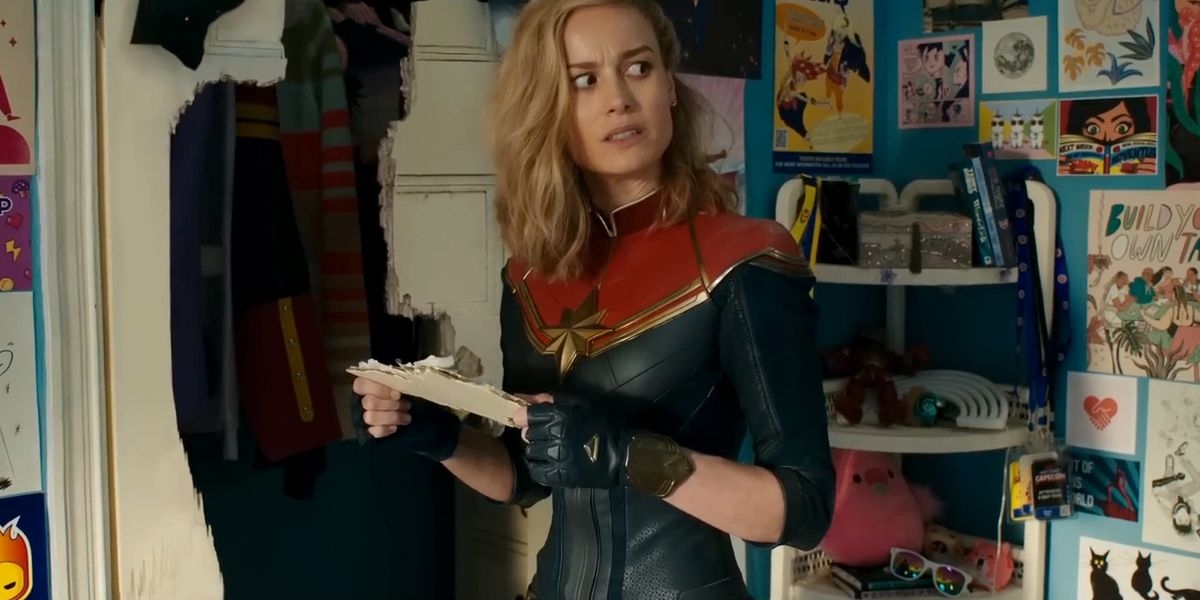
The Marvels, starring Brie Larson in the titular role, is the eagerly awaited sequel to the blockbuster hit Captain Marvel. This film picks up Carol Danvers’ narrative thread following the cataclysmic events of Avengers: Endgame, providing fans with an exciting continuation of her journey. In recent years, the saturation of the superhero genre in cinema has been evident, and audiences have voiced their weariness through diminishing returns for many superhero films. The box office numbers for these movies have seen a downward trend, highlighting a growing sense of fatigue among viewers.
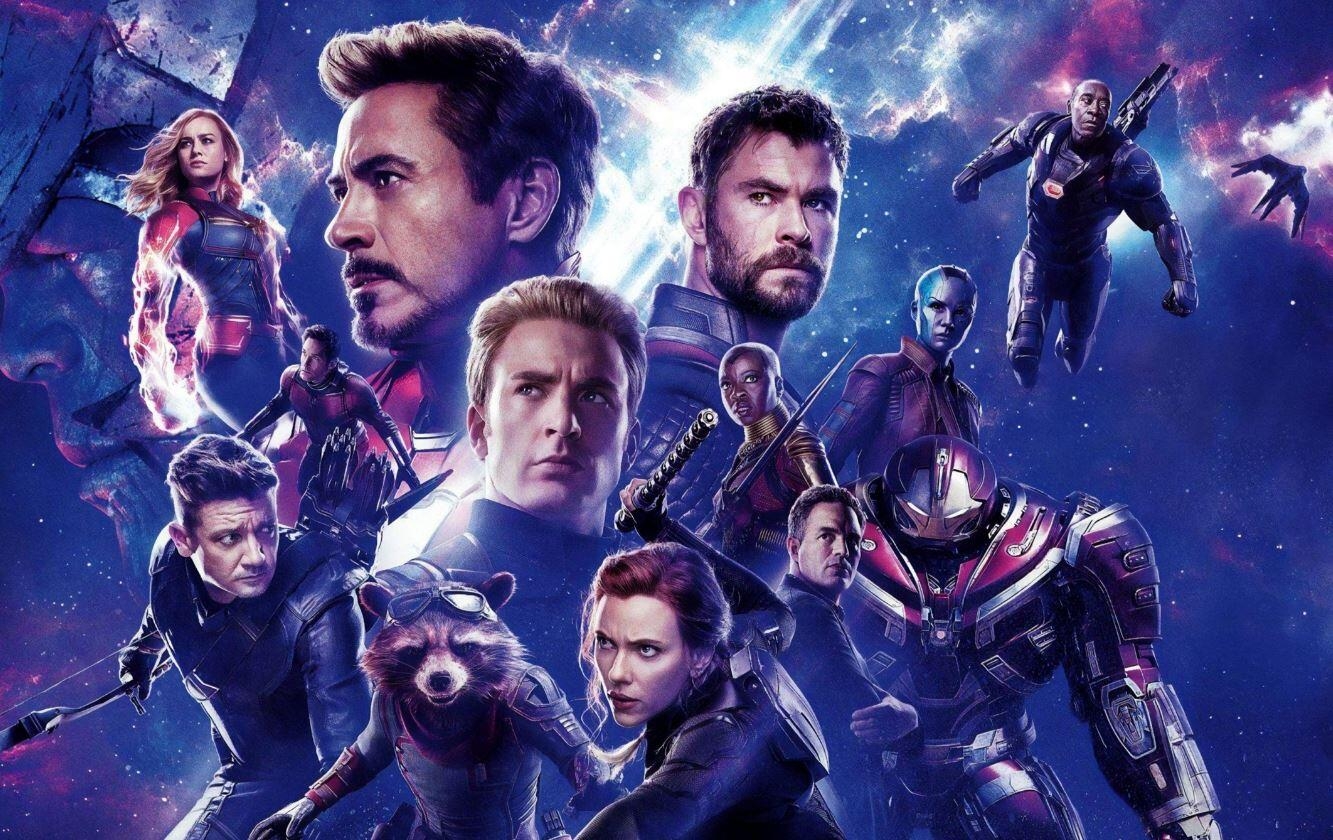
Amidst declining interest in superheroes, some exceptions have stood out. In response to changing audience preferences and lackluster box office results for recent superhero films, the studio behind ‘The Marvels’ has strategically adjusted its production approach. Recognizing the importance of cost reduction without compromising quality, they’ve made significant changes to their process.
Assessing Marvel’s Strategy in the Face of Growing Superhero Fatigue
The year 2023 is undeniably shaping up to be a pivotal moment in the world of cinema. Notably, Marvel Studios, a powerhouse in the realm of cinematic universes, has played a significant role in this narrative. Among Marvel’s contributions to cinema, three films stand out as some of the most expensive movies: Avengers: Age of Ultron, Avengers: Endgame, and Avengers: Infinity War. These mammoth productions came with staggering budgets, with the first boasting a budget of $365 million, the second at $356 million, and the last at $316 million.
Also Read: Brie Larson’s The Marvels Reportedly Has Less Budget Than Captain Marvel, Ant-Man 3
Marvel’s massive budgets signify their dedication to delivering top-quality, visually impressive films, but recent superhero movie disappointments have prompted studio concerns. This strategy is evident in their upcoming productions like Doctor Strange in the Multiverse of Madness, Ant-Man and the Wasp: Quantummania, and Guardians of the Galaxy 3.
With budgets consistently exceeding $200 million, Marvel remains committed to delivering grand cinematic spectacles. However, in an oversaturated superhero genre, the potential for substantial box office returns is accompanied by the challenge of standing out. However, The sudden cost-cutting measures for ‘The Marvels’ and the production of repetitive movies have introduced a set of unique challenges for Marvel Studios. These challenges arise from a combination of factors that impact both the creative and financial aspects of the cinematic universe.
Navigating the Complex Landscape Around Brie Larson’s The Marvels

The release timing of Brie Larson‘s The Marvels presents a unique challenge for Marvel Studios. In an era where the superhero genre is expanding at an unprecedented rate, the film’s reception and potential box office success might encounter difficulties in distinguishing itself within an already densely populated field. While the initial excitement surrounding The Marvels was palpable, the film’s budget stirred up controversy among fans.
too bad
— mike swiental (@GREEKGOD7777) September 21, 2023
DOCTOR STRANGE 2, a movie that was shot at the same UK stage facility as THE MARVELS cost $300 million to make. Nobody whined at that figure but suddenly the movie made by a female director and led by a female cast is “spending too much” on a follow-up to a BILLION-DOLLAR HIT.
— Christopher Marc (@_ChristopherM) September 21, 2023
This isn’t the most expensive it’s the lowest budget
— Jay (@jarmon425j) September 21, 2023
And its gonna lose money to marvel.thxs to Feige..
You know the thing about puttin money on movies is tonWIN more money not losing it— FULANODETAL (@FULANOD49846989) September 21, 2023
nice. something i can remember not to watch.
— Heisenberg (@Heisenb51566729) September 21, 2023
Nia DaCosta’s film, with a budget of $250 million, faces significant financial pressure to achieve profitability. DaCosta herself has acknowledged the concept of superhero fatigue, which is a growing concern within the industry as audiences are inundated with a constant stream of superhero content.
To break even, The Marvels would need to collect a substantial $439 million at the box office. In a strategic move aimed at reducing production costs, the studio appears to be tightening its budgetary reins. This reflects a pragmatic approach to film financing, especially given the financial uncertainties surrounding the performance of superhero films in today’s market.
Source: Marca
Frequently asked questions
What is "superhero fatigue" and why does the article say it threatens The Marvels?
"Superhero fatigue" describes audiences growing tired of the steady stream of comic-book films, reflected in softer box office returns for several recent releases. The article argues this saturated market makes it harder for The Marvels to stand out, putting extra pressure on its commercial performance even with an established character like Carol Danvers (Captain Marvel).
Why does the article suggest Marvel may be "getting desperate" with The Marvels?
The article points to reported cost-cutting on The Marvels as a sign Marvel Studios is reacting to weaker superhero box office. It frames the tightened budget as a pragmatic but risky move and notes some fans read it as a worrying signal rather than a confident one. These are presented as the article’s interpretation and fan concerns, not confirmed studio statements.
What budget and break-even figures does the article cite for The Marvels?
The article cites a roughly $250 million production budget and states the film would need to earn about $439 million at the global box office to break even. As with any pre-release financial estimate, exact break-even figures vary by source and depend on marketing spend and revenue splits, so treat the number as a reported estimate.